
Back in 1899, a harmful rodent called nutria was introduced to the U.S. through the fur trade. Since then, they have damaged vegetation and crops, destroyed the banks of ditches and lakes, and caused long-term harm to marsh vegetation and the plants and animals that depend on it. They have come to Texas as well, and the government has an innovative solution — they want you to eat them. Yes, literally cook them up and serve them for dinner, y’all!
What Are Nutria?
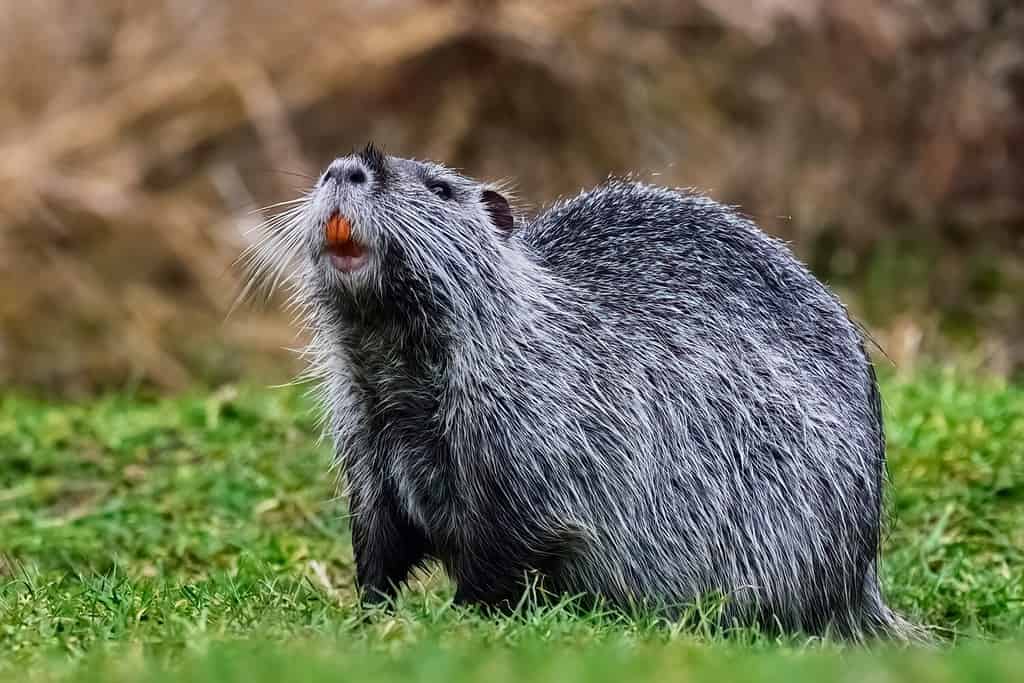
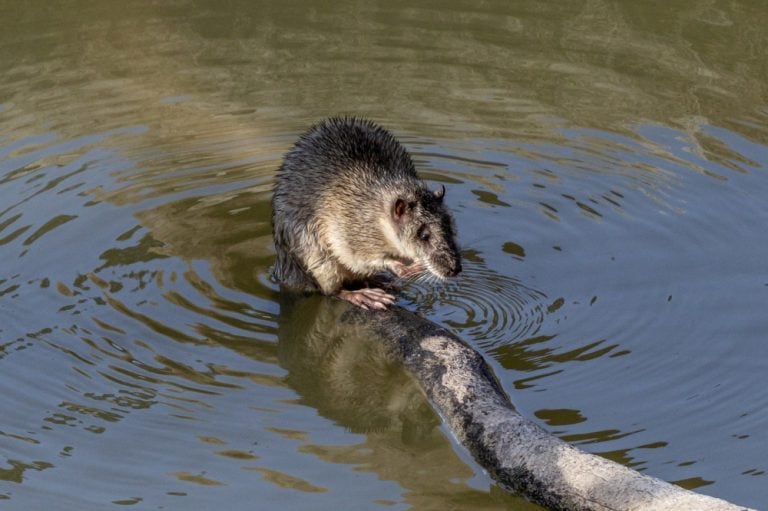
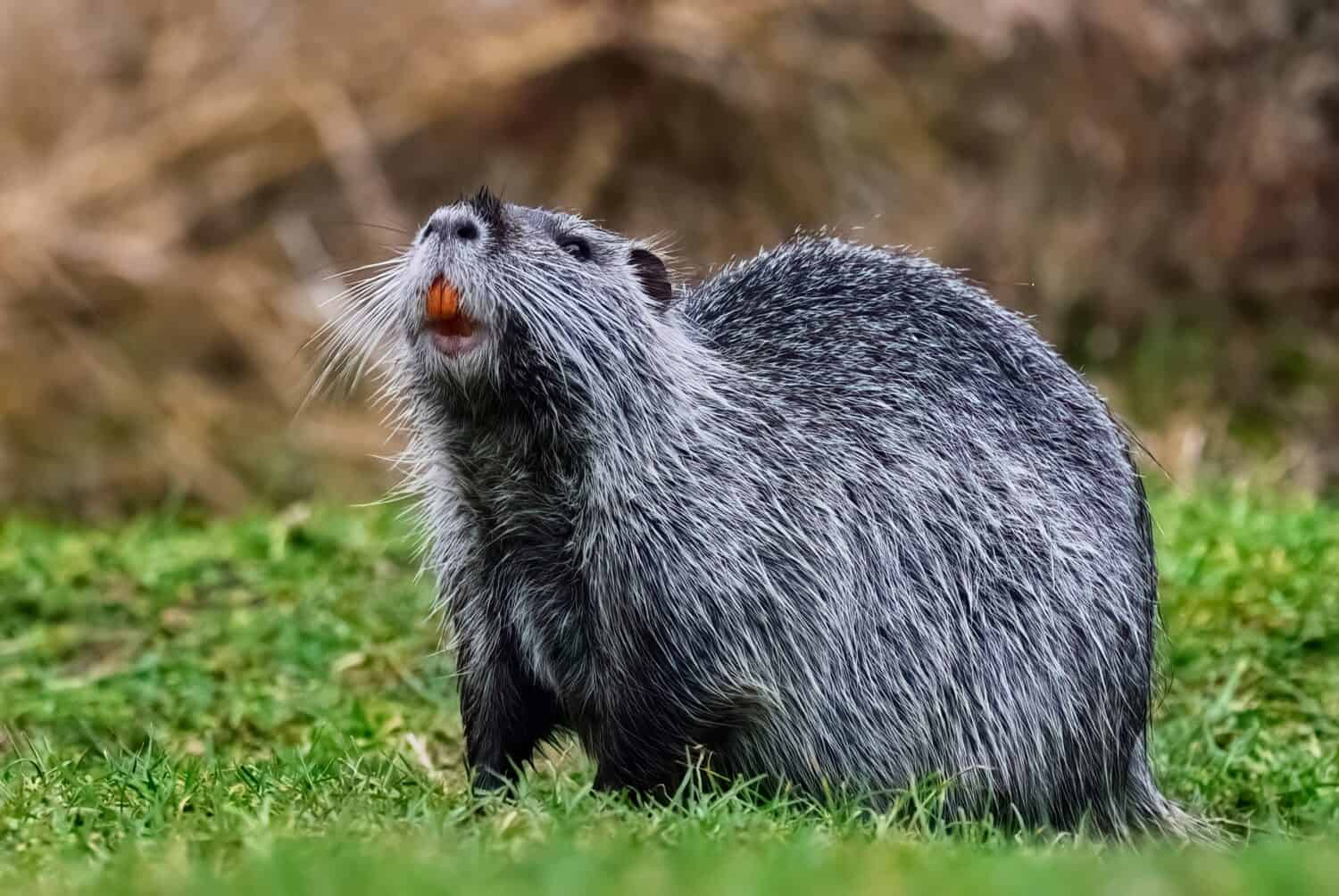
Nutria are identifiable by their orange-yellow teeth and rat-like tails.
©Robert Adami/Shutterstock.com
Nutria (Myocastor coypus) are large, semi-aquatic rodents native to South America that have established populations in at least 20 U.S. States, including Texas.
According to the U.S. Department of Agriculture (USDA) Animal and Plant Health Inspection Service, nutria cause extensive damage to areas including wetlands, agricultural crops, and structural foundations such as dikes and roads. Because they carry diseases known to infect humans, they can be a danger to human health as well.
“Nutria is considered an invasive species in Texas,” Lerrin Johnson, wildlife public information officer for the Texas Parks & Wildlife Department (TWPD), tells A-Z Animals.
Despite the fact that they are harming swamps, TWPD doesn’t have an exact estimate of how many nutria are in the state right now.
Johnson says, “The Texas Parks & Wildlife Department does not track [precise numbers] of nutria populations.”
You will likely find nutria in Central Texas and on the Texas Coast.
Damage-Causing Rodents
Nutria are pests that cause a significant amount of damage. In Texas, nutria burrow, which undermines and breaches water-retention levees in flooded fields used to produce rice and crawfish, according to the USDA. Burrowing also damages the flood-control levees that protect low-lying areas, weakens foundations, and erodes banks.
These creatures damage crops, such as sugarcane, rice, corn, milo, sugar and table beets, alfalfa, wheat, barley, oats, peanuts, melons, and vegetables. According to the Texas Invasive Species Institute, nutria cause an estimated average loss that exceeds $1 million annually. They can also damage native plants that hold marsh soils together and have even been known to damage marsh vegetation so severely that resources are permanently lost.
Like mosquitoes, rats, and other animals, nutria can serve as hosts for pathogens that infect people, pets, and livestock; carry parasites like tapeworms; and contaminate drinking water supplies and swimming areas through their feces and urine.
How to Identify Nutria
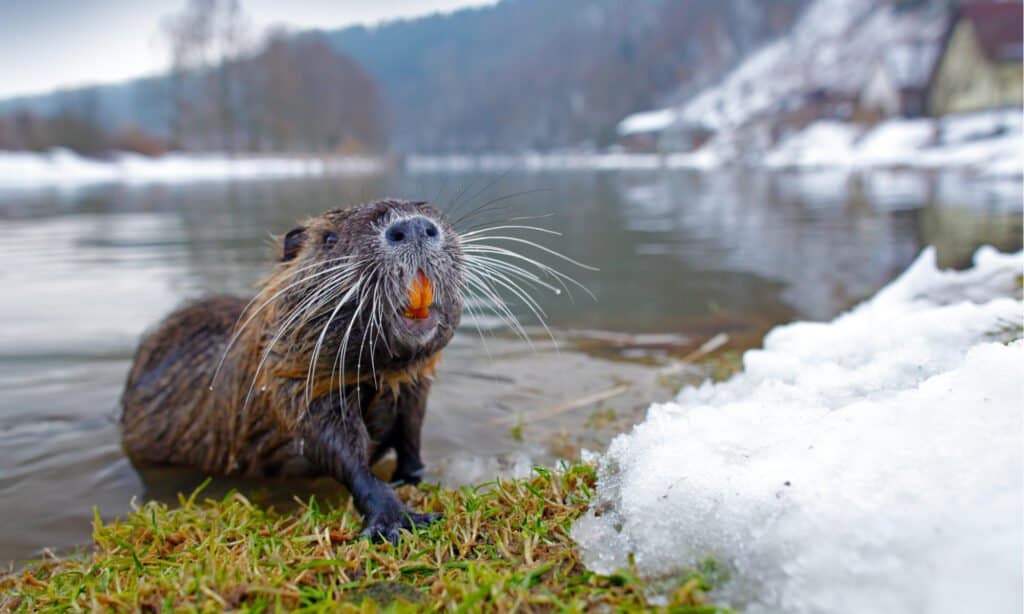
Nutria are semi-aquatic animals that can hold their breath underwater for extended periods.
©Ondrej Prosicky/Shutterstock.com
How can you tell if you’ve spotted a nutria? These rodents are sometimes mistaken for beavers or muskrats. You can identify one of these invasive critters by their large front teeth, which range in color from yellow to orange (not unlike someone with severe dental decay); a rat-like tail covered in bristly hairs; and prominent white whiskers that protrude from their nose.
Additionally, nutria are approximately two feet long and weigh 15-20 pounds. They have a large head, short legs, and what looks like a humpback. Nutria can be dark brown, light-colored, or even albino, and they spend much of their time in the water. Their partially webbed hind feet help them swim quickly, and the convenient placement of their eyes, ears, and nostrils on top of their head allows them to see and breathe above water while swimming. When submerged, nutria can seal their nostrils and mouths and hold their breath for long periods, making them difficult to capture.
The problem with the nutria is it looks like a giant rat, but it tastes like a giant rabbit
Dave Linkhart, director of national and international affairs for the National Trappers Association, in an interview with Texas Monthly
Trapping Nutria
If you come across nutria, Texas A&M Agrilife Extension – Wildlife Services has several effective methods for trapping this pest. These include cage traps (also used for raccoons or opossums) and should be placed in areas where damage is occurring and baited with sweet potato or carrot; leghold traps, placed just off the center of a nutria trail and covered with leaves; or conibear traps in water, which should only be set by experienced trappers.
So, Are People Actually Eating Them?
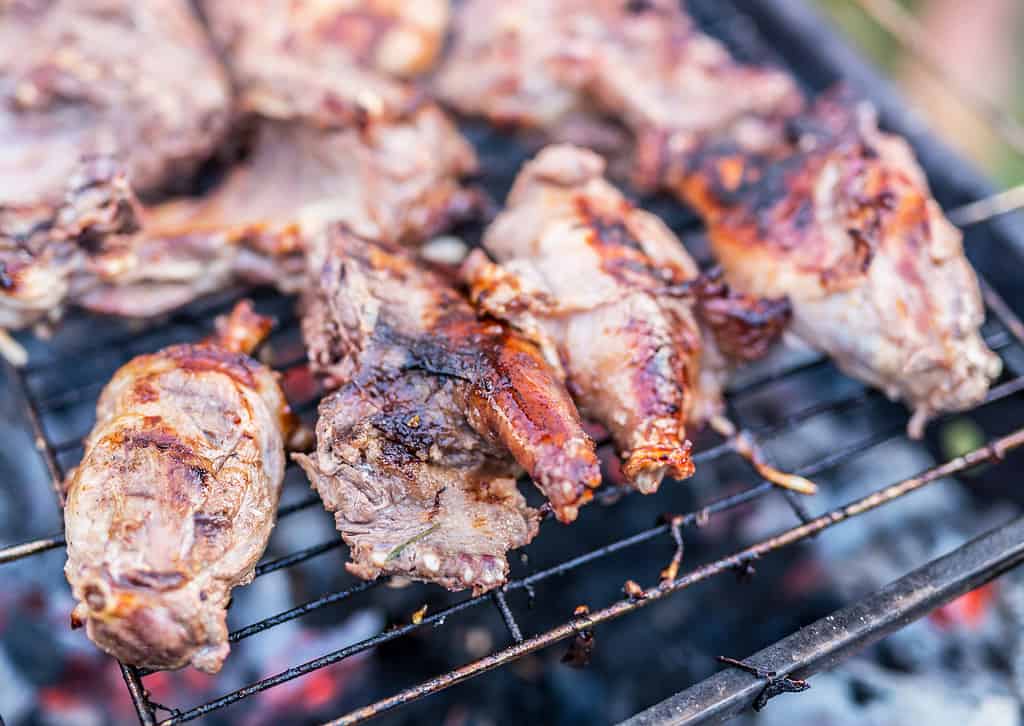
Yes, people actually are eating nutria.
©ValentynVolkov/iStock via Getty Images
The U.S. Fish and Wildlife Service (USFWS) encourages people who find and kill nutria to eat them. As part of National Invasive Species Awareness Week in February, USFWS shared a slogan for Texans and anyone else with a nutria problem in their state: “Save a Swamp, Sauté a Nutria.”
“Their meat has been compared to rabbit or even the dark meat of a turkey,” USFWS says in a statement. “If your state has nutria, check your local regulations to see the rules for how to hunt, capture, and then ultimately, cook these nuisance critters.”
“The problem with the nutria is it looks like a giant rat, but it tastes like a giant rabbit,” Dave Linkhart, director of national and international affairs for the National Trappers Association, tells Texas Monthly. “I ate nutria for lunch. I’ve got two more right in front of me. I am encouraging people to eat nutria, but there [are] cultural stigmas you have to overcome.”
The State of Louisiana, which has a nutria problem too, shared recipes for cooking this animal by Chef Phillipe Parola. There are options for crock pot dinners, soup, fettuccini, and more using nutria. So, what do you think — would you eat nutria to help save Texas ecosystems? It might just become your new favorite meat!