
Quick Take
- Sargassum supports hundreds of marine species in open water, yet something specific happens the moment it hits shore that flips it from habitat to hazard. See how it shifts →
- The beach-clearing stench is not generic decay but a specific gas with documented health effects serious enough to shut beaches down entirely. Smell the science →
- Key West barely dealt with sargassum 15 years ago, and what changed reveals a force far larger than anything Florida can control. Explore what changed →
- Scooping sargassum off beaches with machinery seems like an obvious fix, but what is stopping them from just doing it? See why removal is hard →
A massive blanket covers thousands of miles of the Atlantic Ocean. This blanket is home to many different species of marine life. However, as this blanket or mat reaches the shallows or shoreline, it ceases to serve its original purpose. Instead, it becomes a hindrance to both marine creatures and people. This mat is sargassum.
Those in Key West have become incredibly familiar with the algae that comes ashore annually. That was not always the case, though. So why is sargassum taking over Key West, and is there anything that can be done to change it?
Continue reading
What Is Sargassum?
There are two main species of sargassum: one that attaches to the seafloor and another that is free-floating. The free-floating species is a naturally occurring macroalga that can stretch for miles in the open ocean.
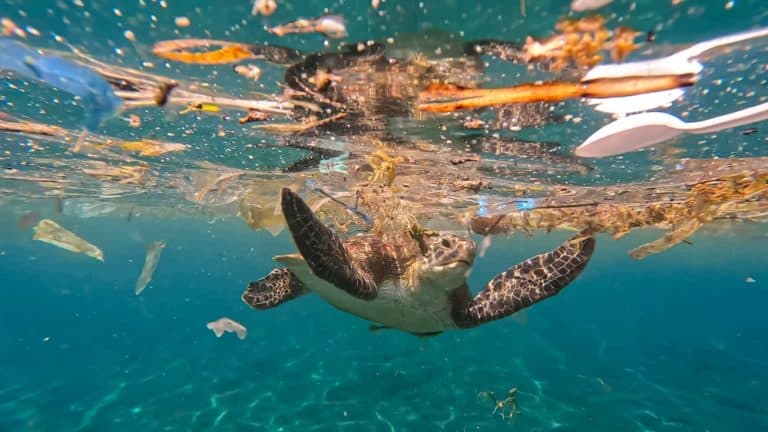
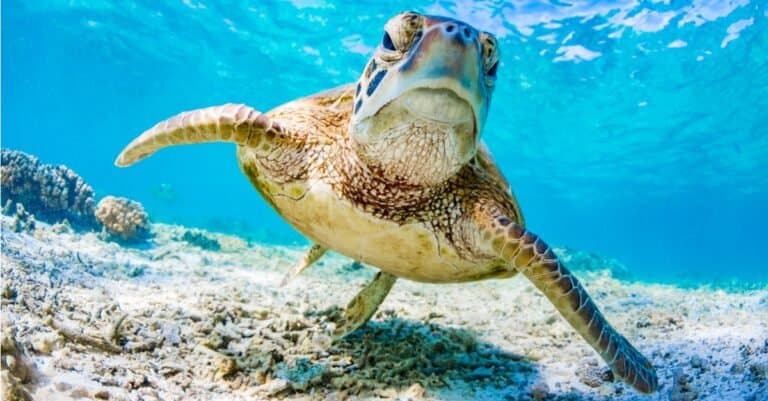
In the open ocean, sargassum that floats on the ocean’s surface benefits marine life. It creates a moving ecosystem that is home to hundreds of species of fish, sea turtles, and more. The largest of these mats is located in the tropical region of the Atlantic Ocean. It is approximately 5,000 miles long, creating a rainforest of sorts for marine creatures.
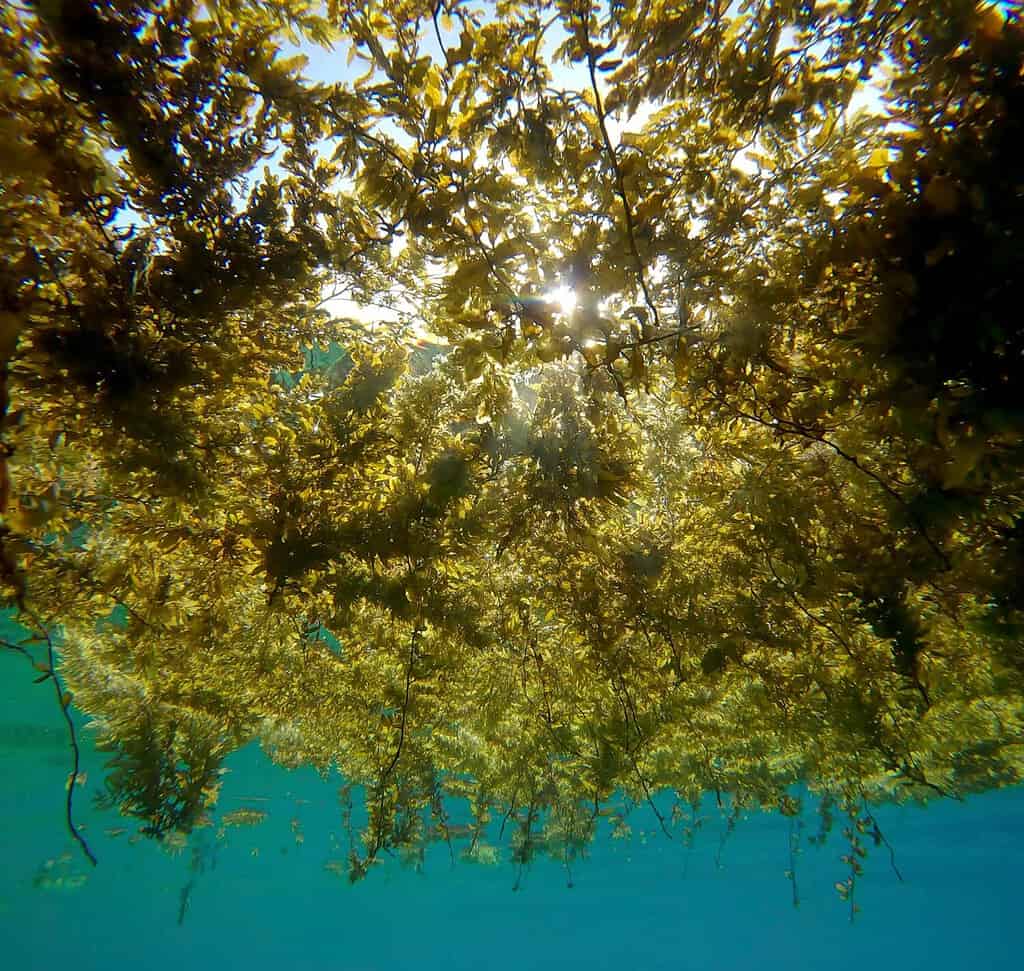
Sargassum can free-float in the ocean, creating an ecosystem for hundreds of marine animals.
©Andriy Nekrasov/Shutterstock.com
Health consequences occur when sargassum washes ashore. These large blankets of brown algae rapidly begin to decompose when no longer in the vast sea. Once sargassum mats wash ashore, they no longer benefit marine life; instead, they hinder it. Fish and other marine animals can become sick and even die.
Beachgoers are also affected by the decaying sargassum mats. These mats can cover entire beaches, making it difficult to walk and breathe because sargassum emits noxious fumes as it decays.
Key West Is a Hot Spot for Sargassum Buildup
Over the last 15 years, Key West has become a hot spot for massive sargassum mats. Until recently, the appearance of sargassum on the beaches was not an annual occurrence. But with environmental changes and the growth of the massive free-floating mat in the Sargasso Sea, Key West has become a landing spot for sargassum.
Massive sargassum mats were once found only in the Sargasso Sea. However, as climate change has shifted ocean temperatures and currents, sargassum mats have multiplied and now thrive in much larger areas of the ocean. They can now be found from the West African shorelines to the Gulf of Mexico.
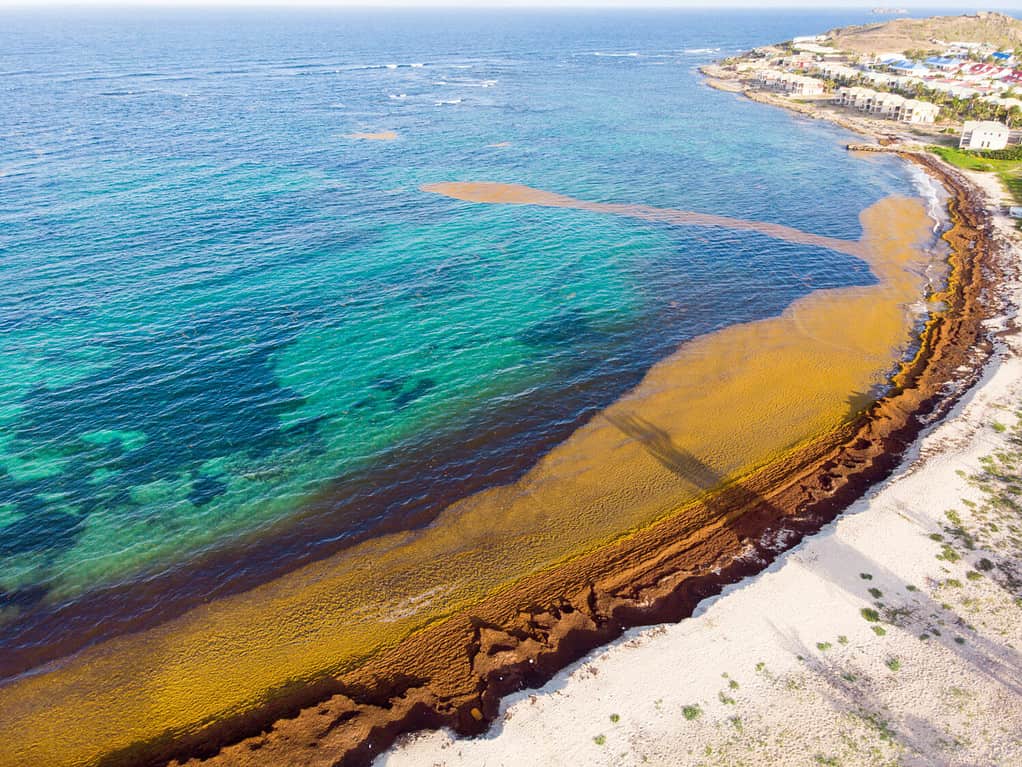
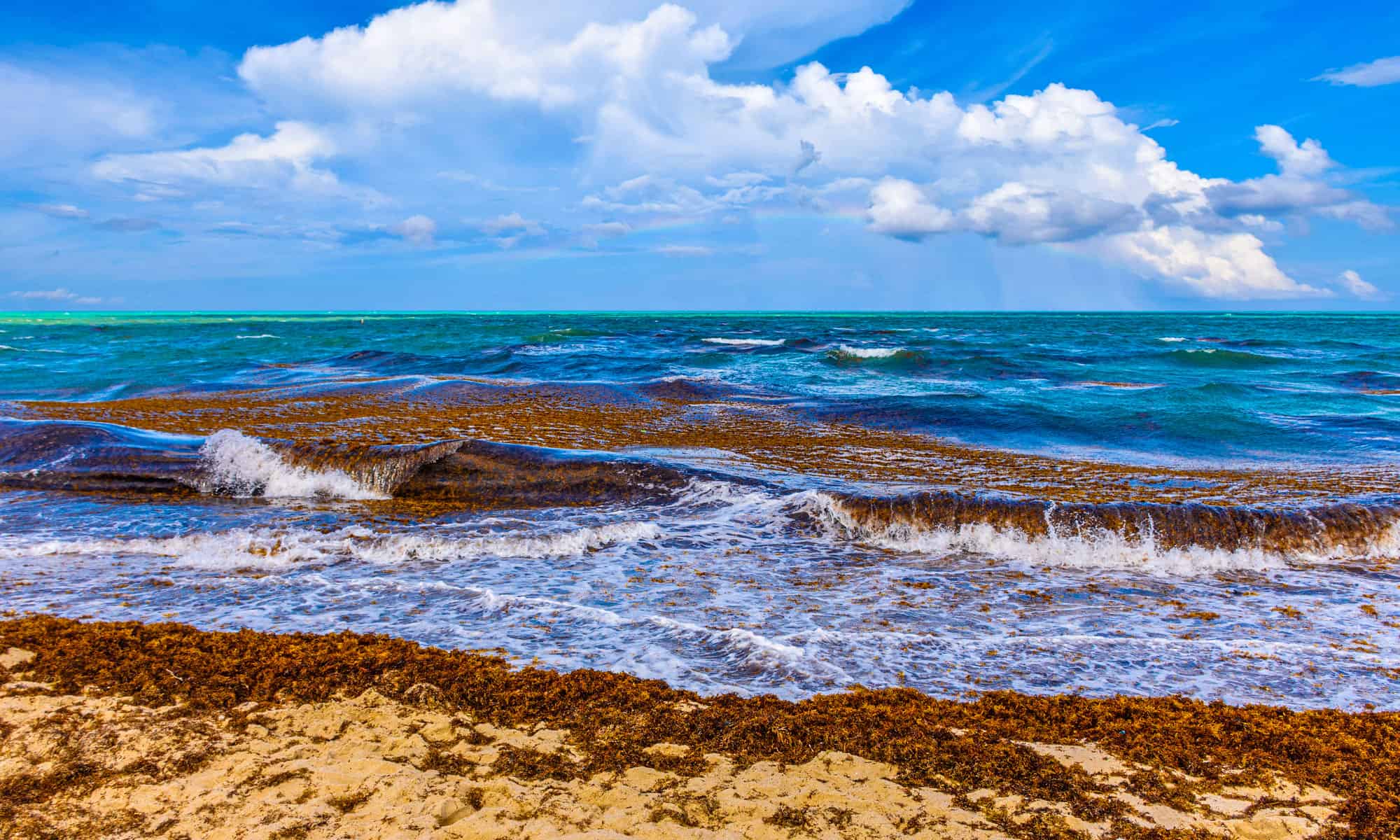
Entire beaches can be covered with sargassum belts due to climate change and warmer water temperatures.
©Multiverse/Shutterstock.com
The “Great Atlantic Sargassum Belt,” as it is called, has grown exponentially because warm sea waters and runoff from rivers such as the Amazon and Mississippi carry fertilizers into the ocean. The currents cause portions of the mat to break off, sending them directly to the Caribbean and the Florida Keys.
The worst year on record for sargassum buildup on Key West beaches was 2023. The forecast for 2026 is expected to rival that record. Sargassum buildup would not be such a problem if it did not smell as terrible as it does. However, for four months each year, this free-floating algae washes ashore, polluting both the shoreline and the air. This results in less beach time for residents and visitors, as well as reduced revenue for Key West.
Why Sargassum Smells So Foul
Sargassum differs from other algae species that wash ashore and decompose because, once decomposition begins, a distinct and powerful rotten-egg smell develops and grows stronger as the sargassum continues to break down.
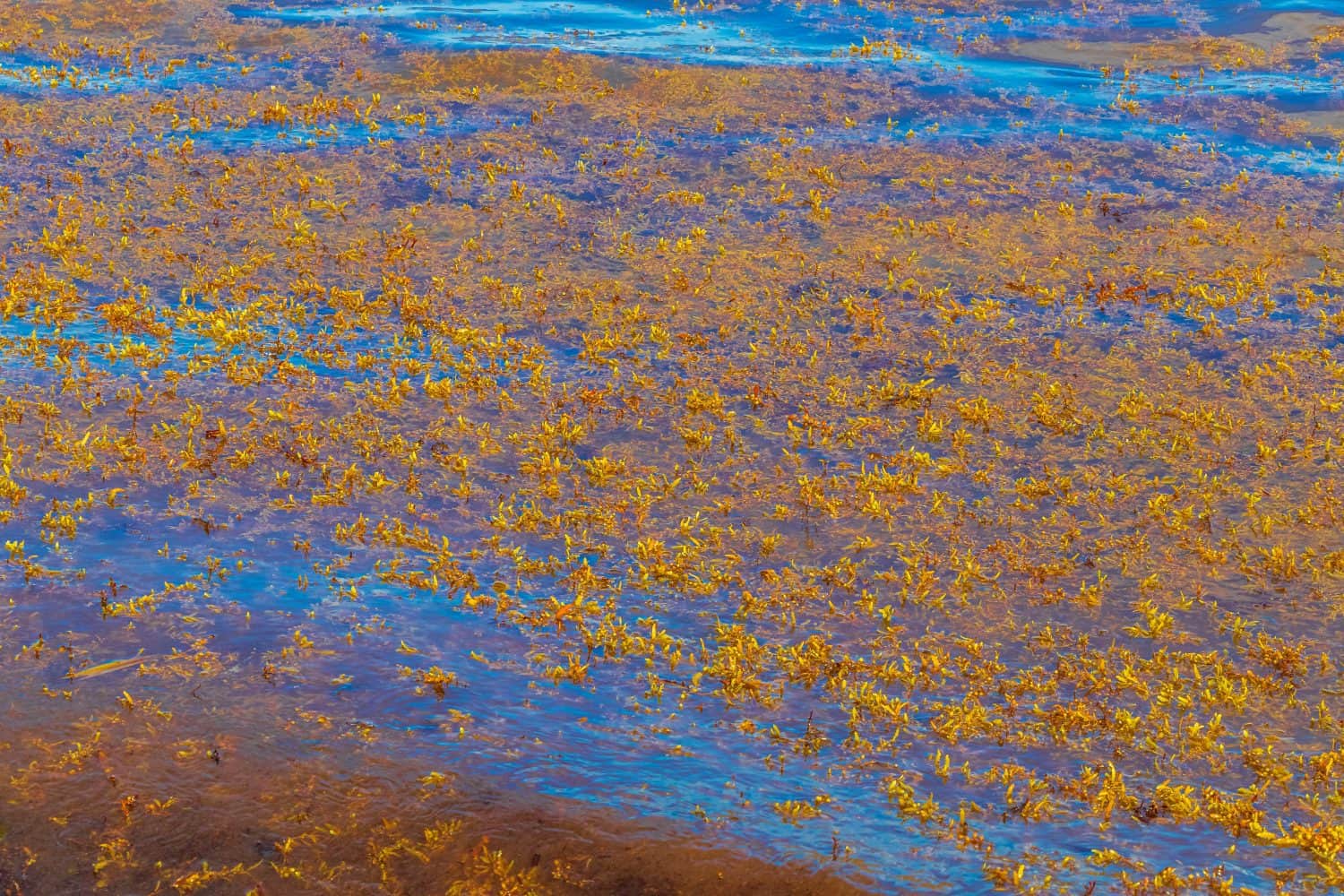
Entire beaches can be covered with sargassum belts, creating noxious smells.
©Arkadij Schell/Shutterstock.com
As tiny microorganisms break down sargassum, the decomposition process releases gases. One of those gases is hydrogen sulfide. Hydrogen sulfide is responsible for the foul odor that can linger at beaches for weeks on end.
The smell can be so intolerable that beachgoers may experience irritation of the nose, throat, and eyes. Those with respiratory health issues may find their symptoms worsening when exposed to hydrogen sulfide. Because of this, beach closures are not uncommon in areas where sargassum mats wash ashore, in order to minimize public health risks.
How Long Does It Take for Sargassum to Disappear?
Sargassum does not decompose while it floats in the sea. It is a living organism that creates a critical habitat for numerous aquatic creatures. Decomposition begins when the mat is exposed to air and remains stagnant; once this process starts, it cannot be stopped.
In the shallows and on the shoreline, sargassum begins to decompose within 48 hours. This is when the foul smell becomes noticeable on beaches. It can take eight to 16 days for sargassum washed ashore to fully decompose. It may take longer for sargassum mats that remain in shallow water.
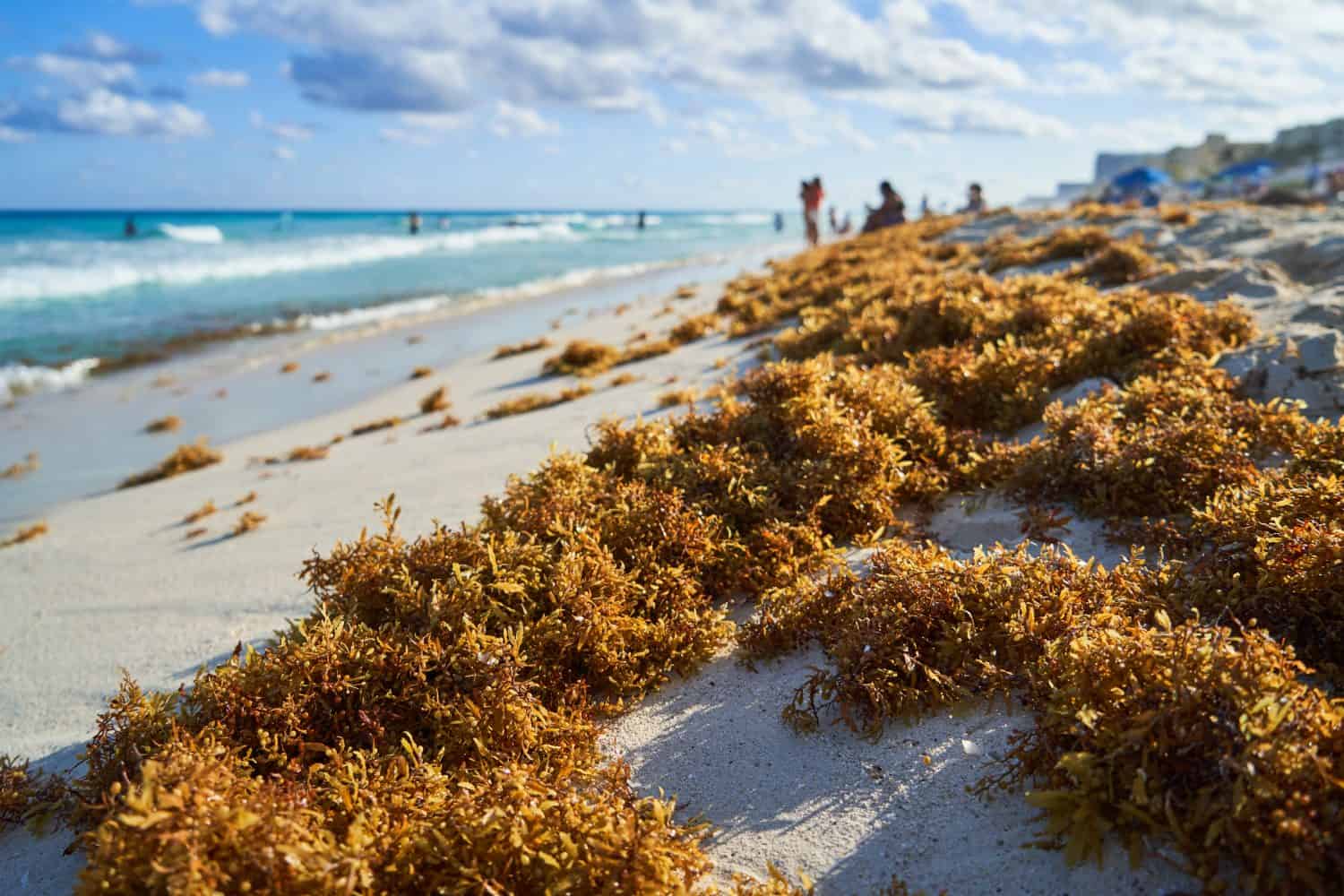
It can take days to weeks for sargassum to disappear from beaches.
©Fabian Montano Hernandez/Shutterstock.com
With locations like Key West inundated with sargassum mats, it might seem logical to assume that large machinery could remove the mats before they decompose. Unfortunately, doing so could disturb marine animals living on the shore. Additionally, because of the sargassum’s weight and sheer volume, removing it is neither cost-effective nor time-efficient. This is why some regions have installed containment booms and other barriers to keep sargassum from coming ashore.
Negative Impacts of Sargassum on Marine Life
In the open ocean, sargassum serves an important purpose for marine life, providing food and shelter. However, when it accumulates excessively, problems occur.
Large sargassum mats can wreak havoc on marine habitats. As sargassum sits in shallow waters, the following issues occur:
- Sargassum mats block sunlight from mangroves, corals, and seagrass, which depletes oxygen in the water.
- Oxygen from the ocean is used in the decomposition of sargassum. As the water loses oxygen, aquatic life perishes.
- Young marine life living in shallow water nurseries may die when bits of decomposing sargassum are deposited in their habitats.
- Sargassum mats become magnets for marine debris, including pesticides and plastics, poisoning marine habitats as the mats settle into place.
- Biodiversity is negatively affected as species populations decline with the introduction of sargassum mats into the ecosystem.
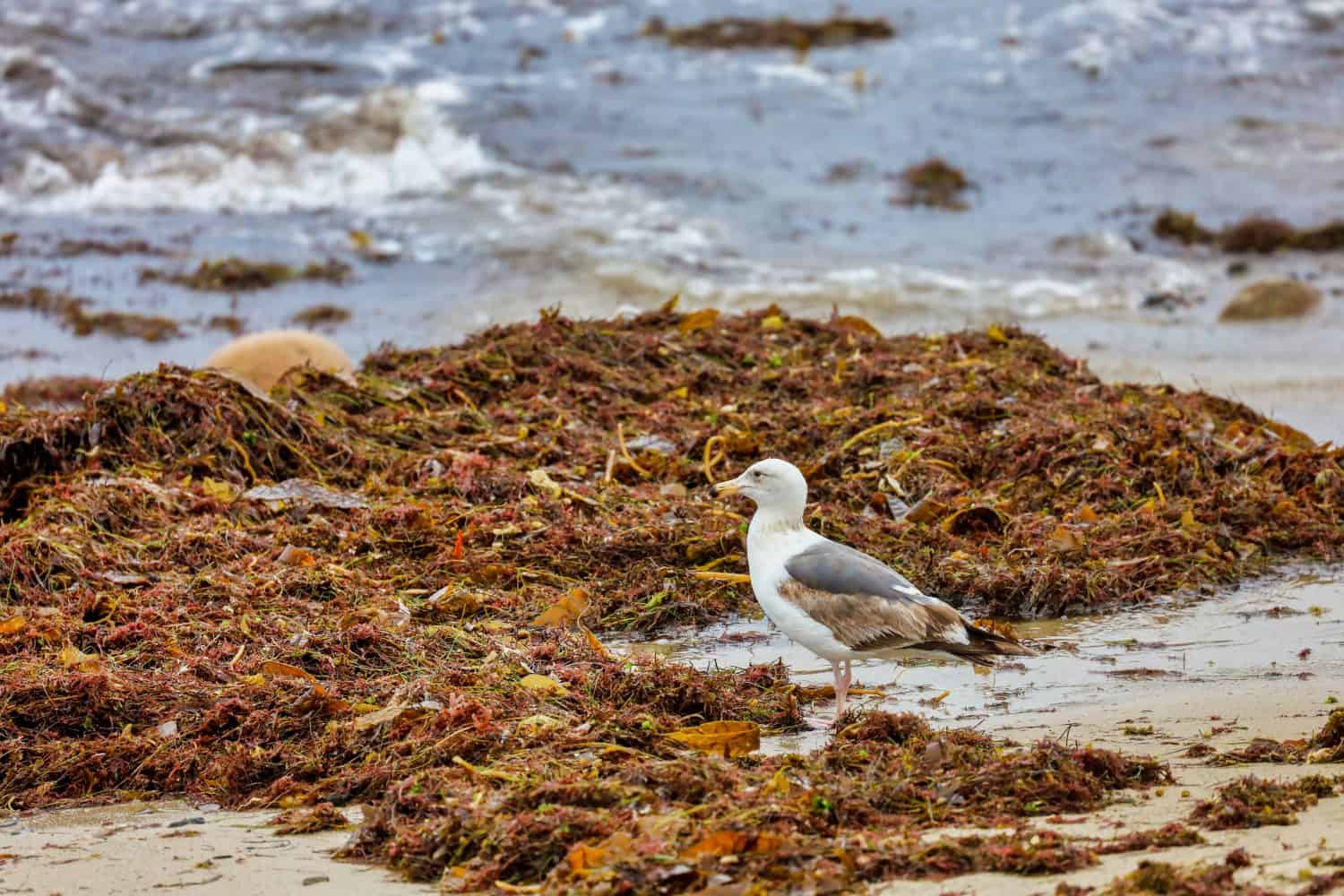
Sargassum creates problems for both marine life and shoreline residents.
©Rosamar/Shutterstock.com
Large, persistent sargassum mats washing ashore can have significant negative impacts on marine life and coastal ecosystems. The repair timeline, according to the Environmental Protection Agency, depends on the size of the sargassum mat and how long it remains in place. Consequently, in areas where sargassum mats occur infrequently, it may take anywhere from several months to several years for an ecosystem to fully recover. In regions that experience sargassum consistently, recovery can take decades, if it is possible at all.