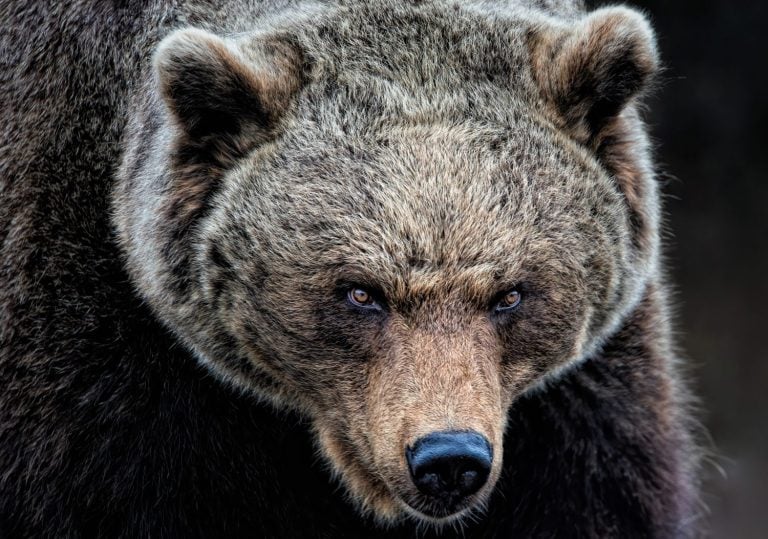

In early May 2025, 89-year-old Robert Markel and his dog were killed by a black bear in Florida. This incident marked the first fatal black bear attack in the state’s history. This tragic loss serves as a reminder of the importance of bear safety and awareness.
Black bears are among the most widespread large mammals in the United States, found throughout the states. While Smokey Bear may be the cute mascot for the Smoky Mountains, black bears are not something you necessarily want to encounter while hiking or camping. It’s important to know when and where black bears are most active so you can stay safe and make the most of your time in the wild. Whether you’re going on a camping trip soon or planning on taking a hike, it’s important to be aware! Read below to learn about the black bear season and how to stay safe.

©Pierre Leclerc/Shutterstock.com
When Black Bears Are Active
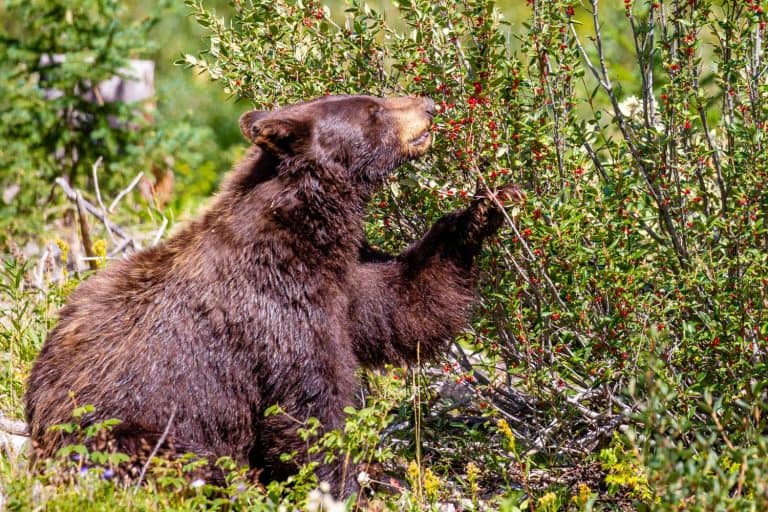
Black bear activity differs greatly by season. The season with the least black bear activity is winter due to hibernation. Hibernation lasts from around December to February, meaning the winter months have a lower chance of seeing bears. Spring is when the bears start to come out of their dens! Black bears are very active during spring as they forage for food to replenish the fat they lost in the winter. This makes spring a season when extra care is needed when out in nature. As they are foraging for food, they are often at low elevations where vegetation is abundant or by water sources. It’s important to stay alert between March and May!
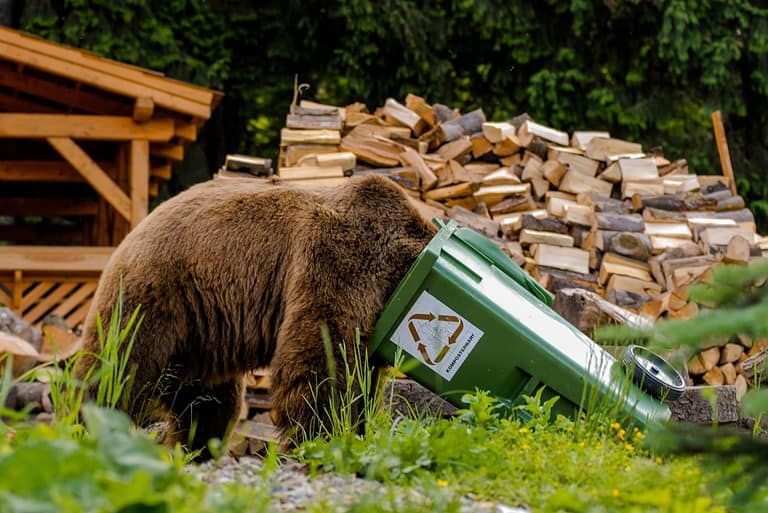
Summer is where activity goes down slightly. Just like how we like to avoid the heat, black bears do the same thing. From June to August, black bears are more active during dusk and dawn to avoid the harsh sun. The bears become somewhat nocturnal to avoid the sun, prioritizing resting during the day and expending their energy at night. This allows them to conserve and use their energy wisely. Fall is when most black bears are at peak activity! To prepare for the coming hibernation, black bears enter a stage called hyperphagia. Hyperphagia refers to a feeding frenzy that bears enter to gain weight. This feeding frenzy means that bears are more active throughout the day in the cooler weather and travel greater distances to find food. While fall is a great season for camping, it’s important to stay cautious, as bears might be attracted to the smell of your food.
©Robert Harding Video/Shutterstock.com
Where Black Bears Are Active
Black bears can be found throughout the United States and across North America. The Great Smoky Mountains are famous for their black bear population, and the unofficial mascot of the region is a black bear. This mountain range spans across Tennessee and North Carolina. The Smokies are famous for having one of the highest black bear population densities, largely due to the protections for the habitat. There are an estimated 1,900 black bears living within the park boundaries, or roughly two bears per square mile! The state of California is another place with a large black bear population. The California Department of Fish and Wildlife estimated in April 2025 that California’s black bear population is around 60,000. Most of the black bears live in northern California in forests, such as California’s famous conifer forests. Many black bears also inhabit the Sierra Nevada region.
The Appalachian region is another area with a significant black bear population. Given the Appalachian Trail’s popularity, it’s important to remember that black bears can be found throughout the entirety of the trail. The trail runs for 2,190 miles from Maine all the way down to Georgia. This trail is popular among hikers and campers, with around 3 million people visiting each year. With so many visitors, how can people best be prepared if they encounter a black bear?

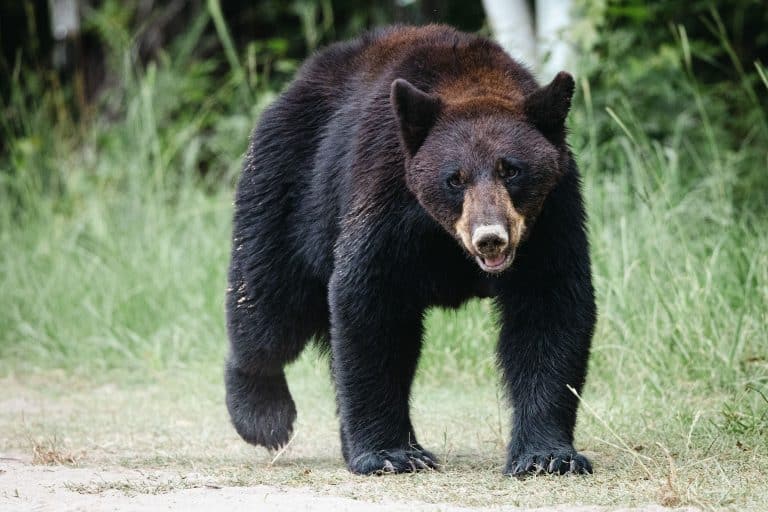
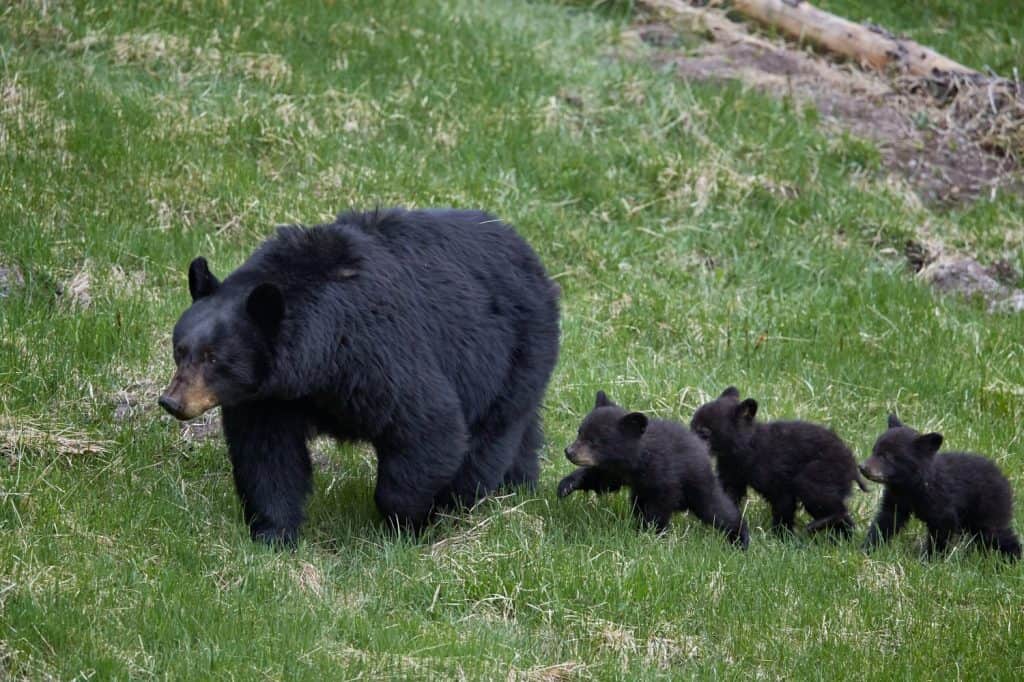
A black bear is walking through the grass.
©USFWS / Hollingsworth, John and Karen, Public domain, via Wikimedia Commons – Original / License
What to Do If You Encounter a Bear
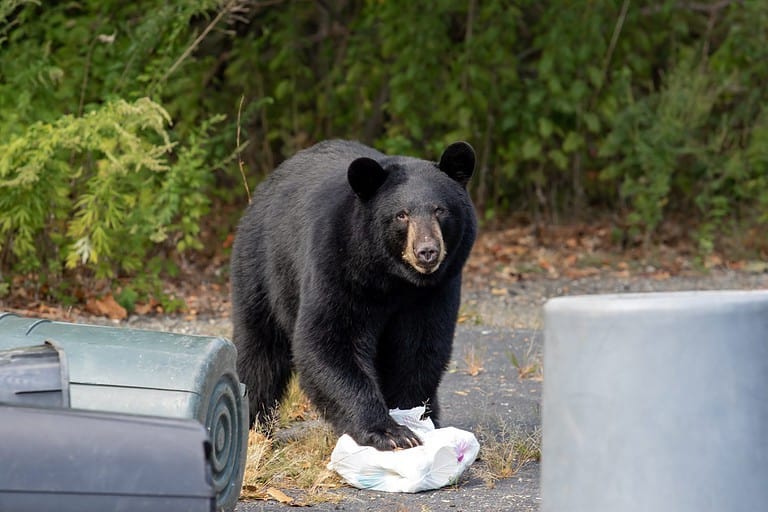
Black bear encounters are fairly common, but actual attacks and killings are rare. According to the North American Bear Center, black bears kill fewer than one person a year on average. Non-fatal attacks are slightly more common, making it important to know what to do. Black bear attacks most often occur when their space is not respected, as they typically attack only when they feel threatened. It is recommended to remain at least 100 yards away—about the length of a football field—to stay safe. While keeping your distance is ideal, it is not always realistic, as random encounters on trails are common. If this happens, it is important to keep an eye on the bear and walk back in the direction you came from. Remaining calm helps keep the encounter passive, and most black bears will run at the sight of you. If the bear continues to approach, raising your arms and talking/yelling in a bold manner will help to scare it away. When camping, have a predetermined escape route to ensure you can leave safely if necessary. Hopefully, with these tips, you feel more confident in your excursion!