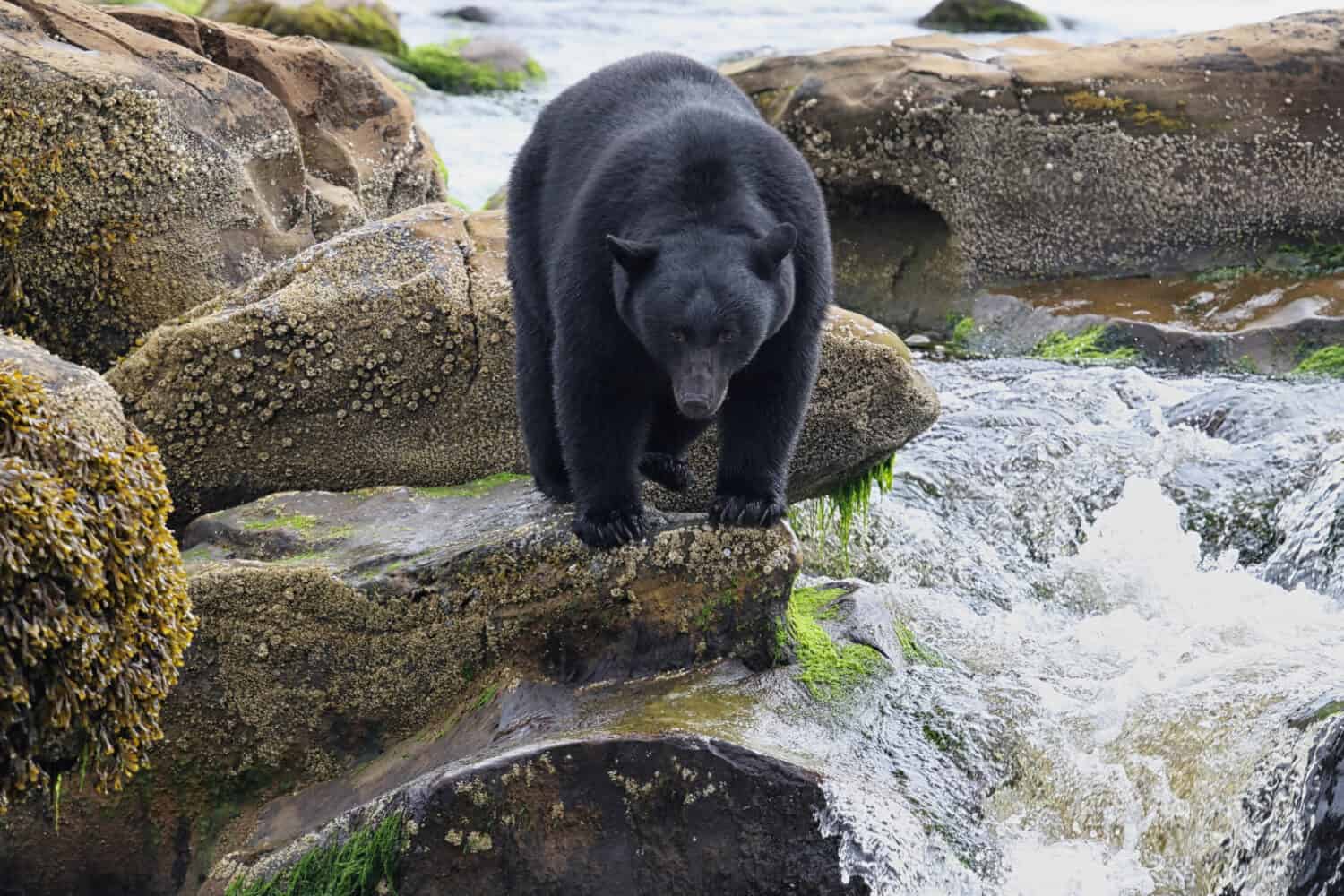

No matter what type of hunter you are, bear hunting remains a popular activity across the United States in the fall. Vermont has its own bear hunting season, a period that is carefully monitored and regulated by state authorities. When is Vermont’s bear hunting season? What should you know about its regulations, and what advice do wildlife officials have for this time of year? We’re about to take a deep dive into Vermont’s bear hunting season so that you can understand its ins and outs. Let’s begin with when this season is and how long you have to enjoy it.
When Is Vermont’s Bear Hunting Season?
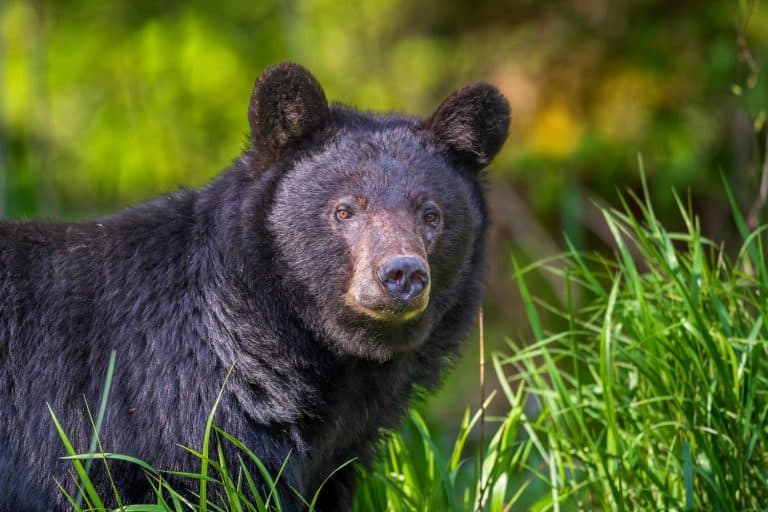
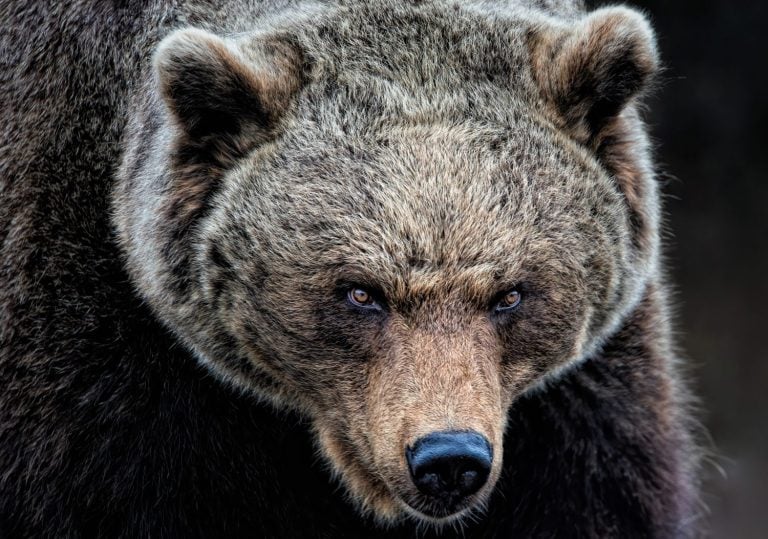
©Freaktography/Shutterstock.com
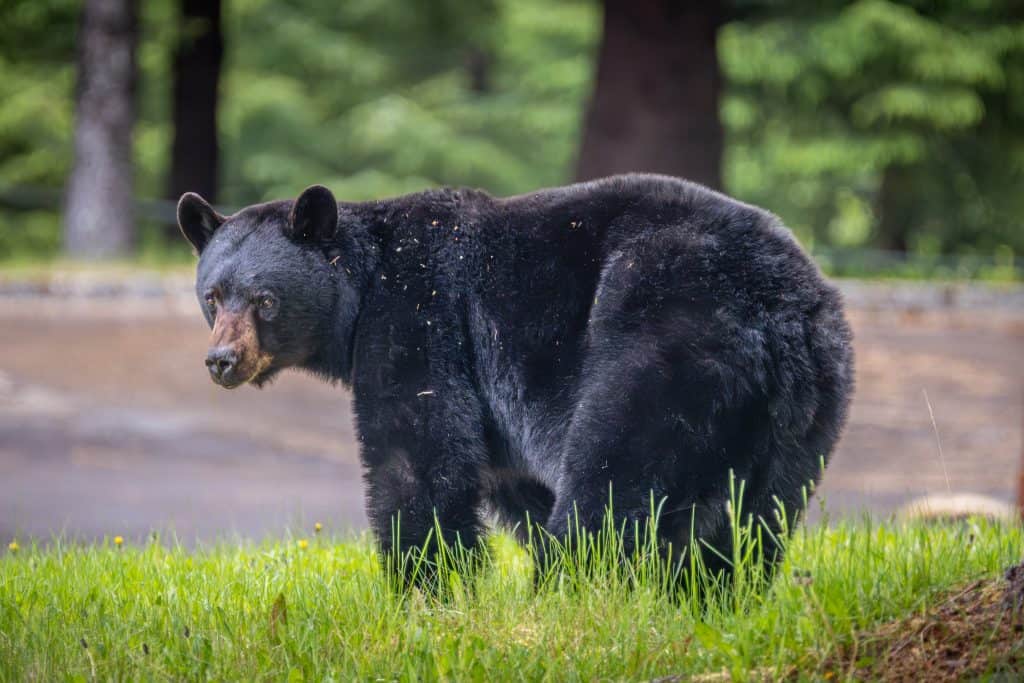
Vermont’s 2025 bear hunting season begins on September 1st, which marks the start of one of the state’s most closely managed wildlife events. The season is actually divided into two parts: the Early Season, which runs from September 1st through November 14th, and the Late Season, which is brief and runs from November 15th through November 23rd.
This gives hunters nearly three months of opportunity to harvest a black bear under the Vermont Fish & Wildlife Department’s (VFWD) regulations. Let’s go over the regulations in more detail to ensure your success should you choose to participate this year.
Understanding Vermont’s Bear Hunting Regulations
©ElviK/iStock via Getty Images
A new rule for 2025 prohibits the sale of bear paws or internal organs, reinforcing the department’s commitment to responsible and ethical hunting practices. Vermont’s bag limit remains set at one bear per calendar year, and baiting them is strictly prohibited. For those using hounds, there are specific dog permit requirements, and nonresident hunters must wait until September 15th to begin hunting with dogs.
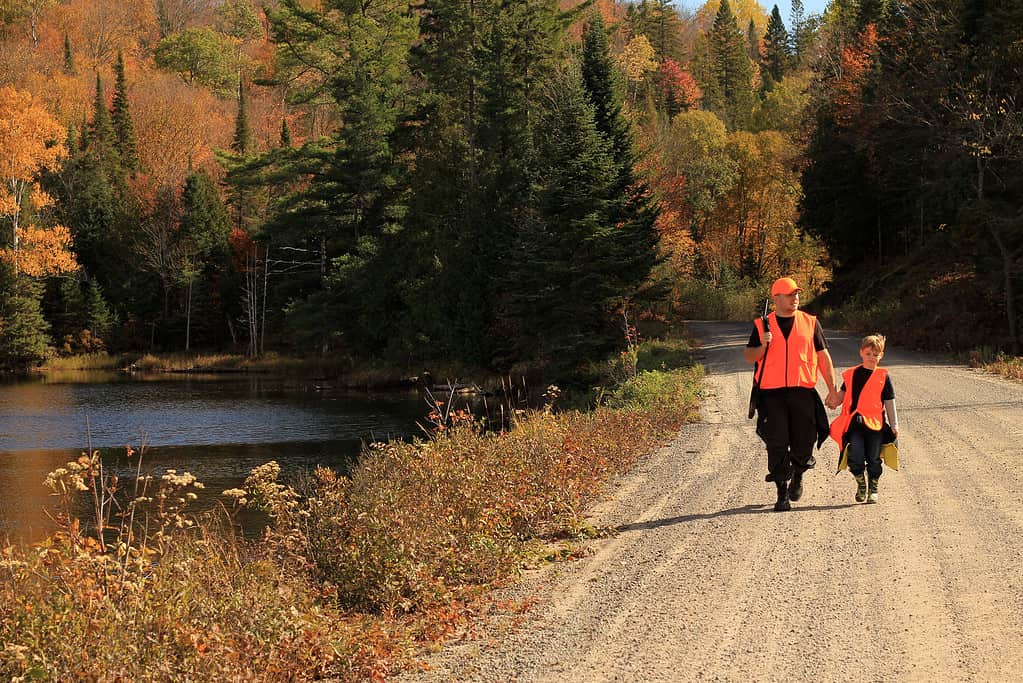
Additionally, hunters may use legal firearms or archery methods, but they must always comply with Vermont’s equipment and safety laws. Once a bear is taken, it must be tagged immediately, with the tag displayed on the carcass in a clear location.
Reporting to the State After Hunting
©Suzan Johnson/iStock via Getty Images
All successful hunters are required to report their harvest within 48 hours to an official reporting station or game warden, so be aware of this should you head out to hunt this season. Additionally, Vermont requires a submission of a premolar tooth within 30 days of harvest. This helps biologists monitor the health and age of the state’s bear population so that sustainable hunting can continue.
A new rule for 2025 prohibits the sale of bear paws or internal organs, reinforcing the department’s commitment to responsible and ethical hunting practices. The sustainability of the species is vital to the state of Vermont, hence the addition of new rules.
Insights from Vermont’s Wildlife Officials
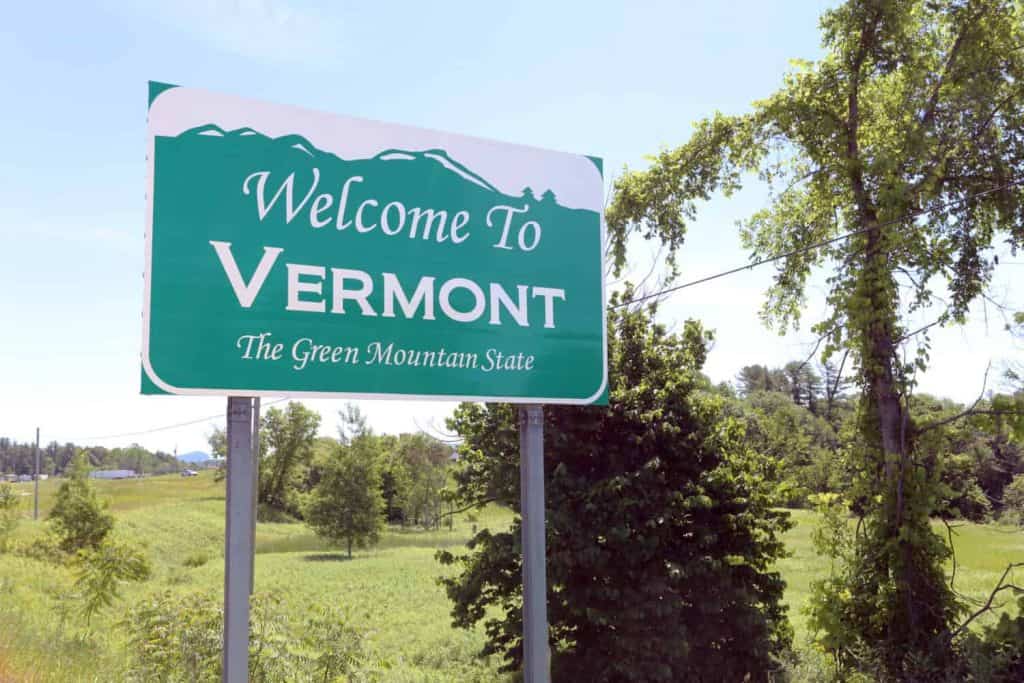
©Katherine Welles/Shutterstock.com
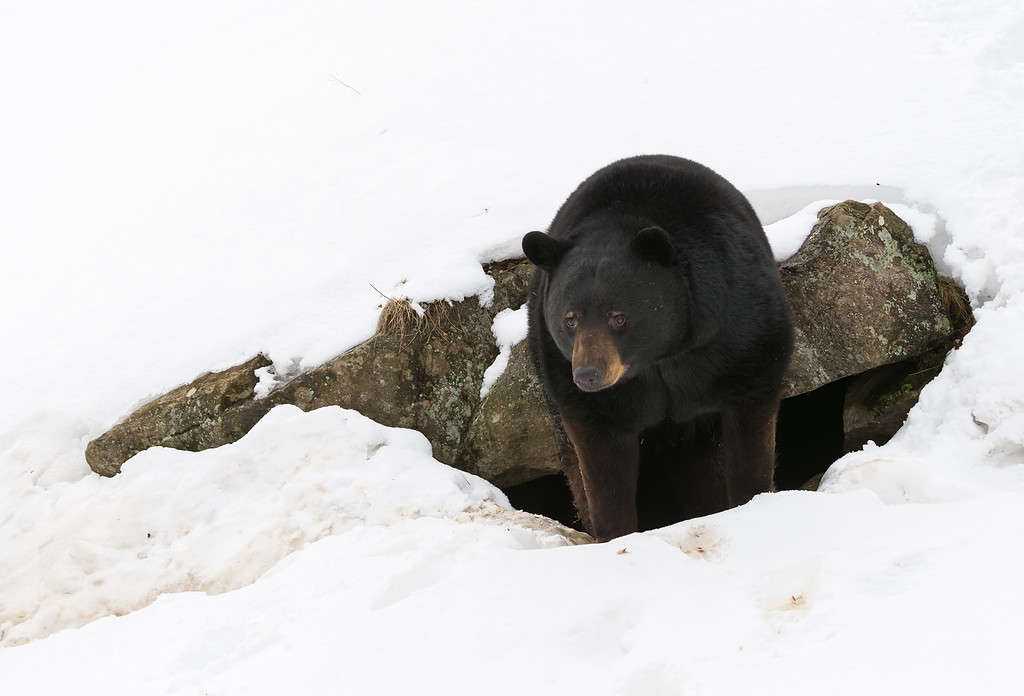
According to VFWD black bear biologist Jaclyn Comeau, the fall season aligns with the natural behavior of bears fattening up before hibernation. “This time of year, bears are feeding on beech nuts, acorns, apples, and berries,” Comeau explains. “They move across a wide range of habitats, so hunters need to scout those transitional areas carefully.”
She also mentioned that the agency’s entire goal is to balance hunter opportunity with ecological sustainability, as previously stated. Vermont’s black bear population has remained healthy in recent years, estimated above the department’s long-term target range. The extended season structure allows managers to maintain this balance while still giving hunters meaningful opportunities, making Vermont’s black bear hunting season a fantastic opportunity for all.
What Hunters Should Know Before Heading Out
©© Getty Images/Stockbyte via Getty Images
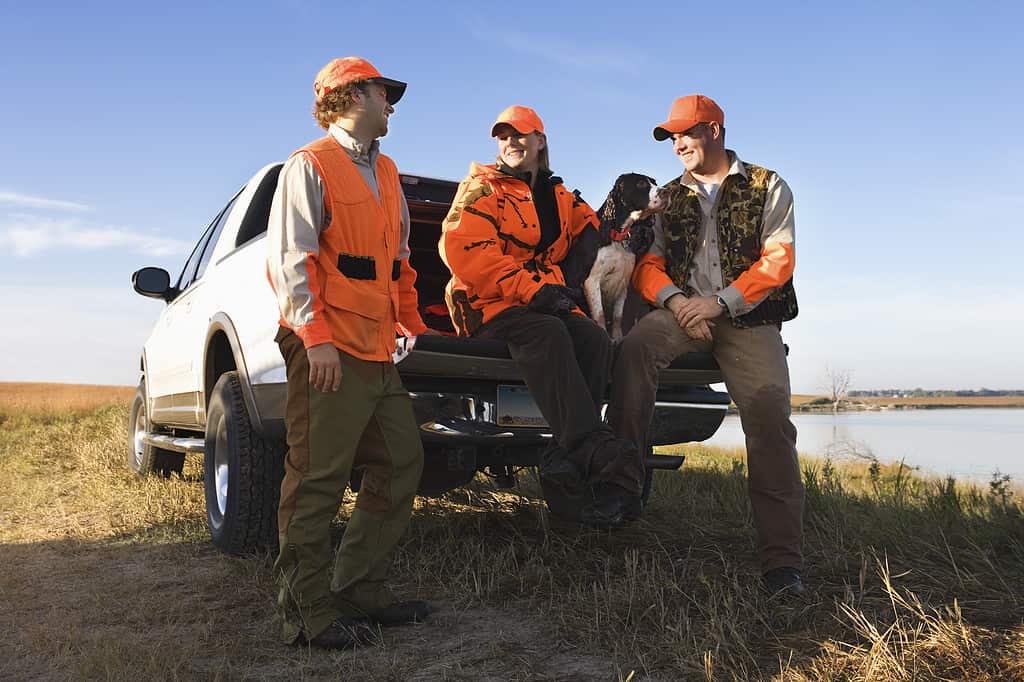
In addition to understanding the legal and safety requirements, there are other important details about black bear hunting in Vermont you should know. Vermont’s hunting hours extend from a half hour before sunrise to a half hour after sunset, so keep this in mind as you plan your outings.
Hunters are also encouraged to familiarize themselves with the latest state updates before the season begins, as specific regional restrictions or reporting procedures may change. The early-season tag remains affordable at just a few dollars for residents and slightly higher for nonresidents. It can be purchased alongside a regular hunting license as well.
Ultimately, the VFWD emphasizes ethical hunting practices, including avoiding shooting bears with cubs, respecting private landowner permissions, and always following tagging and reporting requirements. So long as you follow the rules and regulations, Vermont’s black bear hunting season can be a success for first-time hunters and pros.
Enjoy Black Bear Hunting Season in Vermont
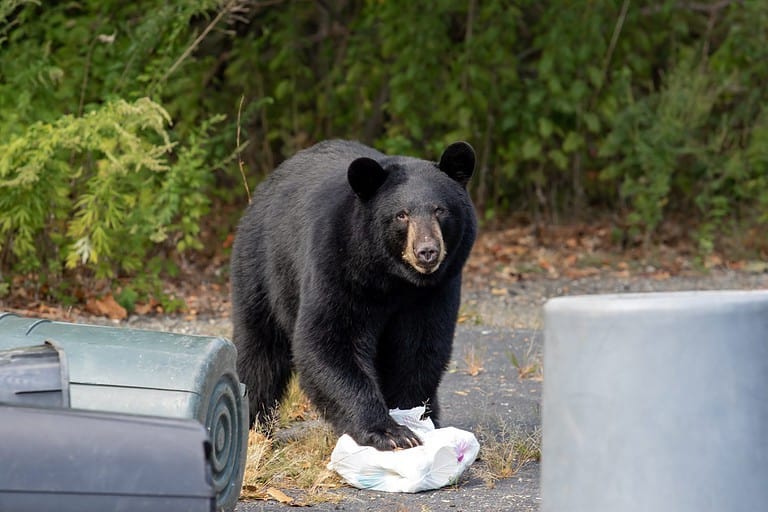
©Christopher MacDonald/Shutterstock.com
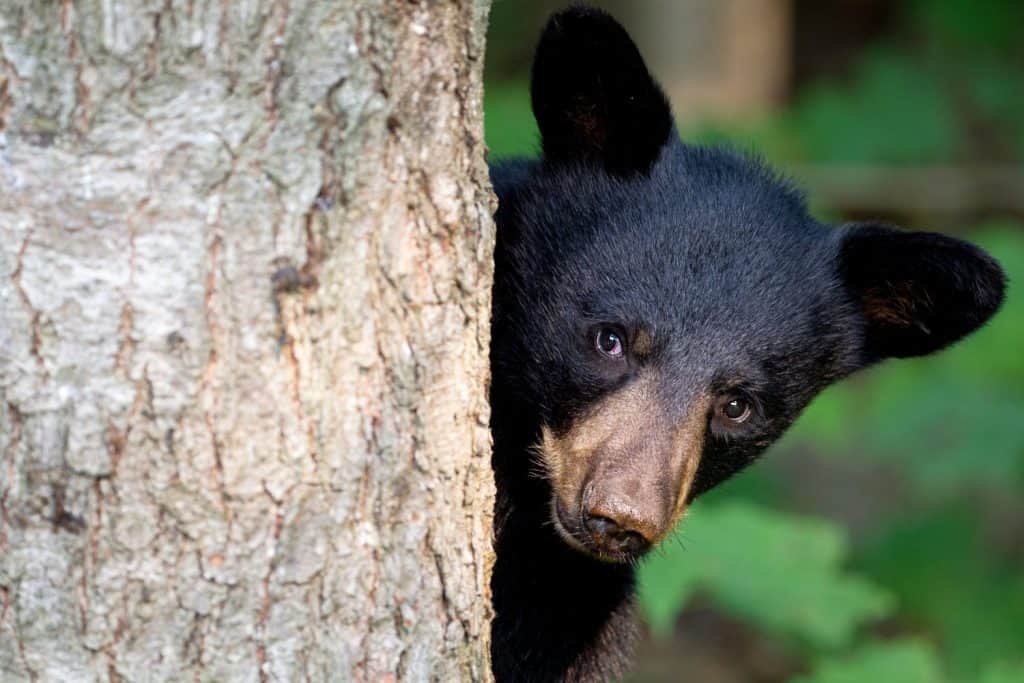
Bear hunting in Vermont offers both a challenge and a chance to participate in the state’s long-standing wildlife management traditions. With the state’s clear rules, sustainable limits, and continued collaboration between hunters and biologists, Vermont’s 2025 season aims to protect the black bear population while still honoring responsible hunting. Enjoy the season, and stay safe!