Quick Take
- A small cut in decibels could shrink the noise zone tenfold. How? See the 90-decibel case →
- One New Year's Day, a hiking trail in Europe became a mystery scene for experts. Read the Bulgaria incident →
- Why would the government hesitate on a quieter limit that another country already adopted? See government's hesitation →
- Even the RSPCA isn't fully aligned on how far the cuts should go. Check RSPCA's position →
If you’ve never been to the United Kingdom on Guy Fawkes Day, you might be surprised by the number of fireworks. Even in small, densely populated towns, the explosions dominate holiday evenings. This celebratory tendency, however, has consequences beyond destroying property. Recently, campaigners asked the U.K. government to cut the maximum noise level of publicly sold fireworks from 120 to 90 decibels. This may seem like splitting hairs, but there’s data to back up this proposal, and very real consequences for wild birds.
Indeed, the Center for Wild Animal Welfare (CWAW) says that lowering the firework sound limit to 90 decibels would protect millions of wild animals. Fireworks, by design, disturb the environment. Groups like CWAW say that lowering the maximum sound limit of fireworks, even by one-quarter, would help prevent acute stress, fear, and other effects on wild animals. This initiative, brought to the U.K. Government, follows a growing pattern of reappraisal in other Commonwealth countries. Supporters of the firework decibel reduction point to tragic incidents involving wild birds and fireworks, which could be avoided in the future if animal welfare remains a legislative priority. Let’s learn more about this call to action, what catalyzed it, and the series of events that might make it a reality.
Call to Action

The UK Parliament has considered lowering the maximum noise level of fireworks by ten decibels. Conservation and animal welfare groups say this isn’t enough.
©Ruoshi Cao/Shutterstock.com
Fireworks sit on the chopping block. However, disagreements continue over just how much their explosive power should be tempered, and why. At the beginning of the year, concerns over firework noise and access made their way into a parliamentary debate. The debate followed two petitions that each received over 180,000 signatures. The government consulted on these proposals to lower the maximum noise level of fireworks from 120 decibels to 110 decibels. This would effectively halve the average firework’s loudness.
Speaking to the Guardian, Harriet Main, a public affairs manager for the U.K.’s largest animal welfare charity, the RSPCA, expressed satisfaction. She said, “For too long, pets, wildlife, and livestock have suffered from stress, fright and severe injury caused by loud unregulated back-yard DIY displays.”
Some agreed with this proposal, but others thought it ineffective. CWAW, for example, said that lowering maximum noise by 10 decibels was too little. Instead, it proposed limits lowered to 90 decibels, a level that would better protect wild animals from acute stress, injury, and even death via collision.
Also speaking to the Guardian, CWAW’s director Richard Parr said, “Sound travels, and a loud firework can penetrate surprisingly far – up to 10km. Because decibels work on a [logarithmic] scale, each 10-decibel cut to the limit reduces the area affected by the noise by 10 times.”
Parr went on to explain that while people are well aware of how negatively pets are affected by loud fireworks, far too few people realize the disastrous effects they can have on wildlife.
Troubling Events
A growing body of research backs up the claims of groups like the Center for Wild Animal Welfare. Numerous studies have found that fireworks harm birds in a variety of ways, including acute stress responses, temporary mass displacement, and fatal collisions. An incident in Europe on New Year’s Day 2025 affirms these findings. Roughly 1,000 birds turned up dead near a hiking trail in Bulgaria, less than a mile away from a firework launch site. Experts believe that the nearby noise and chaos caused the birds to panic and collide with trees and each other.
Though the RSPCA supported the parliament’s initial proposals, at least one expert at the organization agreed with CWAW’s concerns. Rebecca Machin, a wildlife expert at the RSPCA, said, “Fireworks and their debris can disturb a range of wild animals, particularly birds, causing suffering and distress. Depending on the distance from the explosive and the noise level, impacts include disrupted migration, elevated stress hormones, and hazards from leftover firework debris.”
Beyond widespread support for reducing noise and availability of fireworks, the two petitions from earlier this year proposed other regulations. The consultation also looked at adding more products to the list of fireworks banned from general sale. There is also talk of reviewing the rules governing lower-risk products, including the age limit on Christmas crackers.
Government Response
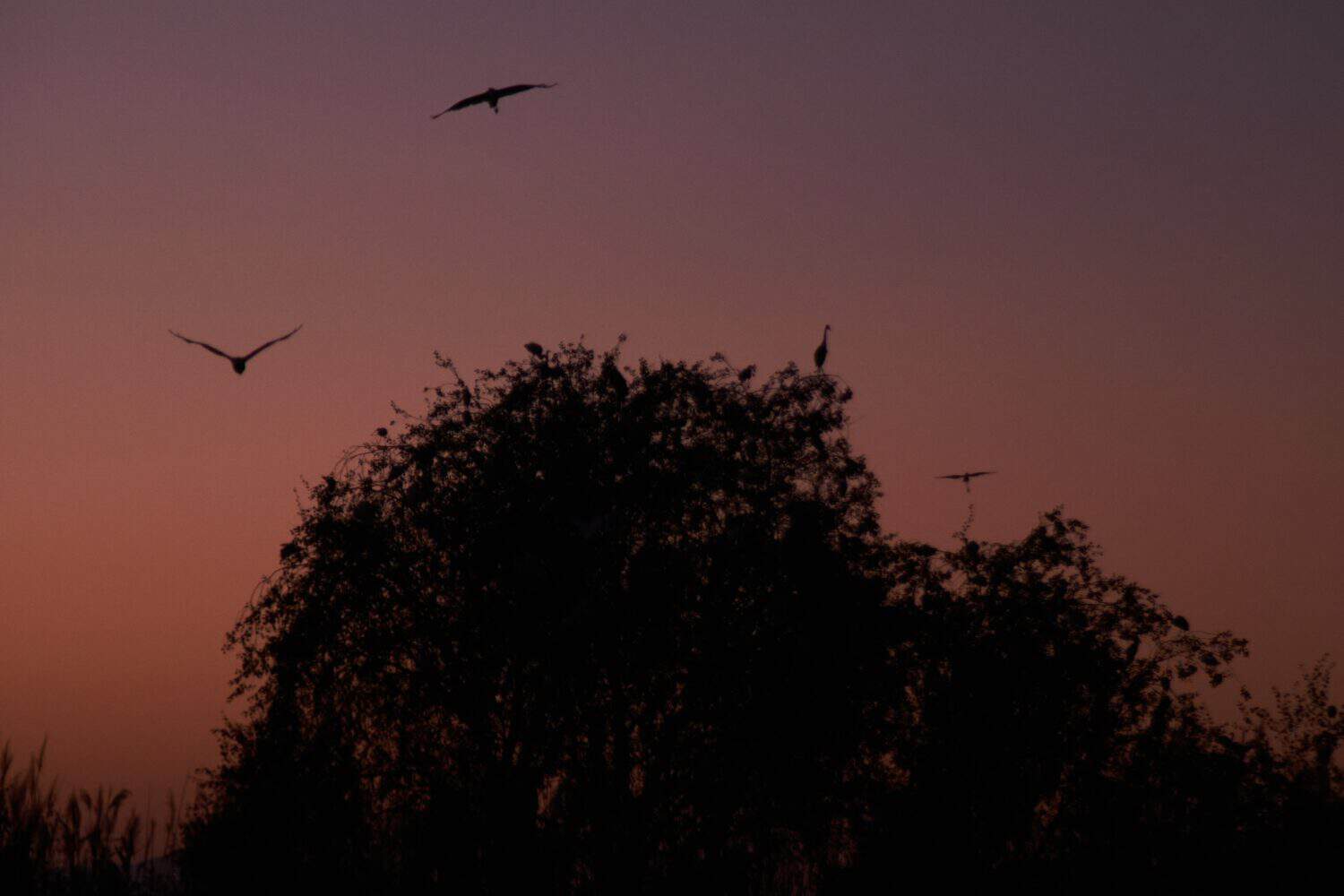
The government has yet to agree to a further noise reduction, citing concerns over gaming the noise testing system.
©FRANCESC MIQUEL DELICADO/Shutterstock.com
If the U.K. government were to drop the noise limit to 90 decibels, it would echo at least one previous Commonwealth decision. In 2008, New Zealand not only reduced its firework noise limit to 90 decibels, but it had also raised the minimum purchase age from 14 to 18 the year before.
As for the U.K. government’s response to a proposed 90-decibel noise reduction on publicly sold fireworks, disagreements linger. The government’s consultation noted concerns that people could game the noise testing system because defining the precise limit remains legislatively difficult. Furthermore, the British Fireworks Association has asked people to consider where and when they set off fireworks.
As explained by a spokesperson for the British Fireworks Association, the organization remains well aware that firework noise can disturb wildlife. However, it doesn’t believe a strong enough case has been made for the 90-decibel reduction. The spokesperson said, “Any change should be based on clear evidence of its likely benefits and take account of unintended consequences, including the risk of people turning to illegal fireworks. We favour better enforcement of existing laws, alongside a national campaign to encourage safe and considerate use of fireworks.”