
Since its founding in 1961, the WWF has made significant strides in conservation. It’s one of the largest nonprofits in the world and has protected wildlife and habitats through numerous initiatives. As climate change and human activity continue to unfold, the WWF has upheld the same promise it made nearly 70 years ago.
In 2025, the WWF saw significant traction in many of its endeavors. The nonprofit protected vulnerable species, reversed threatened statuses, and helped pass several conservation acts into law. All of these actions helped ensure the survival of many species and laid the groundwork for future generations. Fueled by volunteers, donors, and the community, these are the biggest wins for the WWF this year.
Animals and Habitats the WWF Helped Protect in 2025
This year, the WWF fought to protect several endangered species. While its goal has always been to conserve vulnerable populations, 2025 brought it success on several fronts. Around the world, initiatives and habitat protection projects help defend and preserve animals that face a brutal uphill battle.
Crucial Habitat Protection Throughout the Midwest
WWF made huge strides with its Sustainable Ranching Initiative in October. Through this initiative, the nonprofit protected 1.3 million acres of grassland. With support from the WWF, ranchers in the Northern Great Plains have access to sustainable farming support. Ranchers also receive training, which has benefited 121 privately-owned farms. To add to the success, 45,000 acres of prairie land and 500 acres of wetland were restored across Montana, South Dakota, Nebraska, and Wyoming.
Snow Leopard Populations Are Stable in Nepal
The status of snow leopards went from endangered to vulnerable in 2017, and the WWF brought more good news this year. Populations in Nepal have remained steady, with a healthy population of 397 individuals in the wild. Until now, there had been only estimates, with no definitive population numbers. This data was not only heartening but will also prove helpful for conservation efforts in the future.

Thermal cameras play a vital role in ending poaching in Kenya.
©Volodymyr Burdiak/Shutterstock.com
Poaching Has Been Drastically Reduced in Kenya
Kenya has seen significant rhino population declines due to poaching. Together with the help of Teledyne FLIR and the Kenya Wildlife Service, the WWF worked to end poaching in Kenya’s 11 reserves. This was done by using FLIR thermal cameras to observe these reserves. This created an eye-in-the-sky, and those watching the cameras could immediately hone in on suspicious activity. Poaching has been drastically reduced in many areas, and was even eradicated in several. Ol Pejeta Conservancy and Solio Game Reserve have significantly benefited from this, as they’re both home to some of Kenya’s largest rhino populations.
New Gorilla Group Successfully Rehabilitated in the Wild
Speed and goodwill were on WWF’s side in the successful rehabilitation of the lowland gorillas in the Dzanga-Sangha Protected Areas. Following the tragic news of the deaths of the area’s former silverback gorillas, the WWF snapped into action. With their help, the new group of gorillas is healthy and being led by a male named Limo. Tourists in the area can even observe the gorillas, which will help educate future generations of conservationists.
How the WWF Protected Our Oceans and Marine Life
The WWF didn’t only see success on land in 2025. There were significant wins for marine life and ocean habitats, as well. Through several legislative moves, a new treaty, and the help of volunteers, many habitats were formally protected. Even more, the WWF went several steps further, building a new sanctuary and tightening commercial fishing restrictions.
A Significant Grant for Arctic Wildlife and Habitat Protection
Saving and restoring habitats takes money, which is why grants are crucial to nonprofits. In 2024, the WWF launched the Arctic Community Wildlife Grants program, which continued to fund conservation projects in 2025. Through this program, the nonprofit takes steps to study Arctic wildlife, protect native species, and advance sustainability. This work is crucial to protect the Arctic’s already fragile ecosystem, and is a big win for future years.
Mangroves Underwent Successful Restoration
Much of the world’s mangroves are affected by climate change and deforestation. As these habitats are lost, it becomes a challenge to restore them for native wildlife. In the last four years, the WWF has worked tirelessly to protect many of them. This year, they announced that 2.4 million acres have been successfully protected. This includes land in Mexico, Madagascar, Fiji, and Colombia, which combined make up roughly 7% of the world’s mangrove forests. By doing this, hundreds of thousands of people are protected against future storms and coastal erosion.
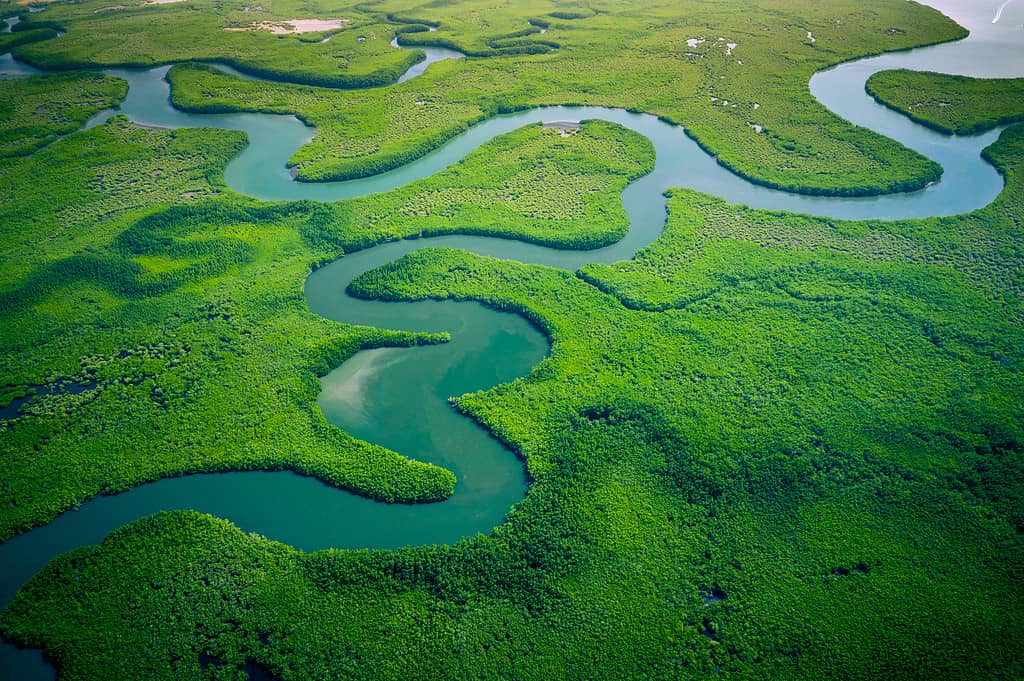
Mangrove forests are home to some of the world’s most vulnerable wildlife.
©mariusz_prusaczyk/iStock via Getty Images
The UN High Seas Treaty Was Signed Into Law
Anytime a treaty is signed into law, it plays a historic role in land and wildlife protection. This year, the WWF helped secure the High Seas Treaty. In September 2025, the treaty reached the required number of ratifications and will enter into force in January 2026. It supports the Global Biodiversity Framework’s goal for countries to protect at least 30% of the ocean by 2030. It also requires them to restore 30% of degraded marine land by 2030, which is an inspiring win for aquatic life.
Tuna Fisheries See More Restrictions
Open-sea tuna fishing has caused problems for marine life for some time now. The combination of overfishing and unintentional bycatch has opened the door to stricter laws. With help from the WWF, the Western and Central Pacific Fisheries Commission has finally adopted binding labor standards for tuna fisheries. By securing workers’ rights and establishing electronic monitoring standards, tuna fishing is slated to become a safer, more ethical practice.
Sea Turtle Conservation Has Been a Huge Win
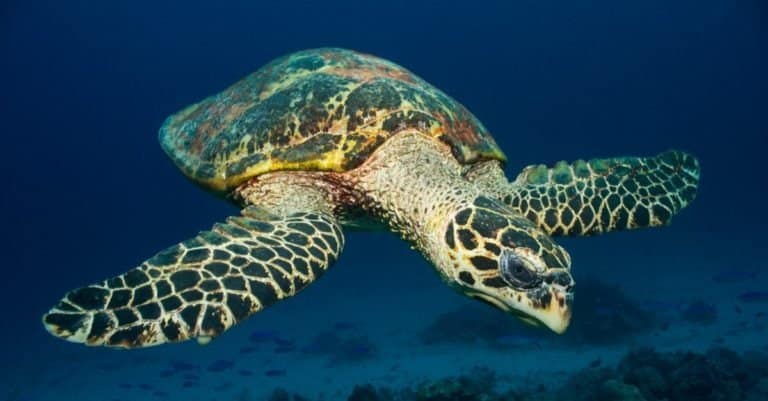
It’s no secret that sea turtles have seen extraordinary successes this year thanks to conservation efforts. The WWF celebrated a sea turtle milestone from its conservation program, run in partnership with NOAA. With the help of this conservation program, all the leatherback turtle eggs on Indonesia’s Buru Island survived. The island previously faced a population decline due to poaching, an issue the WWF has been fighting since 2017.
A New Shark Sanctuary Was Born
This year, sharks are benefiting from a new sanctuary built in Fiji. With support from the Bezos Earth Fund and Warner Bros. Discovery, the WWF helped secure 66,000 acres of aquatic habitat. These efforts support the Qoliqoli Cokovata Management Committee in protecting vulnerable species, such as hammerhead sharks and bottlenose wedgefish. In the years to come, the sanctuary will likely help reestablish many threatened shark populations.
How the WWF’s Conservation Work Helped Communities
Many people may not realize that the WWF’s work goes beyond terrestrial and marine conservation. Its efforts within communities worldwide also matter. This support provides crucial education, outreach, and funding for broad-scale conservation. In the face of so many endangered species and habitats, this community work is of the utmost importance.
Hundreds of Brands Joined the Science Based Targets Initiative
The WWF saw tremendous success with its Science Based Targets Initiative. This program recruits major corporations that evaluate their carbon footprint, regenerative efforts, and conservation management practices. As more brands join, they revise their targets to align with the WWF’s conservation efforts. This year, the initiative welcomed 23 new brands, including CVS, Cisco Systems, and Booking Holdings. In total, 360 leading food and agriculture businesses are setting new targets.
Guidelines Surrounding Beef Are Strengthened
The beef industry shows no signs of slowing down, which means its environmental impact is at an all-time high. To counteract this, the WWF worked with Better Food Future, Tapestry Foundation, Wholechain, Rever Consulting, and FAI Farms to create the Global Traceability Framework for Beef & Leather. This framework allows beef origins to be traced, providing data to limit deforestation within the industry. It will also help lower carbon footprints and hold companies accountable for their sustainability efforts and ethical practices.
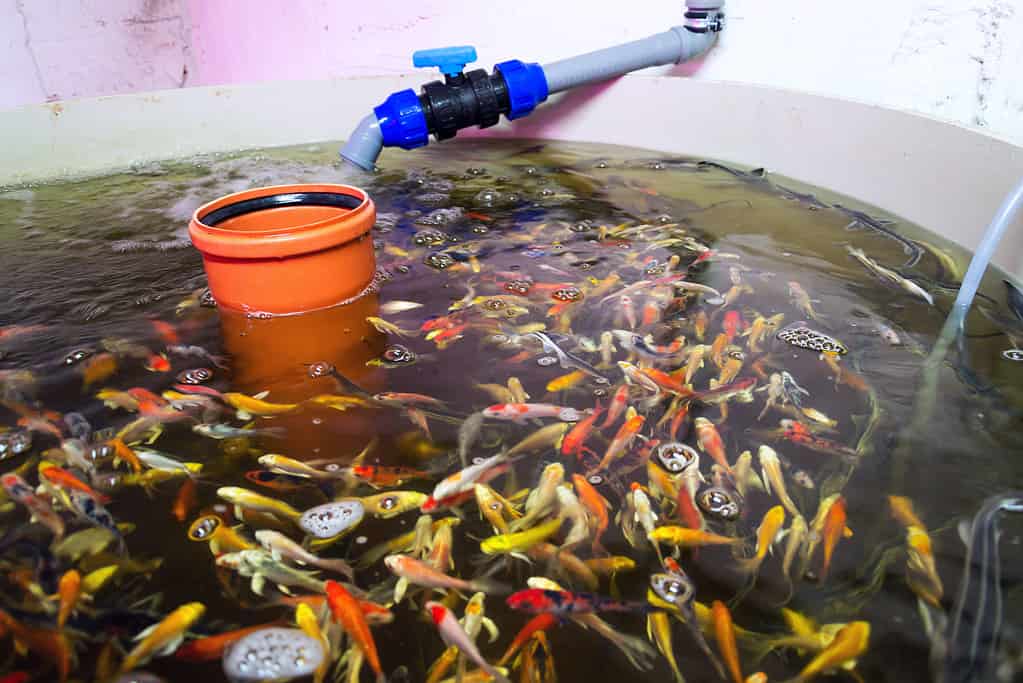
Aquaponics systems combine fish aquaculture with hydroponics, cultivating plants in water under artificial lighting.
©josefkubes/iStock via Getty Images
Aquaculture Gains Momentum
Conservation work benefits wildlife and can also benefit the people living among it. Together with the World Bank, the WWF helped create Harnessing the Waters: A Trillion-Dollar Investment Opportunity in Sustainable Aquaculture. This proposal recognizes the significant impact of aquaculture and encourages sustainable food investments. Through this initiative, it is proposed that 22 million jobs in aquaculture could be created by 2050.
The Renewable Thermal Collaborative Picks Up Speed
October marked the first global summit for the Renewable Thermal Collaborative. This program brings together corporations from across the spectrum to reduce emissions from industrial heat. The impact was tremendous, with 130 companies representing nearly $6.5 trillion in market capitalization joining the program. As the program continues, it will generate new job sectors and encourage competitive sustainability.
Focusing On the Flow of the Rio Grande
Restoring the flow of the Rio Grande has been on WWF’s radar for some time. This year, conservationists surveyed farmers in New Mexico to better understand agricultural water use. The hope is that this knowledge can be used to promote more sustainable practices along the Rio Grande. As of now, the WWF is already supporting restoration projects along the length of the river. As these efforts pay off, vital habitats will be restored, which is positive news for the river’s native wildlife.
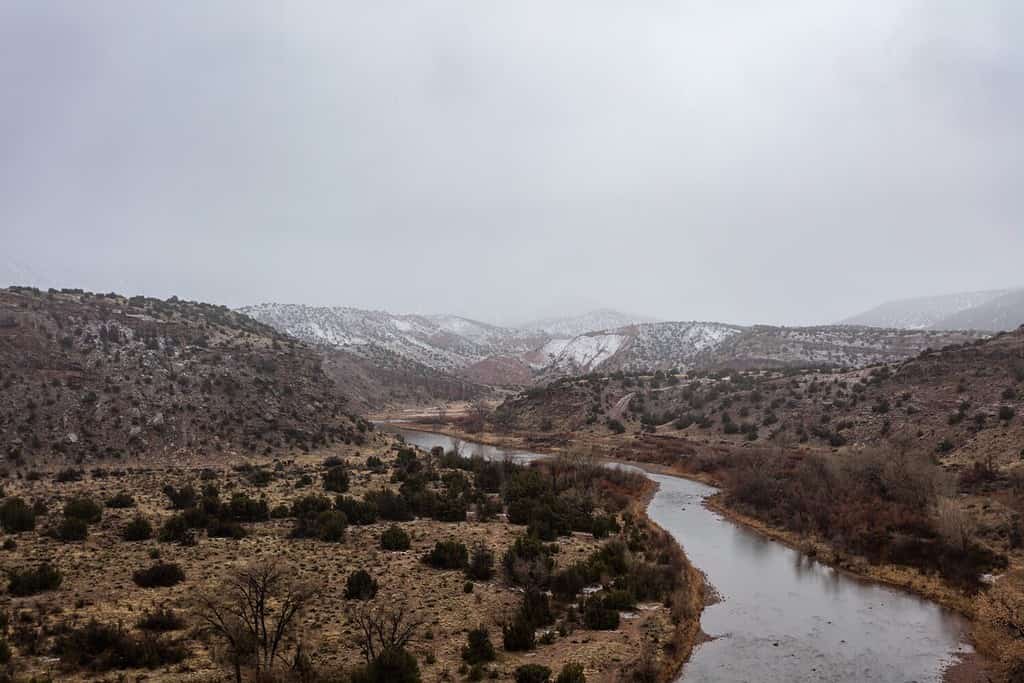
The Rio Grande is a significant focal point for the WWF as it continues to promote sustainability.
©R. Wellen Photography/Shutterstock.com
The Amazon Sees a New Initiative
The Amazon has been under threat for decades, facing devastating consequences from climate change and deforestation. While the WWF’s efforts in this region are ongoing, this year, they introduced a Project Finance for Permanence. The program reduces deforestation across 58.6 million acres of land designated for sustainable use. It also adds 7.4 million acres of protected land, helping thousands of people and native wildlife.
The Tropical Forest Forever Facility Becomes a Reality
In a partnership with Brazil, the Tropical Forest Forever Facility became a reality this year. The initiative protects forests across a range of countries, motivated by a multibillion-dollar reward for their efforts. An additional benefit of the program is its support for Indigenous Peoples and their local communities. The initiative is a win overall for both the land and those who care for it.
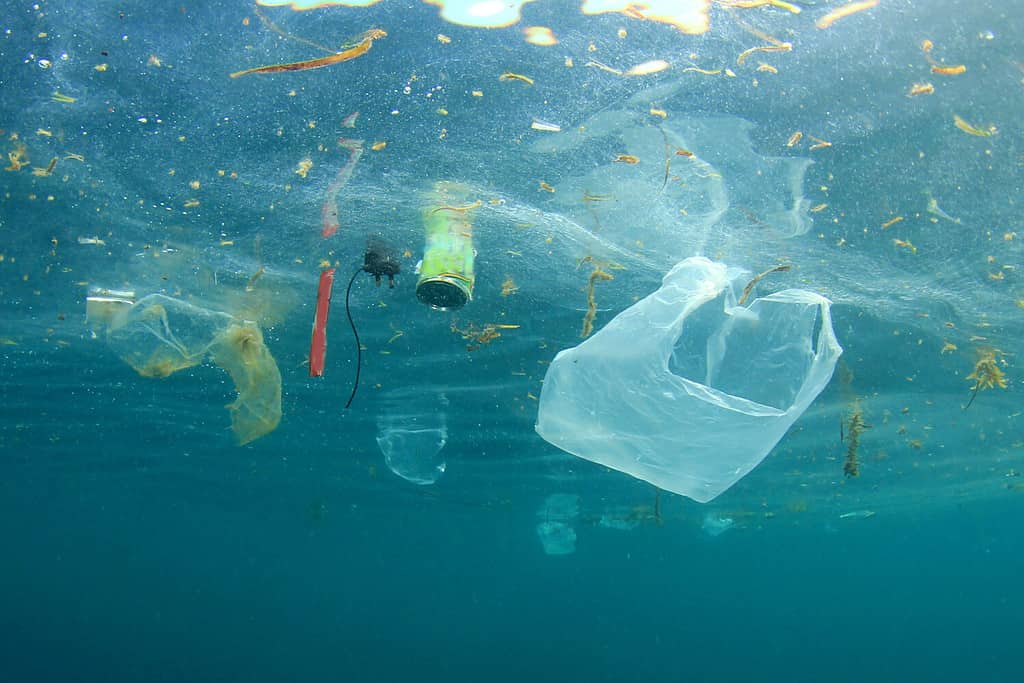
Plastic pollution affects every corner of the world, an issue the WWF encourages states to care about.
©Rich Carey/Shutterstock.com
These States Reduced Plastic Pollution
In an effort to slow down and eventually end plastic pollution, the WWF encourages states to adopt a zero-plastic policy. Maryland and Washington joined that initiative this year and enacted Extended Producer Responsibility laws. This is a crucial legislative move that places the cost of plastics on the companies that produce them rather than on taxpayers. As of 2025, seven states have adopted plastic pollution policies.
What Challenges Are the WWF Still Facing?
While 2025 has been a year of great success for the WWF, there are still challenges ahead. As the new year begins, the nonprofit has even loftier goals and asks for continued support. Volunteering is more critical than ever, and based on past decades, the WWF won’t rest until its objectives are met. Some of those for 2026 and beyond include empowering local communities, focusing on significant habitat restoration, increasing efforts to address climate change, and encouraging a nature-positive economy.
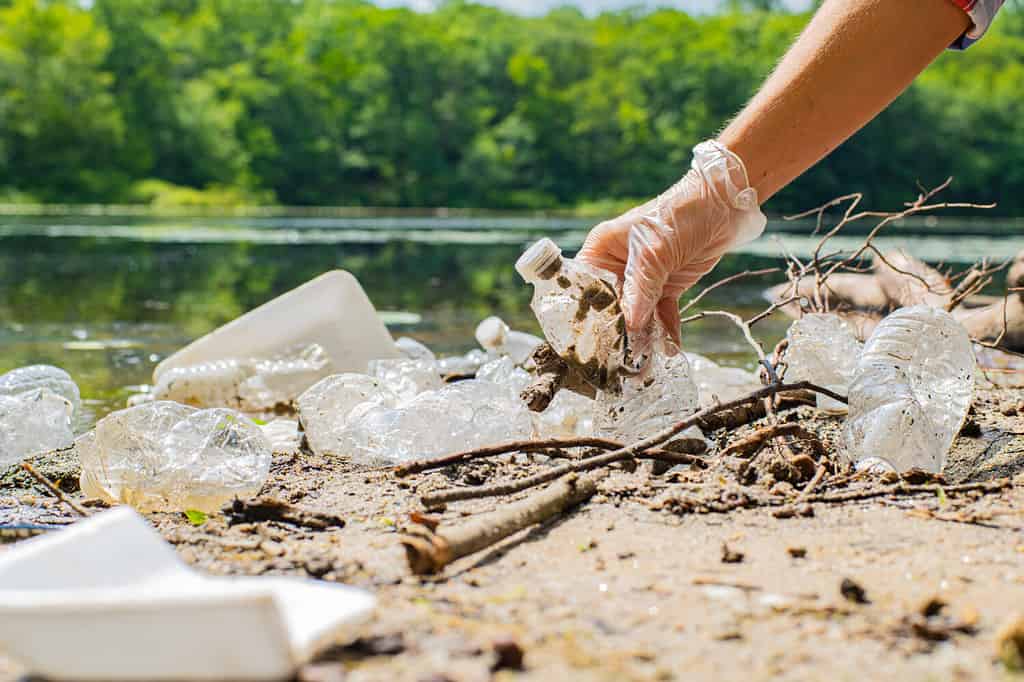
Volunteers are the foundation of the WWF.
©Dmytro Flisak/Shutterstock.com
As the WWF’s goals grow to encourage harmony between humans and nature, so do its projects. These include:
- Climate Change: Further pushing the agenda to end deforestation and protect the wilderness from fires and other preventable disasters.
- Empowering Communities: Strengthening the outreach to local communities and providing even more support and education.
- Enforcing Recent Wins: This means standing firm on new policies, laws, and treaties, such as the UN High Seas Treaty.
- Long-Term Goals: One is to achieve zero habitat loss by 2030 and reduce ecological footprints.
Why Community Matters: How Can Our Voices and Actions Drive Conservation?
The WWF’s wins of 2025 prove that conservation works. The beautiful thing about a nonprofit is that its funding comes from campaigns and volunteer efforts. Government cooperation is often a positive result, but it can’t always be relied upon. This is why it’s crucial, now more than ever, that more people are involved in protecting the world we live in.
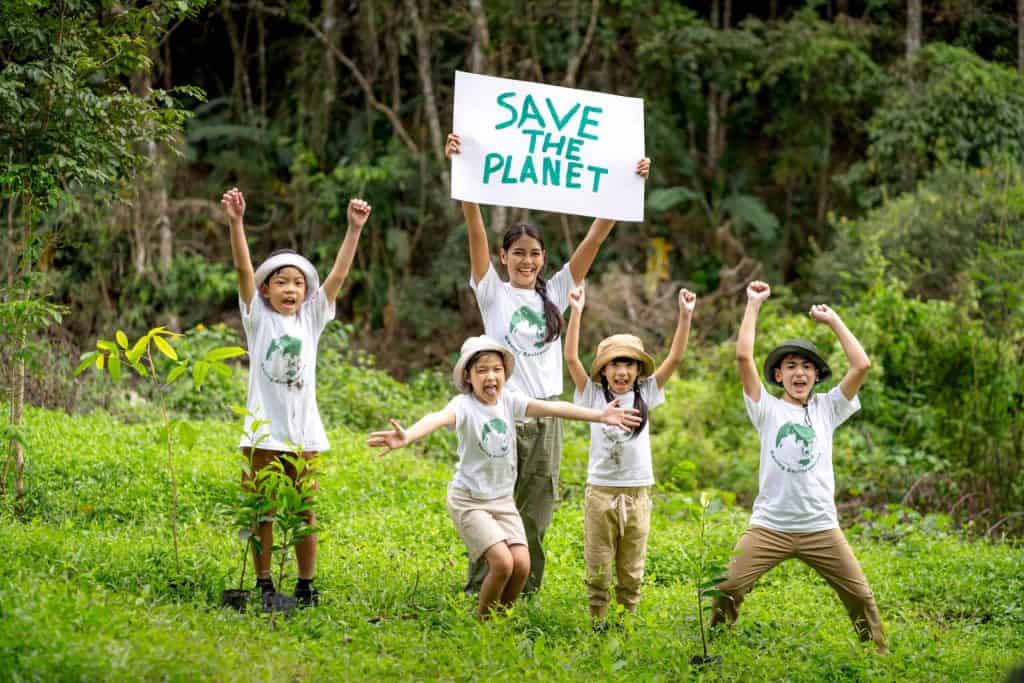
There are many opportunities to work with the WWF, and some don’t cost a thing.
©Tapui/Shutterstock.com
The efforts of one volunteer can create a ripple effect that can span the world. The WWF’s goals, such as reducing plastic pollution and restoring vital rhino habitats, begin with a foundation of activism. The more people talk about these issues, the more others will be willing to donate, volunteer, and educate those around them. This cycle of environmentalism helps nonprofits like the WWF continue to protect vulnerable species, marine life, and fragile ecosystems. The good news? It doesn’t cost a penny to get involved.
- Donate: If you have the means, you can donate to the WWF or make a philanthropic gift.
- Volunteer: Showing up is equally important and makes the greatest impact. You can join an event, get involved in a project, or fundraise for wildlife.
- Get Active: You can help the WWF in more unique ways, such as climbing for a purpose.
- Ocean Education: Join the new initiative to reduce the ocean’s noise pollution.
- Make an Impact: Learn how to help the WWF from your own backyard, with what’s available to you.
- Open Call: Check for volunteer opportunities near you.
With 89 locally run offices worldwide, the WWF is accessible to nearly everyone. As we enter 2026, remember: “Working to sustain the natural world for the benefit of people and nature” ensures a future for all of us.