
Quick Take
- Hunters noticed something strange happening in the Alaskan wilderness long before any scientist did, and the data has finally caught up with what they observed. See what the data revealed →
- One highly desirable food source may be quietly reshaping which bear species controls Southeast Alaska's coastline. Explore the salmon connection →
- Scientists found a clever way to track shifting bear populations without ever setting foot in the remote wilderness to count them. See how populations were tracked →
- Black bear populations are changing in a way that has nothing to do with how many black bears are being hunted. View the black bear trend →
The coast of Southeast Alaska has more than its fair share of bears! Both brown bears and black bears live here and are harvested as game species in the region. Recently, anecdotal reports from hunters and professional guides have indicated that brown bears are becoming more abundant in areas historically dominated by black bears. But is there data to support this observation? We share a study of spatio-temporal mortality data from 1995 to 2022 that backs up the hunters’ claims. This study also shows how useful spatio-temporal mortality data can be when measuring species distribution.
Brown and Black Bears in Alaska
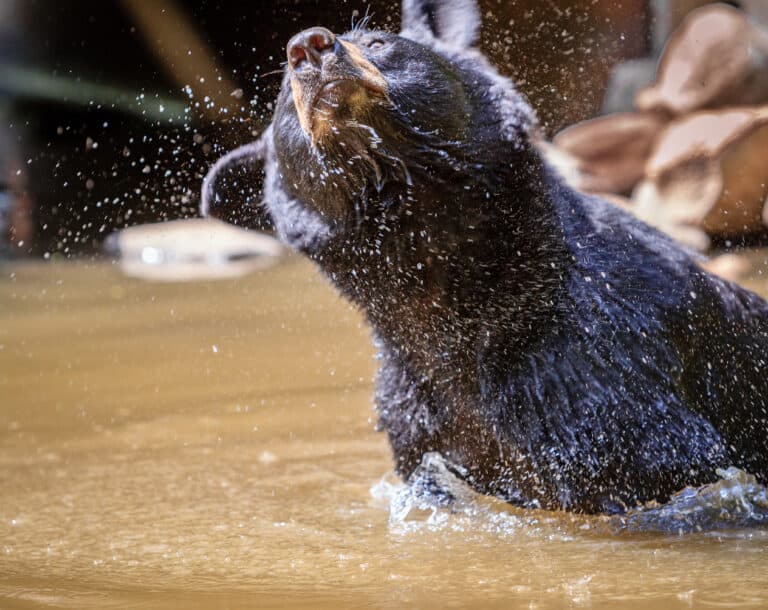
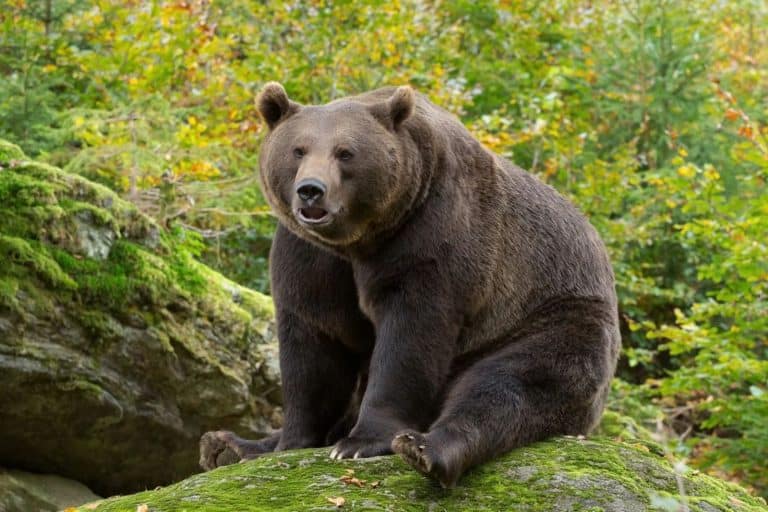
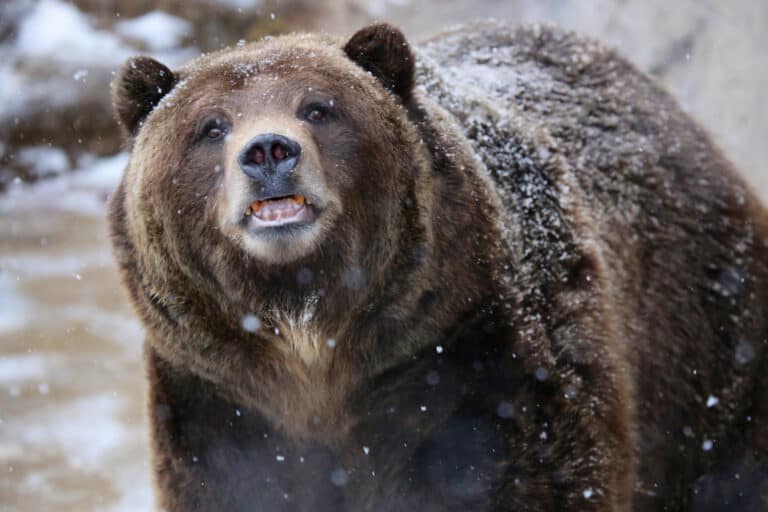
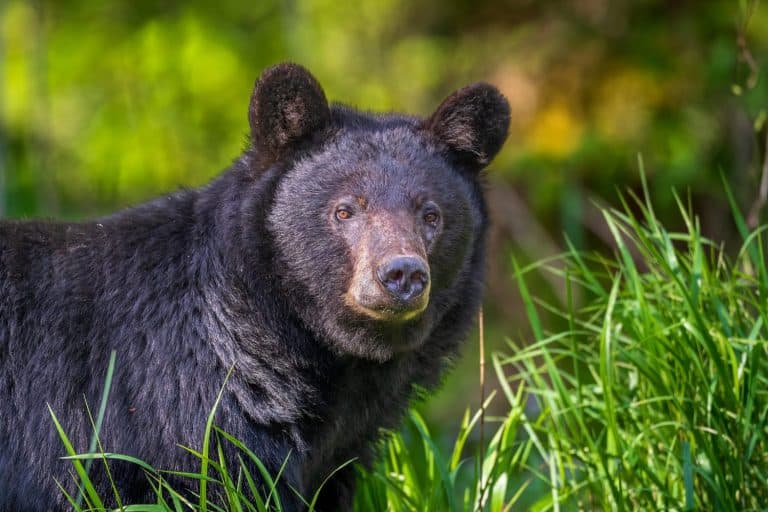
Brown bears (Ursus arctos) and American black bears (Ursus americanus) are both large omnivorous mammals living in habitats in Southeast Alaska. They occupy similar ecological niches and compete for broadly the same food. As omnivores, they eat both plants and other animals. That said, brown bears tend to be larger than black bears and dominate them when it comes to competition for resources. Brown bears often drive the black bears from habitats, making them move closer to areas where humans have settled. As a result, the landscape is naturally partitioned into brown and black bear territories.
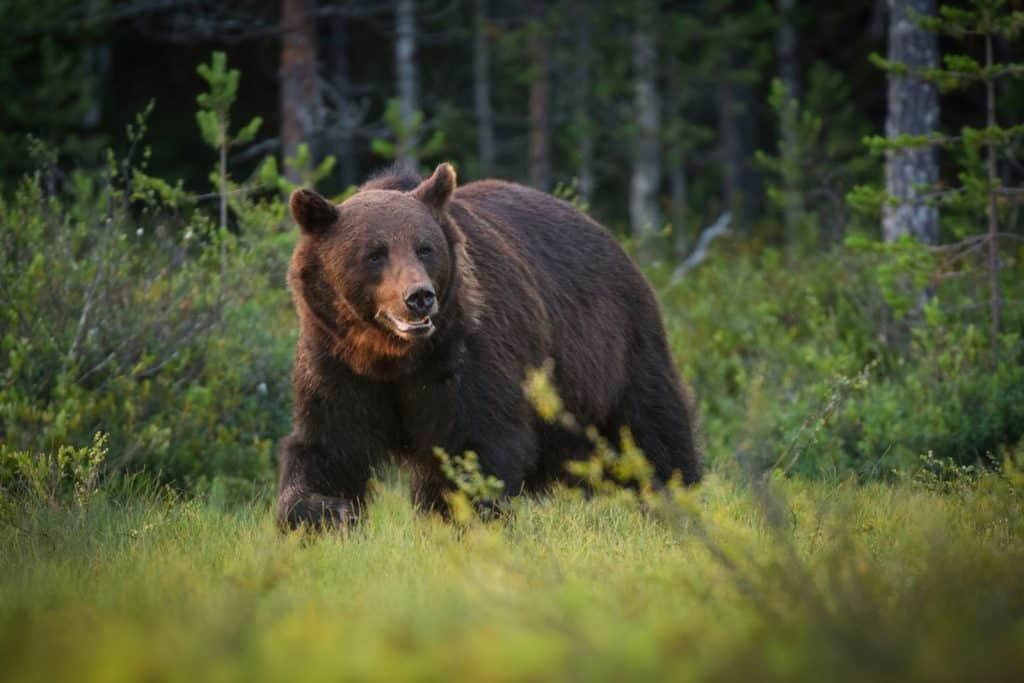
American black bears are not as dominant as brown bears.
©iStock.com/Piotr Krzeslak
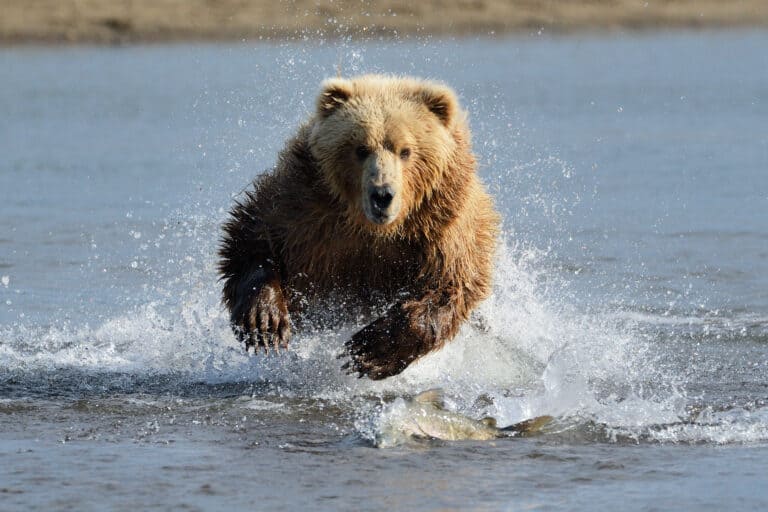
In the coastal areas of Southeast Alaska, this division is especially pronounced thanks to the presence of a highly desirable food source – salmon! Brown bears get the larger share of salmon, and many become experts at fishing. As the dominant bear species, they feast on this highly nutritious food source while the black bears rely more heavily on plants and fruits. In areas where there are no brown bears, salmon makes up a larger share of the black bear diet, indicating that the black bear diet is partly shaped by brown bear presence.
Bear Hunting and Monitoring
Recording the size of wildlife populations in remote landscapes is not exactly easy! Conducting surveys in such environments is fraught with challenges. So, this study cleverly used data that was already available. The study area was the northern portion of the southeast Alaska mainland, covering around 12,360 square miles. The area is made up of temperate rainforest, woody herbaceous shrublands, and high alpine areas with barren rock and ice. There is a strong population of bears here because they are effectively trapped by the ocean, glaciers, and rugged mountainous terrain. Most harvesting takes place near the coast as the bears gather here to eat the salmon and graminoids (a type of herbaceous plant).
In this area, the bears are legally harvested within a system requiring permits and licenses. Mainland brown bear hunting takes place in the fall (September 15 to December 31) and spring (March 15 to May 31). Black bear hunting is managed through harvest tickets during a season that extends from September 1 to June 30. There are strict limits on which bears can be harvested and how often
How Was the Bear Data Recorded?
In this area, there is mandatory reporting and sealing of samples after successful bear hunts. Data on the bear’s sex and skull size, along with tissue samples and teeth are collected from the hide and skull by Alaska Department of Fish and Game personnel. Bear managers combine this data with other mortality data, including sex-specific harvest and harvest sex ratios to monitor the status of brown and black bear populations.
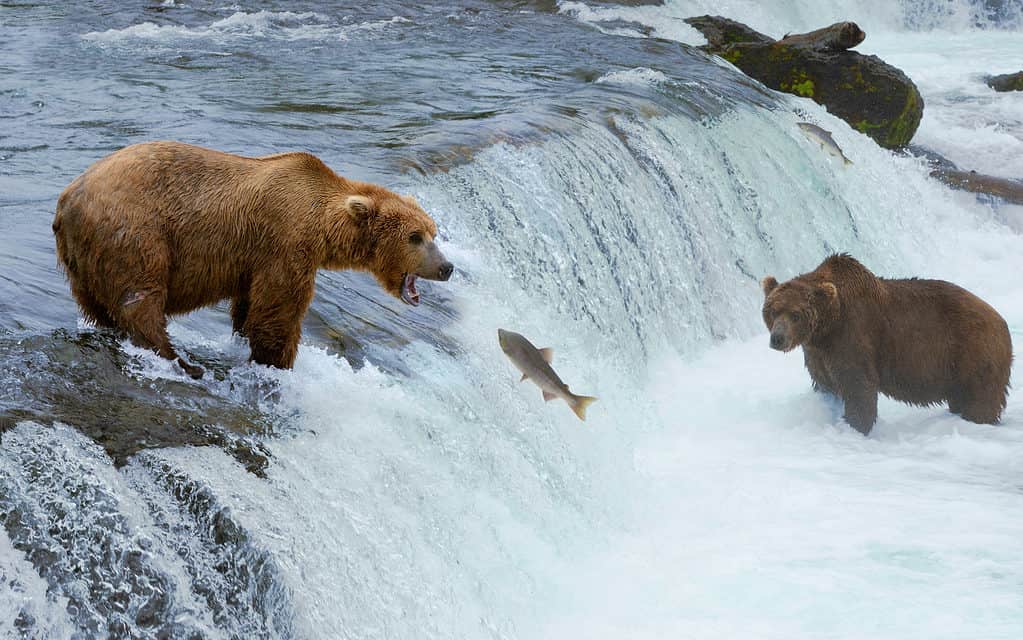
Some bears are experts at catching fish.
©Michal_K/Shutterstock.com
This study collated mortality data from harvested bears. They also collected data on non-harvest deaths, which included vehicle collisions and natural causes. Where available, the bears’ age was estimated from their premolar teeth. Each death also had a location recorded using latitude and longitude coordinates.
The data were entered into statistical models to estimate the trends in bear population abundance over time between 1995 and 2022. Importantly, these models also included a variable for ‘hunter effort’. This was the number of days taken to harvest a bear using records from successful hunters collected during mandatory harvest sealing. It also included a variable for ‘hunter success’, which was the number of hunt successes divided by the total number of hunts.
Are Brown Bears Taking Over Black Bear Areas?
This study’s analysis showed that there was an increase in brown bear hunter success on the central mainland coast of Southeast Alaska. At the same time, there was a decrease in hunter effort needed to catch a brown bear. There was an increasing trend in harvest numbers over time, and the population estimate was stable. For black bears, the hunter success rates were generally stable; hunting efficiency increased, but the overall population was declining.
Looking at the spatial data, brown bear harvest locations clustered around black bear harvest sites. This means that brown bears are shifting towards the southeast. In these areas, there are increasing brown bear abundance relative to black bear availability.
Why Is This Happening and Why Does It Matter?
The reasons for the change in distribution are multifactorial. When bear densities are high, their dispersal distances are low. A lot of bears competing for resources could make it more likely that hunters will come across them. Also, larger and dominant bears are more likely to be guarding fish resources close to the shoreline. There are also increasing numbers of salmon due to local enhancement projects. However, further research is needed to establish exactly what is causing the change.
The population abundance estimates provided by this study offer a reliable way to monitor bear numbers over time as well as their spatial distribution. This improved understanding of species dynamics can inform management decisions. It also reveals how harvesting impacts population growth and indicates if strategies are needed for species conservation.