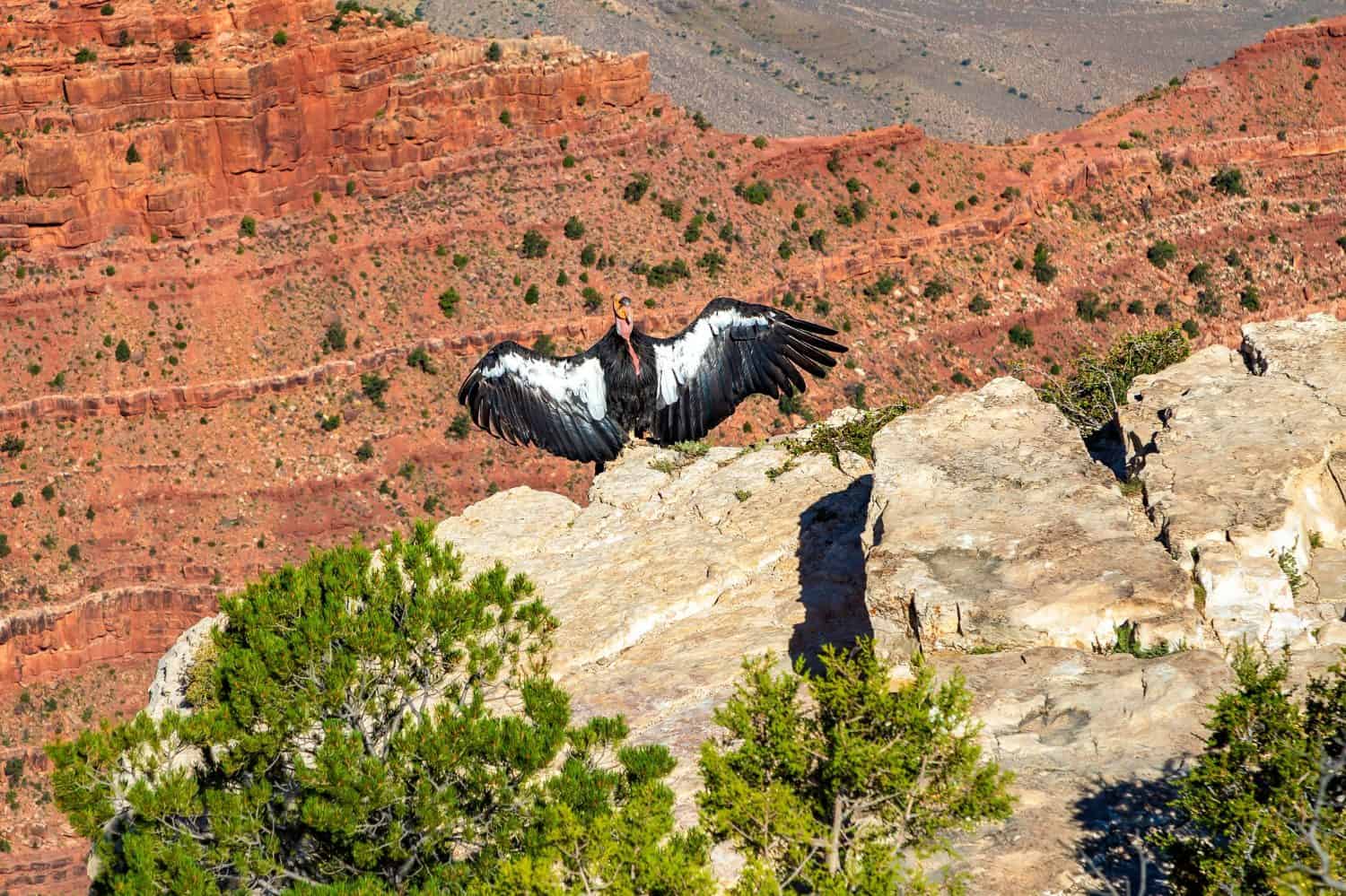

Quick Take
- These birds can soar for miles without a single wingbeat, yet their physical design comes with a costly trade-off that shapes their entire survival strategy. Soaring and its trade-offs →
- The California condor went extinct in the wild on purpose, and this was the most controversial conservation decision of its time. The controversial 1987 decision →
- Lead poisoning is the condor's biggest killer, and the fix involves convincing a group you'd never expect to be conservationists. Lead reduction efforts →
Not many creatures have come back from the brink of extinction to live another day quite like the California condor. This mighty, majestic bird became extinct in the wild in 1987 after all remaining individuals were captured. Since then, however, persistent captive breeding programs have helped the California condor population become more stable. Now, the sizable bird of prey will be released back into the wilderness along the Arizona-Utah border.
This release was made possible by the partnership between the Arizona Game and Fish Department and other organizations. On Saturday, September 26th, four condors hatched and raised at the Oregon Zoo and the World Center for Birds of Prey in Idaho will get a chance to fly free. This event, decades in the making, will be open to the public. The four birds will be released into the Arizona-Utah flock at Vermilion Cliffs National Monument. In honor of this special day, let’s learn more about California condors. We will discuss why their numbers have sharply declined over the past few decades and how persistent, careful breeding strategies are helping them return to their former glory.
The California Condor
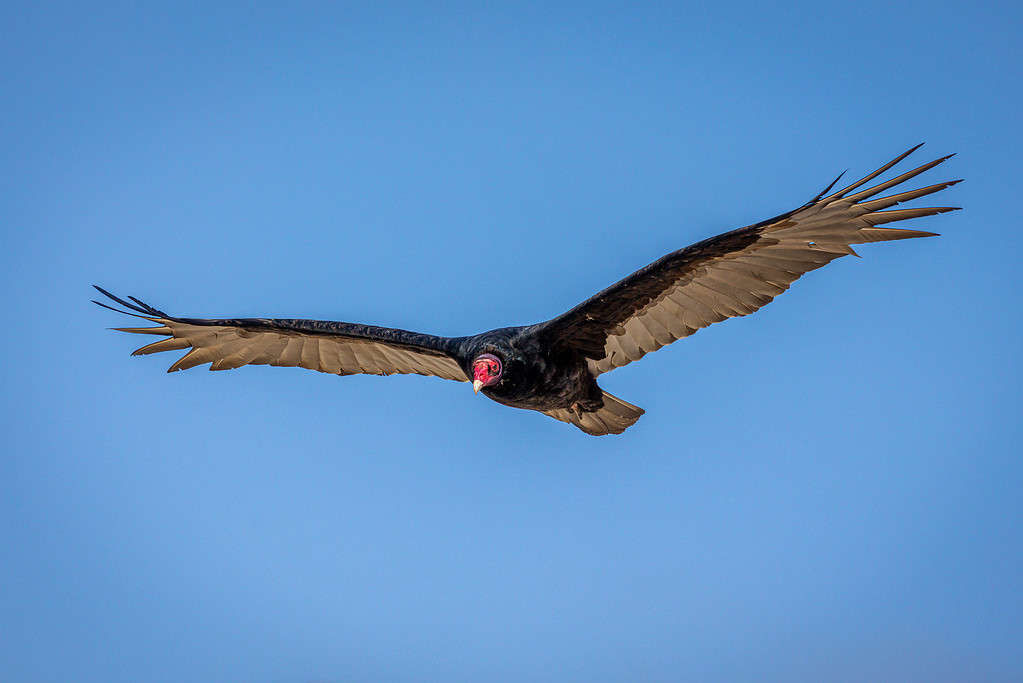
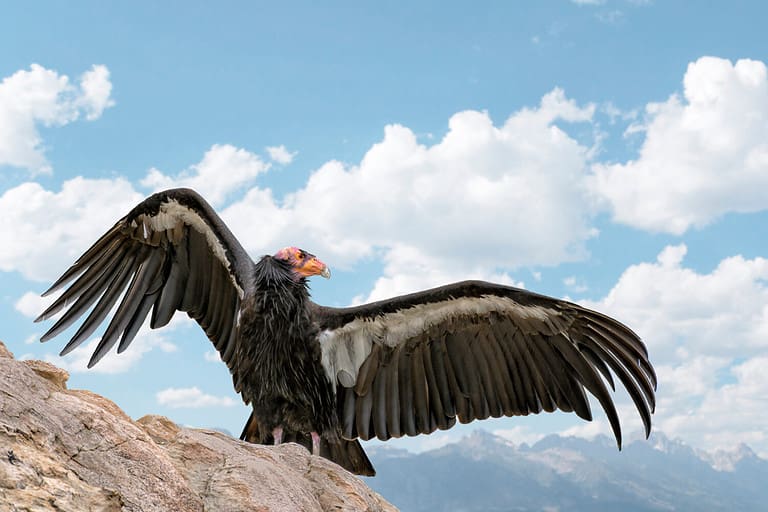
Not only is the California Condor the largest land bird in North America, it is also one of the heaviest.
©Henk Hulshof/iStock via Getty Images
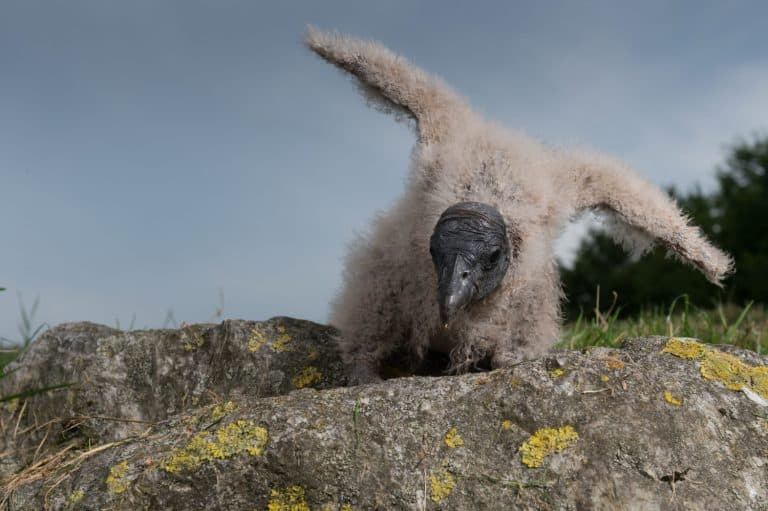
It is hard to fully appreciate the sheer size of the California condor until you see one up close. This species, Gymnogyps californianus, is unquestionably the largest land bird in North America. They have wingspans of around 9.5 feet and weigh up to 31 pounds. This also makes them one of the heaviest birds in North America. If you saw one and didn’t know any better, you might think it was an oversized vulture. That’s because California condors have black plumage with white patches on the underside of their wings, and bald, yellow-to-bright-orange heads.
These birds are obligate scavengers, which means they feed on the carrion of dead animals. They are known to feed on the bodies of smaller creatures like rabbits, squirrels, and coyotes. However, they prefer larger mammal carcasses. Lacking large sternums, California condors often fly 150 miles or more a day in search of food, primarily through soaring. Once they get off the ground, condors glide for miles across the North American landscape without a single flap of their wings. And they live for up to 60 years. In recent decades, however, that longevity has been under threat.
Extinct (In the Wild)
Once widespread across Western America, California condor numbers fell sharply in the 20th century. Habitat loss undoubtedly contributed to their decline. Perhaps their biggest threat, however, came in the form of lead poisoning from ingesting ammunition in carrion. By 1982, only 22 wild California condors remained. By 1987, the species was effectively extinct in the wild. This was partly purposeful, as an unprecedented rescue effort saw conservationists capture every remaining wild condor and establish captive breeding programs.
These breeding programs were largely successful; in 1992, conservationists reintroduced California condors across western states like California, Arizona, and Utah. The persistent and careful captive breeding program resulted in the California condor population bouncing back; the U.S. Fish & Wildlife Service estimates that 607 individuals are alive between captive facilities and free-flying flocks. Recently, the Arizona Game and Fish Department announced another release of captive condors back into the wild right on the Arizona-Utah border.
30th Annual Release
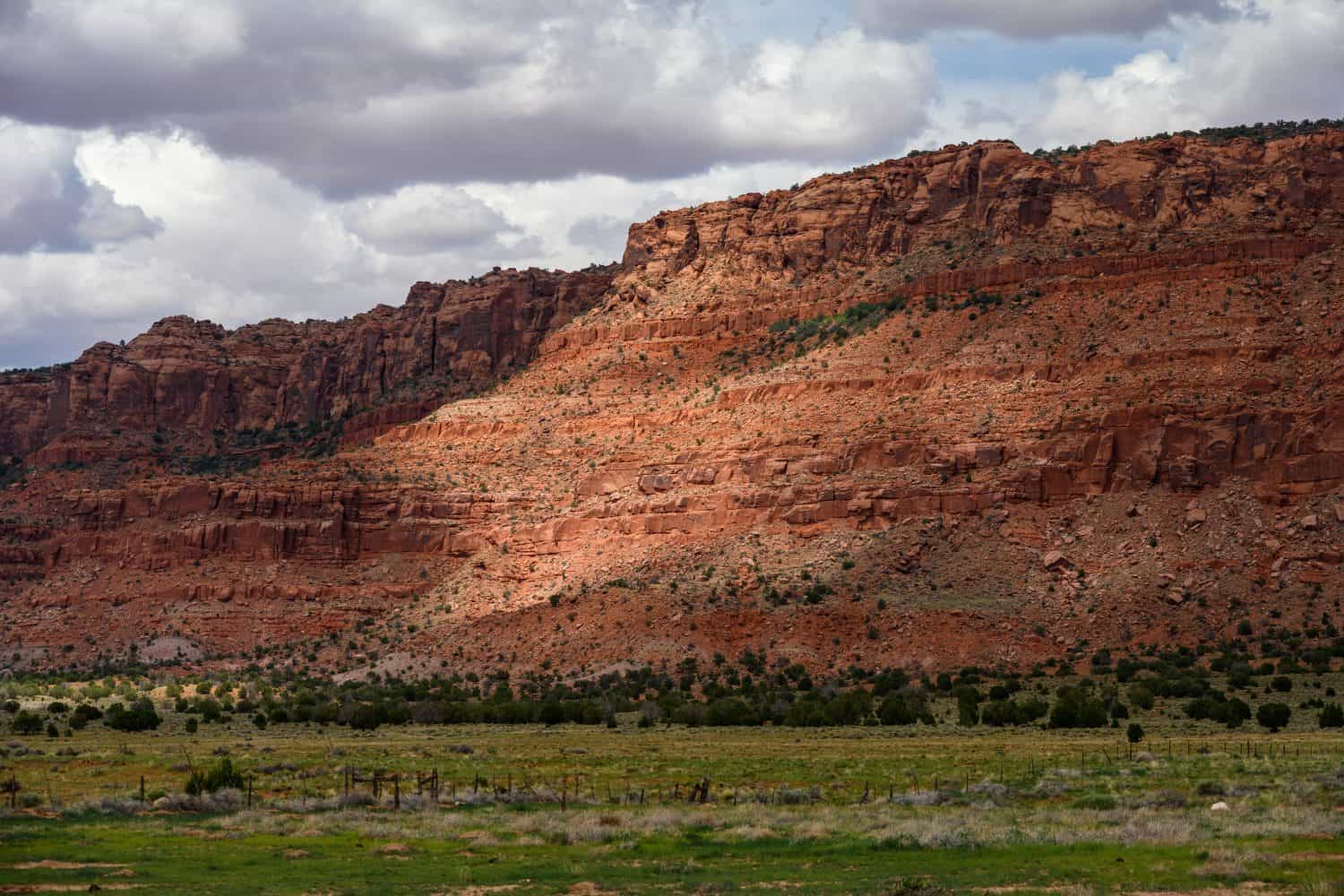
This year marks the 30th annual release of captive condors back into Vermilion Cliffs National Monument in northern Arizona.
©knelson20/Shutterstock.com
Since their first release back into the wild, the transfer of captive condors into free-flying flocks has become something of an annual event. This year’s event, organized by the Arizona Game and Fish Department, features organizations like The Peregrine Fund and the Bureau of Land Management as hosts. It marks the 30th anniversary of California condor releases at Vermilion Cliffs National Monument. This year also features the latest technology-enhanced features. These include an in-person celebration at the condor viewing site and a livestream on the Peregrine Fund’s YouTube channel.
This year, four condors will leave captivity for the first time and join their free-flying compatriots. These four condors were hatched and raised at both the Oregon Zoo and the World Center for Birds of Prey in Boise, Idaho. Since condors are primarily threatened by lead poisoning, the Arizona Game and Fish Department established a lead reduction program that provides lead-free ammunition to hunters in the area. As Erin Brown, the AZGFD lead reduction program coordinator, explained in a press statement, hunters are engaged in the process. She said, “Having hunters on board is so essential because lead poisoning is population-limiting for these birds and one of the main challenges to reaching a self-sustaining population.”
A lot has been done to bring California condors back from the brink of extinction. This has been largely successful, too. In 2015, a key milestone was reached when more condors were born in the wild than died. While there is still much work to do, release events like this one symbolize the tireless efforts of conservationists to bring the continent’s mightiest bird back to its blue skies.