
Quick Take
- Yorkies are widely marketed as hypoallergenic, but the real allergy trigger has nothing to do with their famous coat, and one of their most defining habits actually makes it significantly worse. See the real allergy trigger →
- Skipping even part of a Yorkie's grooming routine does more than make them look messy. It quietly creates a health problem that's easy to miss until it's painful. Explore the full grooming routine →
- The AKC uses one unexpected word to describe Yorkies that directly contradicts how most people picture the breed before bringing one home. See how the AKC describes Yorkies →
- A Yorkie's small size is its biggest selling point for apartment living, yet that same trait introduces a serious vulnerability most owners don't consider until it's too late. Understand the fragility risk →
The Yorkshire terrier was originally a working dog used to clear rats from the tight corners of textile mills and coal mines. Their striking, silky coats and spirited personalities soon caught the eye of the Victorian upper class, shifting their purpose from working dogs to pampered luxury pets. The Yorkshire terrier arrived in North America in 1872 and was quickly embraced by wealthy Americans in the Victorian fashion. Yorkshire terriers remain one of the most beloved and widely owned toy dog breeds in America. While Yorkies are highly popular for city living, their vibrant personalities can come with distinct challenges for unprepared owners. They often possess a stubborn streak, and their silky coats demand daily grooming. Continue reading to discover the challenges of having a Yorkshire terrier.
Are Yorkshire Terriers Barkers?
Yorkies are known for being very vocal and can bark a lot. Historically bred as ratters in mills and shops, they have an innate instinct to sound the alarm at every unusual noise or movement. While some owners report their Yorkies rarely bark, it is widely considered a defining trait of the breed.
Yorkies will often bark to demand the attention of their owners and may get noisy if they lack mental stimulation or suffer from separation anxiety. While you can’t completely eradicate barking, it can be controlled through consistent training.

Yorkies can be yappy dogs. However, with proper training and socialization, their vocalizations can be minimized.
©Pelevina Ksinia/Shutterstock.com
Yorkies Have High-maintanence Grooming Needs
Grooming a Yorkshire terrier requires a dedicated routine because their fine, single-layer coat consists of continuously growing, human-like hair that does not shed like typical fur. To maintain a traditional long coat, owners must commit to daily, thorough combing down to the skin with a steel pin brush to prevent painful mats and tangles, followed by a bath every one to two weeks using high-quality dog shampoo and conditioner.
Unbrushed Yorkies will develop painful mats in their fur that tug at their skin when they move. Matted fur can also cause skin issues and make it harder to detect pests like fleas in the coat.
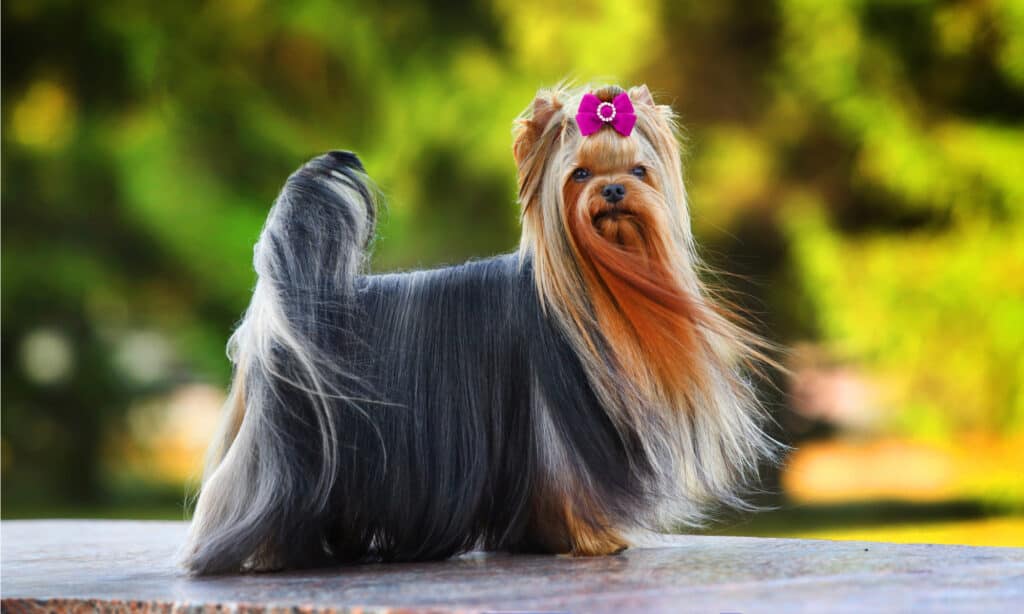
The longer your Yorkie’s fur, the more often it will need to be brushed.
©Dulova Olga/Shutterstock.com
Because of their fast-growing hair, Yorkies need professional or DIY trims every four to six weeks. Many owners opt for a short cut to significantly reduce daily brushing time. Their essential routine must also include daily teeth brushing due to a high genetic risk for dental disease, weekly ear cleaning to prevent infections in their small ear canals, and regular nail trims every few weeks to prevent discomfort.

Routine bathing will also keep a Yorkshire terrier’s fur silky and reduce some tangles in the coat.
©Srdjanns74/iStock via Getty Images
Are Yorkshire Terriers Hypoallergenic?
Yorkshire terriers are considered hypoallergenic because they don’t shed prolifically. However, no dog breed is completely hypoallergenic because human allergic reactions are primarily triggered by specific proteins found in a dog’s saliva, rather than the hair or fur itself.
When a Yorkshire terrier grooms itself by licking its coat, these allergenic proteins are transferred directly from the saliva onto its fine hair. Once this saliva dries on the hair and skin, it easily flakes off into the environment as microscopic dander, becoming airborne, where it can be inhaled by sensitive individuals.

Although Yorkshire terriers don’t shed a lot, they may still produce allergic reactions in sensitive individuals.
©iStock.com/frantic00
Because Yorkies are known to be a vocal breed, the physical act of barking can spread saliva droplets into the surrounding air, increasing the distribution of these triggers.
Yorkies also aren’t completely non-shedding. You’ll still find stray strands of hair around the house occasionally, but much less than you would with a typical shedding breed.
Is Caring for a Yorkshire Terrier Expensive?
Caring for a Yorkshire terrier can be quite expensive over their lifetime. While their tiny size keeps food costs relatively low, their ongoing maintenance expenses quickly add up due to rigorous professional grooming requirements that cost hundreds of dollars annually.
Yorkies also face notable genetic health risks, including severe dental disease, luxating patellas, and eye issues. These often translate to high veterinary bills or steep pet insurance premiums over time.

Yorkshire Terriers can be expensive dogs due to grooming and veterinary bills.
©Yavdat/Shutterstock.com
However, Yorkies do not rank among the absolute costliest breeds to care for. French Bulldogs, for example, rank far higher in lifetime financial commitments.
Yorkshire Terriers are Small and Can Be Easily Injured
A Yorkshire terrier’s compact size makes it exceptionally well-suited for apartment living and smaller spaces, as they require minimal square footage and can easily burn off energy indoors.
Their small stature also makes them highly manageable for individuals with limited mobility or anyone who would physically struggle to restrain or exercise a large, powerful breed. However, this diminutive size comes with a major vulnerability, as Yorkies are exceptionally fragile and prone to accidental injuries.
They can easily suffer broken bones, concussions, or internal trauma from simple everyday mishaps such as falling off a bed or couch, being stepped on, or being dropped by a child.
Young children shouldn’t be allowed to pick up Yorkies or roughhouse with them. Often, kids and Yorkies aren’t a good mix, since the dogs can be hurt so easily and might bite in self-defense.
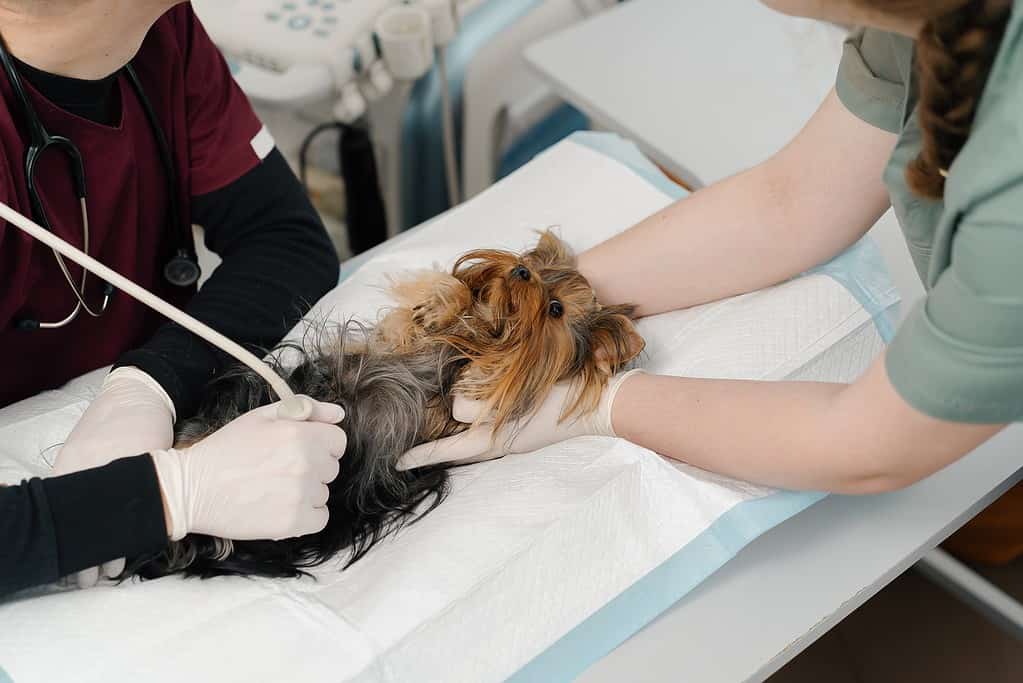
Yorkies can be injured easily, which can sometimes require veterinary care.
©guys_who_shoot/Shutterstock.com
Yorkies are Energetic, Mischievous, and Stubborn
The American Kennel Club (AKC) describes Yorkies as tomboyish. While many see them as prissy lap dogs, they also love to play, explore, and get dirty from time to time.
This might not be what you expect from your pup when adopting one, so it’s good to be prepared.
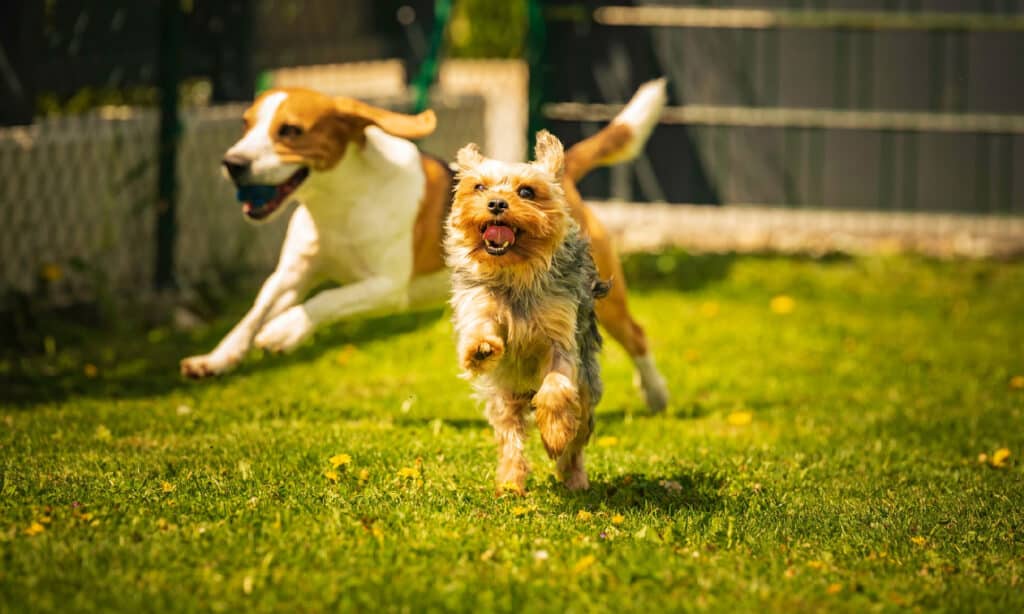
Yorkies aren’t content to sit around all day looking pretty. They also want to run and play!
©iStock.com/Przemysław Iciak
Yorkies are highly trainable if you rely on positive reinforcement and make learning a fun, game-like experience using high-value treats. However, Yorkies are notoriously independent, and if they feel pressured, they will dig in their heels because they can be quite stubborn.

Yorkies can be stubborn and may keep trying until they get what they want from you!
©iStock.com/yacobchuk
Yorkies are tiny dogs with equally tiny bladders, which can make house training challenging. However, they are smart and will eventually learn, though it may take more time and repetition than with larger breeds.
Yorkies Can be Clingy

Yorkies love to snuggle.
©iStock.com/rfranca
Your Yorkshire terrier is likely to become your little shadow, following you around as you go about your daily routine. They’ll also love cuddles on the couch.
They are lap dogs, after all, and most people don’t mind their clinginess. So, if you don’t want a dog constantly at your side, this likely isn’t the breed for you.
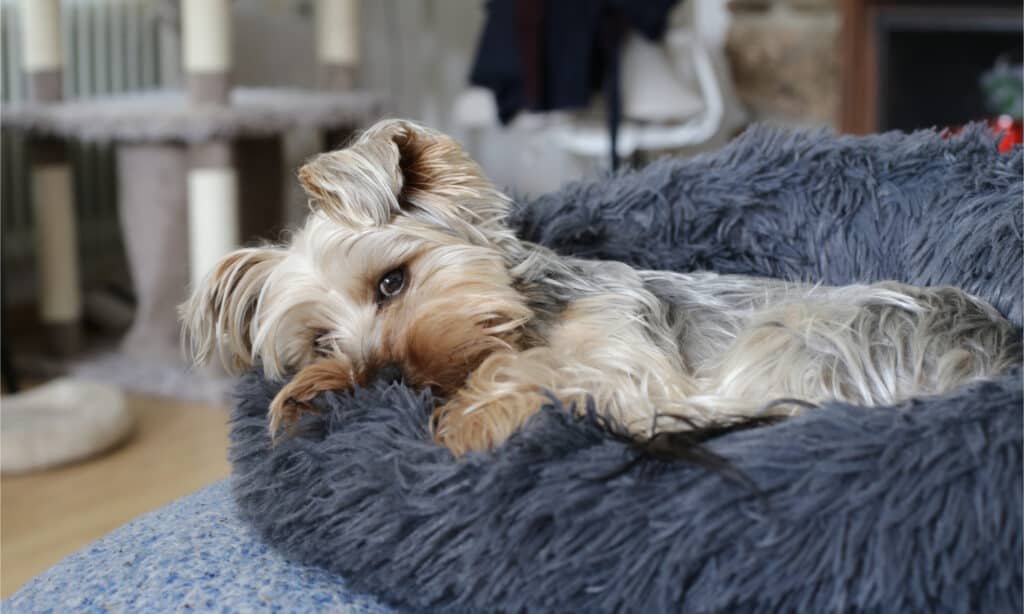
Many Yorkshire terriers get anxious when left alone.
©AJR_photo/Shutterstock.com
Because they’re so clingy, Yorkies are also prone to separation anxiety. It’s important to teach them that it’s okay to be alone for short periods and that you’ll always return home.
Equally important is not leaving them alone for long stretches of time. Yorkies do best in households where someone is home most of the day.