
Quick Take
- Scientists discovered that some dogs can do something with language that most owners never expect, a finding that forced researchers to start comparing them to human children. See the language trials →
- One dog didn't just learn hundreds of words. She could also mentally sort objects in a way that challenges what we think separates human and animal minds. Meet Betsy's abilities →
- A single dog breed keeps showing up at the center of every major canine intelligence study, and the reason goes deeper than their reputation for herding. Explore why border collies lead →
- A three-year experiment produced results so unexpected that the researchers themselves had to rethink what they believed about untrained animal minds. See Chaser's experiment results →
Dogs and language have always been linked in the public imagination, but recent scientific findings are shedding new light on just how far canine comprehension goes. Some dogs, researchers say, have the remarkable ability to associate up to 300 words or objects with images and commands numbers few owners ever expect.
What Scientists Have Uncovered About Canine Language Skills
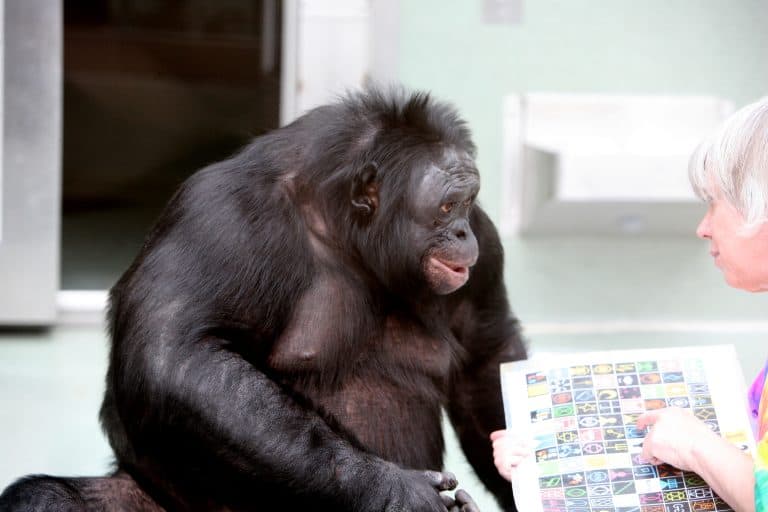
It was a research team in Leipzig, Germany, that first revealed the extent of dogs’ understanding. Five dogs were observed in a series of language-learning trials, each challenged to recognize symbols an ability considered fundamental to language itself. Among these participants, border collies distinguished themselves, revealing a cognitive flexibility rarely seen in other breeds.
Border Collies Take a Leading Role
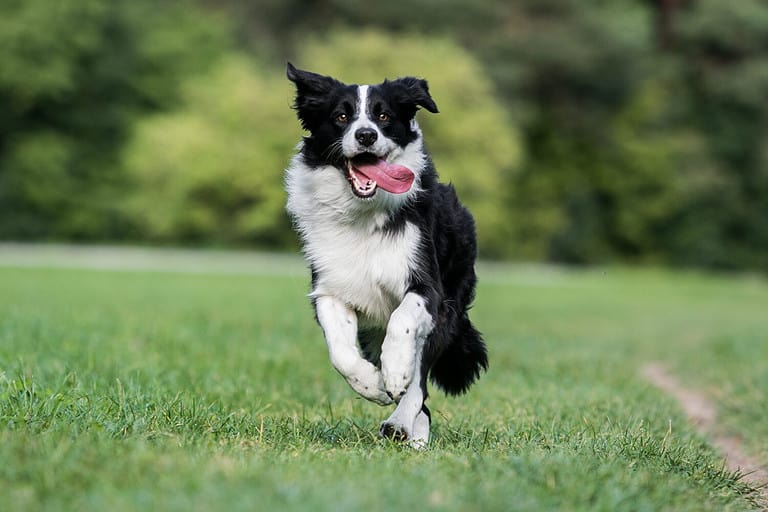
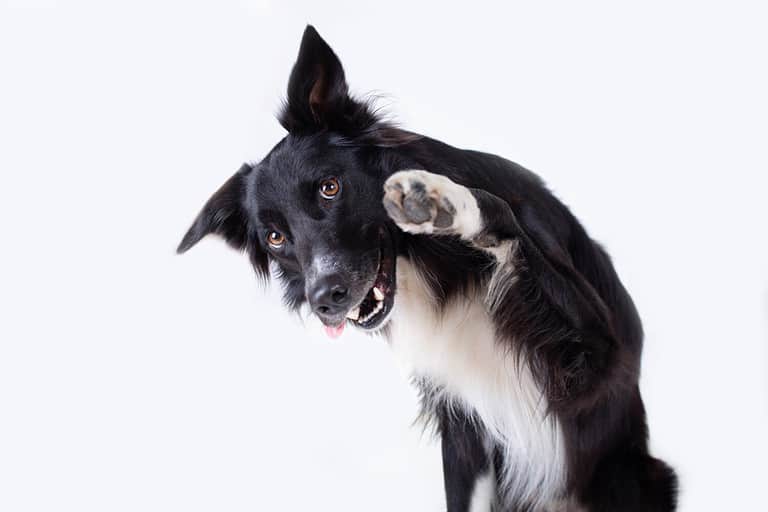
The breed’s reputation for intelligence only grew as individual dogs made headlines. Betsy, a female border collie, surprised her trainers with her memory and comprehension. According to researchers, Betsy could recognize 300 distinct objects. When her owner issued the simple command, “Go get it,” Betsy would leave the room and return with the correct item an act requiring her to link the spoken word to the right object from memory and out of sight.
Such performances drew comparisons to the cognitive abilities of young children. The Leipzig anthropologists directly compared Betsy’s learning speed and accuracy to that of a toddler, finding more similarities than differences.
Beyond Retrieval: Categorization and Meaning
Betsy was not alone in her feats. Another border collie, Chaser, demonstrated a further leap: not only could she identify hundreds of objects, but she could also group them by shape or by function. This level of classification mirrored the mental sorting abilities typical of a three-year-old child making Chaser an even more compelling case study.
Chaser’s talents did not emerge overnight. Under the guidance of psychology professors Alliston Reid and John Pilley from Wofford College in Spartanburg, South Carolina, she took part in a three-year-long experiment. The result was an unprecedented demonstration of canine learning and retention, and, for the teachers, a new appreciation for the untapped minds of dogs.
The Intelligence of Border Collies Stands Out
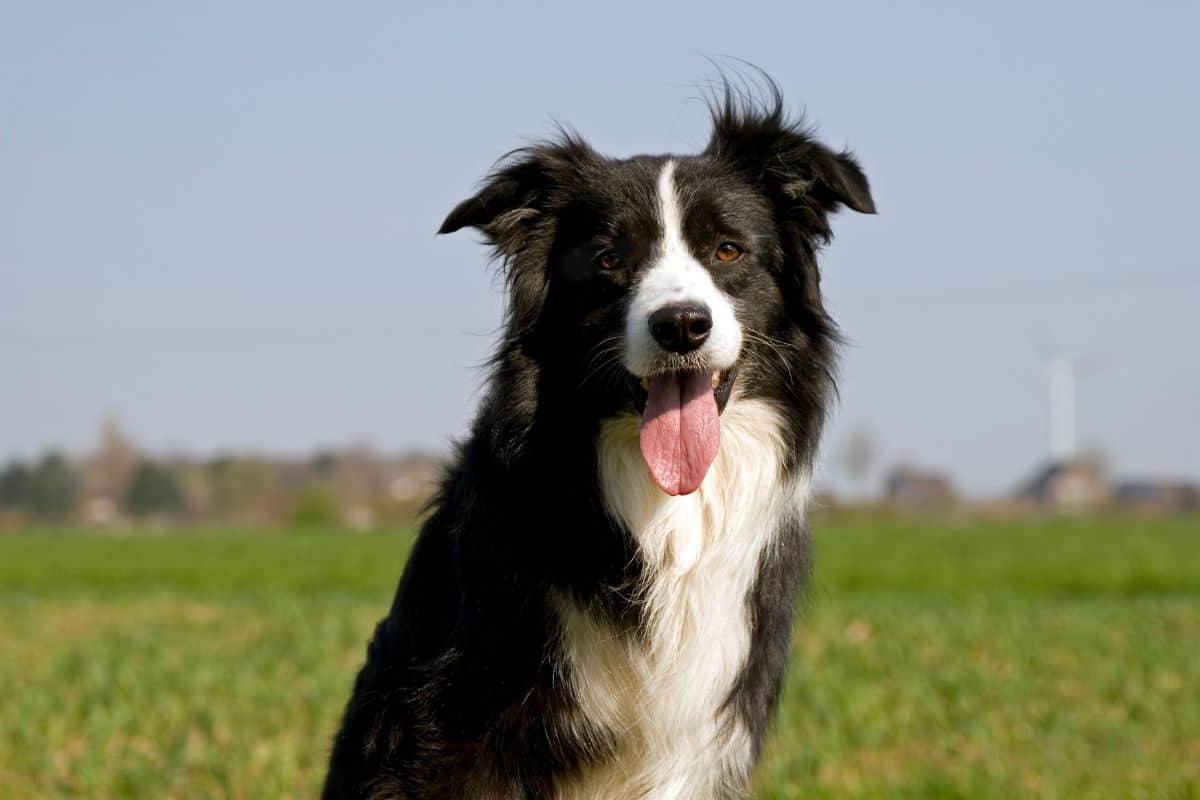
With stories of Betsy, Chaser, and Rico another famous border collie in the field, the breed’s long history of responding to human commands found a new scientific basis. Known already for their skill in herding livestock, border collies are now recognized as perhaps the most intelligent representatives of their species.
Each new discovery challenges old boundaries between human and animal intelligence. As the border collie’s role in animal research grows, their story continues to push us to reconsider what dogs can understand, and how we might better communicate with them.