
Located in the southern U.S., Alabama is one of the hottest states. According to the United States Department of Agriculture, Alabama is located in hardiness zones 7b to 8b. Temperatures can creep up into the ninety-degree range during the summer. Winters in Alabama are mild, rarely dipping below freezing. This climate forces Alabama gardeners to choose their plants carefully. Flowers can wilt and die under extreme heat levels. Let’s take a look at some of the best flowers for Alabama gardens.
1. Camellia (Camellia japonica)
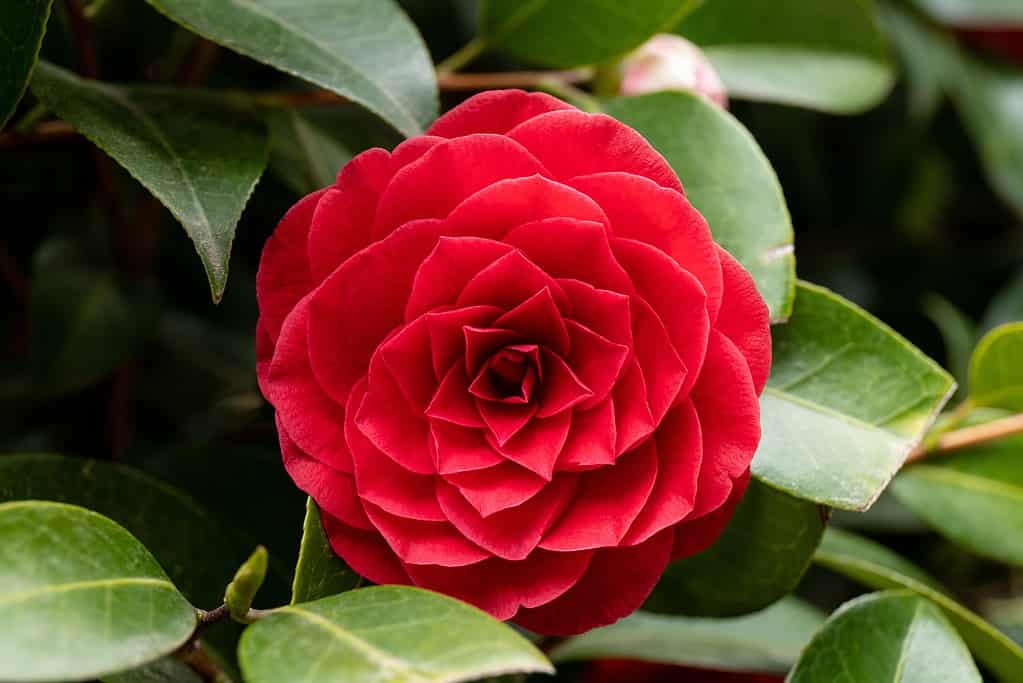
Since 1959, camellia has been Alabama’s official state flower.
©Olga_Shestakova/Shutterstock.com
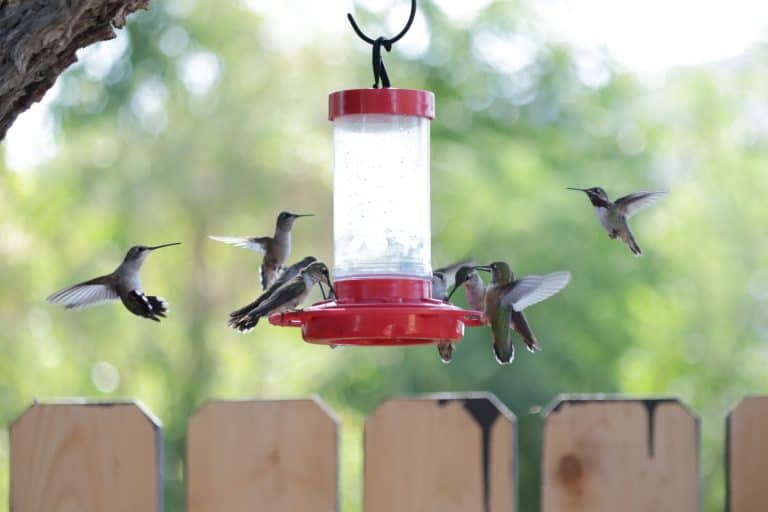
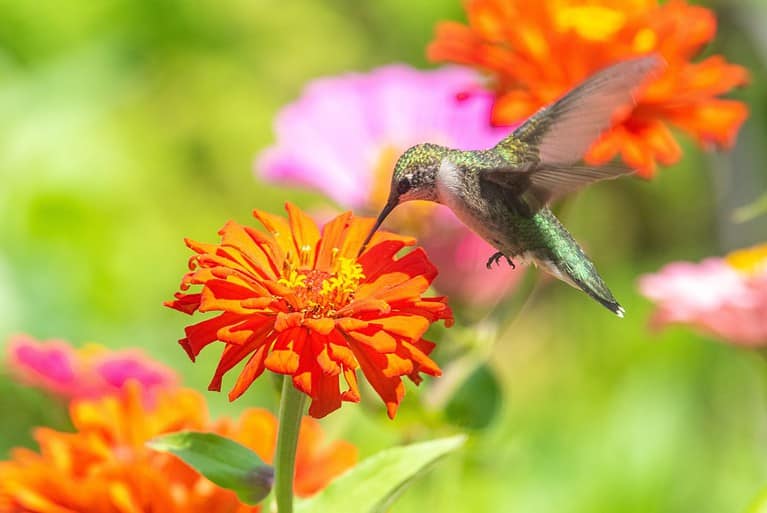
A staple in Alabama gardens, camellias are beloved for their intricate blooms and evergreen foliage. Camellias are one of the few plants that produce flowers during the winter. Hummingbirds are drawn to camellias as a food source during the winter. Fall is the best time to plant camellias. Because camellias love cooler weather, they should be placed in partial shade to avoid scorching. Camellias prefer rich, moist, well-drained soil. Use peat moss or other organic matter to improve the quality of the soil. Petal blight fungus is a common problem for camellia. Brown splotches appear on the affected plant. Remove infected camellia plants to prevent the spread of the fungus to the rest of the garden.
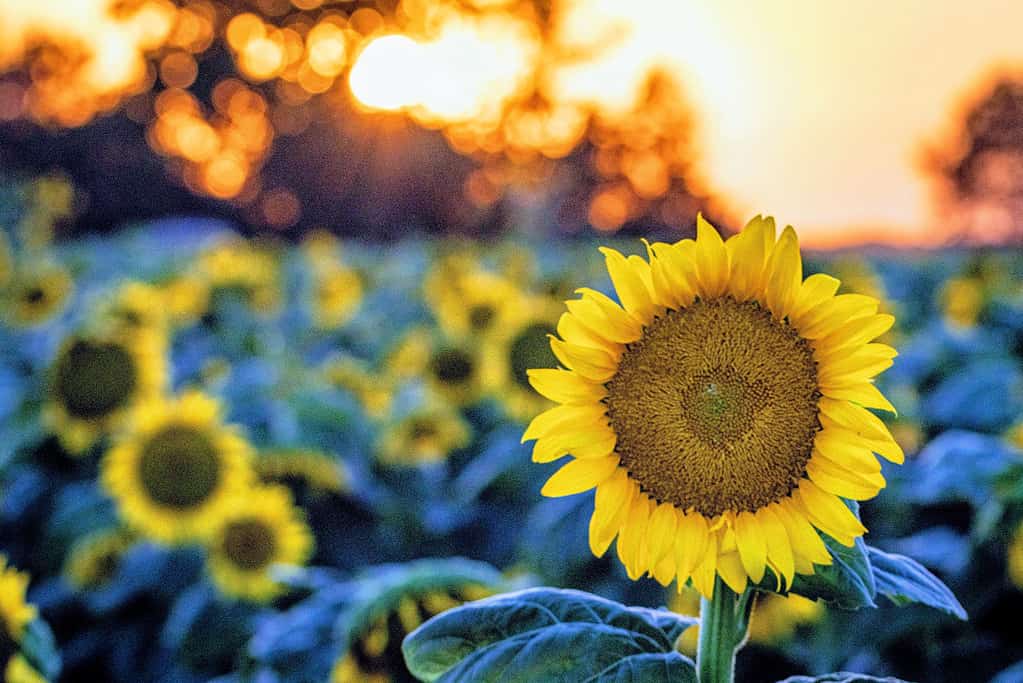
2. Common Sunflower (Helianthus annuus)
Vincent van Gogh’s painting, “Sunflowers,” sold for .9 million at auction in 1987.
©Mark Alexander/ via Getty Images
There are few plants more recognizable than the common sunflower. Often found towering over other plants in Alabama gardens, the common sunflower is noted for its bright yellow petals that radiate from a central disc. Late spring, when the soil is warm and easily turned, is the best time to plant sunflowers in Alabama. As they grow, sunflower heads follow the sun across the sky. When they mature, sunflowers often settle down facing east.
True to its name, sunflowers love full sun exposure. Make sure they are planted in rich, well-drained soil. Common sunflowers can grow up to 10 feet tall and may require a supporting structure. Seeds erupt from the center of the flower towards the end of the growing season. Those seeds are treasured as a food source for both animals and people. Beautiful and useful, the common sunflower is an awe-inspiring addition to outdoor spaces in Alabama.
3. Purple Coneflower (Echinacea purpurea)
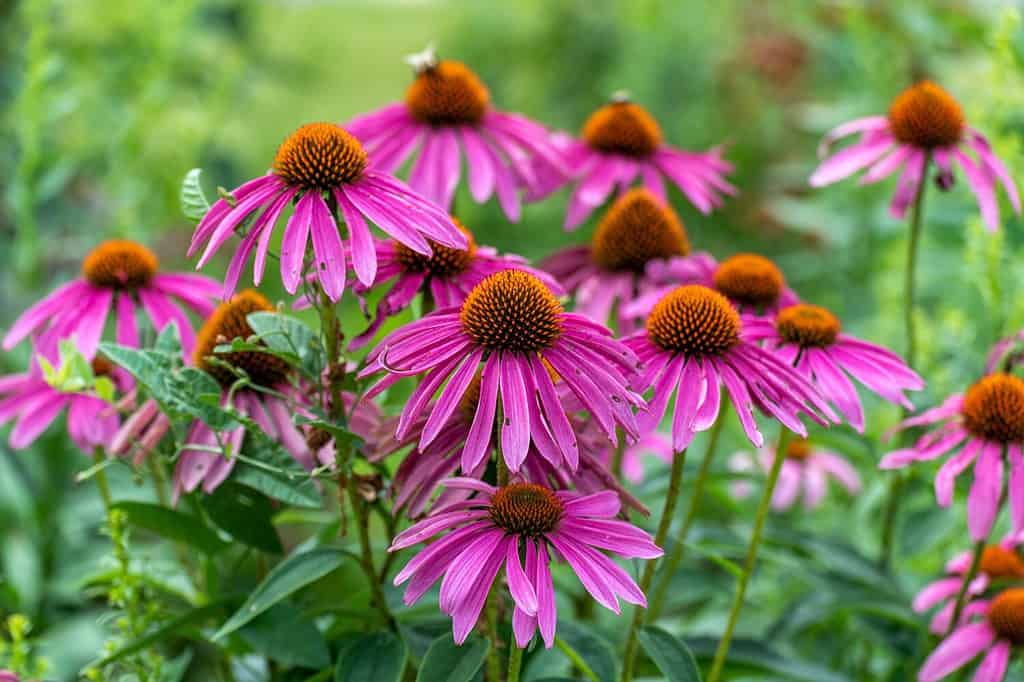
Echinacea, the purple coneflower’s genus name, is derived from the Greek word “echino,” which means “hedgehog.
©Barbara Smits/Shutterstock.com
Although purple coneflowers are a perennial wildflower, they look good in Alabama gardens! With a center brownish-orange cone and straight purple petals, the purple coneflower draws attention from people and pollinators. Butterflies are particularly attracted to purple coneflowers. Plant purple coneflower in the spring the last frost. Blooms will begin appearing in April and last until September. These plants can handle full sun to partial shade. Purple coneflowers grow well in a variety of soil conditions, but they favor moist loam that is well-drained. Purple coneflowers can expand past their boundaries by self-seeding. Deadheading after the blooming season reduces the chance of purple coneflowers taking over your garden bed.
4. Zinnias (Zinnia elegans)
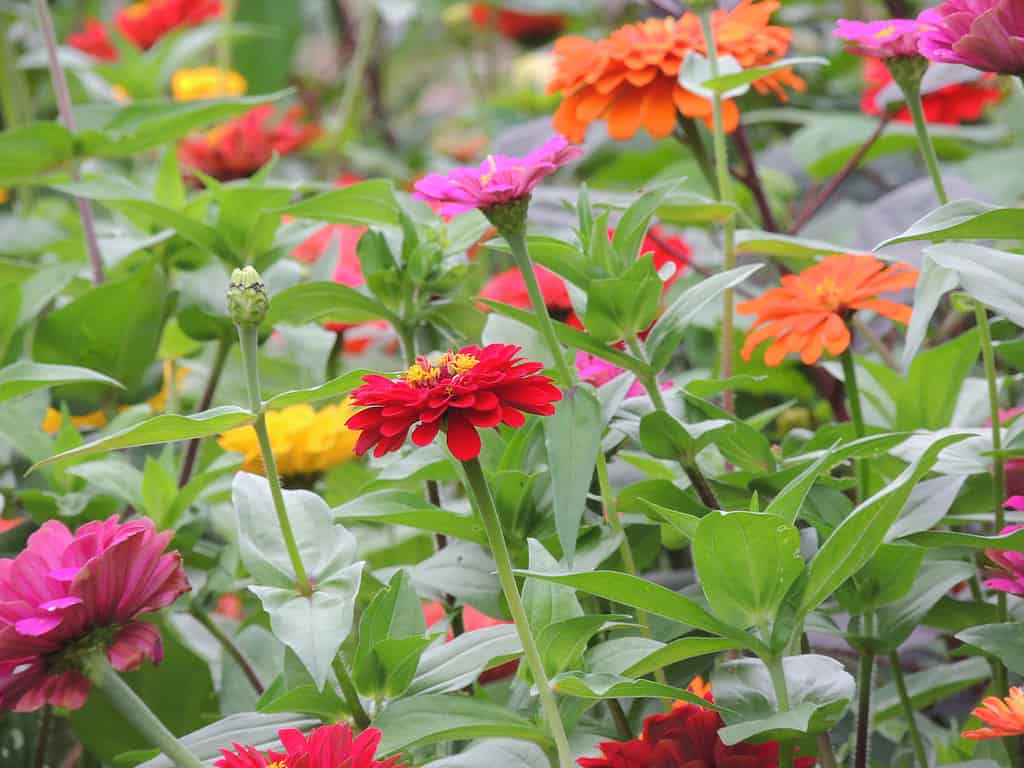
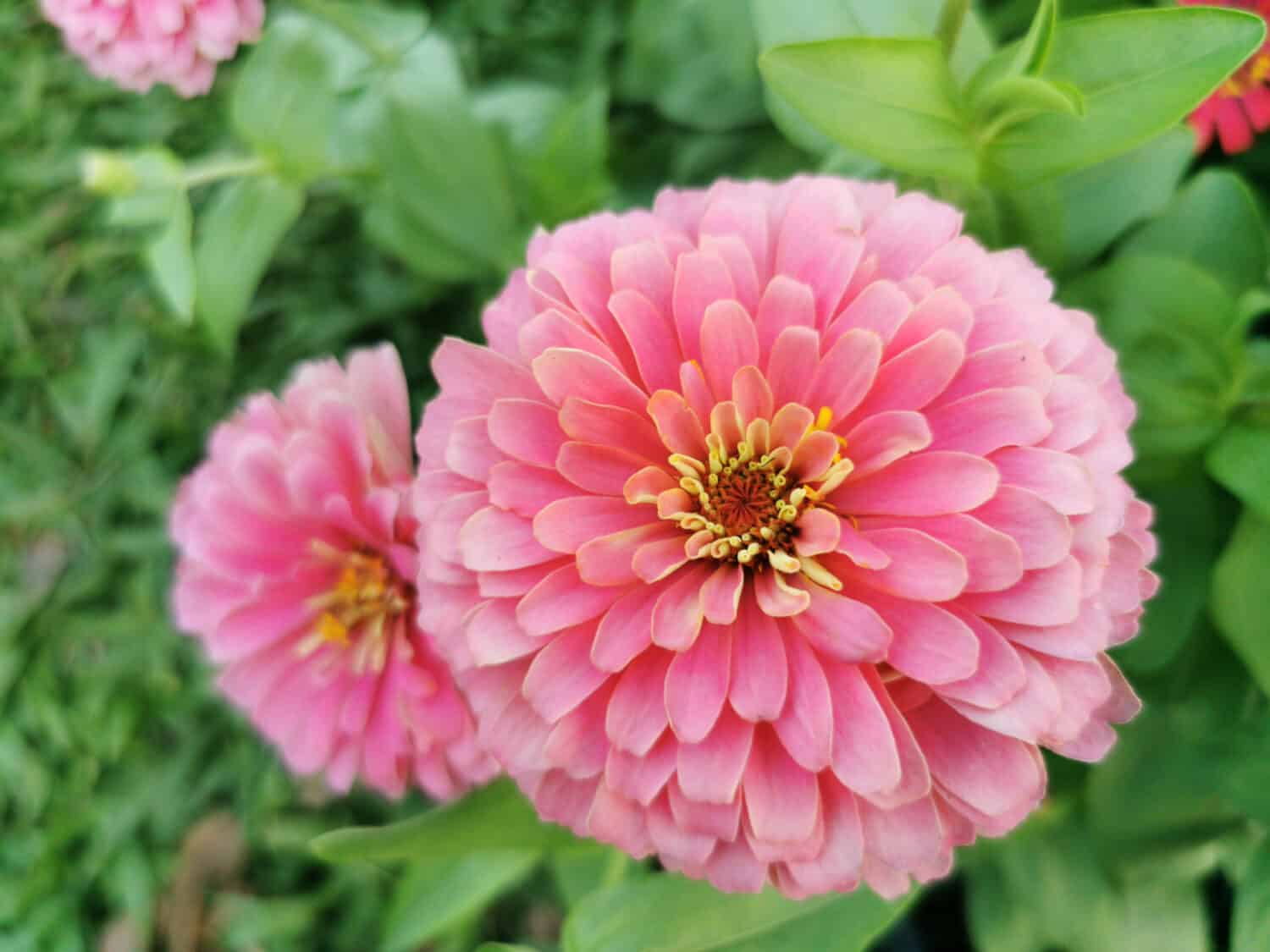
Flower arrangers often use dried zinnias in bouquets.
©Sara Koivisto/iStock via Getty Images
A mainstay in many Alabama gardens, zinnias are gorgeous, showy flowers. Zinnias are a favorite because they have a long bloom season. From early summer to the first frost, zinnias produce flowers with petals radiating from a visible center. Zinnias bring in pollinators like birds, bees, and butterflies. In late spring, zinnia seeds can be sown directly into the soil. Planting zinnias in the full sun allows them to reach their full blooming potential. Zinnias won’t bloom as much in shaded areas. They prefer rich, well-drained soil. Amending poor soil with compost or other organic matter helps zinnias flourish. Overwatering zinnias leaves them susceptible to root rot.
5. Snapdragons (Antirrhinum majus)
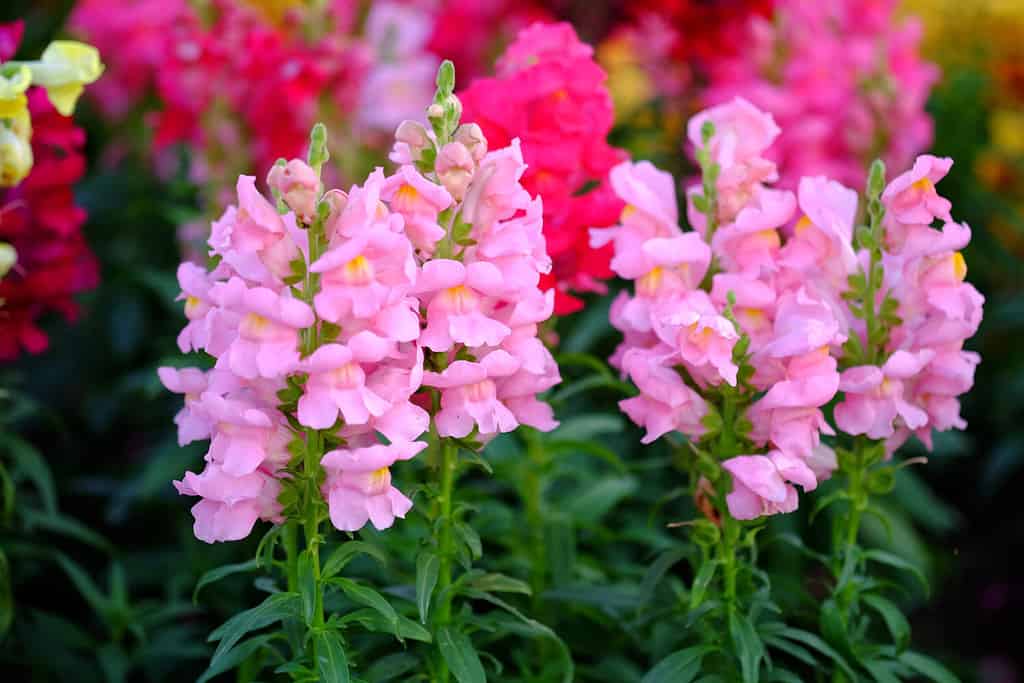
Blooms of the snapdragon are edible, but bitter.
©Nualanong/Shutterstock.com
Rising into the air on vertical stems, snapdragons add texture and contrast to Alabama flower gardens. Attaining heights up to three feet tall, snapdragons are noted for their colorful stacked blooms. Expect snapdragon blooms to begin in late spring, but in warm climates, the flowers may not show out for a long period of time. Bumblebees are the primary pollinators for snapdragons. Smaller pollinators are unable to open the closed snapdragon flower. Start snapdragon seeds indoors two weeks before you intend to plant them. Keep the germinating seeds moist. Wait until two weeks after the final spring frost to sow the seedlings. Plant snapdragons in sandy, well-drained soil where they can receive full sun exposure. Snapdragons exhibit a small amount of drought tolerance. Plant rust is a concern for snapdragons, but rust-resistant varieties are available.
6. Black-eyed Susan (Rudbeckia hirta)

Hirta, the species name for Black-eyed Susan, means “hairy.”
©LauraTabor/iStock via Getty Images
It’s not hard to find Black-eyed Susans in Alabama. They grow wild throughout the state and have been incorporated into garden spaces. Black-eyed Susans are low maintenance and easy to grow. Cold stratify the seeds by placing them in the ground either in the fall or six weeks before the last frost of the year. In the early summer, well-established Black-eyed Susans display yellow or orange flowers radiating from a central brown cone. Because their leaves and stems are tough and hairy, deer do not use Black-eyed Susans as a food source. Pollinators love them, though, and birds will eat the seeds from the mature center cone. Black-eyed Susans prefer full sun exposure and loamy moist soil. Water-retaining soil can harm this plant. Deadhead Black-eyed Susans after the blooms fade to avoid aggressive self-seeding.
7. Common Impatiens (Impatiens walleriana)
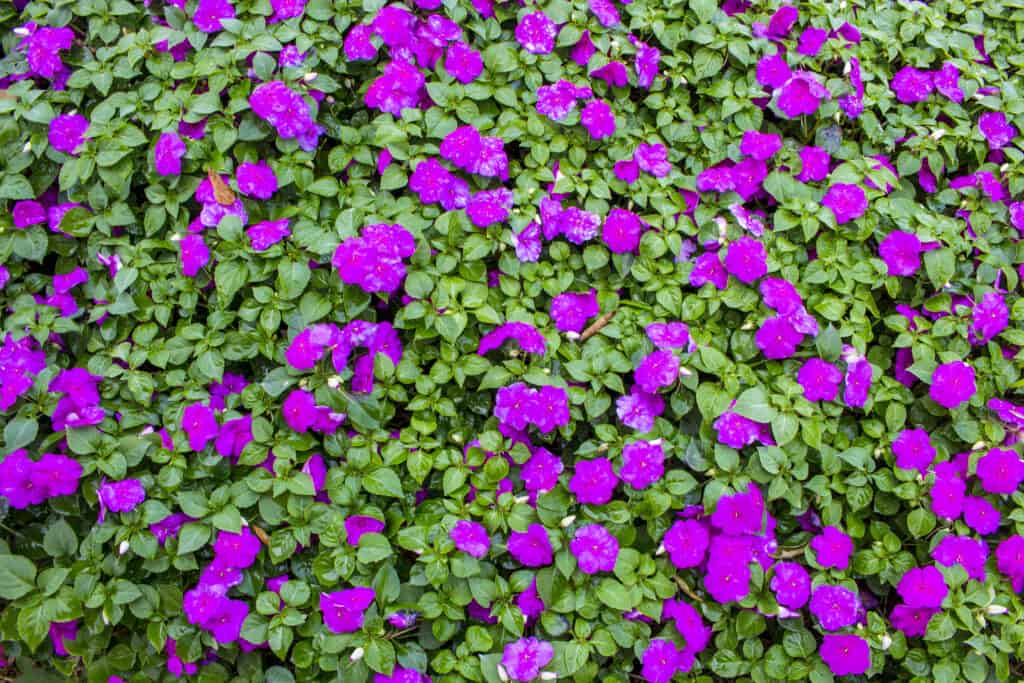
Impatiens is also known as “Busy Lizzie.”
©AkwaN/Shutterstock.com
Not all flowers in Alabama love full sun exposure! Impatiens perform best in shady sections of the garden which might not get the same attention as sunny areas. Impatiens have a long blooming season, beginning in the late spring and lasting until the first killing frost. Bloom color ranges from white to varying hues of orange and red. Impatiens thrive in rich, well-drained soil in partially shaded areas. While impatiens are somewhat tolerant of heat and humidity, too much sun will scorch the plant’s leaves. Impatiens do not do well in cold weather. Plant impatiens in the spring after the threat of frost has passed. Seed pods appear on the plants towards the end of the growing season. Collect the pods to avoid self-seeding.
8. Calendula (Calendula officinalis)
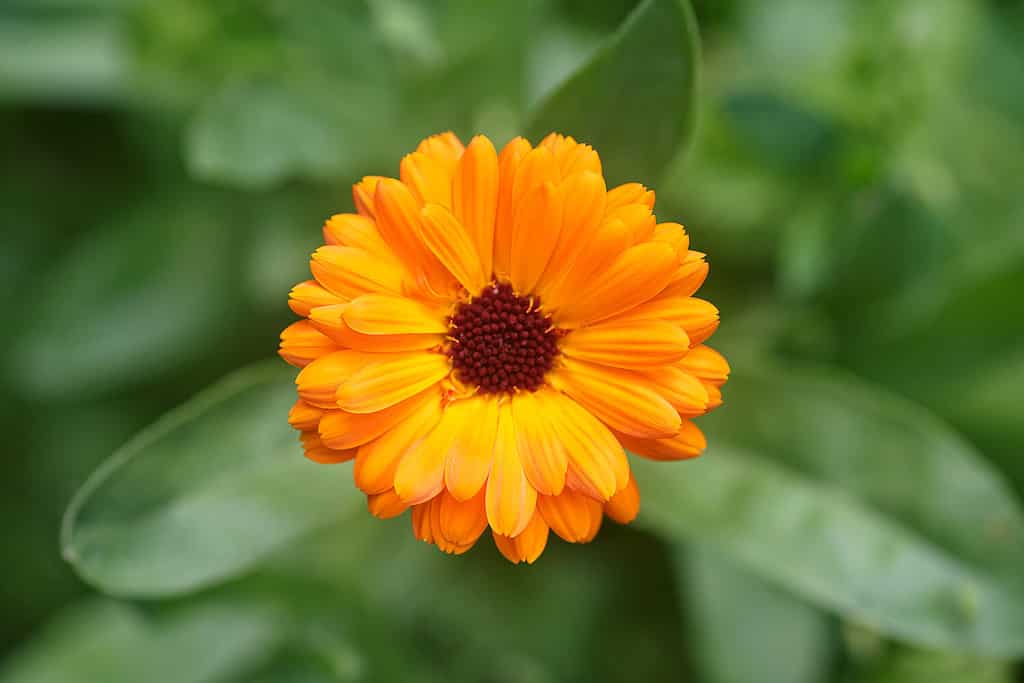
People have used calendula to relieve skin irritations, bites, and insect stings.
©domnitsky/Shutterstock.com
Adventurous food lovers should consider planting calendula for culinary usage. Calendula blooms are edible and aromatic, with a mildly bitter taste. In the garden, calendula attracts butterflies, giving your garden an extra level of beauty. Plant calendula two weeks after the last frost. Calendula enjoys cooler weather with a blooming season lasting from fall until spring. In some areas of Southern Alabama, calendula can overwinter and begin blooming in March. Calendula prefers sandy or loamy soil with full sun to partial shade light exposure. To enjoy calendula flowers throughout the blooming season, deadhead the plant to encourage new growth.
9. Garden Nasturtium (Tropaeolum majus)
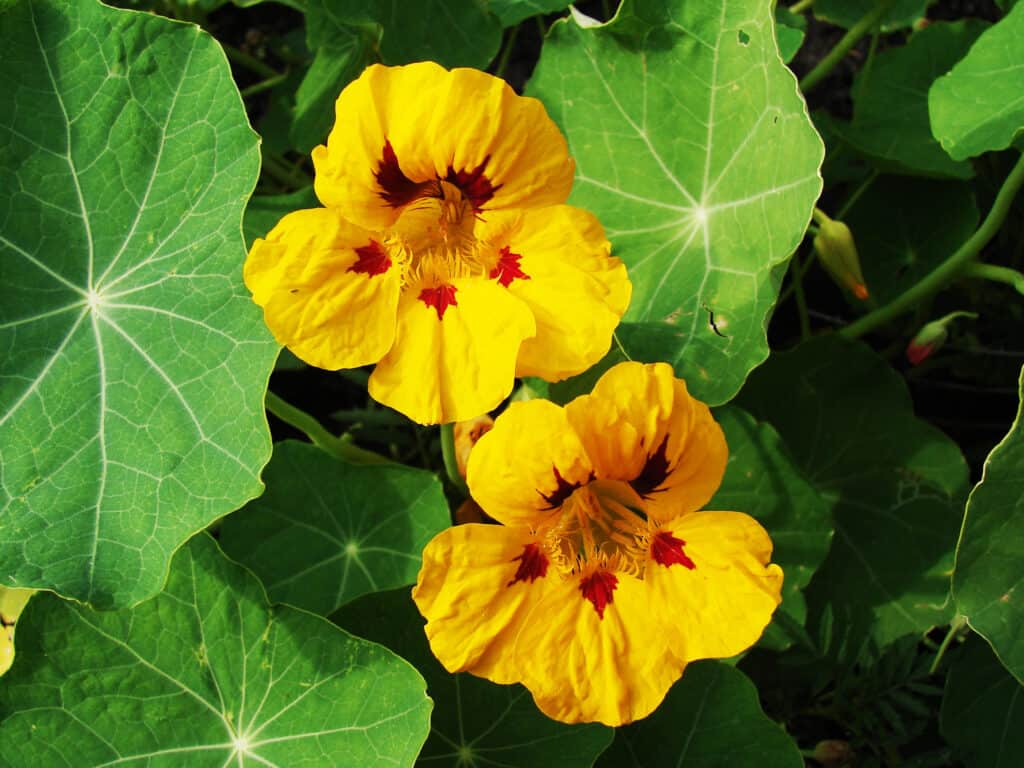
With the exception of the roots, every part of the nasturtium is edible.
©Minos23/Shutterstock.com
Available in both climbing and bushy varieties, nasturtiums add an eye-catching display of color to Alabama flower gardens. Climbing garden nasturtium plants can reach upwards of 10 feet tall. Gardeners also use the smaller varieties as accent plants or borders. Garden nasturtiums also make great feature plants when placed in hanging baskets.
No matter which variety you choose, garden nasturtiums thrive in well-drained soil of average to poor quality. Start nasturtium seeds inside approximately six weeks before the last frost of the season. Those can be planted when the possibility of frost has passed. If you are directly sowing seeds, place them in the ground two weeks before the final frost. Fertilizing the soil will reduce the number of blooms. Garden nasturtiums grow best in full sun. Water your garden nasturtiums when the soil is dry to the touch. Classified as an annual, garden nasturtiums will reseed and come back during the next growing season if left unbothered in the garden.
10. Climbing Aster (Ampelaster carolinianus)
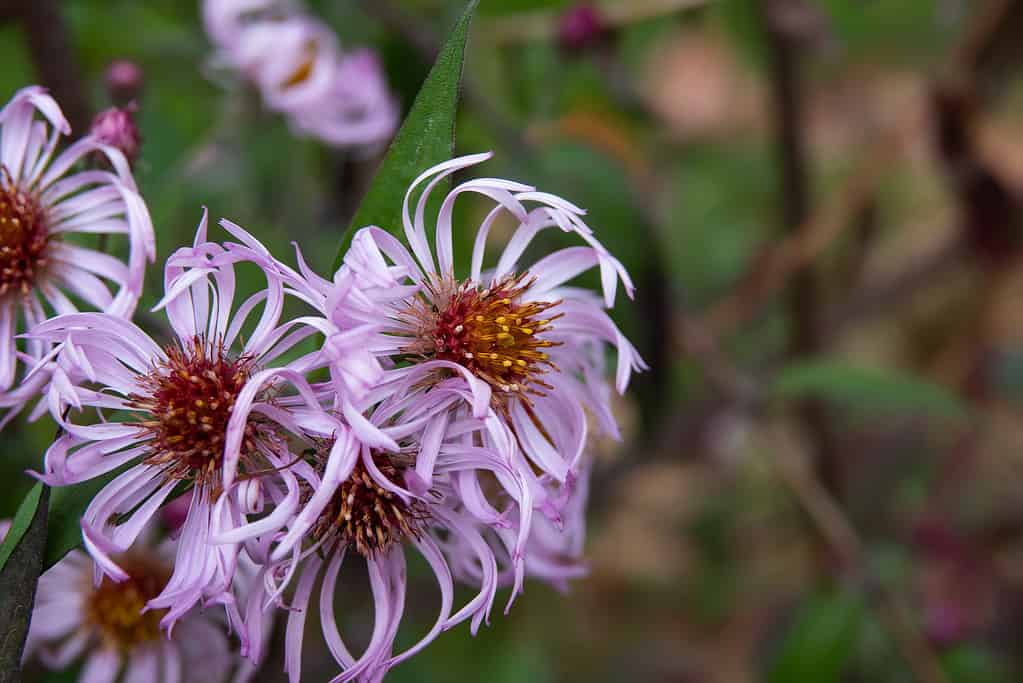
Non-toxic, climbing aster can be eaten by dogs, cats, and horses.
©ErikAgar/iStock via Getty Images
Placed on a support structure, like a trellis or an arbor, climbing aster displays gorgeous flowers into the fall. Climbing aster will also send out stems that latch onto other plants for support. In the wild, climbing aster grows along streams or other moist growing areas. Climbing aster prefers sandy soil that is well-draining. Planting climbing aster either in the spring or fall allows it to develop a strong root system. Once established, climbing aster doesn’t bloom until late summer, providing visual interest until autumn. Delicate petals exhibit a pinkish-lavender color projecting from a yellow center. Plant climbing aster where it will receive at least six hours of sun per day. Pollinators are drawn to climbing aster, as are birds and other small animals that eat the seeds.
11. Egyptian Starcluster (Pentas lanceolata)
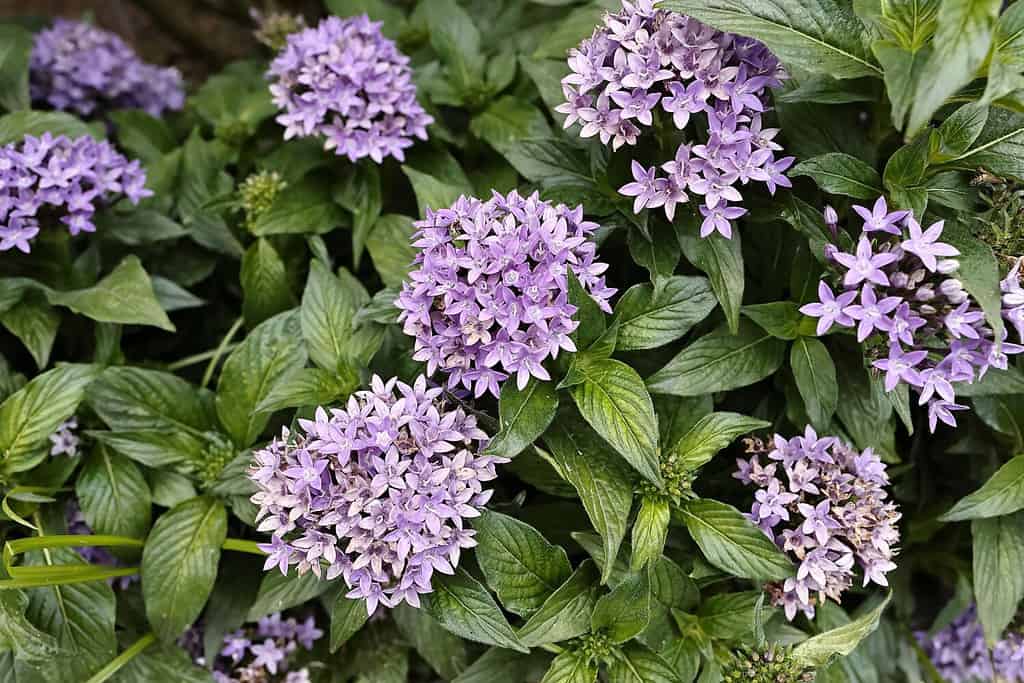
Eastern Africa is the native home of the Egyptian star cluster.
©topimages/Shutterstock.com
One of the more popular bedding plants in Alabama is the Egyptian star cluster. This flower can tolerate mild drought conditions, making it an excellent choice for Alabama’s warm climate. In the summer, the Egyptian star cluster puts out star-shaped, five-petaled blooms that attract butterflies and other pollinators. In late spring, plant an Egyptian star cluster where it will get six or more hours of full sunlight during the day. Although it can tolerate partially shaded conditions, full sun will enable a greater number of blooms. Egyptian starclusters thrive in rich, well-drained, and loamy soil. Water Egyptian star cluster plants regularly and encourage their growth with a monthly serving of plant food. Propagate Egyptian star clusters by taking cuttings from a parent plant or collecting seeds.
12. Tickseed (Coreopsis lanceolata)
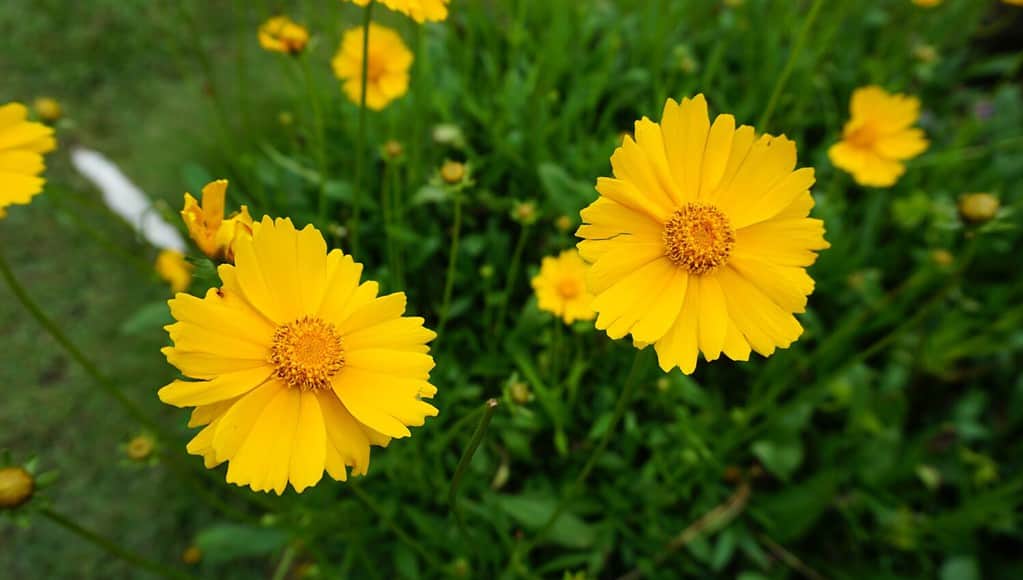
Seeds from coreopsis lanceolata (tickseed) strongly resemble ticks, hence the common name.
©Chrieztine17/Shutterstock.com
Part of the daisy (Asteraceae) family, tickseed is ideal for cottage or wildflower gardens. Tickseed grows in small clumps which can grow together and form colonies. Tickseed should be planted in the early spring. In late spring, mature tickseed begins to bloom with yellow, semi-serrated petals. Removing faded blooms encourages new growth while reducing the plant’s tendency to self-seed. After the blooming season ends, usually in July, cut tickseed back hard. Tickseed is drought, heat, and humidity tolerant. With low watering needs, tickseed excels in poor-to-average, well-drained soil. Tickseed can tolerate partial shade but performs best with full sun exposure. Pollinators are attracted to tickseed, including wasps, beetles, and butterflies.
13. Fan Flower (Scaevola aemula)
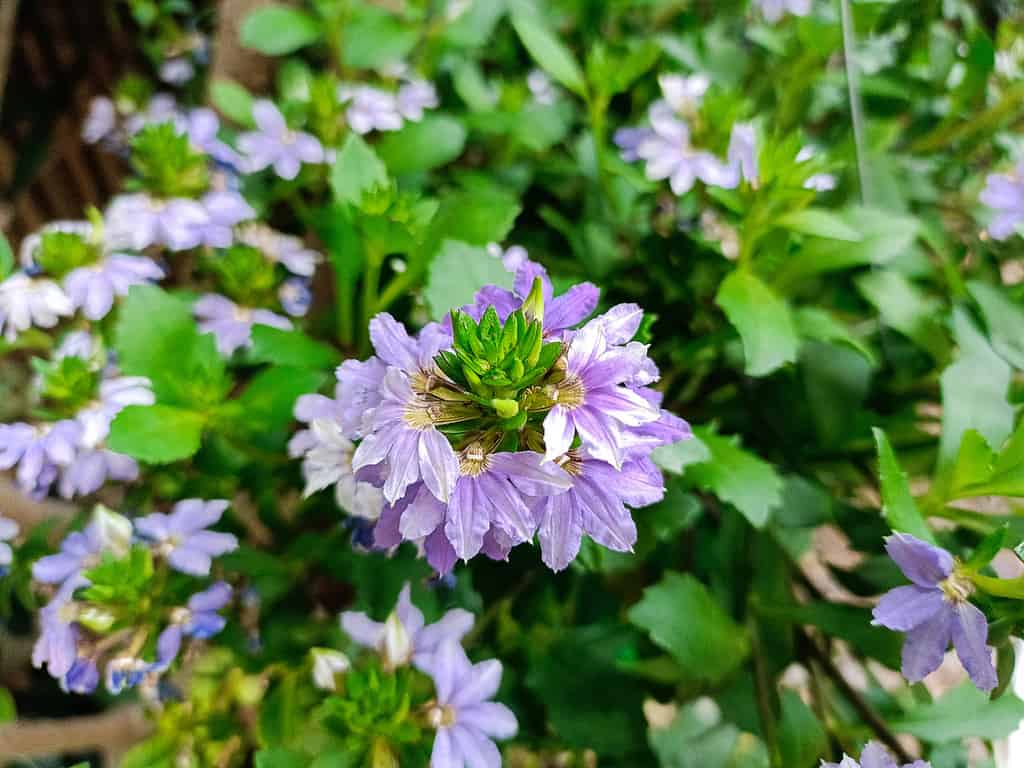
An Australian native, fan flowers are great accent plants within rock gardens.
©Nidchamon Butgad/iStock via Getty Images
Grown as an annual in Alabama, fan flowers are often utilized as bedding plants or ground cover. Fan flowers can spread out to a length of two feet long. Late spring is the best time to plant fan flowers when the soil has warmed to 65 degrees Fahrenheit. Beginning in the summer, established plants display blue fan-shaped flowers which last until the first frost of the season. Fan flowers are drought-tolerant and flourish in hot weather. Place fan flowers in an area that receives full sun to partial shade. Well-drained, average to medium soil is best for fan flowers. Fan flowers are non-toxic and attract pollinating insects. In cooler weather, fan flowers can be removed from the garden and overwintered.
14. China Pink (Dianthus chinensis)
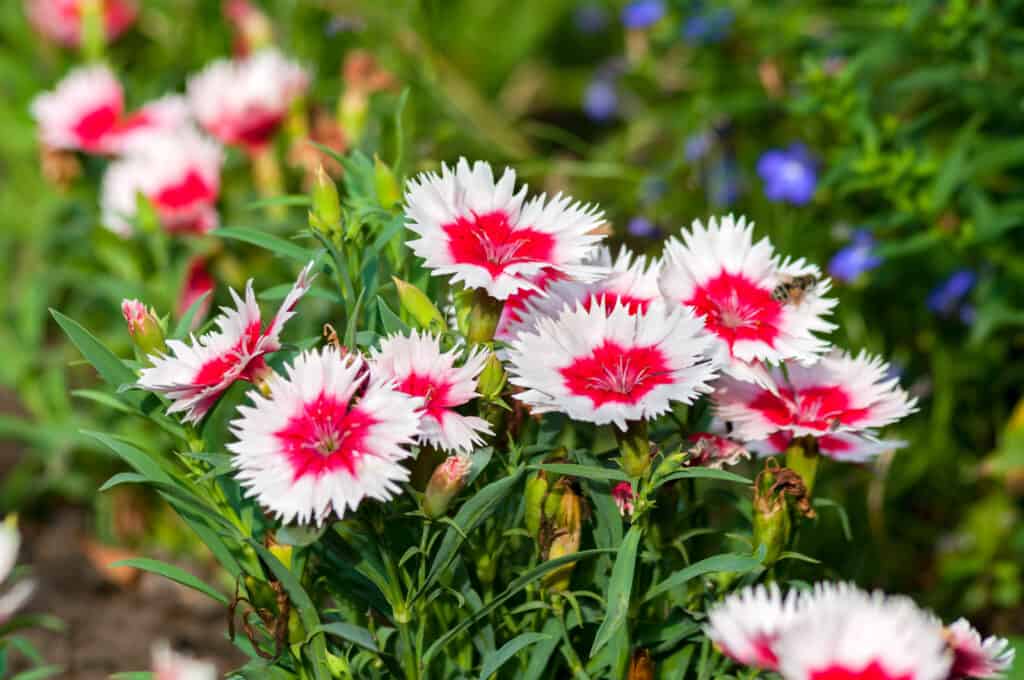
Herbalists use China pink plants to treat skin rashes and constipation.
©skimin0k/Shutterstock.com
In cooler seasons, China pink shines out. Often presenting two colors, the flat flowers of China pink bring visual interest to gardens in the spring and fall. The plant does not bloom as much in the summer. Start seedlings inside eight to 10 weeks before the last frost. When sowing directly, seeds can be planted in the spring when the soil is easily turned. China pink grows up to two feet tall and 10 inches wide.
Well-draining soil is essential for China pinks to thrive. If the soil remains too moist, China pinks could develop rust or crown rot. China pink thrives in full sun, but partial shade in the afternoon protects the plants. Slugs and snails can attack China pinks that receive too much shade. After a rush of blooms, deadhead China pinks to encourage new growth. China pink is toxic to cats, dogs, and horses. Some people may experience contact dermatitis after handling China pink.
Summary of the 14 Best Flowers to Plant in Alabama
| # | Plant | Best Place |
|---|---|---|
| 1 | Camellia | Partial shade |
| 2 | Common Sunflower | Full sun |
| 3 | Purple Coneflower | Full sun to partial shade |
| 4 | Zinnias | Full sun |
| 5 | Snapdragons | Full sun |
| 6 | Black-eyed Susan | Full sun |
| 7 | Common Impatiens | Partial shade |
| 8 | Calendula | Full sun to partial shade |
| 9 | Garden Nasturtium | Full sun |
| 10 | Climbing Aster | Full sun |
| 11 | Egyptian Starcluster | Full sun to partial shade |
| 12 | Tickseed | Full sun to partial shade |
| 13 | Fan Flower | Full sun to partial shade |
| 14 | China Pink | full sun, afternoon shade |