
Quick Take
- Certain birds are hard-wired to seek out specific colors, and knowing which ones can determine exactly which species show up in your yard. Colors that attract specific birds →
- Not every bird wants a bright, colorful yard. Some species are actually repelled by it. Why some birds prefer earthy tones →
- One common yard decoration color might actually be driving birds away, though most backyard birders never suspect it. Why white can backfire →
- The color you choose for a feeder or birdhouse matters more than the food inside, and there is science to explain why. How metallic surfaces affect birds →
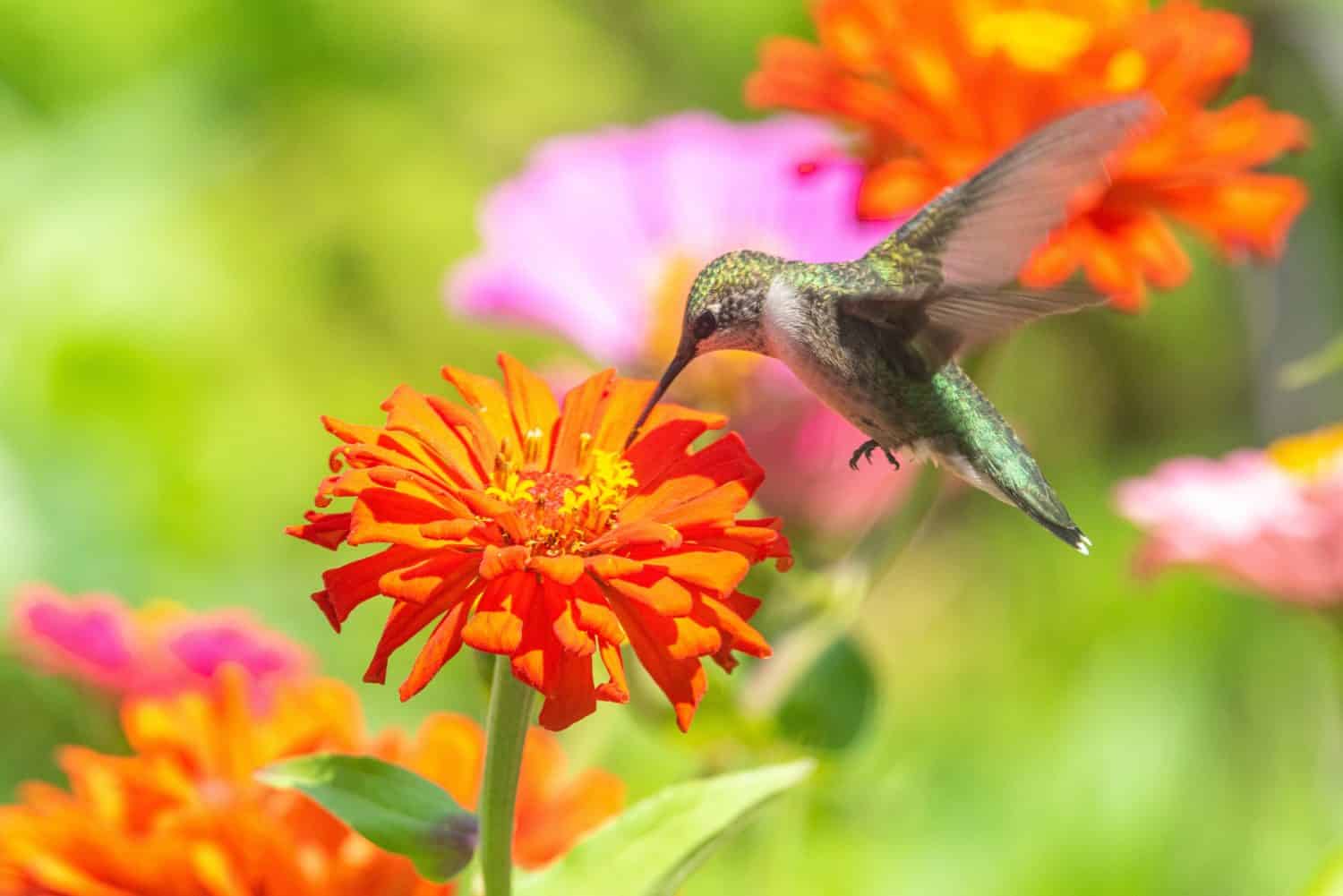
Birds rely on their eyesight to locate food, water, shelter, and safe places to nest. They are highly perceptive of color, which means the shades you use in your yard can make a surprising difference in attracting them. While different species respond to different hues, certain colors are especially good at drawing the attention of hummingbirds, finches, orioles, and other backyard visitors. Bright flowers, colorful feeders, and vivid decorations can all help create a bird-friendly environment. Of course, color alone is not enough; birds also need reliable resources to feel comfortable sticking around. By combining the right colors with a welcoming habitat, you can turn your yard into a much more attractive place for your favorite feathered species.
Yellow and Orange
©iStock.com/Valeriy Lushchikov
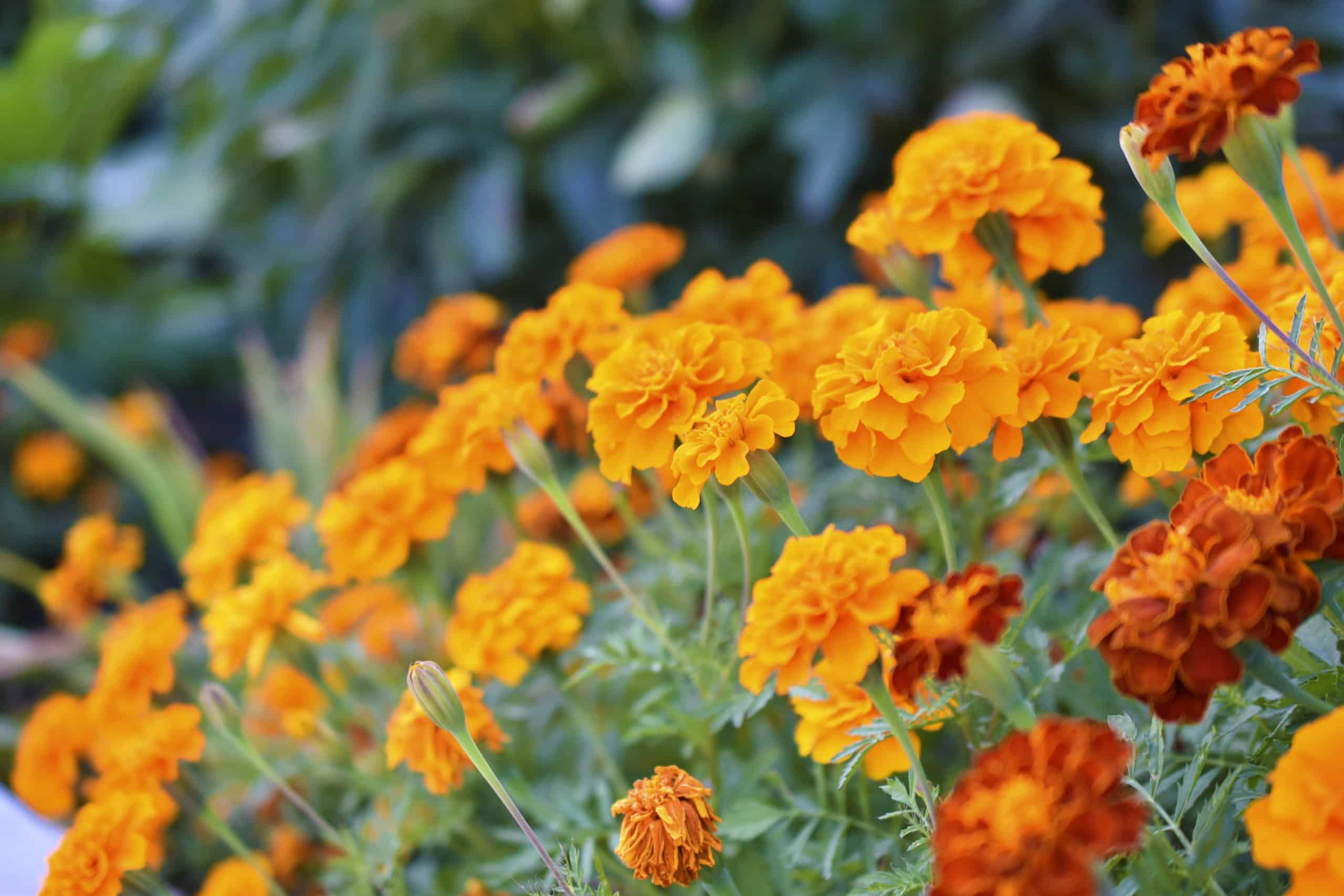
Bright yellow and orange are excellent colors for attracting birds to your yard. Orioles and goldfinches are especially drawn to these sun-like shades, while some hummingbirds may also investigate the bright colors. Birds often associate yellow and orange with nectar-rich flowers, seeds, and other natural food sources. These bold colors stand out against green vegetation, making them easier for birds to spot from above.
Yellow and orange flowers to plant: sunflowers, marigolds, zinnias, and bird-of-paradise flowers
Red and Pink
©Titan Studio/Shutterstock.com
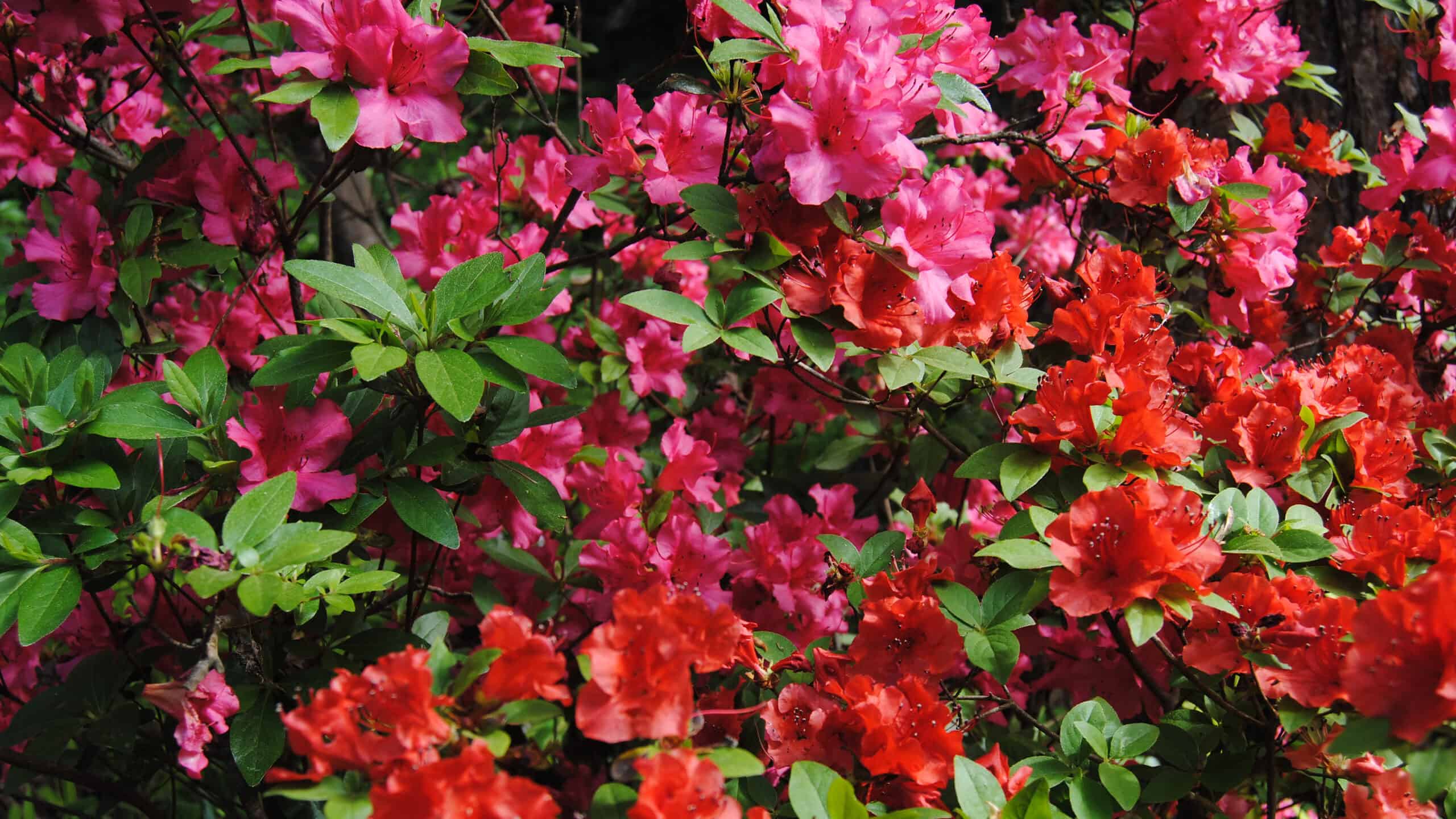
Red and pink are vibrant, hard-to-miss colors that many birds associate with ripe fruits and nectar-rich flowers. Nectar-feeding birds, especially hummingbirds, are particularly attracted to red blooms and red feeders. These bright shades can easily catch a bird’s attention from the air, leading curious birds to investigate your yard. Adding pops of red and pink through flowers, feeding stations, or garden decorations can help lure birds directly to your property.
Red and pink flowers to plant: bee balm, hibiscus, peonies, and petunias
Blue and Purple

©kadex/Shutterstock.com
Blue and purple are calming colors associated with water, healthy vegetation, and safe habitats. Interestingly, birds that are blue themselves are drawn to these shades, such as eastern bluebirds and blue jays. Other songbirds may investigate blue birdhouses, feeders, or structures. Blue and purple flowers can help create a visually relaxing environment. These cooler tones pair especially well with greenery and can help a yard feel more peaceful.
Blue and purple flowers to plant: hydrangeas, bluebells, flax flowers, and lavender
Natural Colors
©Kit Leong/Shutterstock.com
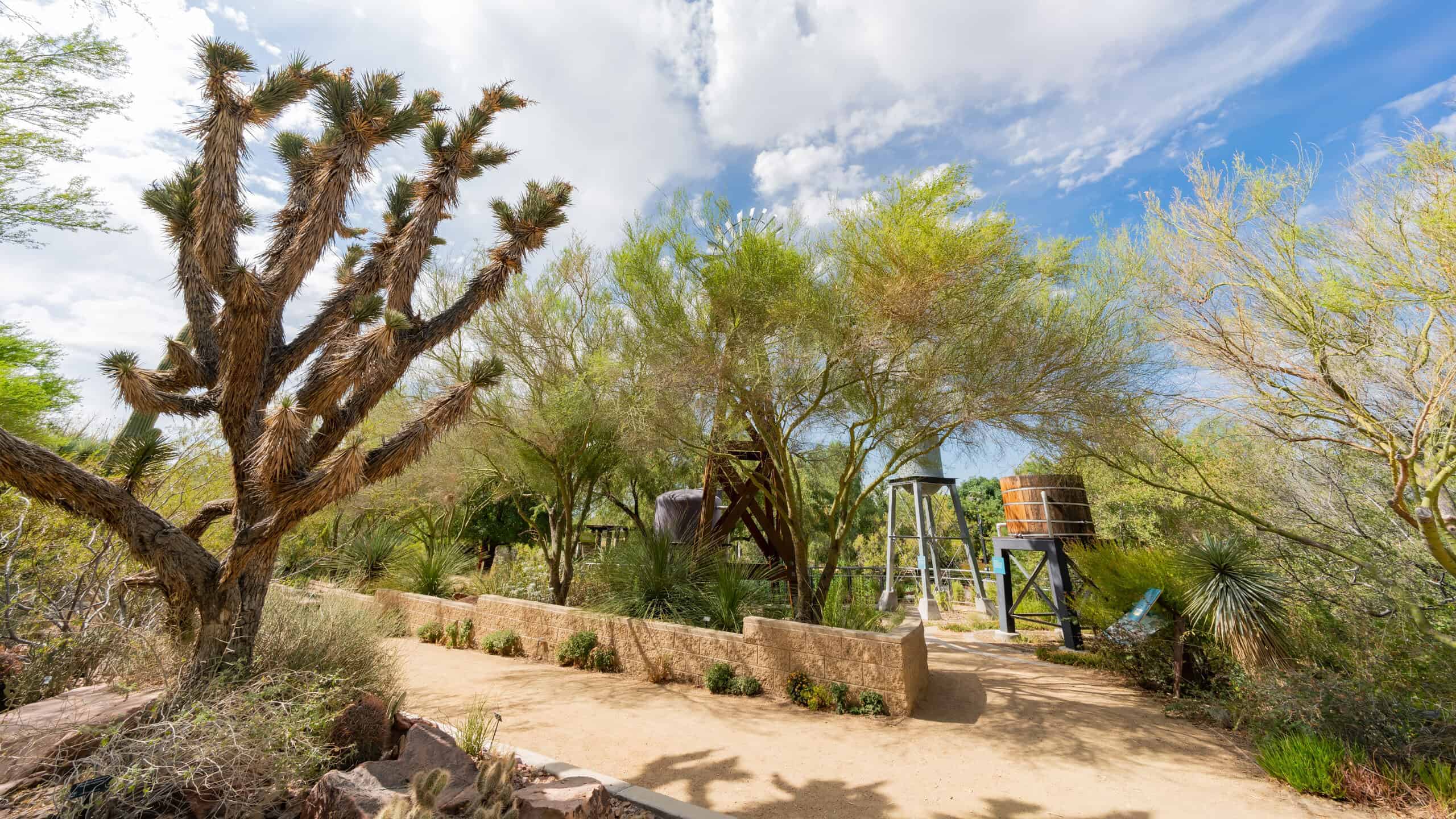
Not all birds are attracted to bright, flashy colors. More cautious ground-feeding birds tend to prefer natural color-palettes including neutral shades like brown, gray, and green. These earthy tones help birds blend into vegetation, which provides camouflage from predators and creates a feeling of safety. Creating a yard with dense greenery, shrubs, and natural hues can encourage shy bird species to spend more time in your garden.
Natural-colored plants to add: dogwood trees, birch trees, daisies, ferns, and succulents
Consider Avoiding White
©high fliers/Shutterstock.com
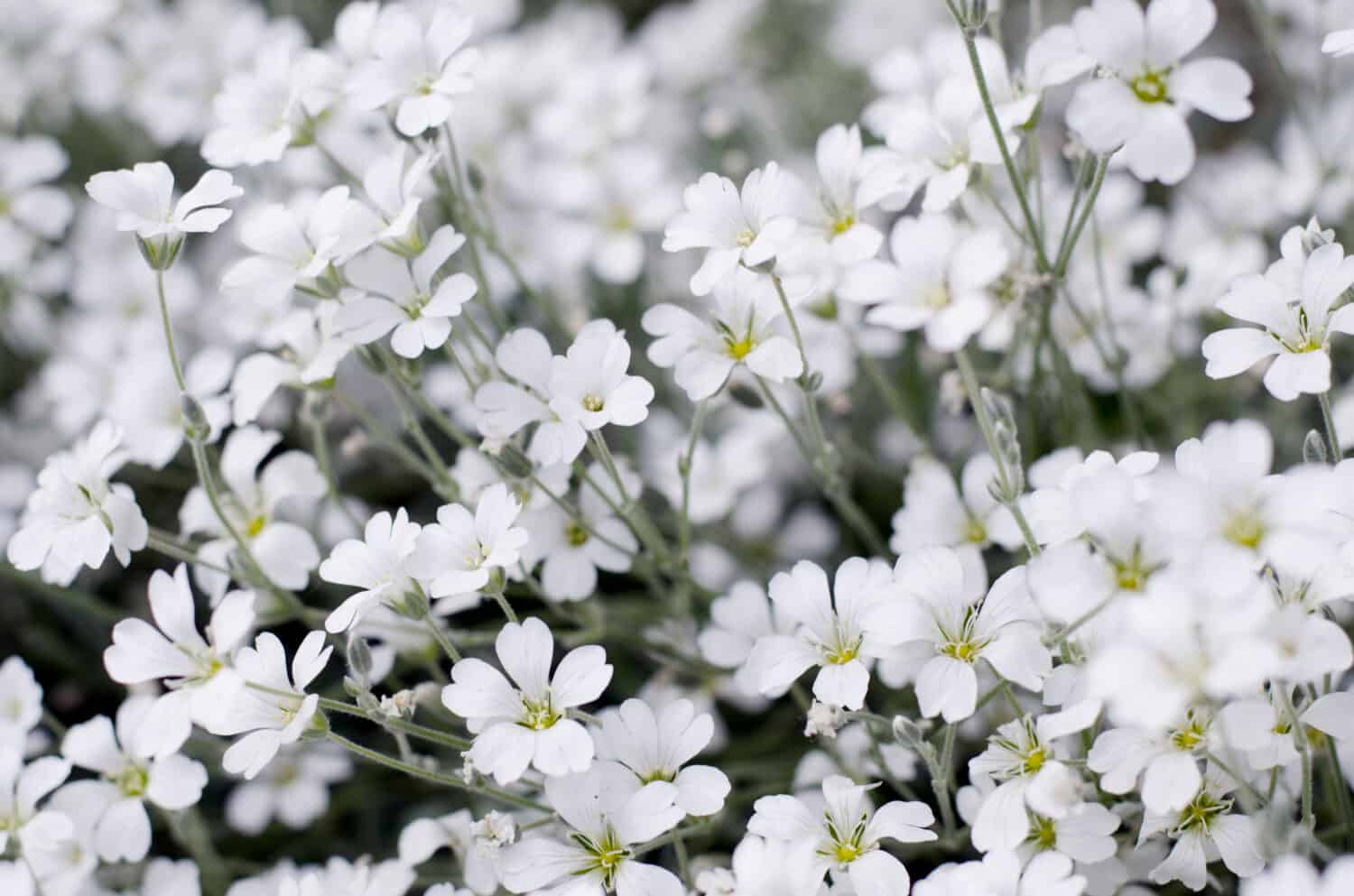
Large amounts of bright white or flashing white can sometimes make birds feel cautious or exposed. In nature, sudden flashes of white can be associated with warning signals or defensive displays by rival birds. White backgrounds can also easily make colorful birds stand out to predators. While white flowers can still attract some species, reducing stark white will do more to draw birds to your space.
Consider Avoiding Metallic

©Qcon/Shutterstock.com
Reflective or metallic objects can discourage birds from staying in an area. Shiny surfaces and reflections can easily startle some species, as they appear unnatural. Objects made of metal, like yard ornaments or constantly moving wind chimes can scare birds away from feeders and nesting spots. Likewise, mirrored surfaces can do the same. Limiting reflective items may help create safer-feeling place for backyard birds.