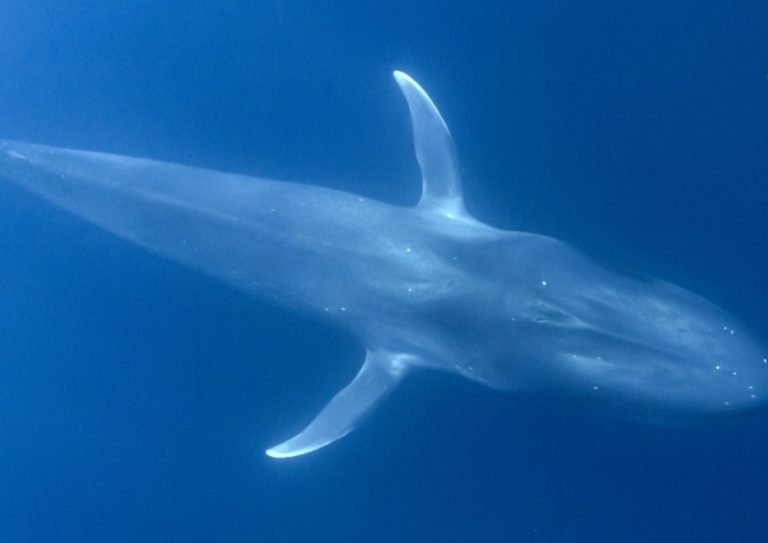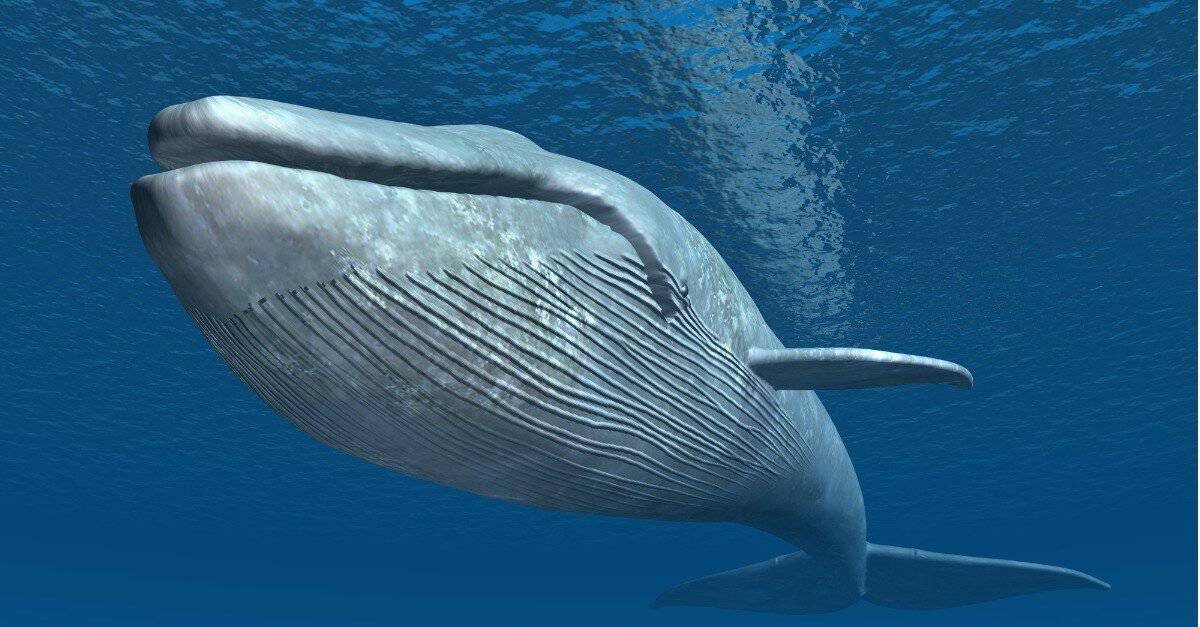

The Antarctic blue whale is the largest animal in the entire world. Yet, how big is that exactly? It’s hard to comprehend the size of something as large as a 10-story building. This can be difficult to imagine, especially when that “something” is a whale living in the same oceans where we swim and play. In this article, we’ll compare the blue whale to everything from humans to megalodons. Keep reading to discover how some of the largest animals that ever lived measure up to the blue whale.
Different Types of Blue Whales
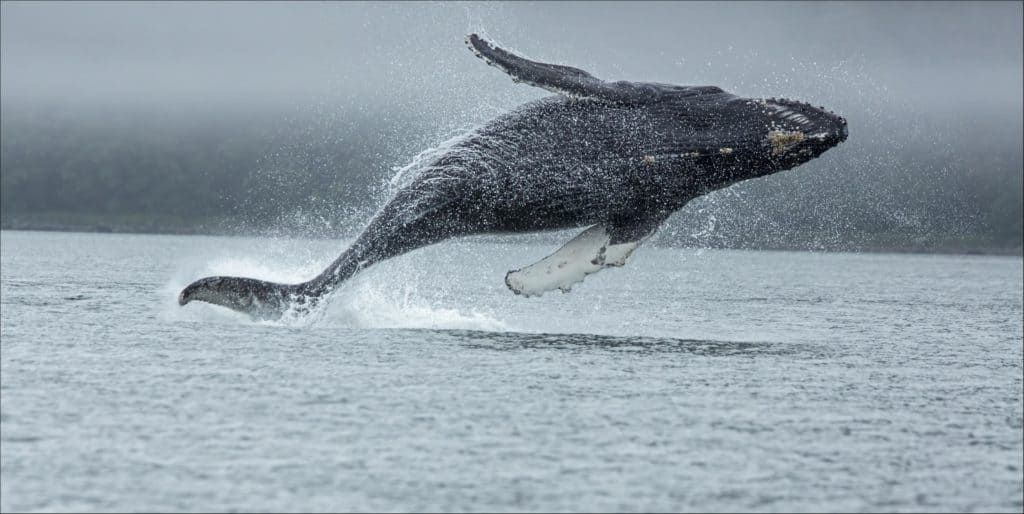
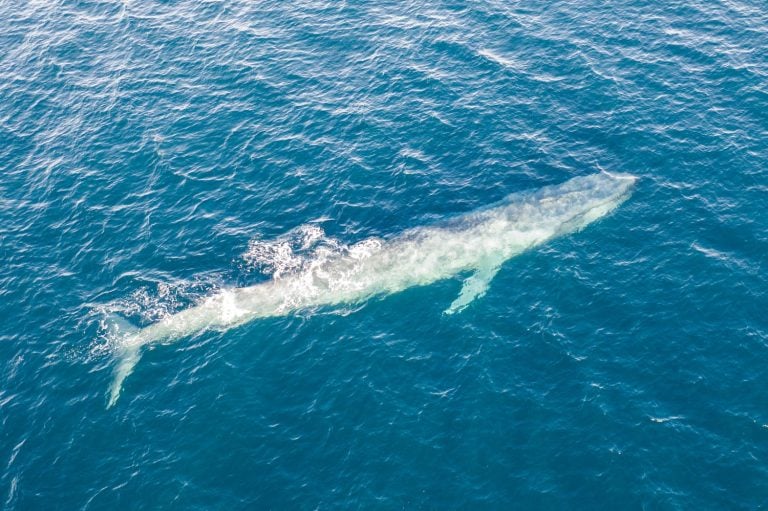
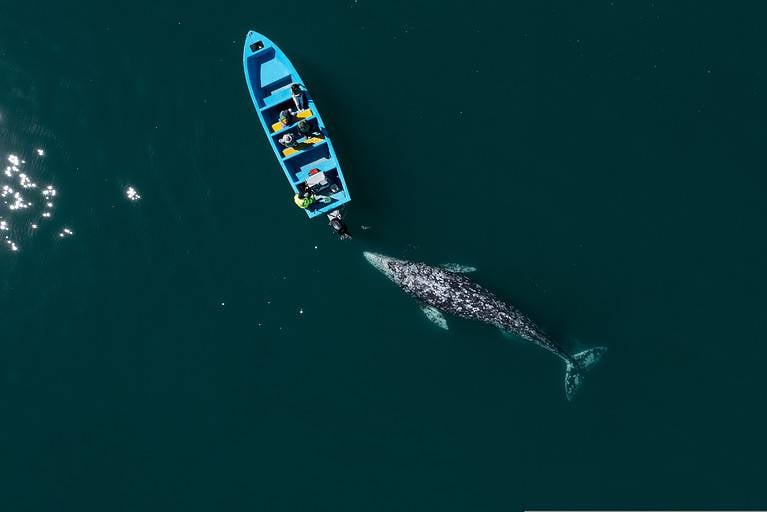
The largest Antarctic blue whale ever recorded was 110 feet long.
©Danny Sullivan/Shutterstock.com
The Antarctic blue whale isn’t just bigger than other land and sea animals. It’s also bigger than other blue whales. In recent years, there’s been a bit of debate in the science community about what exactly makes a blue whale a blue whale. However, as of now, there are five distinct subspecies of blue whales that are currently recognized. These are:
- Antarctic blue whale (Balaenoptera musculus intermedia)
- North Atlantic and North Pacific blue whale (Balaenoptera musculus musculus)
- Pygmy blue whale (Balaenoptera musculus brevicauda)
- Northern Indian Ocean blue whale (Balaenoptera musculus indica)
- Chilean blue whale (Balaenoptera musculus unnamed subspecies)
Of these subspecies, the Antarctic blue whales are the largest. They can grow to lengths of over 100 feet, although whales between 75-90 feet are more common. They average around 80-150 tons, which is about 160,000-300,000 pounds. The females are generally larger than the males. According to Guinness World Records, the longest blue whale ever was just over 110 feet. The female blue whale landed in 1909 at the whaling station in Grytviken in South Georgia in the South Atlantic. The heaviest blue whale ever recorded weighed 418,878 pounds and was caught in the Southern Ocean on March 20, 1947. Not sure how heavy that is? The entire Statue of Liberty weighs around 450,000 pounds.
Blue Whale vs. Human
It’s easy to forget just how big a blue whale is until you compare it to a human. The tail alone is 25 feet wide, which is over four times the average height of an adult woman, which is about 5’3″. This means the blue whale’s entire body is more than 16 times longer than the average adult man (5’8″).
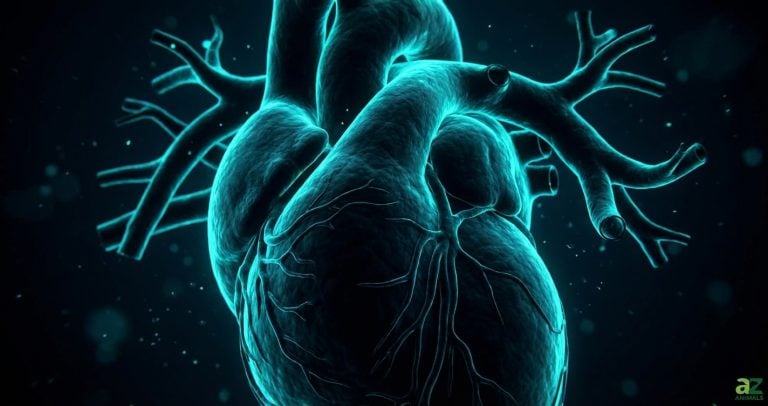
Blue whale hearts are about five feet long and weigh around 400 pounds, which is more than twice the weight of the average human in the U.S. The blue whale’s aorta, which is the largest artery in the body, is large enough for a human to crawl through.
Additionally, since blue whales are at least as long as two school buses, they would be large enough to fit up to 80 people if it were possible to ride on them. However, it might be a bit hard to find a saddle big enough to fit one of these massive animals.
Blue Whale vs. Megalodon
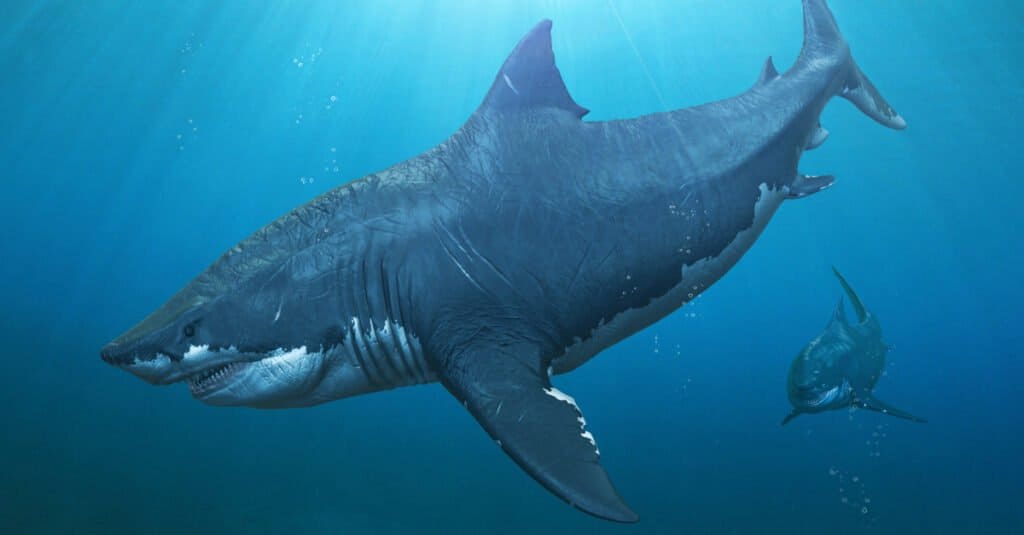
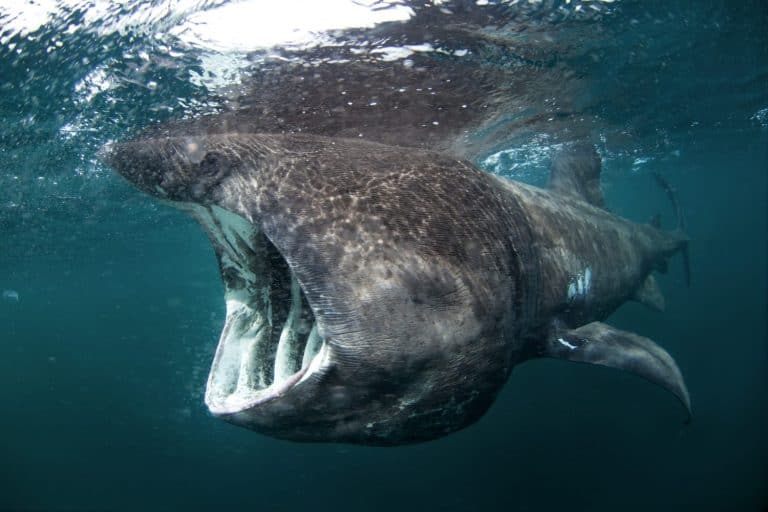
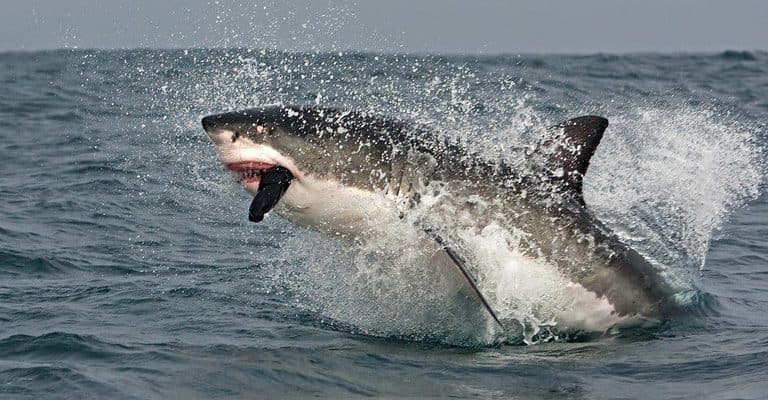
Megalodons were the largest sharks ever, reaching lengths of up to 80 feet.
©Herschel Hoffmeyer/Shutterstock.com
The megalodon was the largest shark to have ever lived, but how does it measure up to the blue whale? Although the largest megalodon is not as big as the largest blue whale, new research suggests the largest megalodons may have been close to the weight and length of the average blue whale.
Megalodons are estimated to have weighed around 94 tons, or 188,000 pounds. The average weight of the blue whale is 160,000-300,000 pounds. However, the largest blue whale is over twice the weight of the megalodon.
Researchers also believe megalodons could have reached around 80 feet long. The average blue whale is between 75-90 feet long. This means that the megalodon was approximately a basketball hoop shorter than the average blue whale and a standard shipping container shorter than the largest blue whale.
Blue Whale vs. Brontosaurus
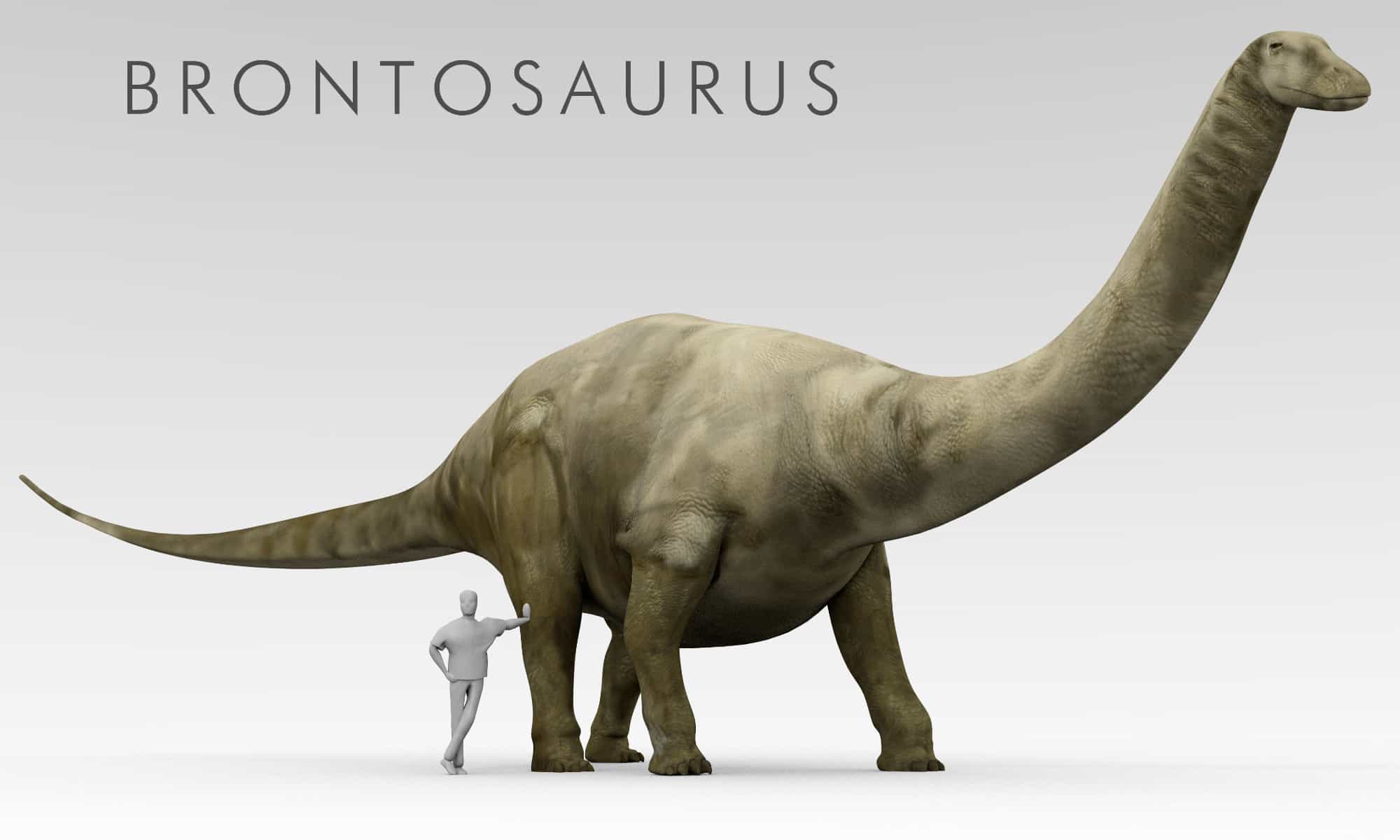
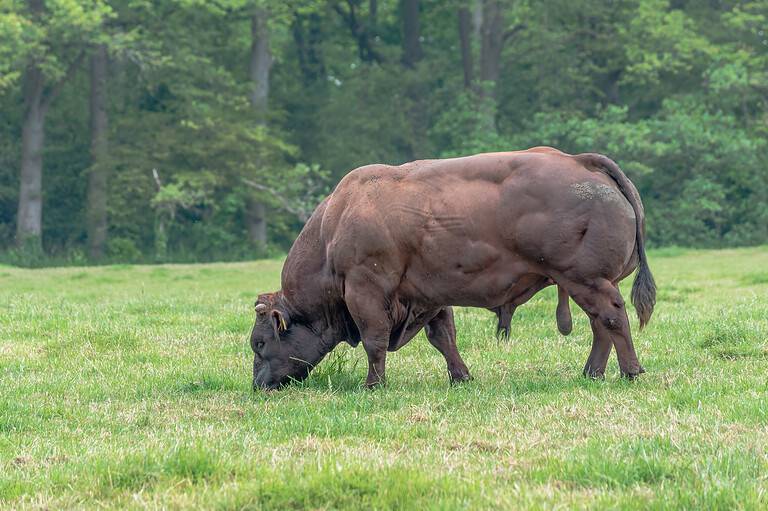
Brontosauruses measured up to 72 feet from the tops of their heads to the tips of their tails.
©iStock.com/Aunt_Spray
When you think about prehistoric dinosaurs, the brontosaurus might be one of the largest ones that comes to mind. After all, these gentle giants were known for their long necks, which allowed them to graze on leaves with ease, much like a modern-day giraffe.
Like the megalodon, the information we have about the size of these animals comes from the fossil record. However, researchers estimate that they were around 72 feet long and weighed as much as 74,000 pounds.
So, in terms of length, the brontosaurus is similar in size to the smallest blue whales. However, it is about two average car lengths shorter than the longest blue whale. It would take four brontosauruses to equal the weight of a single adult female blue whale.
Blue Whale vs. Sperm Whale
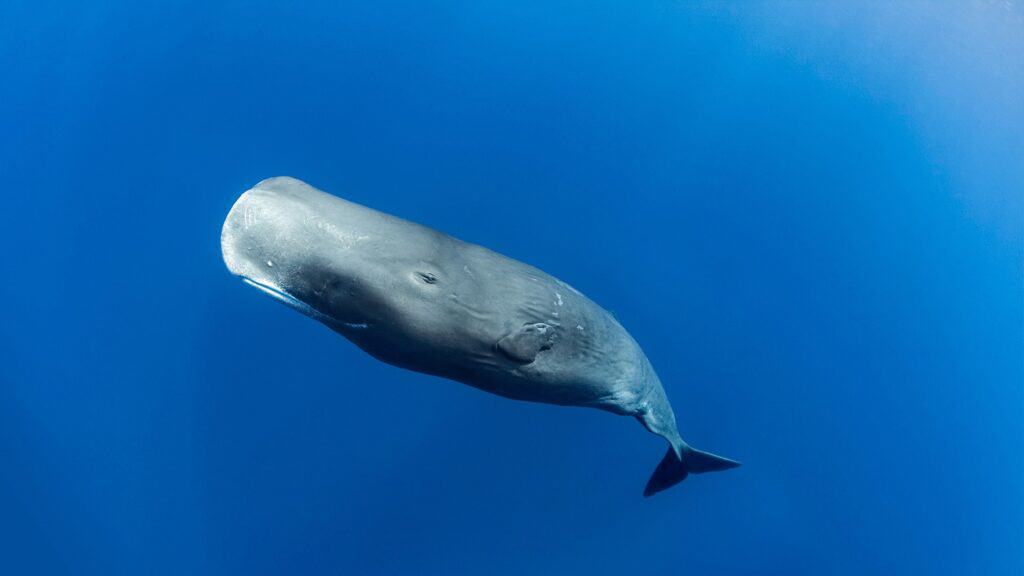
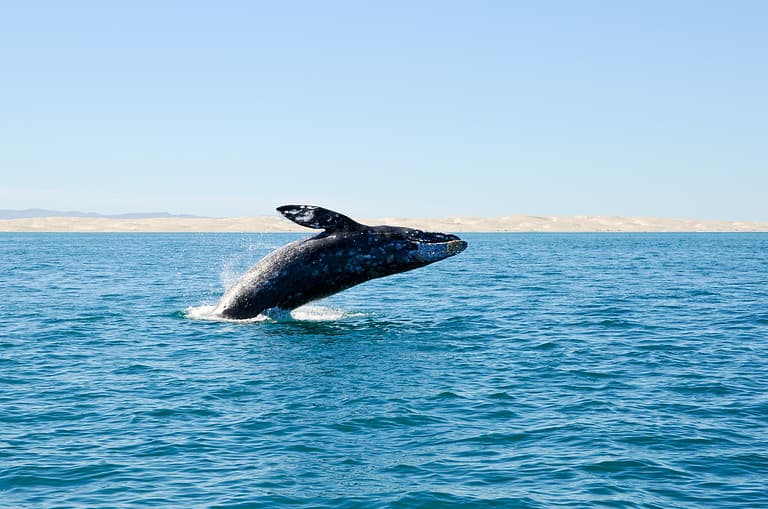
With a maximum length of around 60 feet, the largest sperm whale fails to reach even the shortest length of the average blue whale, which is about 75 feet.
©Animalgraphy/Shutterstock.com
The sperm whale is another one of the largest animals that still exists in the world. In fact, it’s the largest toothed whale. But how does it compare to the blue whale? With a maximum length of around 60 feet, the largest sperm whale is over a car length shorter than the average blue whale, which measures 75-90 feet. This means the sperm whale would be at least a school bus shorter than the longest blue whale.
The average male sperm whale weighs around 90,000 pounds. A large male blue whale reaches around 330,000 pounds. So, it would take more than three sperm whales to equal the weight of a blue whale.
The differences don’t stop there, either. Even the blue whale’s organs are huge compared to the sperm whale’s. The heart of a sperm whale is about four feet long and weighs over 270 pounds. However, the blue whale’s heart is about five feet long and weighs around 400 pounds. So, while the sperm whale may be the largest toothed predator in the world, it doesn’t come close to the size of the majestic blue whale.