
As a pet owner, you might be wondering whether or not you can get your cat sick. For example, perhaps you came down with the flu or maybe you contracted COVID-19 and are worried you can pass the illness to your cat. We don’t want our feline loved ones to suffer the way we do when we’re sick, but it can feel impossible to avoid contact with our pets when we are ill. For example, maybe you live alone so you’re the only one who can feed your cat and clean up after it. You might then stress about whether you are spreading your germs to your beloved cat.
This article will explore whether or not cats can get sick from humans — and if so, what viruses they can catch.
Can Cats Get Sick From Humans?
In some cases, cats can get sick from humans, but it is extremely rare. If you have the flu, a cold, or another virus, most professionals will tell you your feline is safe and that you can’t pass the sickness on to your cat. Some illnesses technically can transfer to your cat (there are a few documented cases of this); but most likely, you don’t have to worry about infecting your beloved feline with whatever illness you are battling.

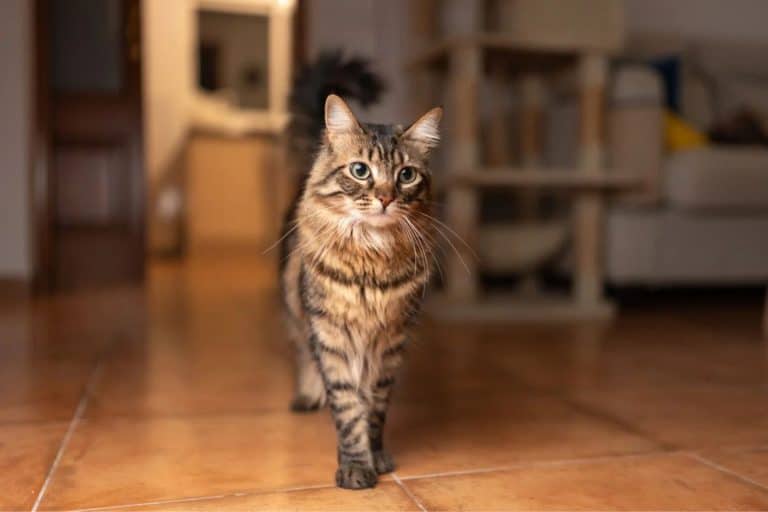
When your cat is sick, you should take it to the vet immediately.
©javitrapero/iStock via Getty Images
The reason cats usually can’t get sick from humans is that most viruses are specific to an animal/species. For example, there are feline-specific respiratory diseases that only cats can contract.
However, there are certain bacterial infections you can transfer to your cat and vice versa. Professionals state that cats can also come down with COVID-19. Again, this is rare, and most cases are extremely mild for the cat.
Common Illnesses You Can Spread to Your Cat
You might be wondering what specific sicknesses you can pass to your cat if any. Ringworm, a type of fungal infection that affects the skin, can pass from human to cat and vice versa. Cats typically experience dry or scaly patches of skin when they are infected with ringworm while humans experience a telltale sign of a round red and itchy skin infection. Though it isn’t as common as spreading it between the same species, if you have ringworm, you’ll want to avoid touching your cat with the infected part of your skin.
Additionally, there are many diseases humans can help pass to cats — not via their own infection but by facilitating its spread. For example, if you touch raw meat and then feed your cat, you can spread bacteria like salmonella to your feline loved one. Or, if you smoke in your home or around your cat, you increase their chances of contracting smoking-related diseases.
How to Prevent Sickness in Cats
Cats can bec infected with viruses that exist among their species. They can spread influenza viruses from cat to cat through direct contact with an infected feline. If one of your cats is sick, another one can quickly catch the same illness through air droplets, via contaminated surfaces, and even by simply sleeping next to the infected cat. It’s crucial to vaccinate your cats to protect them from these common sicknesses. Just as many humans get the annual flu vaccine, many cats will receive regular immunizations to prevent infections.
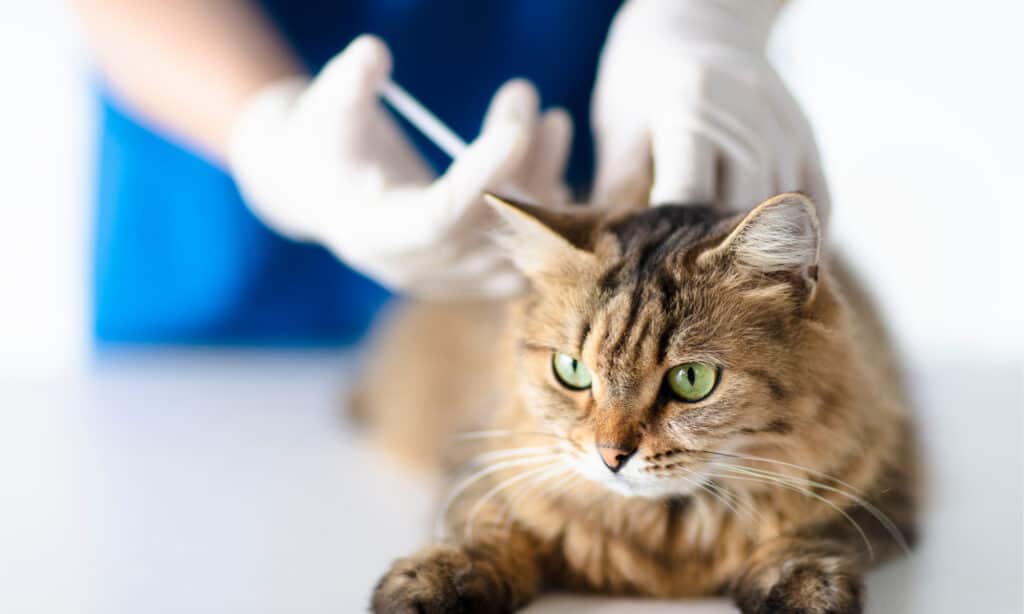
Vaccines are a great form of preventative care for cats.
©Tom Wang/Shutterstock.com
Keeping up with your cat’s regular vaccines and checkups will help keep your cat healthy. There are many immunizations your cat can get to protect it from feline respiratory diseases. Not only that, but if your cat does come down with something, you should quickly get the right medication or antibiotic to cure the illness. Cats can often catch gastrointestinal sicknesses the way humans do or their version of the cat flu. Thankfully, just as it does in humans, these illnesses clear up relatively quickly.
Additionally, practice regular sanitation by keeping your cat’s litter box clean, cleaning your counters after cooking, and washing your hands thoroughly to stop the spread of germs.
Got a Sick Cat?
If your cat is displaying symptoms of an illness, such as wheezing, lethargy, a poor appetite, or loose stools, take it to the vet right away. Additionally, make sure your cat gets enough rest, hydration, and support to speed its recovery. Keep an eye on any signs of severe illness, and be sure to treat your cat with some extra love during this time. Cats need downtime for recovery just like humans, so cultivate a calm and healing environment in which they can rest.