
Quick Take
- Those chaotic sprints look like pure silliness, but there's a specific survival skill hiding inside every wild leap and pounce. See why play matters →
- Snow leopards can pull off a physical feat in a single bound that most people would never guess was possible. Discover their leaping ability →
- The two cats playing together sends a surprisingly misleading message about how snow leopards actually live their lives. See their solitary reality →
- These cubs spend nearly two years with their mother, and what they're practicing the whole time isn't what it looks like. Learn what cubs are practicing →
Apparently, the zoomies are not limited to the cat sleeping on your couch.
In this clip, a pair of young snow leopards suddenly tears around their enclosure, chasing, pouncing, climbing, and launching themselves off anything that gets in the way. For a few seconds, one of the world’s most elusive big cats looks remarkably like an oversized house cat that decided 2 a.m. was the perfect time to sprint through the living room.
Watch These Snow Leopards Get the Zoomies
The fun part is how familiar the behavior looks. One cat races away, the other gives chase, and moments later they are wrestling, pouncing, and changing direction seemingly just because they can.
“Zoomies” is obviously not a scientific term, but the bursts of energetic play seen here are very real. Young cats commonly chase, stalk, wrestle, and pounce during play, behaviors that also exercise their bodies and help develop skills they will use as adults.
That Play Has a Purpose
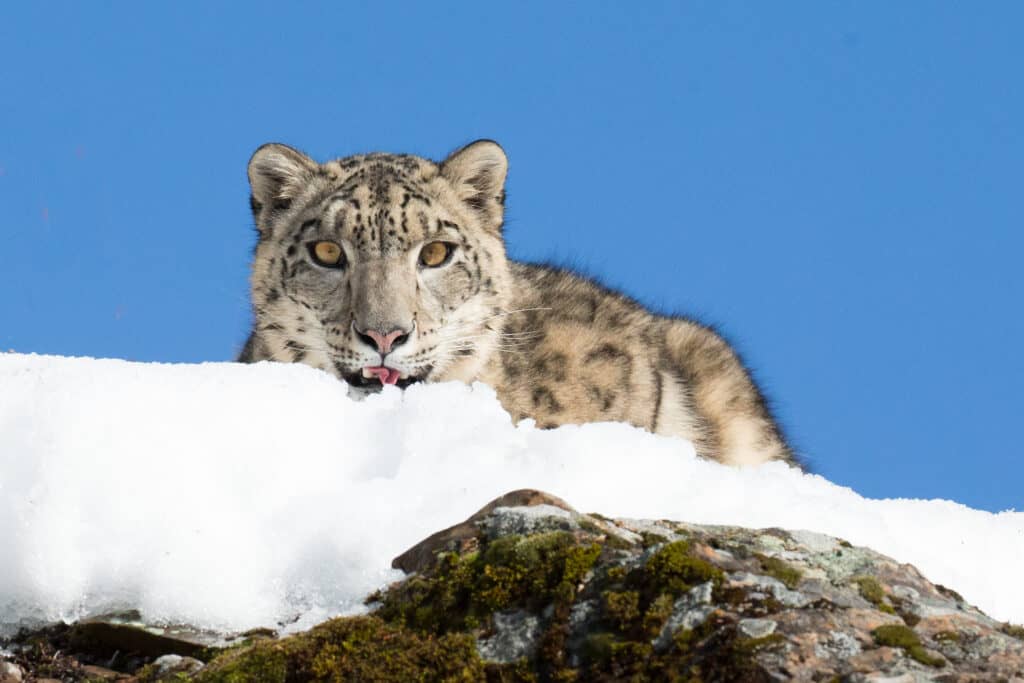
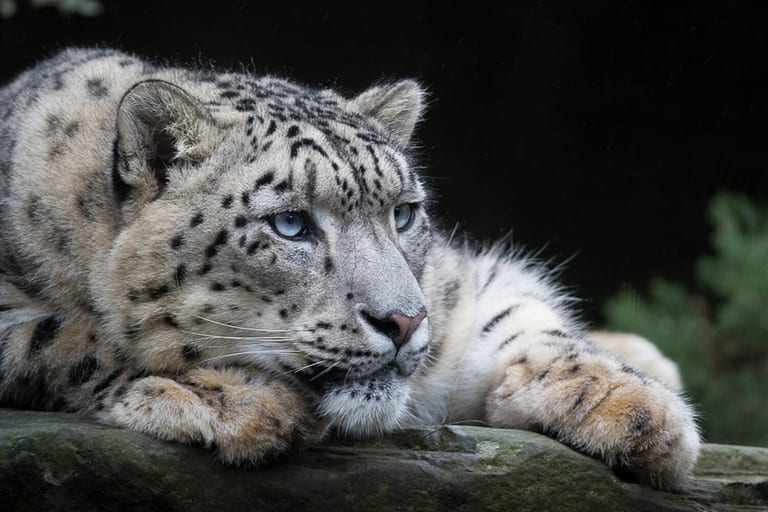
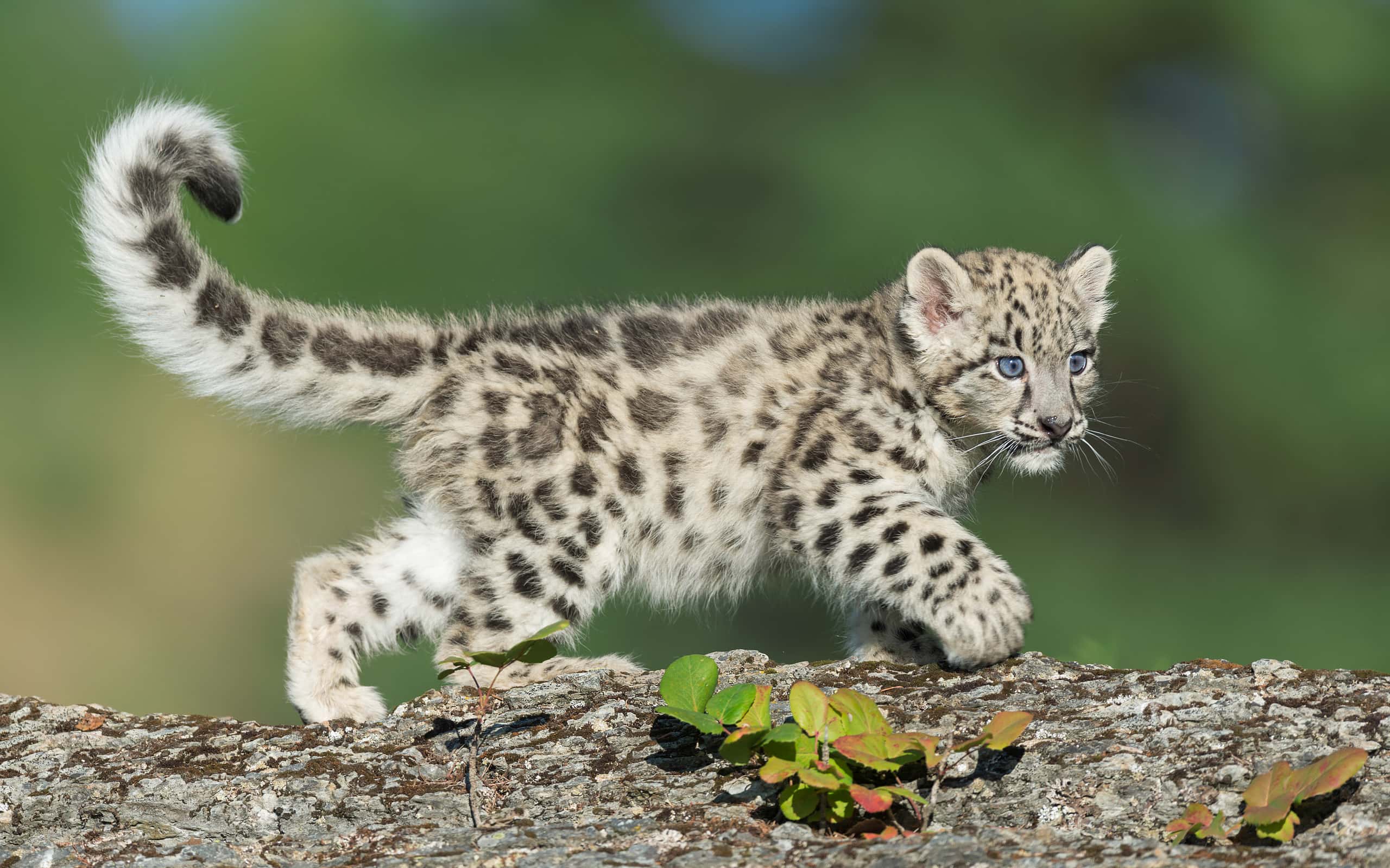
Young snow leopards use play to practice movements they will rely on as adults.
©Warren Metcalf/Shutterstock.com
Snow leopard cubs spend a long time learning how to be snow leopards. Youngsters remain with their mother for roughly two years, and during that time they explore, chase, wrestle, stalk, and pounce. Zoo keepers have observed cubs practicing those same hunting-style behaviors on their siblings and even on their mother.
That does not mean every sprint in this video is a serious hunting lesson. Sometimes a young cat is simply playing. But chasing and pouncing still work the same muscles, coordination, balance, and reflexes that become extremely important when those cats have to navigate steep mountain terrain or pursue prey.
Snow Leopards Are Built for This
The ridiculous-looking leaps in the clip make a lot more sense when you consider where snow leopards evolved. Their scientific name is Panthera uncia, and wild snow leopards inhabit rugged mountain systems across Central and South Asia.
Powerful hind legs give them impressive jumping ability, while their large paws help them move across snow and uneven ground. Their unusually long tails work as counterbalances while climbing and leaping. Some zoo sources estimate that a snow leopard can cover as much as 50 feet in a single horizontal leap.
The Playmates Won’t Always Be So Social
Seeing two snow leopards happily chasing each other can also give a slightly misleading impression of their adult social lives. Wild adult snow leopards are generally solitary. Outside of mating encounters, the main exception is a mother traveling with her cubs.
They communicate largely without spending much time together, leaving scent marks and scrapes throughout their home ranges. Young snow leopards, however, can spend many months with their mother and littermates before eventually dispersing on their own.
Until then, there is apparently still plenty of time for wrestling, pouncing, and the occasional case of big-cat zoomies.