
Quick Take
- One animal on this list might avoid rabies because of its body temperature, a fact that scientists still don't fully understand. Opossums and body temperature →
- For several small animals, surviving a rabies attack is incredibly unlikely. Why small size is protective →
- One creature on this list is genuinely notorious for spreading a terrifying disease, though not the one people assume. Armadillos and leprosy →
- If you spot one wild animal acting strangely, your rabies assumption is probably wrong, and mistaking the cause could matter. Strange deer behavior explained →
Rabies is one of the world’s most feared diseases, so it’s no surprise that people have anxiety surrounding this fatal illness. Fear leads many to assume certain wild animals are likely to be infected. However, many of these creatures with a reputation for carrying rabies rarely contract the virus. Sometimes an animal’s appearance or behavior has led to this erroneous connection to rabies. While any mammal can technically get rabies, the actual risk varies majorly between species. Here are eight animals that the public assumes have rabies but generally have a very low chance of carrying the horrendous disease.
1. Opossums
©iStock.com/rexlis
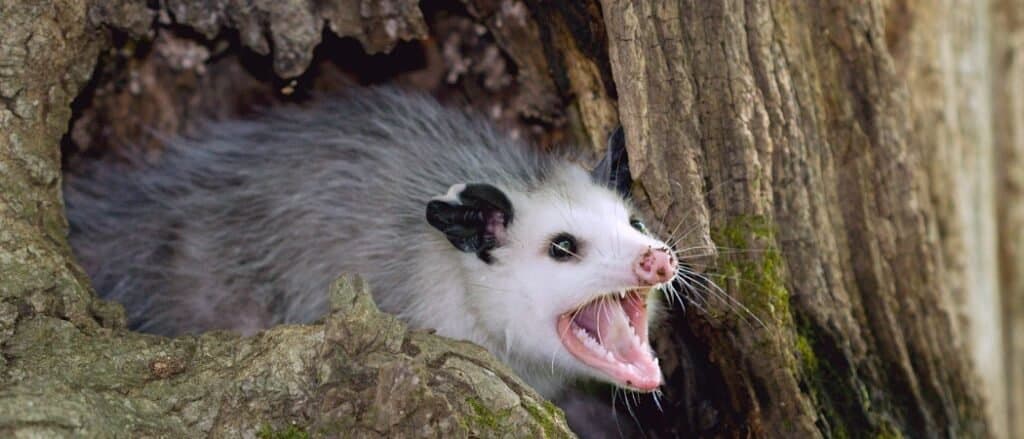
Opossums have a highly undeserved reputation when it comes to rabies. Their hissing, drooling, and at times, downright unattractive appearance can make them seem sick or dangerous. In reality, opossums rarely contract rabies. Scientists aren’t entirely sure why this is, but one theory is that their relatively low body temperature makes it harder for the virus to thrive. A surprising number of people mistakenly assume these marsupials are common rabies carriers when they are actually one of the least likely wild mammals to have it.
2. Squirrels
©Giedriius/Shutterstock.com
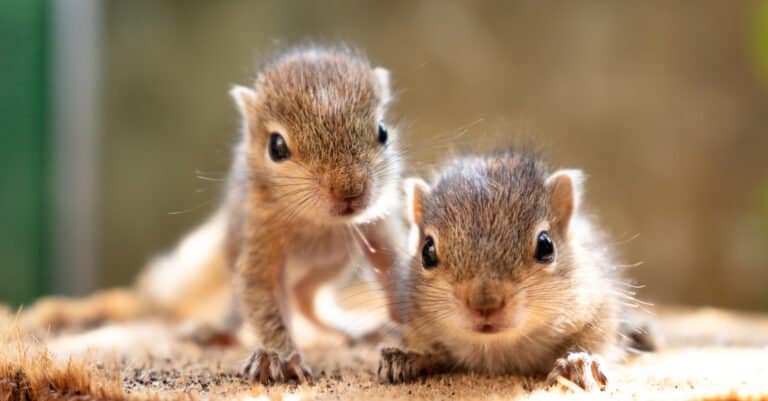
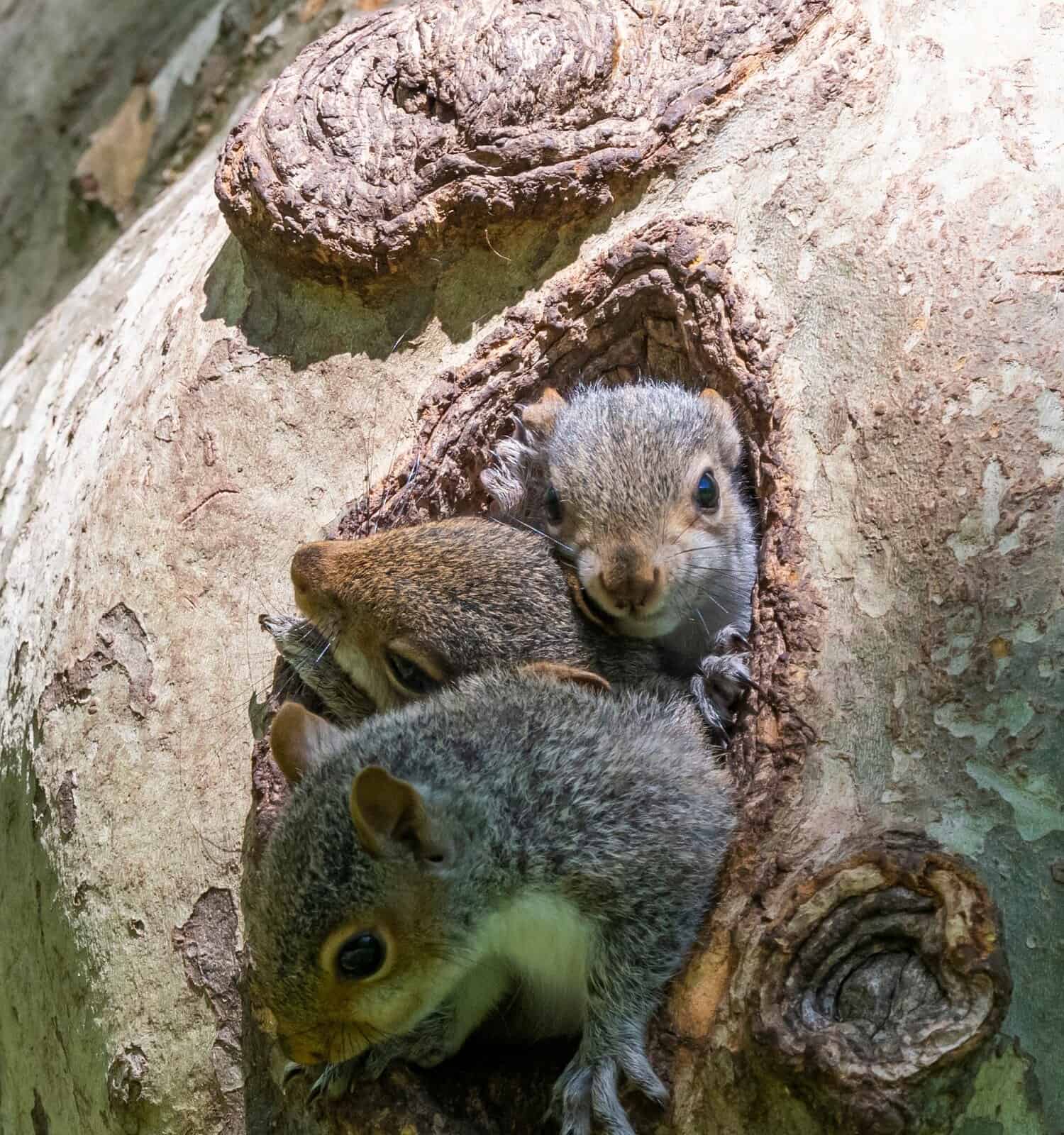
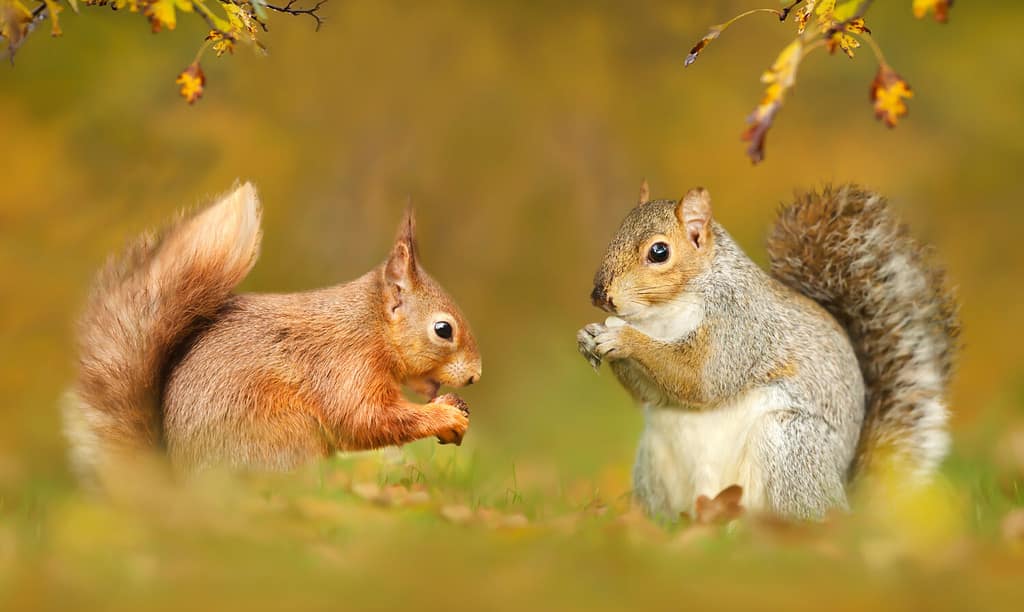
Many people are alarmed when squirrels act boldly or approach humans for food, which they frequently do in populated areas. However, squirrels almost never test positive for rabies. For an animal to contract rabies, they have to be bitten by a rabies-carrying predator. Because they are small animals, they are unlikely to survive attacks by larger, rabid animals capable of transmitting the disease. Simply put, any squirrel exposed to rabies is unlikely to survive the initial attack that transmitted the virus. As a result, cases of rabies in squirrels are extremely rare.
3. Mice
©Eric Isselee/Shutterstock.com
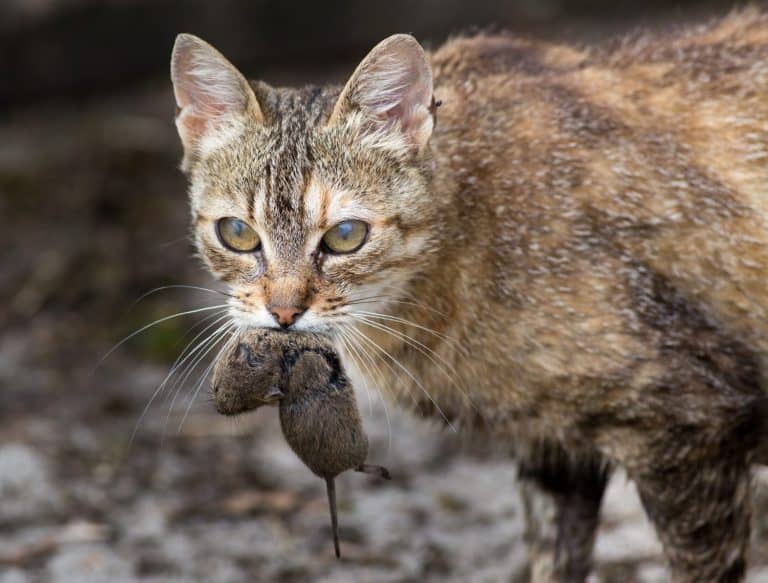
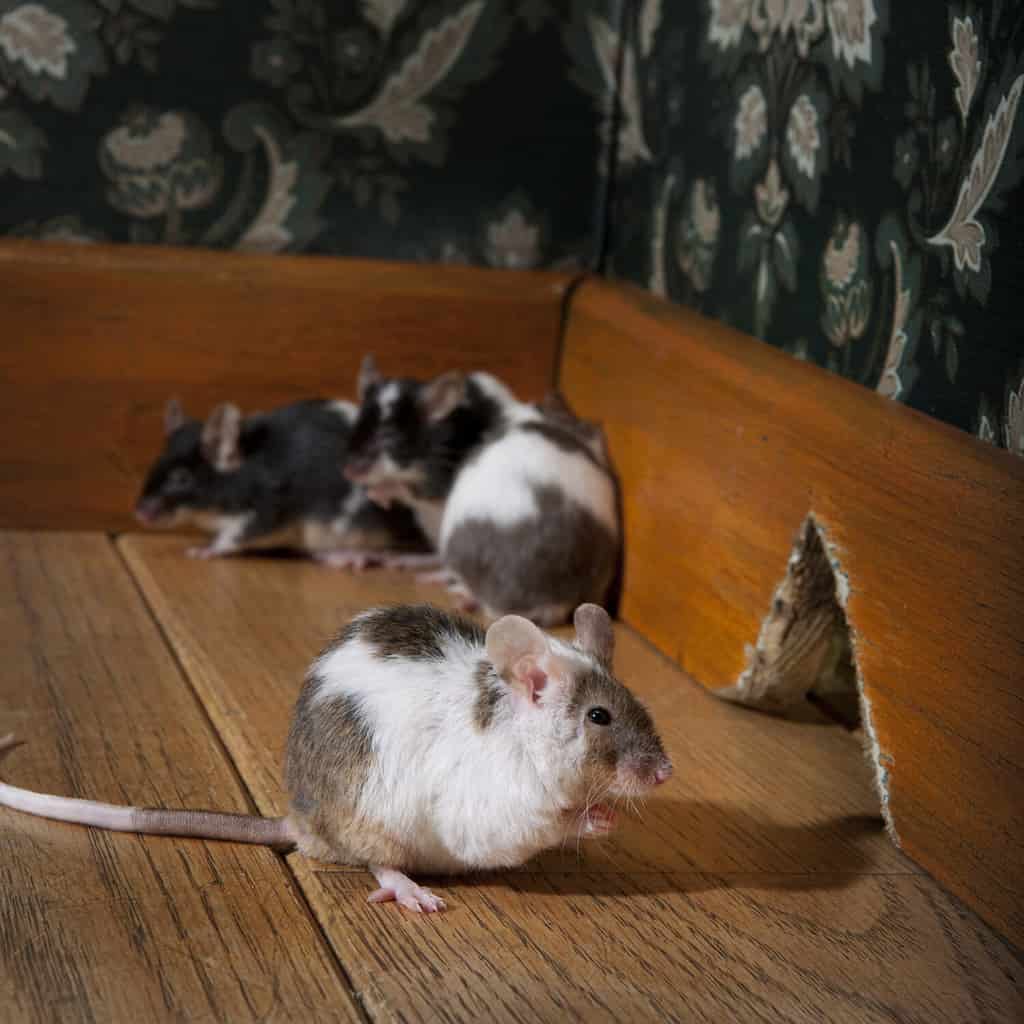
Rodents are associated with disease in general, so many people assume rabies is just one of the threats they carry. However, rabies infections in mice are exceptionally uncommon. Like squirrels, mice are usually killed immediately when attacked by infected animals. They won’t live long enough to become infected and spread the virus. Though documented cases in mice do exist, they are super rare.
4. Rats
©Nigel Harris/iStock via Getty Images
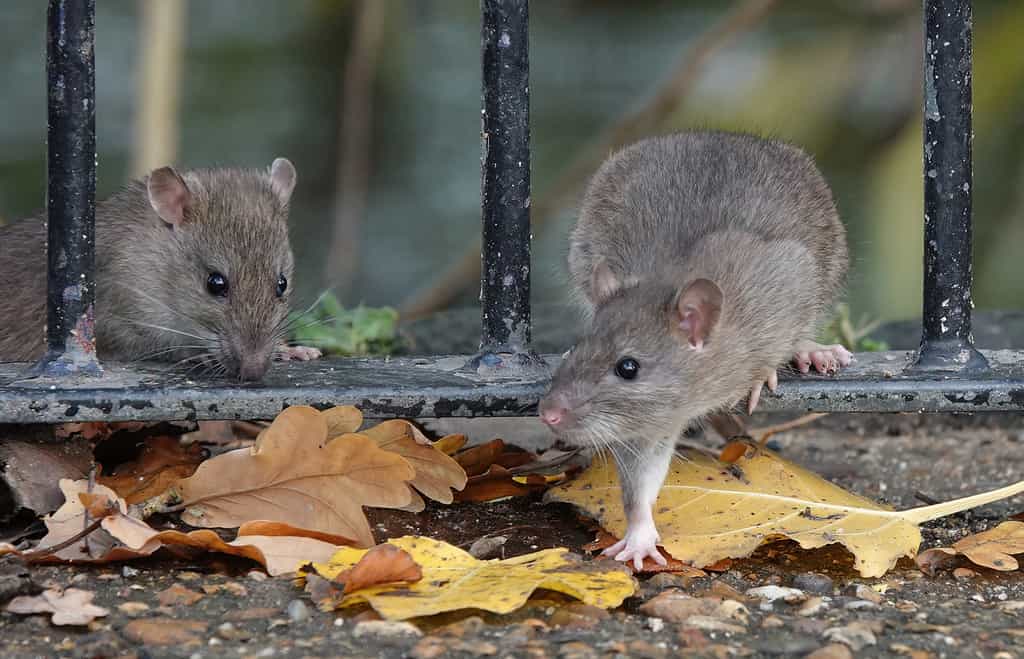
Rats suffer from an even worse reputation than mice. Due to their disease carrying frequency, these rodents are rightly blamed for numerous diseases. However, rabies is not usually one of them. Rats are very rarely found to be infected with the virus. As with other tiny creatures, their size means a short survival period after attacks by predators, helping to keep infection rates very low. Public health officials say rats are not major rabies concerns.
5. Rabbits

©SakSa/Shutterstock.com
Due to their skittish nature and cutesy appearance, rabbits seem like odd candidates for rabies fears, but many people believe they have a high likelihood of carrying the disease. A shocking number of people worry about being bitten by a wild rabbit. The truth is that rabies in rabbits is exceedingly rare. If a bunny is attacked by a rabid fox or raccoon, they will likely die on the spot. Cases happen on occasion, but they are labeled highly unusual. A rabbit behaving strangely is far more likely to be the victim of another illness.
6. Guinea Pigs

©Rita_Kochmarjova/Shutterstock.com
Guinea pigs are far more encountered domestically than in the wild. Still, some owners worry their pet could have somehow gotten rabies. Fortunately, guinea pigs almost never contract the fatal disease. There are only a handful of documented cases. Particularly for pet guinea pigs, rabies is near the bottom of the list of concerns.
7. Deer

©Danita Delimont/Shutterstock.com
Stories about aggressive deer sometimes lead people to think rabies is the culprit. It’s true that deer can contract the virus, but cases are uncommon. Deer with odd behaviors are probably suffering from injuries, other infections, or neurological disorders. In specific regions, chronic wasting disease is a possibility. Rabid deer make up a very small percentage of animal rabies cases overall.
8. Armadillos
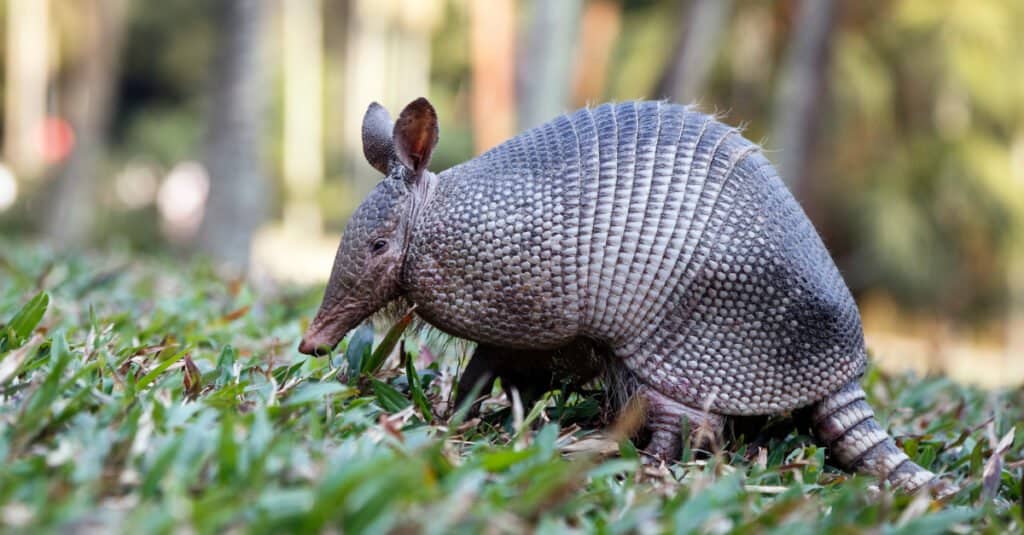
©Klaus Balzano/Shutterstock.com
Armadillos have a reputation for carrying unusual diseases. And this bad rep is valid due to the animal’s ability to spread leprosy bacteria, though it happens rarely. This association with sickness causes some people to assume they are also commonly infected with rabies. In truth, rabies in armadillos is highly unlikely. Though scientists are sure why, armadillos are much less likely to carry rabies than animals like bats, raccoons, foxes, and skunks.