
Quick Take
- Chihuahuas have 42 teeth in adulthood, with incisors 3/3, canines 1/1, premolars 4/4, and molars 3/3.
- Incisors and canines nip, bite, cut, and shred flesh, while premolars and molars crush food.
- Chihuahuas are prone to dental disease due to their small mouths, risking tooth loss and heart disease if untreated.
The chihuahua, recognized as the world’s smallest dog breed, originates from Mexico and was officially recognized by the American Kennel Club (AKC) in 1904. Chihuahuas have large eyes, erect ears, and either apple-shaped or deer-shaped heads, with coats that can be either smooth or long. Chihuahuas are lively, loyal, alert, and bold, despite their small stature. While chihuahuas are especially prone to dental disease, the most prevalent and significant health problem in the breed, they can also be susceptible to other health issues, such as obesity. Continue reading to learn everything you need to know about chihuahua teeth, including how to care for them.
How Many Teeth Do Chihuahuas Have?

An adult chihuahua has a total of 42 teeth.
©iStock.com/kuricheva
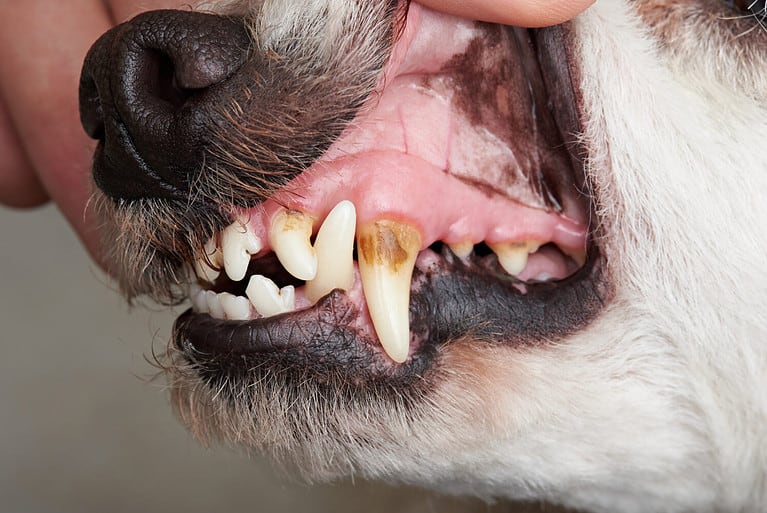
Chihuahuas have a complete set of mammalian heterodont teeth, including incisors, canines, premolars, and molars. An adult chihuahua’s complete set of teeth is composed of 42 teeth. The usual dental formula for dogs is: incisors 3/3, canines 1/1, premolars 4/4, molars 3/3. This indicates the number of each type of tooth in the four quadrants of the dog’s jaws: upper left, upper right, lower left, and lower right. The first number represents the teeth in the upper jaw (maxilla), and the second number represents those in the lower jaw (mandible).
Chihuahua puppies have 28 deciduous (baby) teeth, with a formula of incisors 3/3, canines 1/1, and premolars 3/3. These teeth will start to appear when the puppies are five to six weeks old. When they are five to six months old, chihuahua pups begin to get their permanent adult teeth, a process that takes about three months.
Although they have the same types of teeth as other dogs, the chihuahua’s tiny jaws struggle to accommodate all 42 relatively large teeth, which can lead to severe crowding, crooked teeth, and retained baby teeth.
How Do Chihuahua Teeth Work?
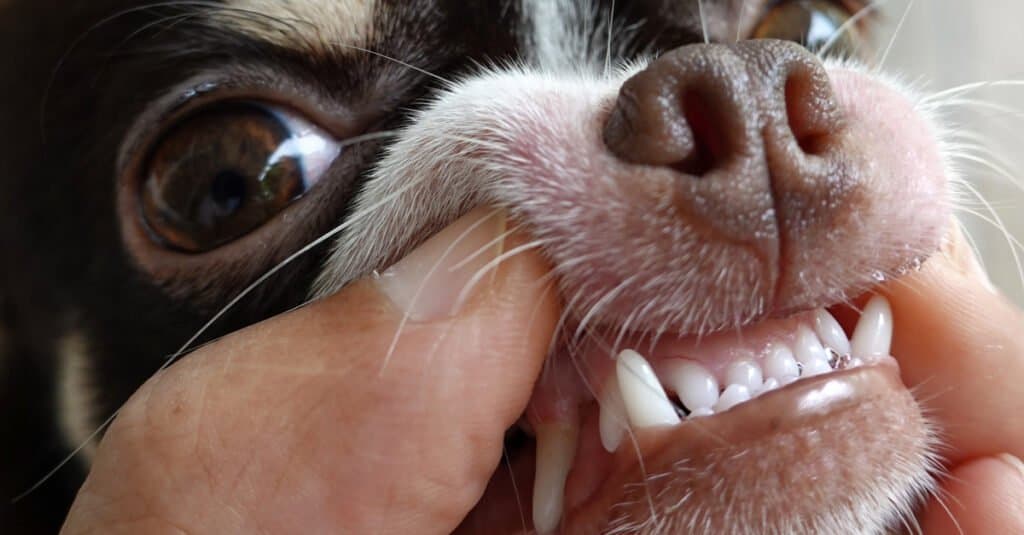
Clean chihuahua teeth can help them live a longer and healthier life.
©Chang-Pooh24/Shutterstock.com
Chihuahuas use their teeth in much the same fashion as other mammals, including humans. They use their incisors (front teeth) and canines (fang-like teeth) to nip, bite, cut, and shred their food, while the premolars and molars are used to further crush their food.
Premolars are the teeth just behind the canines. They are used to cut meat and food into small pieces and are primarily used for chewing. At the back of their mouths are the molars, which are used to break down food.
Dental Issues in Chihuahuas.

Annual teeth-cleaning is recommended for most small-breed dogs, including chihuahuas.
©Javier Brosch/Shutterstock.com
Of their 42 teeth, chihuahuas will eventually lose some of them.
Overcrowding of teeth is common in small dogs like chihuahuas, making the natural cleaning process that occurs through chewing less effective.
Keeping your chihuahua’s teeth clean and healthy is extremely important to help them live a long and healthy life. Chihuahuas have an average lifespan of 14 to 16 years. However, this estimate can be significantly shorter if the dog does not receive regular dental care. Annual dental check-ups and cleaning are recommended.
How do I Know if My Chihuahua has Bad Teeth?

Chihuahuas, like all small dogs, are more prone to dental disease which can cause additional health problems.
©Al_Er/Shutterstock.com
All dogs can be in danger of developing canine periodontitis but small dogs are more susceptible to dental disease than larger dogs due to the anatomy of their mouths, heads, and faces. This periodontal disease affects the tooth-supporting tissues and can lead to tooth and tissue loss. Dental disease not only causes tooth loss but can also put your dog at risk of developing heart disease.
Some common signs that your chihuahua needs its teeth cleaned include:
- Bad breath
- Bleeding or inflamed gums
- Bloody or ropey saliva
- Blood on toys
- Discolored teeth (brown or yellow)
- Irritability
- Fractured sleep patterns
- Favoring one side of the mouth
- Loss of appetite
- Loose or missing teeth