
Quick Take
- Prehistoric pigs looked quite different from modern-day pigs.
- These ancient omnivores sportedlong tusks and head protuberances.
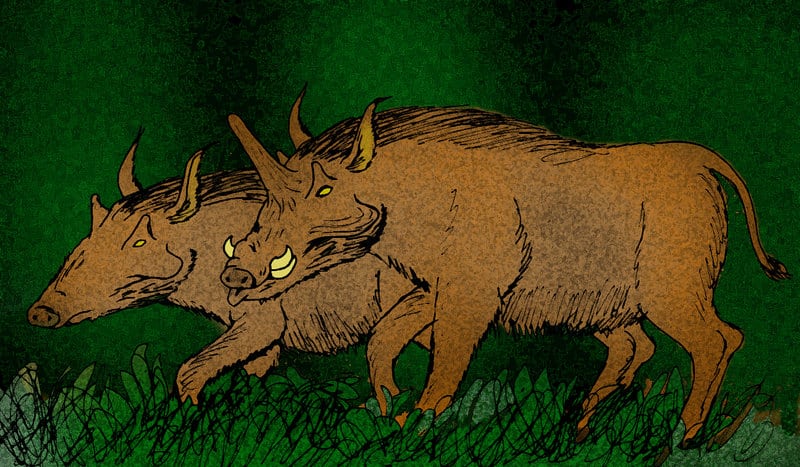
- Kubanochoerus is an extinct genus of long-legged pigs that lived during the early to middle Miocene period.
- Similar animals in today’s world include the pygmy hog and the giant forest pig.
Long before modern pigs rooted through forests and farmyards, their prehistoric relatives roamed ancient landscapes. And they looked far more fantastical while doing so. Some species sported elongated tusks, odd cranial bumps, and towering snouts that gave them an almost mythical appearance. This led some enthusiasts to compare them to unicorns in porcine form. These unusual features were the products of millions of years of evolution, shaped by competition, feeding strategies, and ecosystems that bore little resemblance to today’s world.
Fossil discoveries across Eurasia and North America reveal that these “unicorn pigs” were anything but gentle fairy-tale creatures. Many were formidable omnivores with powerful jaws and imposing builds. Their bizarre skull structures (sometimes featuring prominent horn-like projections or exaggerated tusks) likely helped them battle rivals, dig for food, or intimidate predators. These prehistoric pigs remind us just how strange evolution can be when viewed through the lens of time.
Kubanochoerus: the ‘Unicorn Pig’
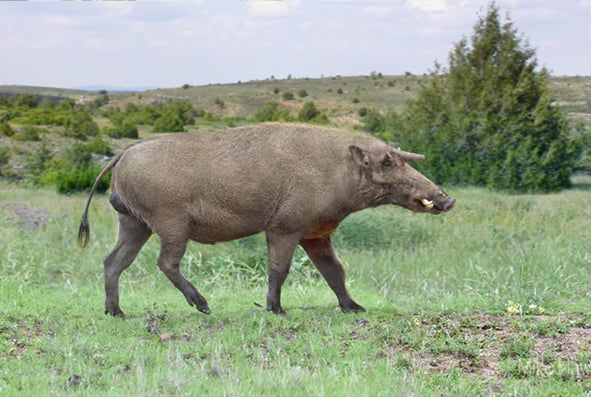
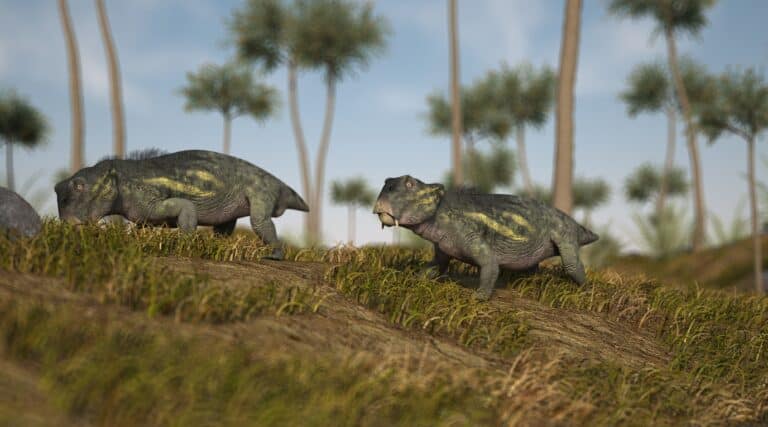
Kubanochoerus is an extinct genus of long-legged pigs that lived during the early to middle Miocene period. Kubanochoerus gigas is the largest species in this genus and estimates suggest it may have weighed over 1,100lb, though size remains debated. The skull of kubanochoerus had large cranial bosses or bony protuberances that came out the top of their head. While these were not definitively horns, this feature is what gives them their unicorn resemblance.
It is hypothesized that only males had the bony protuberances on their heads. Jousting and attracting mates are possible uses. This animal had long legs and a robust pig-like body. Modern pigs and other ancient fossils of similar species were used to discover how this animal looked. Their size and the unicorn horn are their most identifying traits.
Discoveries and Fossils
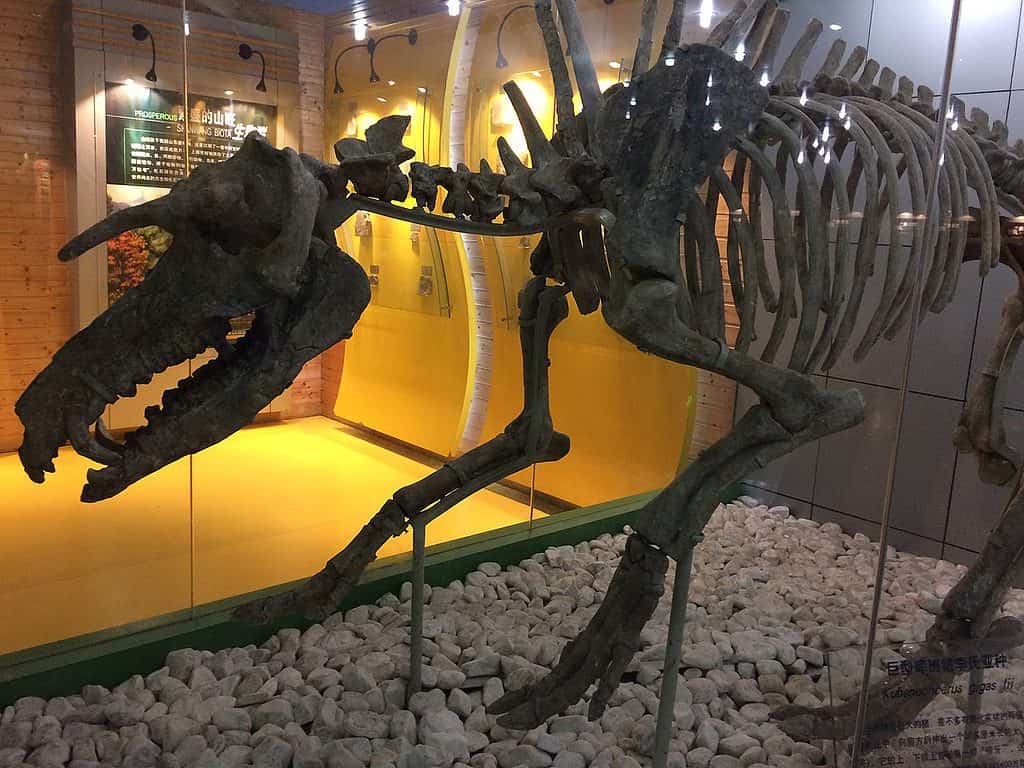
Early fossils of Kubanochoreus were found in Asia in the early 20th century. Initially, they were categorized into the Listriodon genus. Kubanochoerus was first described by Borissiak (1928/1929). The classification of fossils within the kubanochoerus genus has been highly controversial. China, Africa, and Eurasian countries are where fossils of this species have been uncovered. A large cranial fossil with a horn-like protrusion was one of the most important discoveries that helped identify Kubanochoerus gigas. Other teeth and mandibles fossils have also helped identify animals within the genus.
A debate has occurred about fossils discovered whether they should be classified within the genera of Libycochorues, Megalochorues, or kubanochoerusthroughout the years. Kubanochoerus gigas is the largest in the genus, but other species included Kubanochoerus lantianensis, Kubanochoerus mancharensis, Kubanochoerus minheensis, Kubanochoerus parvus, and Kubanochoerus robustus. The discovery of better-preserved fossils and more studies in the future will help clarify the confusion about the ancient giant pigs.
Habitat

The largest species of kubanochoerus likely lived in open habitats, as its size protected it. Smaller species likely have lived in more densely forested areas with cover. Open woodlands, savannas, or a mix between the two are the habitats this species likely lived in. Kubanochoerus lived across Eurasia and Africa from the Burdigalian to the Tortonian stages of the Miocene period.
Diet
©mbolina/iStock via Getty Images
Kubanochoerus are believed to be mainly herbivorous animals, feeding on low-lying plant life. Modern pigs eat anything they come across, and it is thought the same was true for the unicorn pig. Meat could have been a part of their diet. While they are mainly foragers, they could have eaten smaller animals they come across or feasted on dead carcasses.
Threats and Predation
©Daniel Eskridge/Shutterstock.com
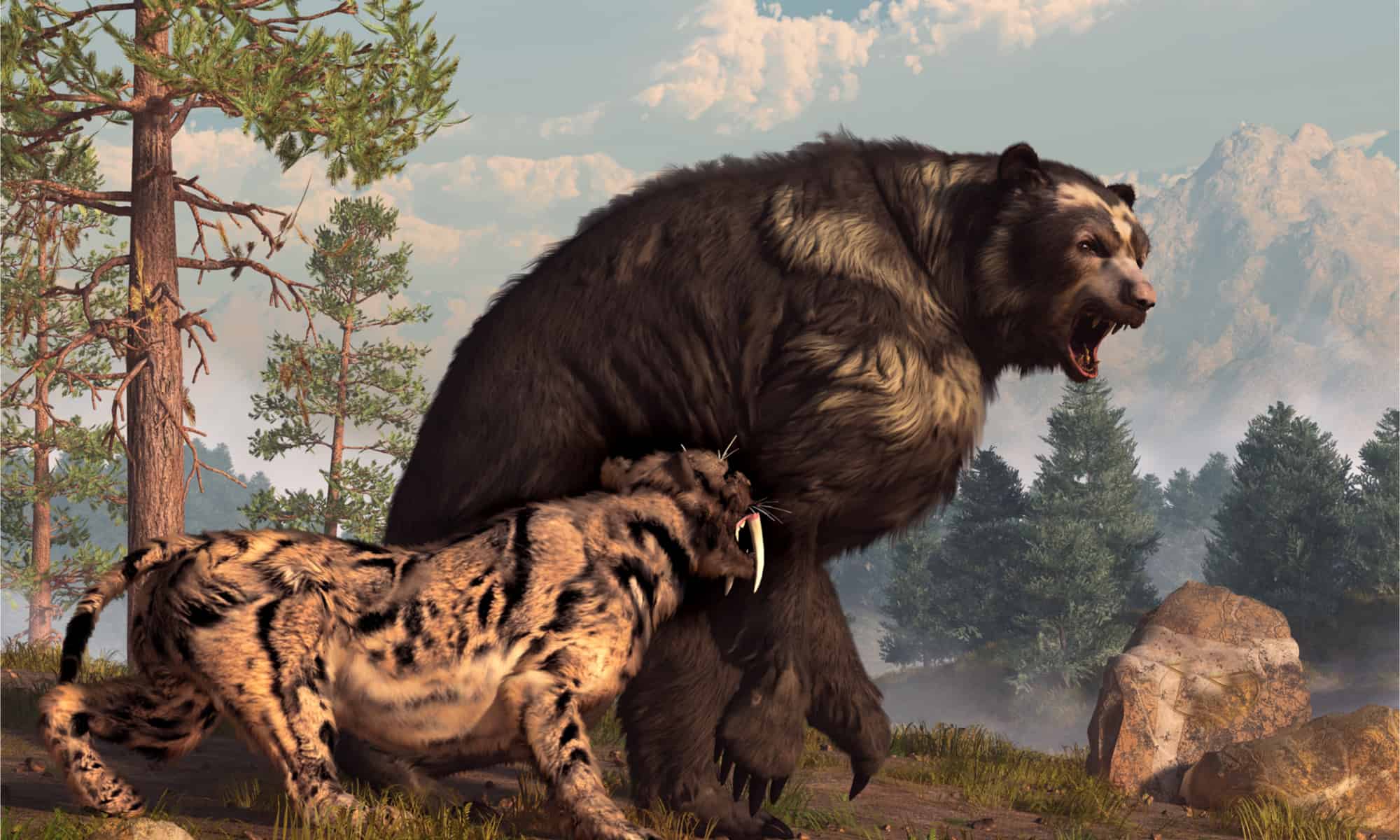
Threats to the kubanochoerus faced in the wild would likely have included nimravids or false saber-toothed cats. Amphicyonids, or bear dogs, also likely preyed on this giant pig if they came across them, as well as true sabercats that came along later during the Miocene period. The kubanochoerus likely used its bony protuberances to better compete with other pigs for food.
Similar Animals: Giant Forest Hog
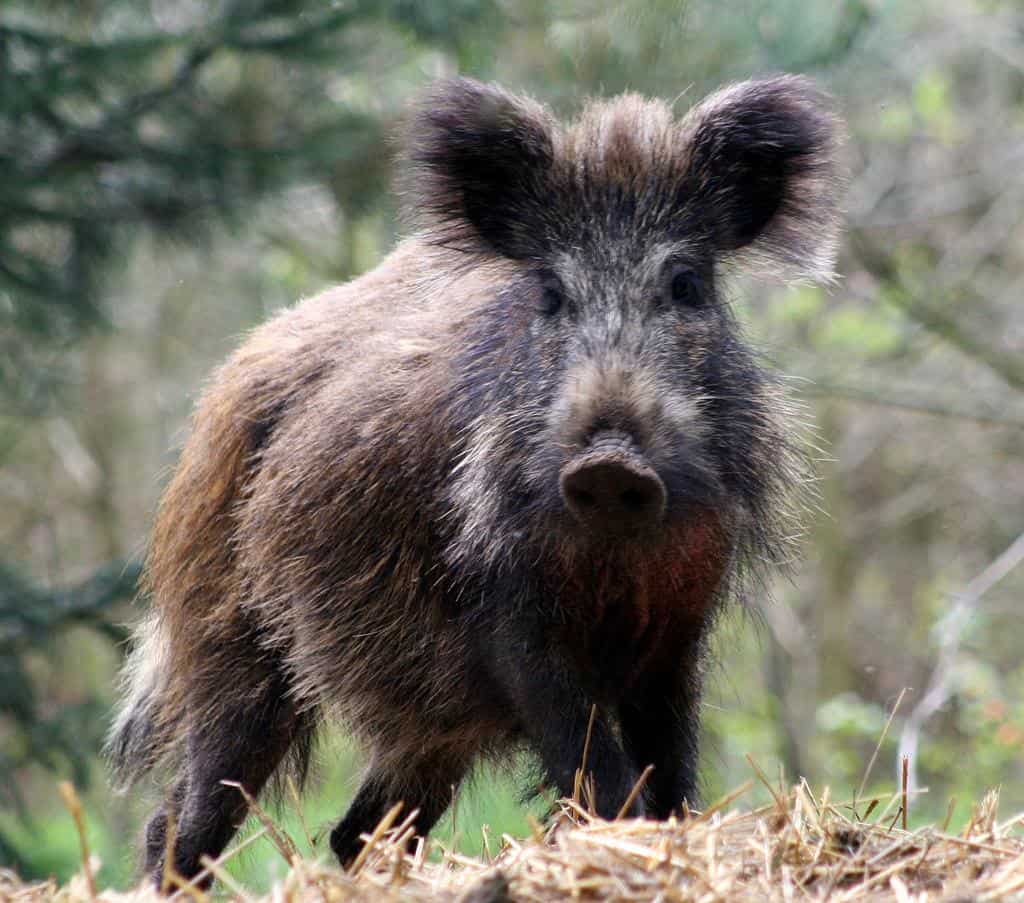
The giant forest hog is today’s largest pig species. They can reach up to 600 pounds and grow up to 3 feet in shoulder height. There are three subspecies of these pigs. They are mainly restricted to Guinea and Congolese forests, though their true range extends across central Africa broadly.
Similar Animals: Babirusa
©iStock.com/leungchopan
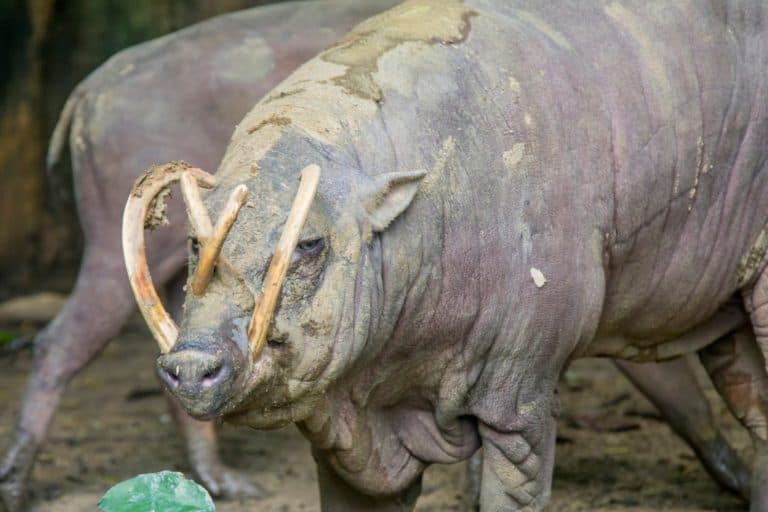
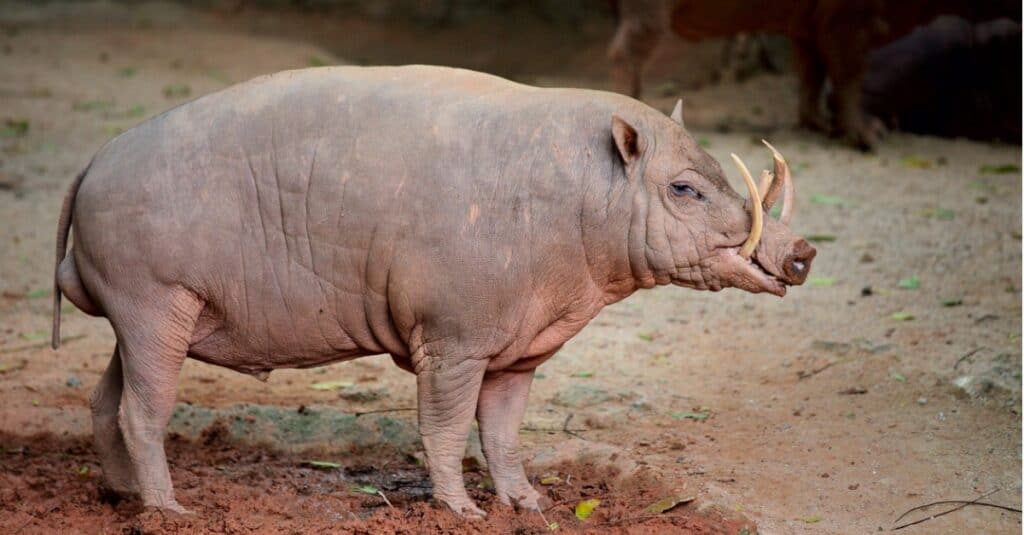
This pig is also called the deer pig since they have large tusks that come out of their head that resemble a deer’s antlers. Their tusks or canine teeth grow both on their upper and lower snout. This pig grows up to 200 pounds.
Similar Animals: Pygmy Hog
©Yvdalmia/Shutterstock.com
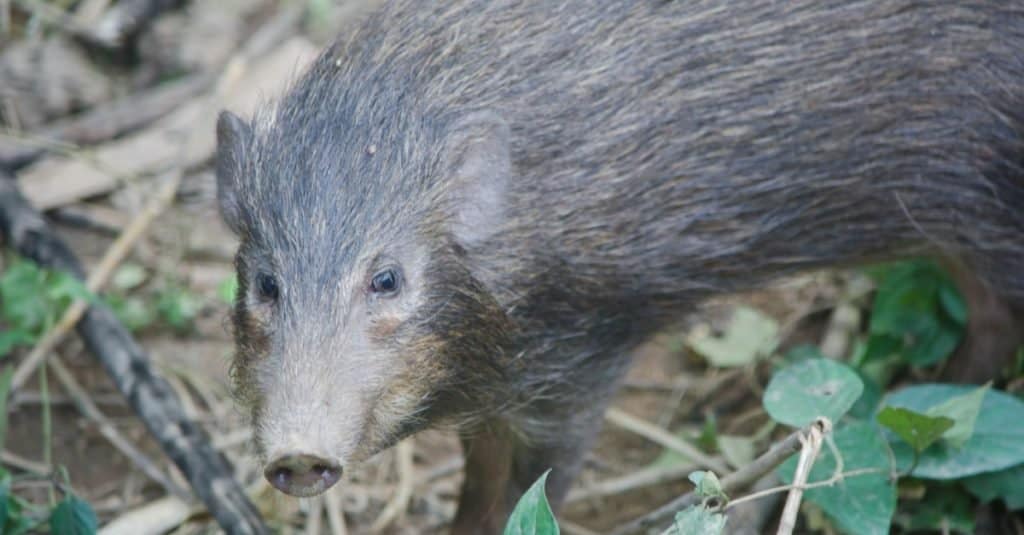
This pig is the only one in the Procula genus and is currently the smallest pig species in the world. They are endemic to India and grow between 14-20 inches at shoulder height, and adults only weigh around 18 pounds. Several years ago, only about 200 of these pigs lived in the wild. However, population has improved due to conservation.
Wild Boar vs Pig: Overview
©WildMedia/Shutterstock.com
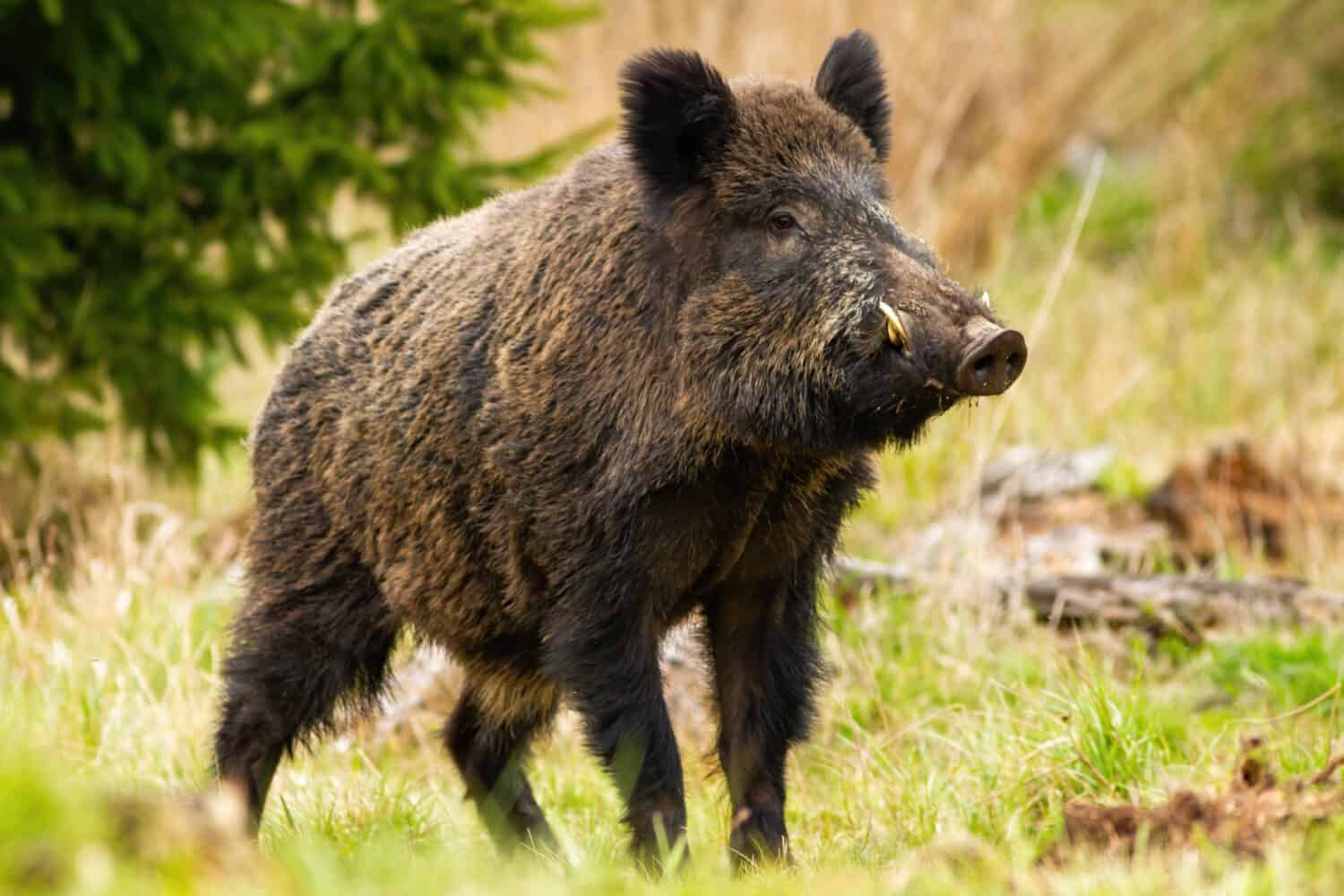
Generally, pigs refer to all species found across Europe, Asia, and Northern Africa. Wild boars, warty pigs, and warthogs belong to the pig family. Domesticated pigs have been the common species called pigs, but these domestic pigs came from wild boars, thus their similarities.
Wild Boar vs Pig: Size and Weight
©Adam88xx/iStock via Getty Images
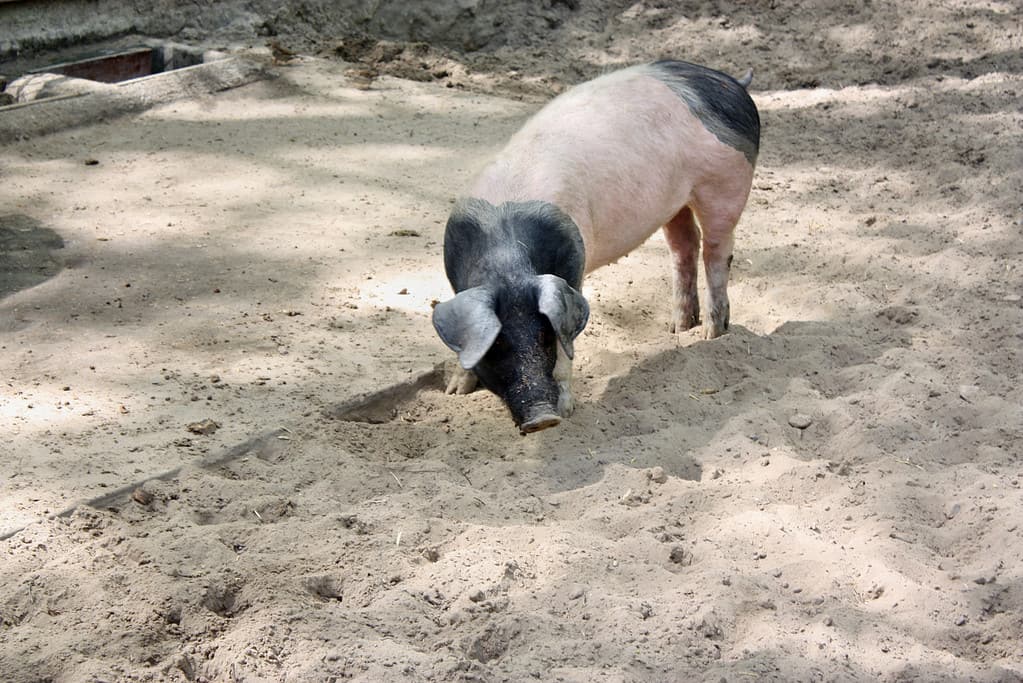
Size and weight are the most apparent differences between a pig and a wild boar. Domesticated pigs are usually significantly larger and heavier than wild boars, but there is an explanation for that. Since domestic pigs are cultivated as livestock, they are well-fed and thoroughly cared for. Pigs have a wide range of size dimensions depending on their use. Some can be tiny pigs, while some are huge, like the Yorkshire pig. Growing 2 to 4 ft, wild boars can sometimes weigh as much as 250 lbs. However, since they forage and seek their food in the wild, they often do not grow as big as domesticated pigs. The largest and heaviest wild boar species is the Eurasian wild boar (Sus scrofa).
On the other hand, pigs usually grow between 3 and 6 ft, weighing 110 to 770 lbs. Since domestic pigs are bred to be heavier, some species can grow even larger. The biggest domestic pig in history was 5 feet tall but weighed a massive 2,552 lbs, making it to the Guinness World Records.
Wild Boar vs Pig: Color
©Sportlibrary/Shutterstock.com
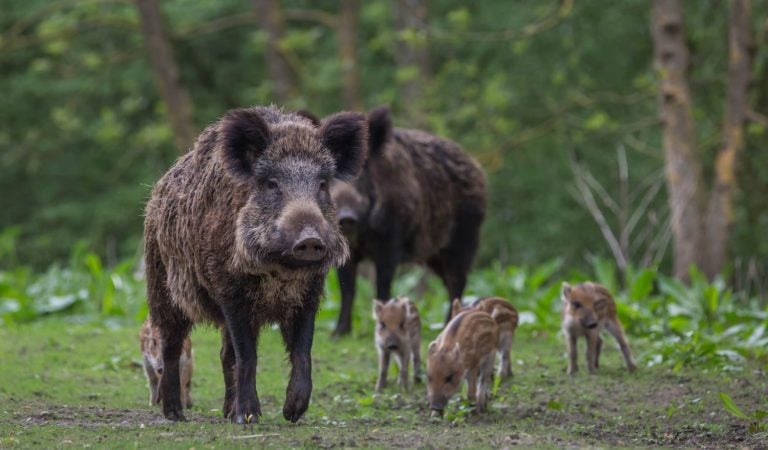
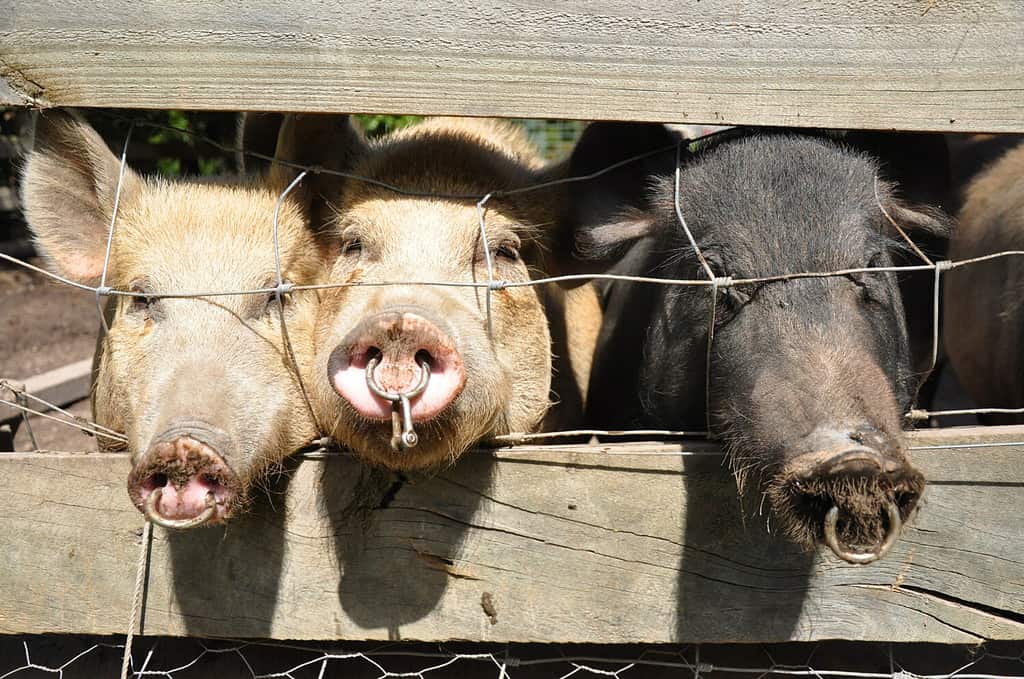
One of the most significant and noticeable differences between a wild boar and a pig is their color. Apart from the fact that they live in the wild, wild boars can easily be distinguished from a pig because they typically have darker skin. They commonly sport black, brown, dark gray, or reddish colors based on their region. For instance, wild boars hailing from Western Europe usually have a brown hue, while wild boars hailing from the eastern areas of the continent are typically black.
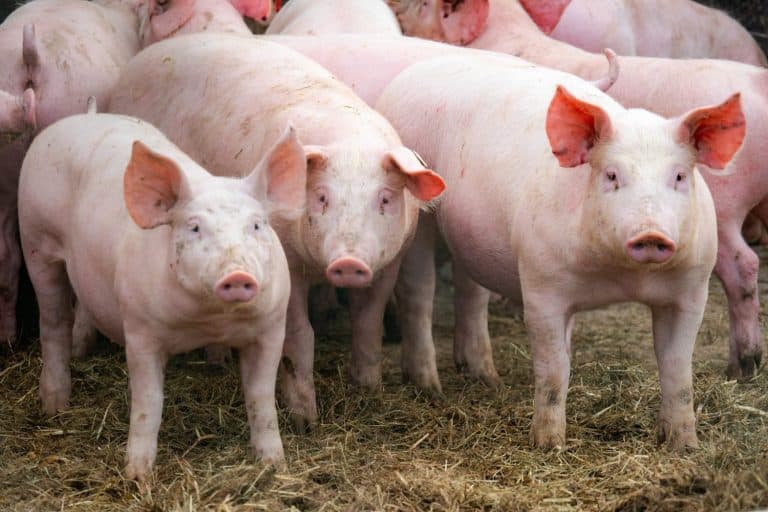
Pigs also vary in color depending on the species. Some sport yellowish or reddish-brown hues. Most pigs that we know are pinkish, and that is how we easily differentiate a wild boar from a pig. Pink pigs usually have several white hairs, exposing the pinkish hue of their skins.
Wild Boar vs. Pig: Diet
©l i g h t p o e t/Shutterstock.com
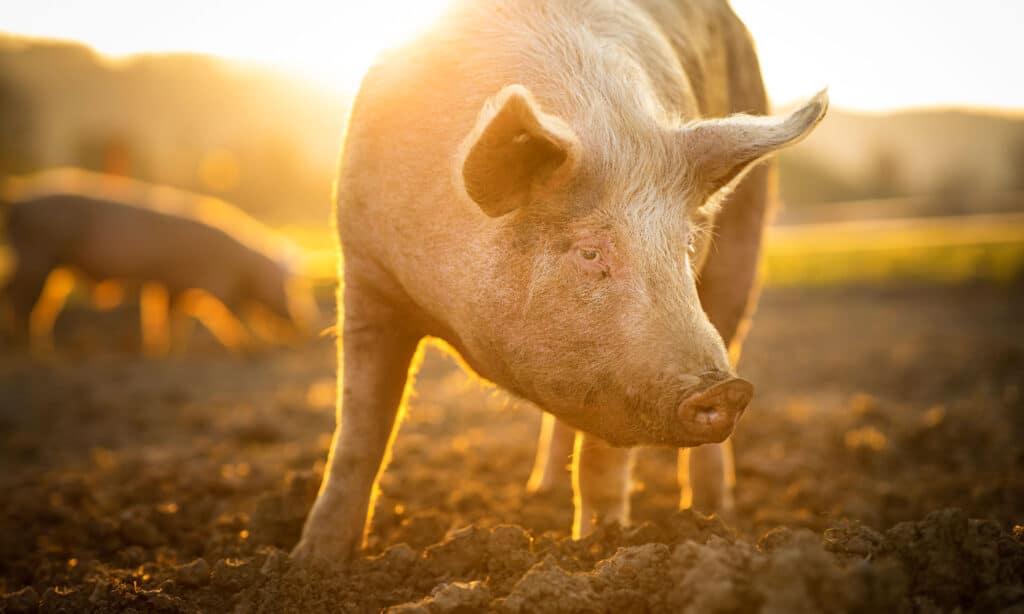
Wild boars are omnivores, mostly eating plant materials like nuts, fruits, and tubers. However, their domesticated counterparts feed on well-mixed nutrients that may contain corn, wheat, and other vegetable-based food and supplements to help them grow bigger and heavier.
Domesticated pigs have become good sources of meat worldwide, used in a variety of ways like hams, bacon, and all sorts of pork. Wild boars are edible, but most people note the remarkable differences, including the presence of nutty and sweet flavor in a wild boar’s meat due to their special diet.