
Quick Take
- Bats are responsible for a wildly disproportionate share of human rabies deaths compared to other wildlife, and the reason has nothing to do with how often they bite. See how bats became the top threat →
- A bat encounter doesn't have to feel like a bite to be fatal, and some victims never realize they were exposed until it's too late. Why bat bites go unnoticed →
- The bat species most likely to give you rabies isn't the one you're most likely to run into, and that distinction is an important one. See which species carry the most risk →
- There's one treatment that can stop rabies cold after exposure, but it only works if you act before a symptom appears. Learn about postexposure treatment →
Two recent reports of human-bat encounters have resulted in tragic consequences. These unique, flying mammals sometimes live in close proximity to our homes. Many are also experiencing population declines, so they need our protection. At the same time, we need to bear in mind that they can also pose a risk of one of the deadliest diseases known to mankind: rabies.
The History of Rabies in the US
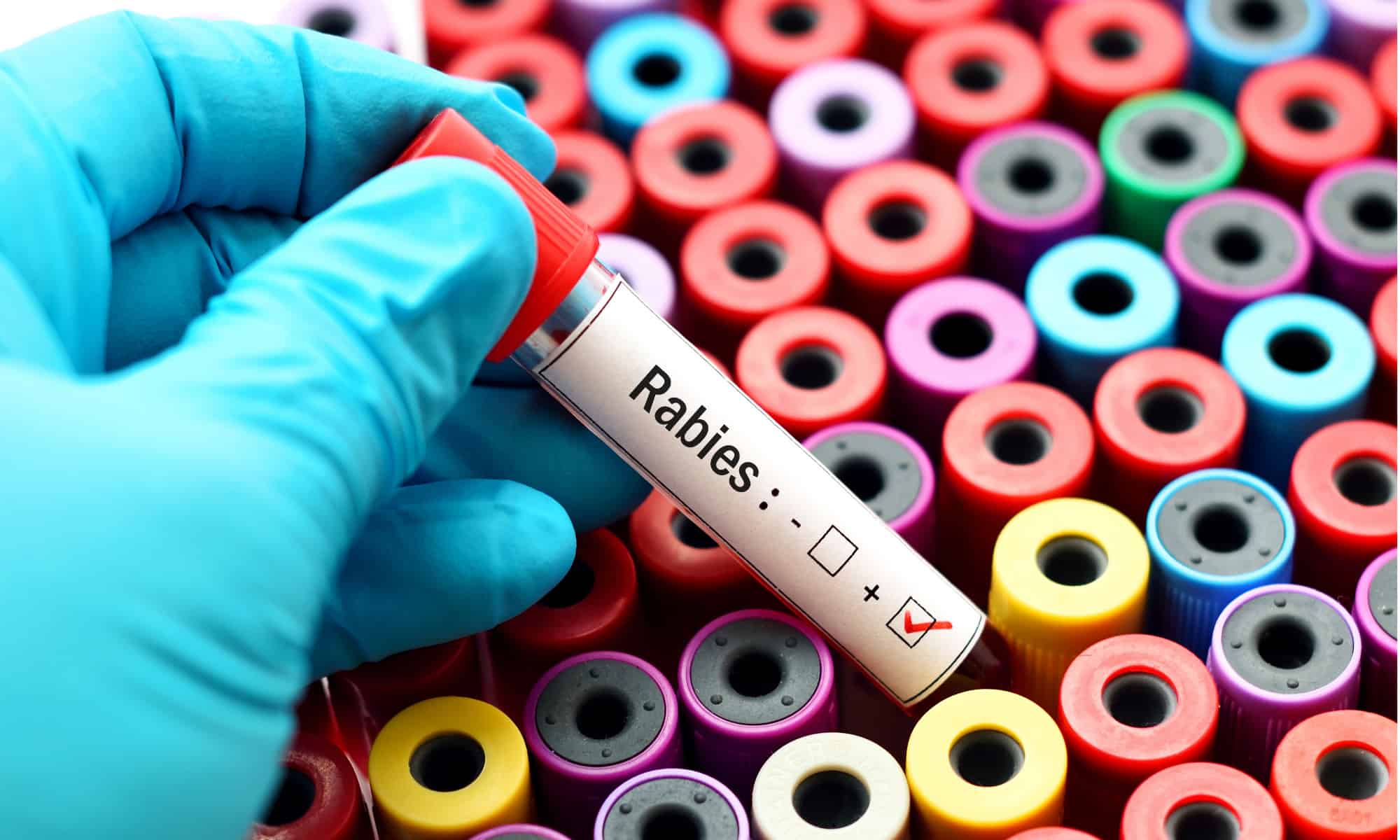
Rabies is caused by a virus and is nearly always fatal. It is carried in saliva and some other body fluids, and is injected past the skin during bites and occasionally through scratches. From the site of the wound, the virus travels to the brain (central nervous system), where it begins to take effect. The initial symptoms are a prickling at the site of the bite and a flu-like illness, including weakness or discomfort, fever, or headache. These are followed, possibly a couple of weeks later, by the classic rabies symptoms, which can include confusion, hallucinations, extreme thirst, and excessive salivation.
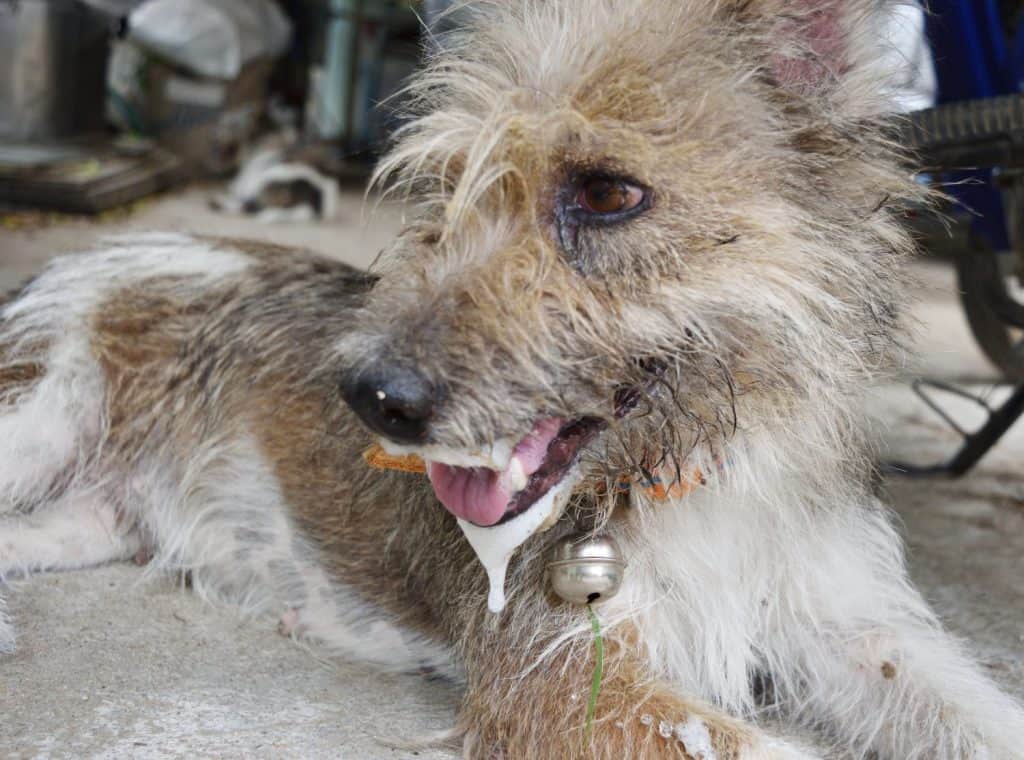
Rabies in U.S. dogs is now rare.
©Anant Kasetsinsombut/Shutterstock.com
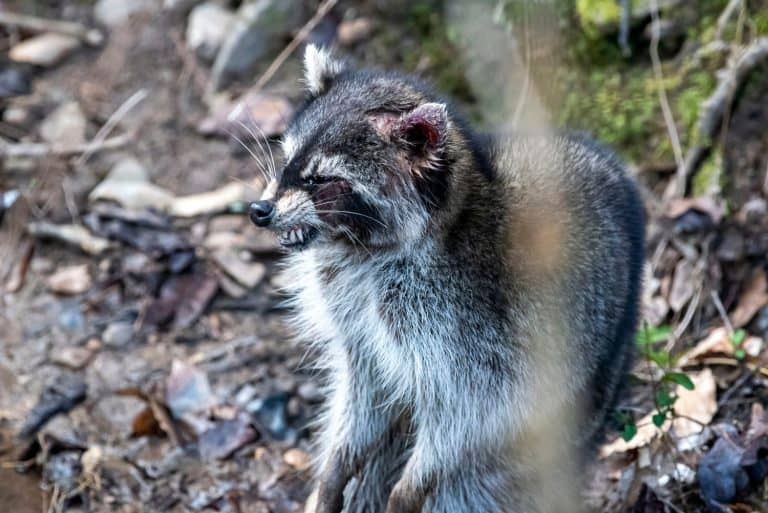
In many ways, rabies is a public health success story in the U.S. It was first introduced to the country during the 1700s by dogs imported by European settlers. Before World War II, most human cases were linked to bites from domestic dogs. Now, however, rabies is rare in dogs thanks to legal requirements to have them vaccinated. These days, rabies carried by wildlife is a bigger public health threat. The disease can be carried by several wild mammals, including raccoons, skunks, foxes, and most importantly, bats. Bats account for about 35 percent of reported animal rabies cases in the US, but are responsible for approximately 70 percent of human rabies deaths. This makes them the leading source of human rabies fatalities.
Bats as a Rabies Reservoir
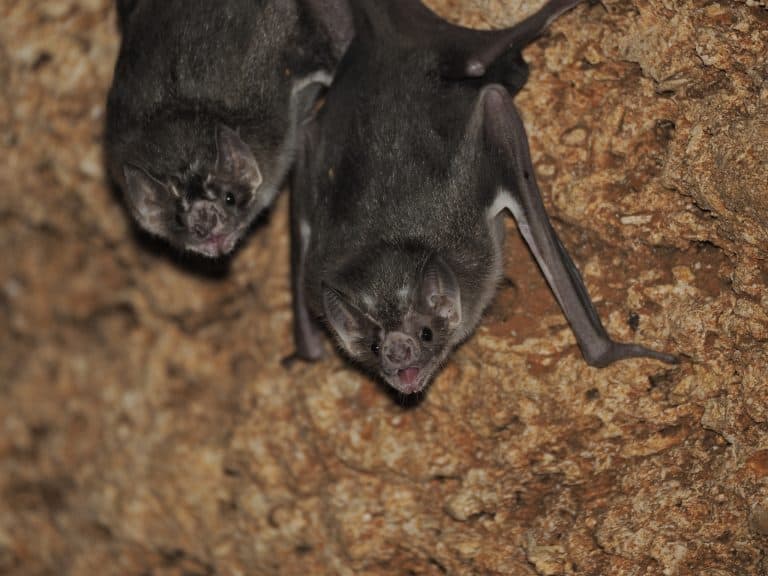
Rabid bats can be found in all U.S. states except for Hawaii. All bat species are susceptible, but the species most often associated with human rabies cases in the U.S. is the silver-haired bat (Lasionycteris noctivagans). The bats that people most often come into contact with are the brown bat (Eptesicus fuscus) and the little brown bat (Myotis lucifugus).
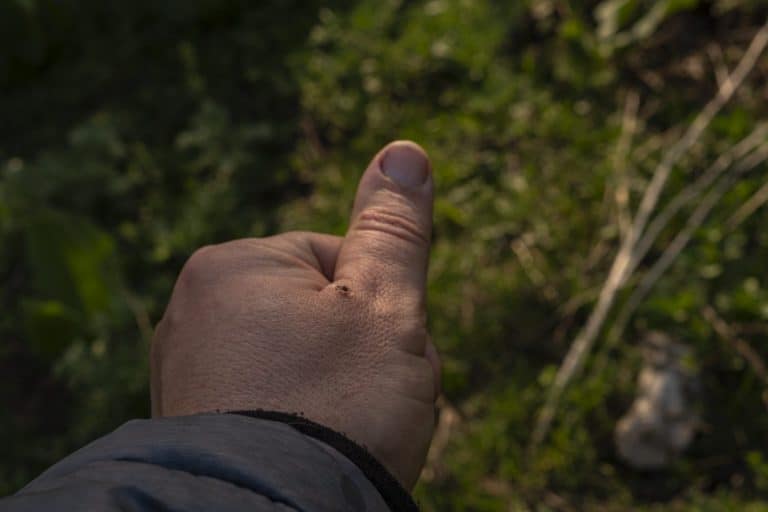
The problem is that puncture wounds following bat bites can go unnoticed because bats have small mouths and teeth. This makes people less likely to seek medical attention and receive treatment to prevent rabies.
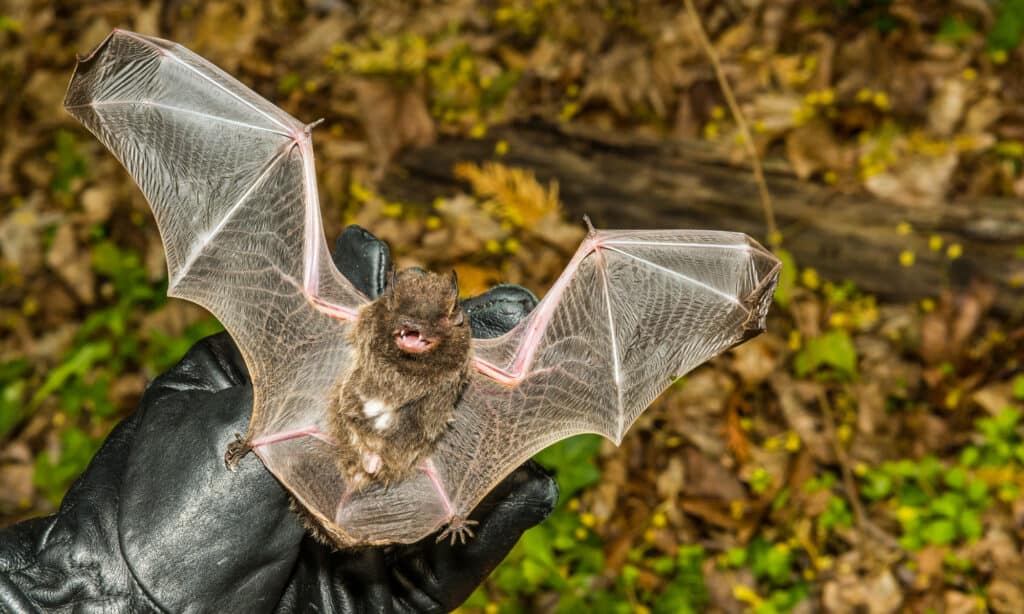
Silver-haired bats can transmit rabies.
©Jay Ondreicka/Shutterstock.com
Of all the bats submitted for testing to laboratories in the U.S., around 3-5 percent were infected with rabies. Given this prevalence and the fatal nature of the disease, people need to be especially vigilant about any possible contact with bats, even if they do not believe they have been bitten. You should always seek professional medical advice. In the 42 U.S.-acquired human rabies cases reported during 2000–2024, bat contact was the cause in 35 (83 percent).
Tragic Examples of Recent Rabies Infections
The Communicable Disease Surveillance Center recently described two unusual cases of bat-transmitted rabies cases in humans. The first was a Minnesota woman who lived alone. She discovered a bat in her sink and killed it with a hammer, but did not mention being bitten. It’s possible that nervous tissue from the bat entered her broken skin. Also, the victim had hearing and health issues, which might have reduced her awareness of having had direct bat contact. She did not seek medical attention, developed symptoms three weeks later, and subsequently died. A postmortem sample revealed a rabies infection.
In the second case, a Californian woman told family members that she had recently found a bat indoors at her worksite. While handling it, she thought she might have been bitten but did not consult a medical provider or public health officials. Around a month later, she developed symptoms and later died in the hospital. The rabies virus was detected in biopsy samples.
What Should You Do If You Have Contact with a Bat?
The starting point is to be vigilant for bats in occupied buildings. Never handle them unless you are wearing leather or bite-proof gloves. Be aware that sick bats can sometimes look like they are dead and could bite when you try to pick them up. Sick bats are even more likely to be infected with rabies. However, bats carrying rabies do not always look sick.
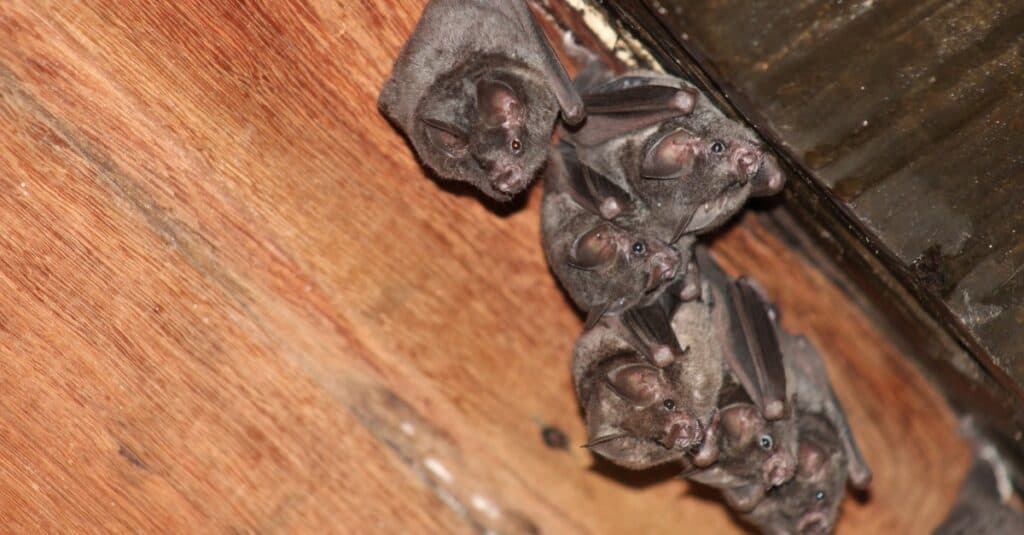
Bat bites are not always obvious.
©Hermann Moller/Shutterstock.com
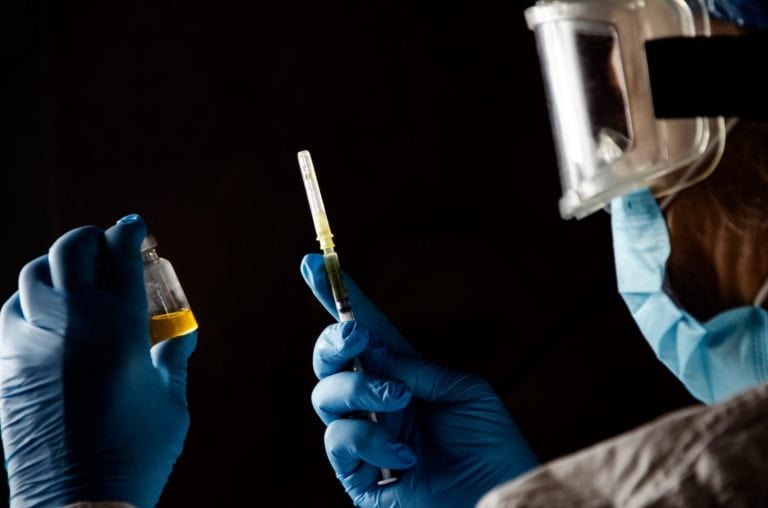
If you do have any sort of encounter with a bat, report it to your health care provider or a public health official. This is important even if you are not aware of being bitten or scratched. They will carry out a risk assessment. Also, they may potentially test the animal if that is possible, and may offer postexposure prophylaxis (PEP). This must be offered before the onset of symptoms to be effective. These are medications that prevent the virus from establishing itself in the body.
Finally, be especially cautious with people who have conditions that could affect their awareness of bat exposure. Anyone who has slept in a room where a bat is present should receive PEP. People who would be less likely to realize that they have bats in their home, perhaps through hearing or eyesight problems, may need additional support.