
Quick Take
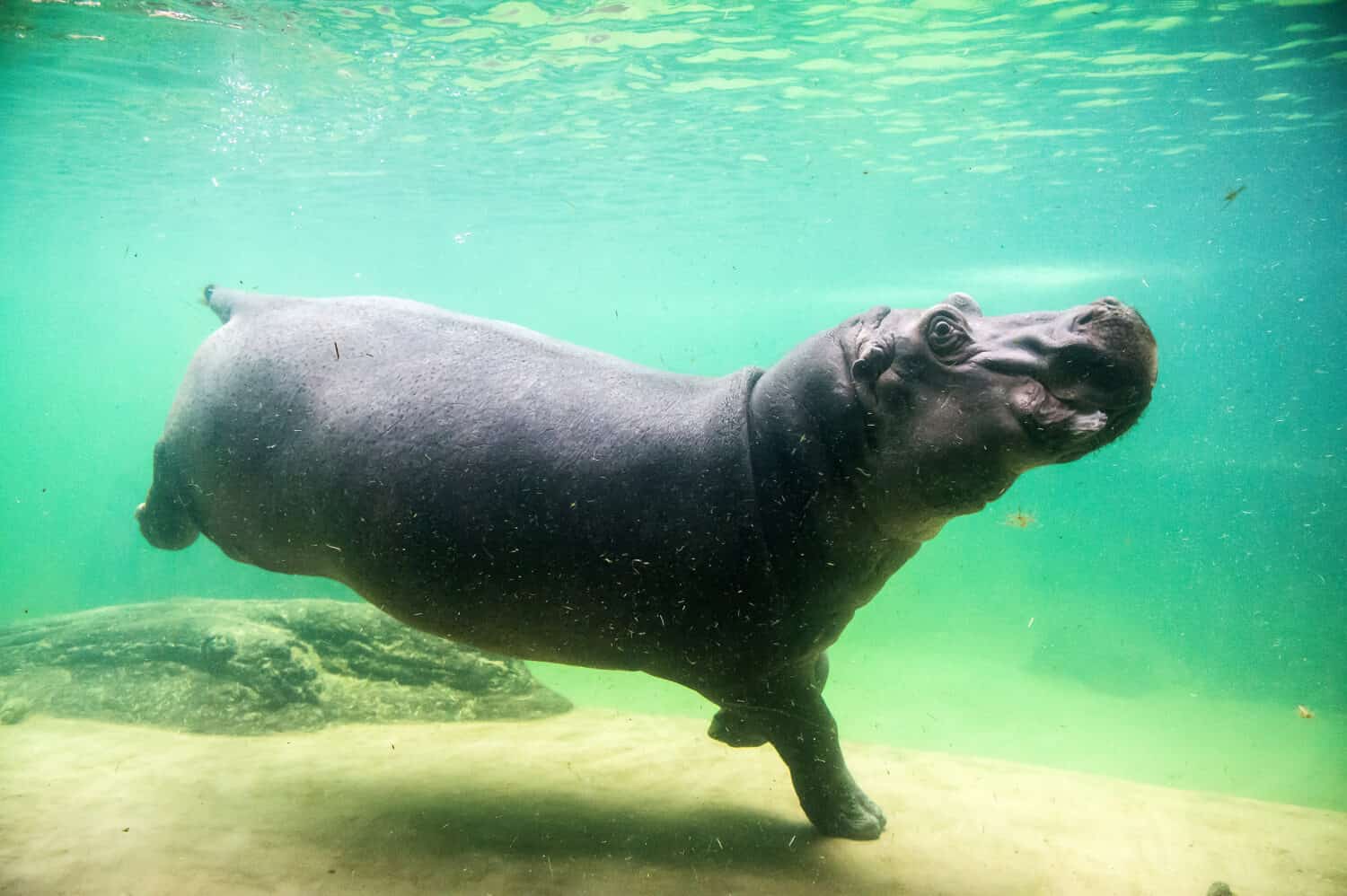
- Hippos spend their lives in water, but the way they navigate in the water is far stranger than you'd expect. See how they move →
- The large animal responsible for hundreds of human deaths in Africa each year has a surprising biological trick that makes them even harder to outrun or escape. Discover their deadly traits →
- Hippos produce a substance from their skin that looks alarming at first glance, but its actual purpose is genuinely remarkable. Explore the skin secret →
- Hippos' closest living relatives aren't found on land at all, and once you learn which animal shares their family tree, their body shape starts to make a lot more sense. Meet their ocean relatives →
The hippopotamus is one of the most recognizable animals on the planet. With their tiny ears, enormous heads, and stocky bodies, they look unlike any other mammal on Earth. Native to sub-Saharan Africa, hippos spend much of their lives submerged in rivers and lakes, emerging mostly at night to feed. Watching these giants slowly lumber about on land, you may assume they are gentle and peaceful creatures. But these animals are extremely territorial, capable of moving quickly when needed, and responsible for more human deaths than most any other large animal in Africa.
But there’s much more to hippos beyond their reputation for danger. These semi-aquatic animals are full of surprising traits, from their unusual skin secretions to their social structures. Due to their intriguing behaviors, researchers continue to explore their biology, habits, and place in the ecosystem. Here’s a closer look at what makes these barrel-shaped animals so fascinating.
1. The Hippopotamus Is Related to Whales
©Radek Borovka/Shutterstock.com
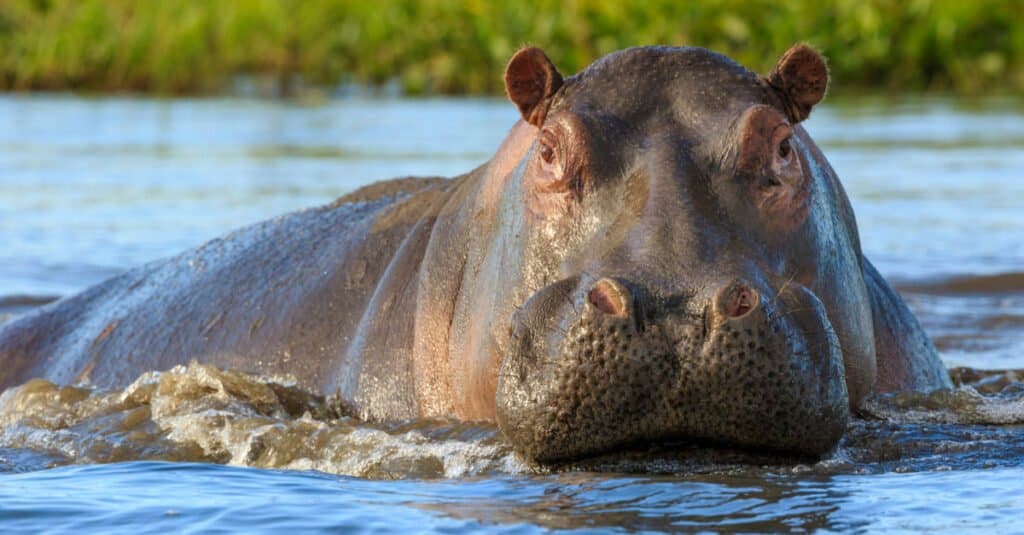
Although they look very different, hippos are surprisingly the closest living relatives of whales, dolphins, and porpoises! Scientists have discovered that these animals share a common ancestor that lived around 50 to 60 million years ago, which might help explain hippos’ exceedingly bulbous form and adaptation to water. This surprising evolutionary connection is an interesting example of how seemingly widely different animals can share a common origin.
2. Unique Blend of Aquatic and Terrestrial Behaviors
©iStock.com/PB_Images
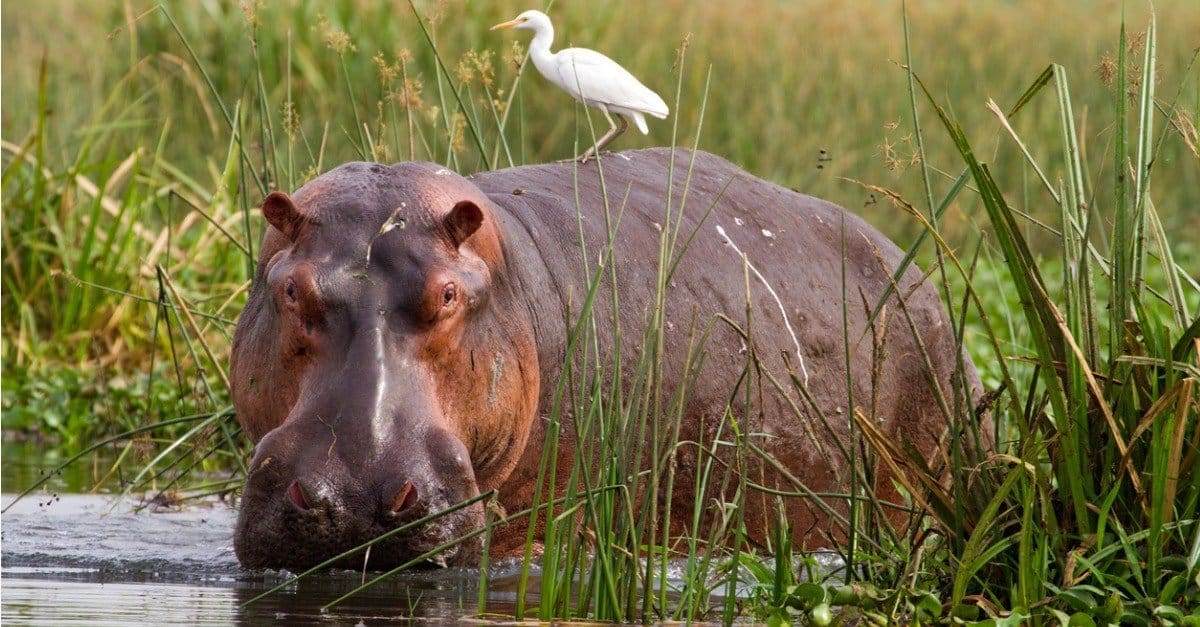
Hippos’ unique blend of water-based and terrestrial behaviors makes them one of the most distinctive large mammals on Earth. These semi-aquatic mammals split their time between water and land in a strategic way. During the day, they remain submerged in rivers and lakes to stay cool and protect their sensitive skin from the sun. At night, they leave the water and travel onto land to graze. Essentially, the water is their safe haven, while the land is their food source.
3. They Produce a Natural “Sunscreen” that Changes Color
©abxyz/Shutterstock.com
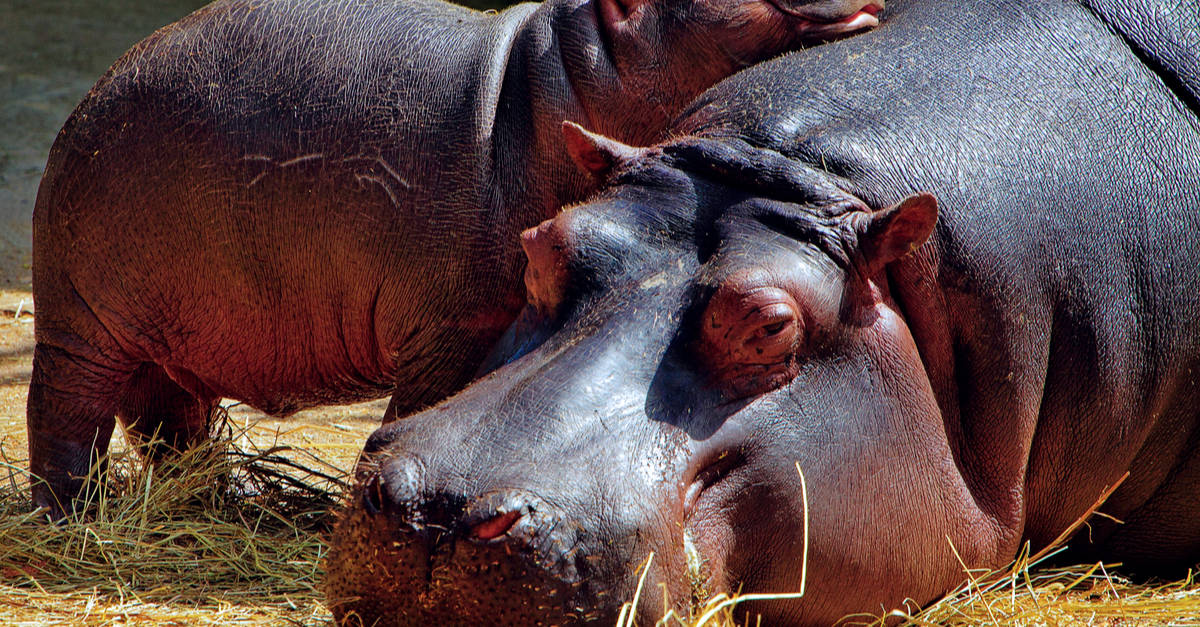
Hippos produce a unique substance from their skin that acts as a natural form of sun protection. Though this secretion is often called “blood sweat,” it is actually neither blood nor sweat. It’s a specialized fluid that coats their skin in a form of self-made sunscreen with antibacterial properties. The substance appears reddish at first (perhaps lending to the “blood” aspect of the common name) and gradually darkens as it reacts with the air. This natural substance is essential for protecting the hippo’s sensitive skin under the harsh rays of the African sun.
4. Hippos Don’t Swim
©iStock.com/curioustiger
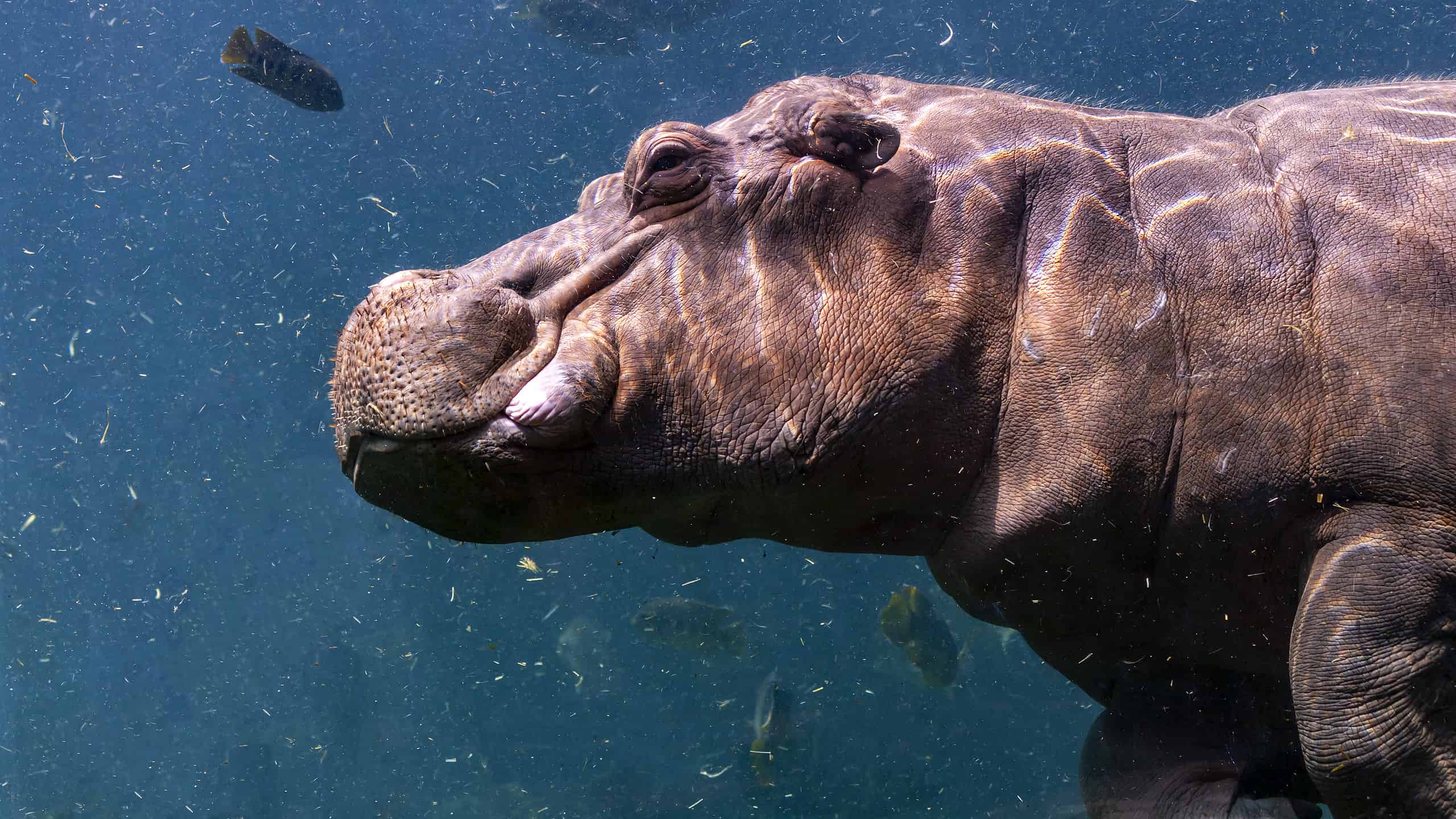
Although they spend most of their lives underwater, hippos don’t swim in the traditional sense. Instead, they move by pushing off the bottom of the river and gliding through the water. Their movement is often described as walking or galloping along the riverbed. Their bodies are naturally buoyant, and this unique method of movement gives them excellent control underwater.
5. The Hippopotamus Is One of the Deadliest Animals in the World
©Martin Mecnarowski/Shutterstock.com
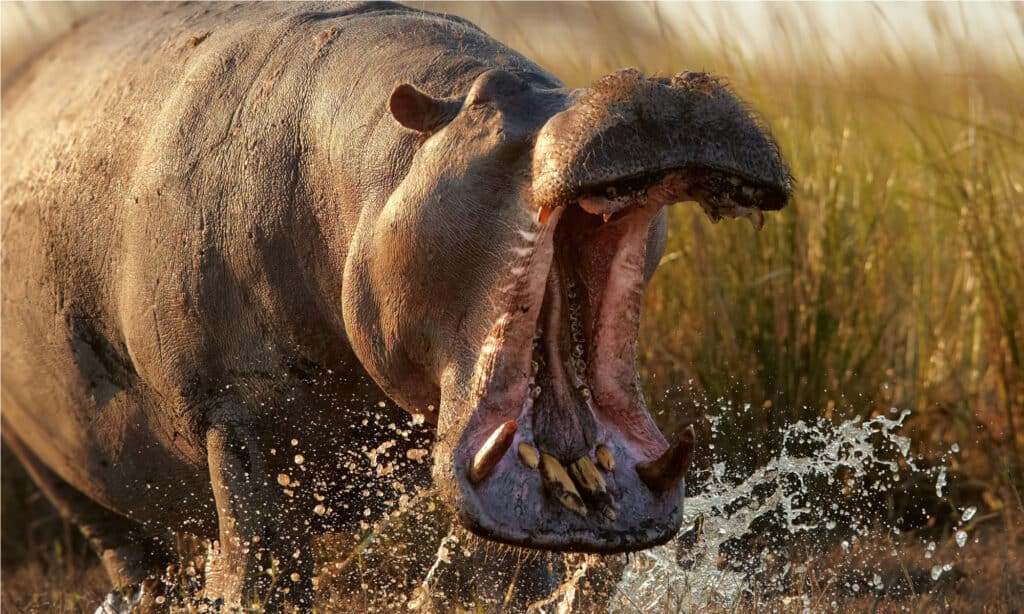
The hippopotamus is widely considered one of the most dangerous animals in Africa (only beat by the disease-spreading mosquito). Despite their generally calm appearance, hippos are highly territorial, especially in water, and will likely react aggressively if they feel threatened. They are responsible for hundreds of human deaths each year across sub-Saharan Africa, often due to accidental boat encounters. Their crushing jaws, intimidating size, and surprising speed make them formidable when provoked. For this reason, experts and locals alike strongly advise keeping a safe distance from hippos in the wild.
6. Hippos Eat More Than 60 Pounds of Food a Night
©Memo Ossa/Shutterstock.com
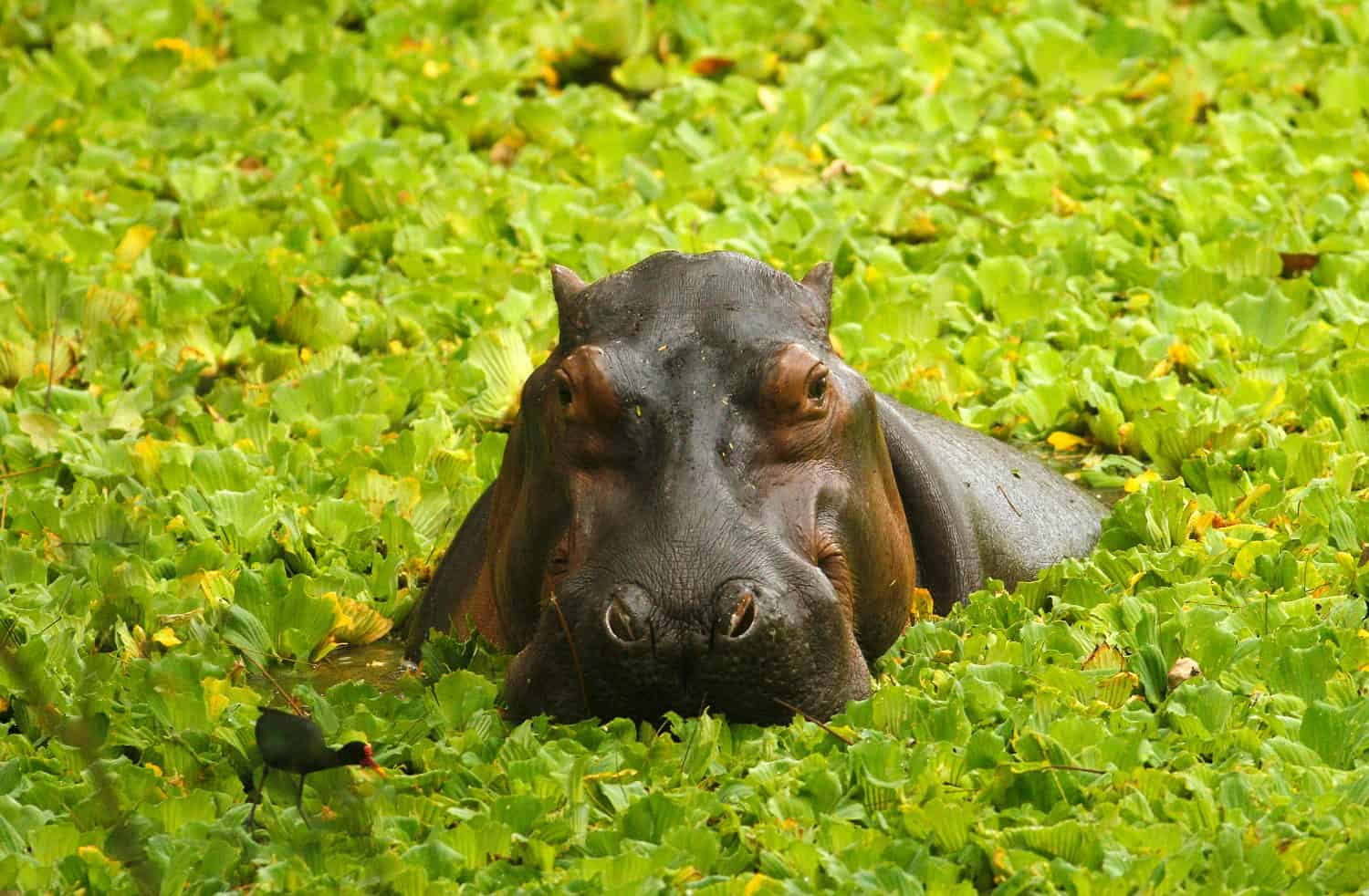
Despite their bulky physique, hippos thrive on a diet almost exclusively made up of grasses. And these herbivores require a significant amount of the green stuff to sustain their size. Each night, they emerge from the water to graze, consuming roughly 60 to 80 pounds of vegetation in a single night. They are efficient feeders and typically feed for several hours before returning to the water. This nightly routine is necessary to meet their energy needs and maintain their health.
7. Their Teeth Never Stop Growing
©Nick Greaves/Shutterstock.com
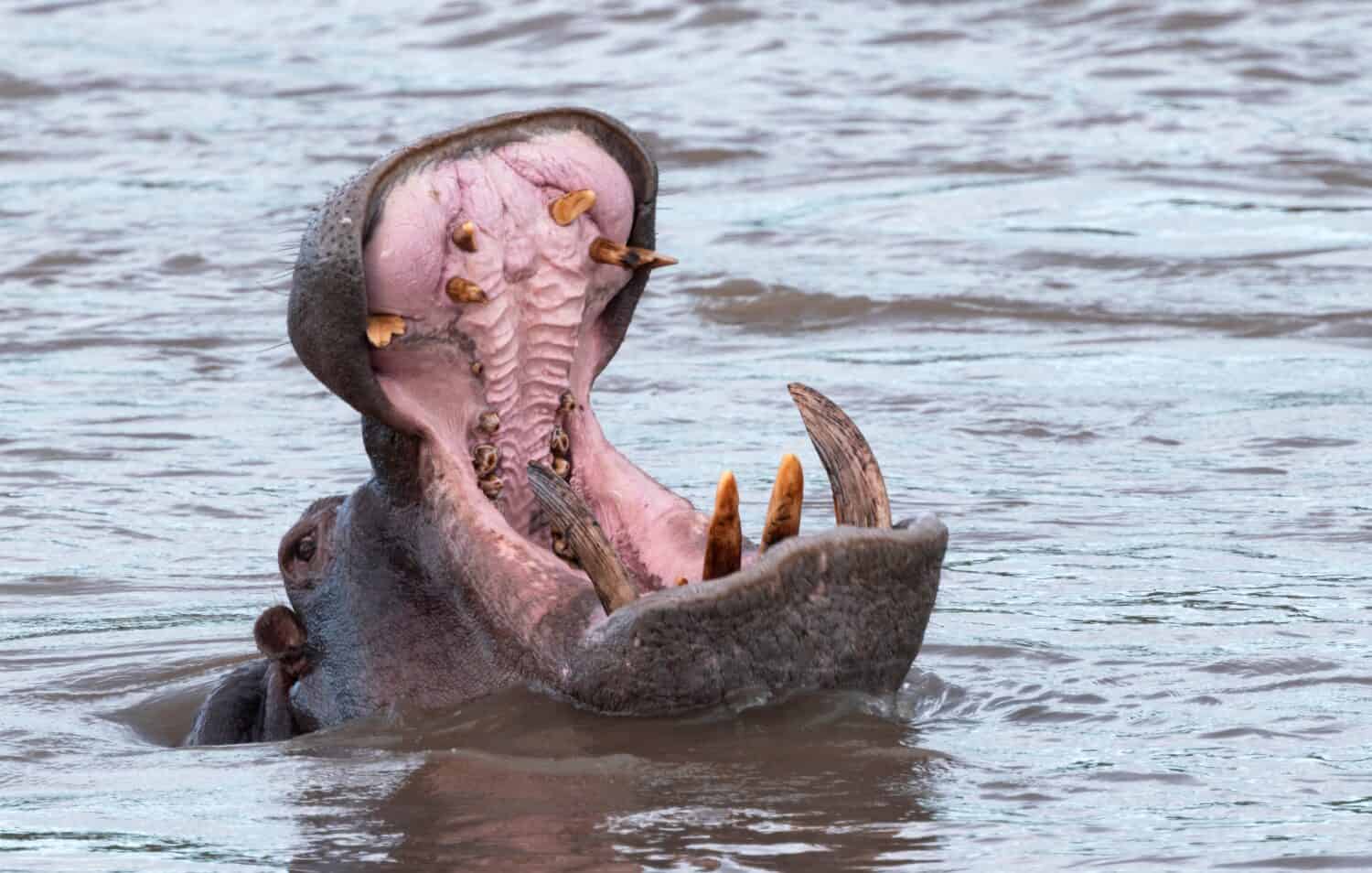
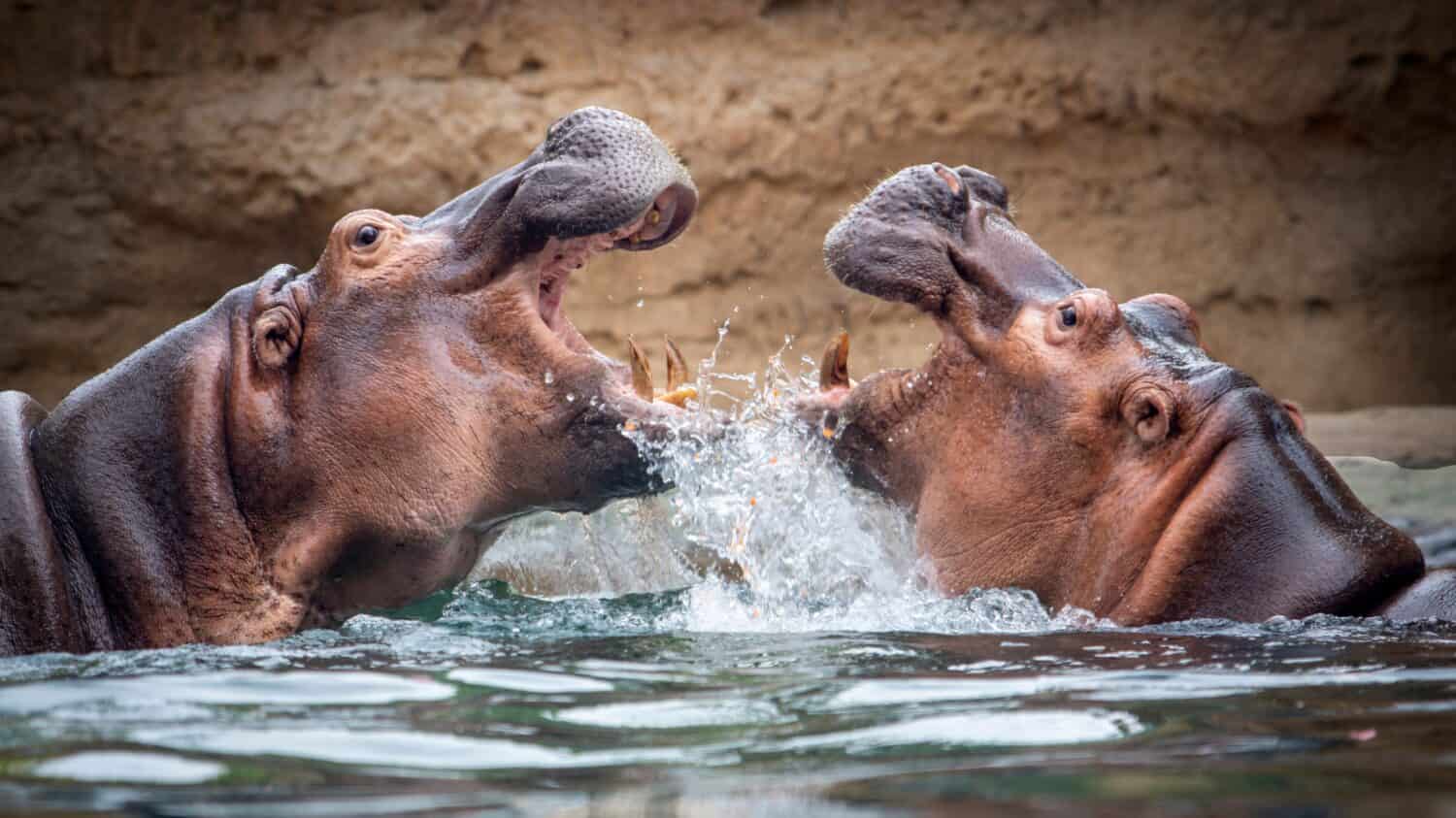
Hippos have large canine and incisor teeth that continue to grow throughout their lives. Interestingly, these grass-eaters did not develop such impressive teeth for dietary reasons. They use them less to chew and more for defense and dominance. Male hippos use their teeth in fights to establish territory and assert control over groups. Over time, these constantly growing teeth can become quite large; they are one of the features that make hippos so well-suited for combat.
8. They Can Run Faster Than You Think
©PhotocechCZ/Shutterstock.com
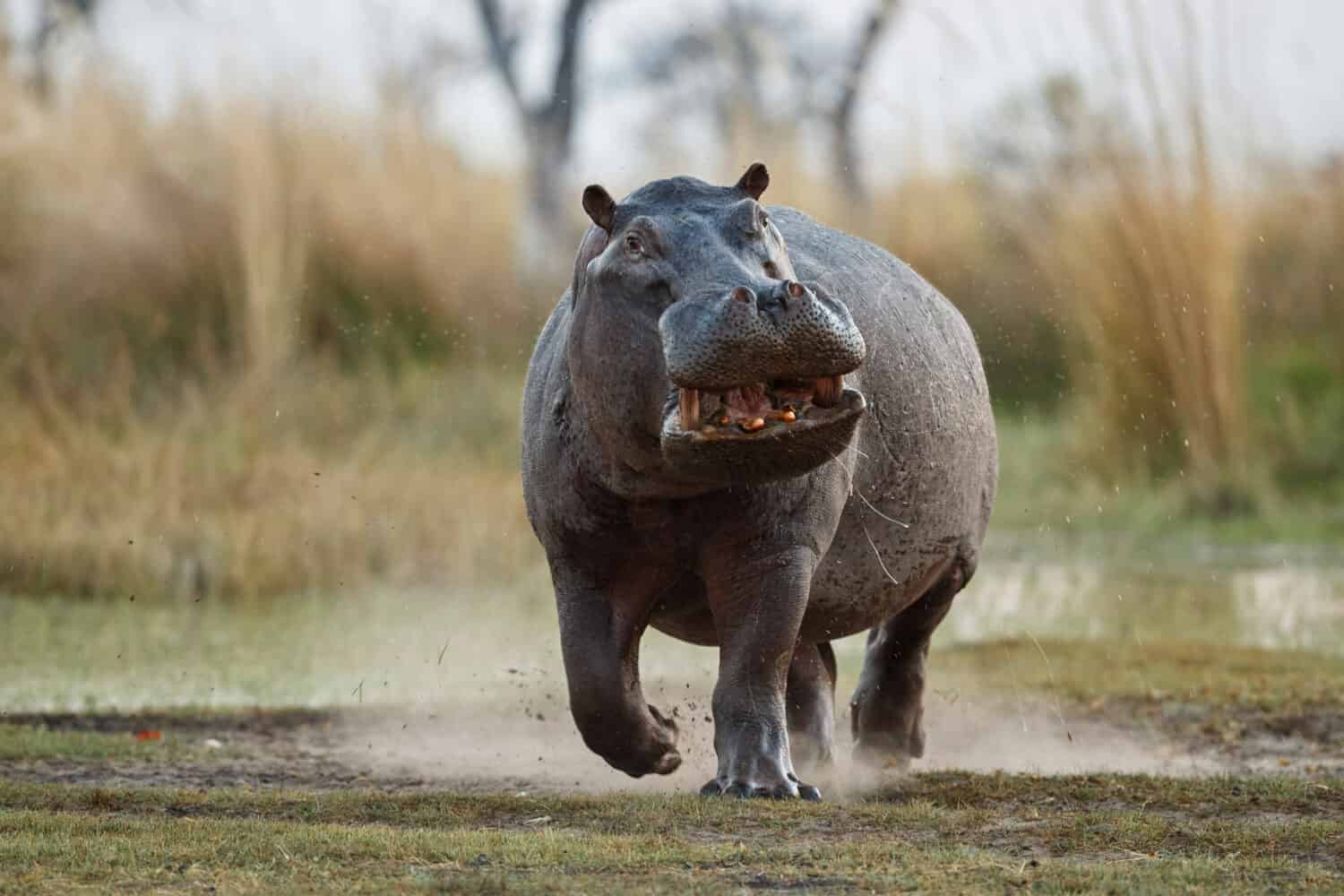
When it comes to humans, the big guy on the field is usually the slowest. But hippos are surprisingly fast on land, despite their large size and bulky form. Though endurance is not their strong suit, they can reach speeds of up to 20 to 30 miles per hour over short distances. (and yes, that is faster than most humans can run). Their unexpected speed, combined with their strength, makes them particularly hazardous when threatened.
9. They Have Surprisingly Poor Eyesight
©iStock.com/abzerit
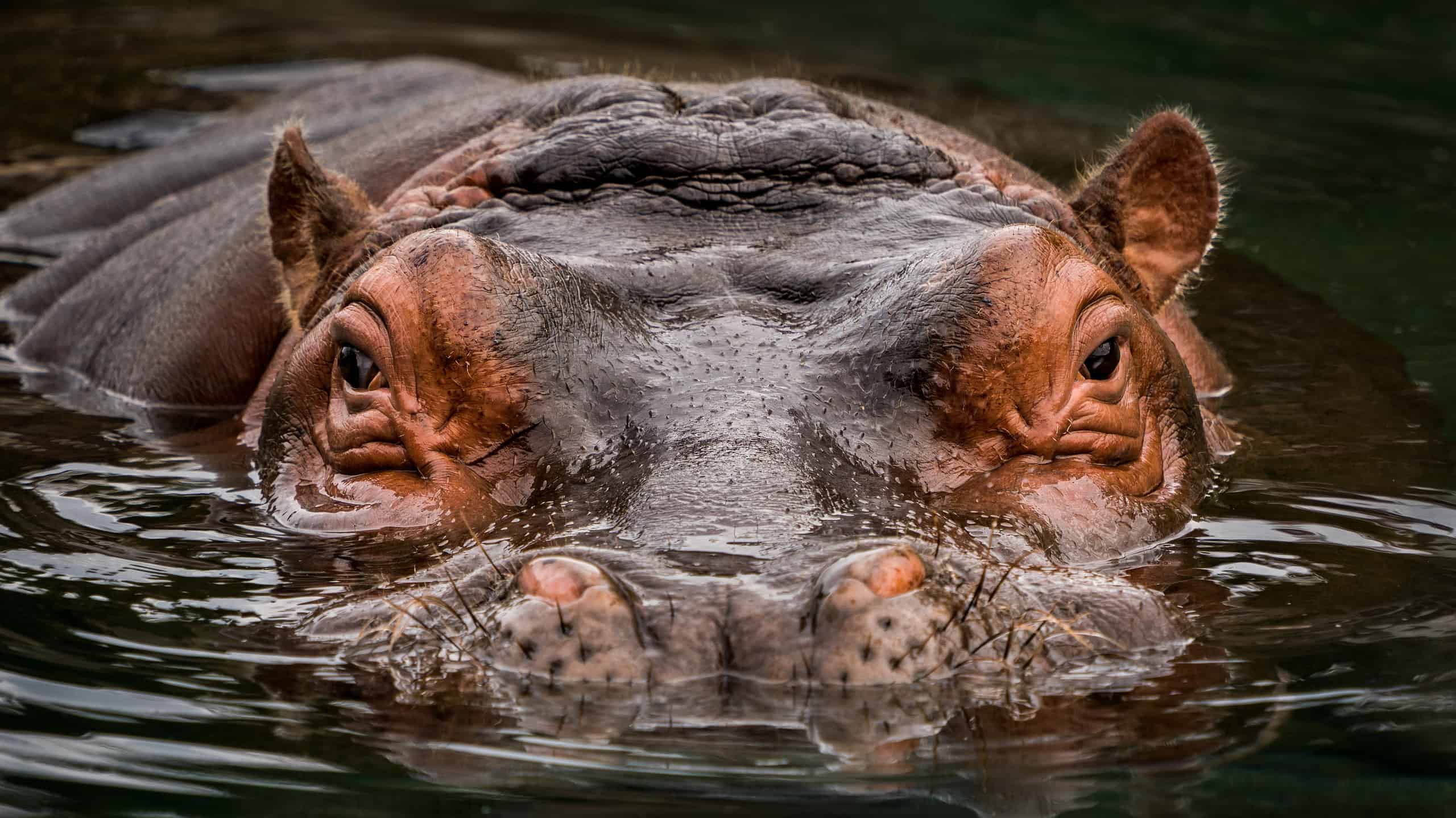
Compared to the size of their heads, hippos have beady little eyes, so it’s not surprising they can’t see very well. Hippos have relatively poor eyesight with limited vision. In order to detect threats, these mammals rely heavily on their hearing and sense of smell. Their lack of decent eyesight can actually make them more reactive if they are startled. When hippos chase boats (as we’ve seen in a handful of terrifying YouTube videos), they are likely reacting more based off awareness of “something” in their territory than precise visual detection of the boat itself.
10. Their Bite Is One of the Strongest in the Animal Kingdom
©Fayad Hameed/Shutterstock.com
As discussed, hippos can be dangerous for a variety of reasons, including their bone-crushing jaws. Hippos possess one of the most powerful bites among land animals, with a bite force estimated to be around 1,800 PSI or more. And if you think they need their mighty jaws to munch on their diet of grass, you’d be wrong; they use their intense bite primarily for defense and dominance. No wonder these hefty mammals are worthy opponents in territorial disputes.