
The cigarette beetle (Lasioderma serricorne), is a small, reddish-brown beetle that belongs to the family Ptinidae. The family Ptinidae contains 2,200 species across 230 genera. Within the family Ptinidae is the sub-family Xyletininae, in which Lasioderma serricorne is contained. Xyletininae has 170 species across 13 genera. Some sources, however, classify the cigarette beetle as being contained in the family Anobiidae. Anobiidae has 45 separate genera, with 1000+ species. It’s not surprising that there is some crossover confusion, as over 400,000 species of beetles exist on the planet!
The cigarette beetle is a common pest of stored products including tobacco, cereals, and spices, causing significant damage to these goods. Cigarette beetles, also known as cigar beetles and tobacco beetles, are found throughout the world. They prefer warm, humid environments. Cigarette beetles infest stored products in homes, warehouses, and other storage facilities. They can also infest processed foods, like packaged snacks and pet food. Keep reading to learn how to identify the cigarette beetle and its larvae, where it lives, and how to prevent infestations on the homefront.
Scientific Name
Lasioderma serricorne is the binomial scientific name for the cigarette beetle. The word Lasioderma is derived from the Latin, lasios meaning hairy, and derma meaning skin. Lasioderma then translates to hairy skin or hairy covering, which refers to the hair-covered elytra (singularly elytron), or wing covers, of the cigarette beetle. The species name serricorne is a combination of two Latin words: serratus which means to saw and cornu, which means horn. The name serricorne refers to the saw-toothed edges of the beetle’s antennae, which resemble tiny horns. Therefore, the scientific name Lasioderma serricorne translates to hairy-skinned saw-horn beetle. This name describes some of its physical characteristics and helps to distinguish it from other species. Fun Fact: Cigarette beetles covered in resin were discovered in the tomb of Egyptian King Tutankhamun!
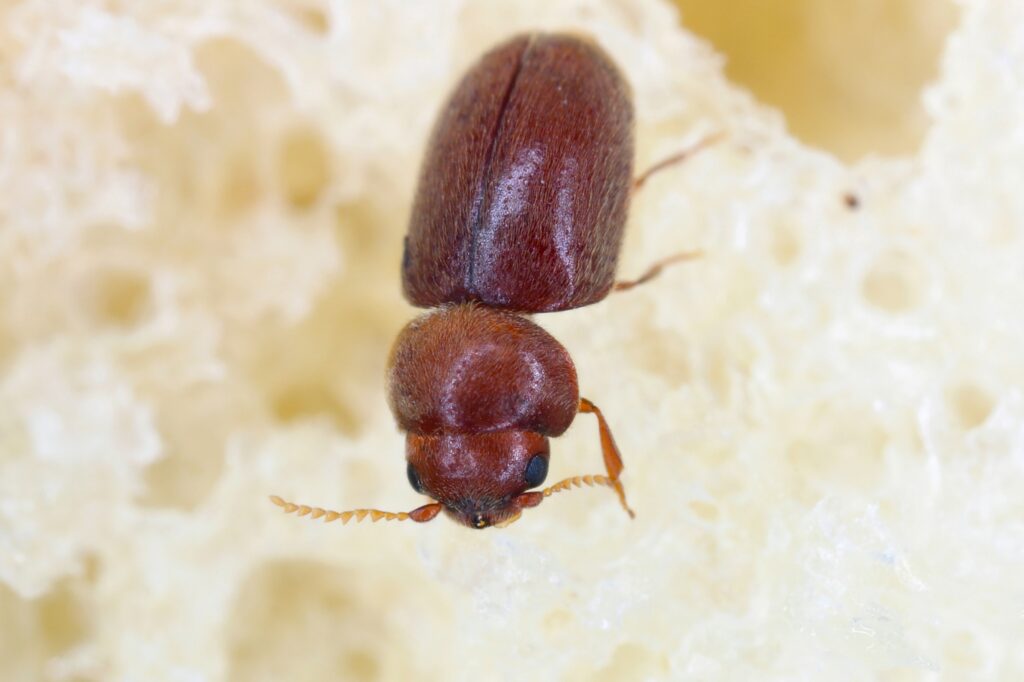
Notice the light hair covering the cigarette beetle’s elytra, and its saw-like antennae.
©Tomasz Klejdysz/Shutterstock.com
Cigarette Beetle: Appearance
The cigarette beetle is a small, reddish-brown insect with a shiny, lightly hair-covered exterior. Its body is elongated and narrow, with a distinct head and prominent antennae. The adult beetle is about 0.08 – 0.11 inches (2-3 mm) long and has a humped back. They have conspicuous antennae that resemble miniature saws. They have six legs and two sets of wings. However, the hindwings are not visible when the beetle is at rest. The cigarette beetle has hardened forewings called elytra that protect the delicate hindwings underneath.
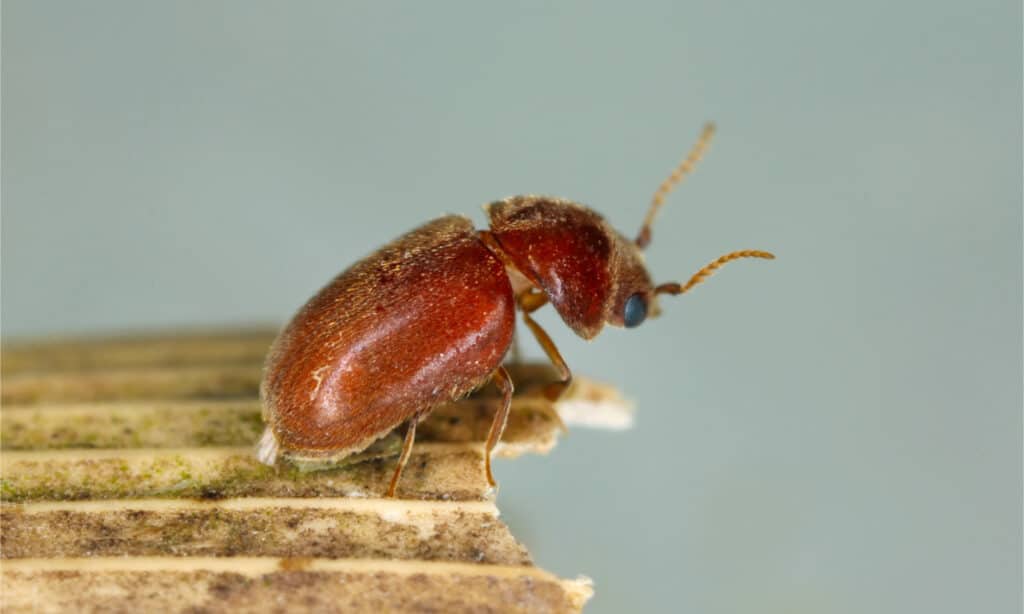
The cigarette beetle is a small, reddish-brown insect with a shiny, smooth exterior. Its body is elongated and narrow, with a distinct head and prominent antenna
©Tomasz Klejdysz/Shutterstock.com
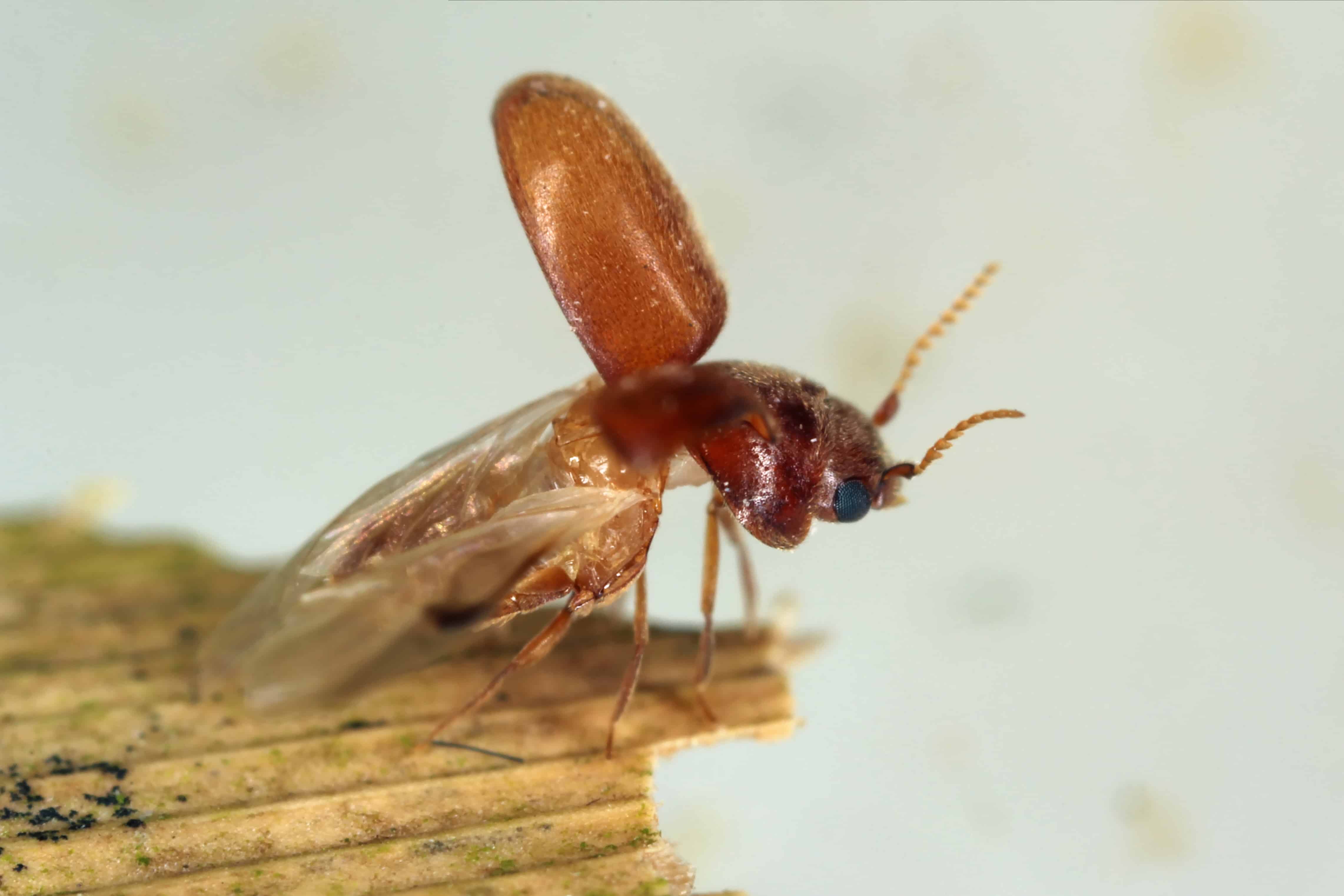
The elytra are firmly attached to the beetle’s body. They do not move when the beetle is at rest, which means that the hindwings are not visible. When the beetle needs to fly, it extends its hindwings. The elytra separate to allow the wings to move freely. After flying, the hindwings fold back up and are tucked away under the elytra again. This mechanism of wing protection and deployment is a common adaptation in beetles. It allows them to use their wings when needed without exposing them to damage or wear when they are not in use. The larvae are creamy white in color and can grow up to 0.16 inches (4 mm) in length. The beetle’s life cycle can be completed in as little as six weeks. They can produce multiple generations in a year.
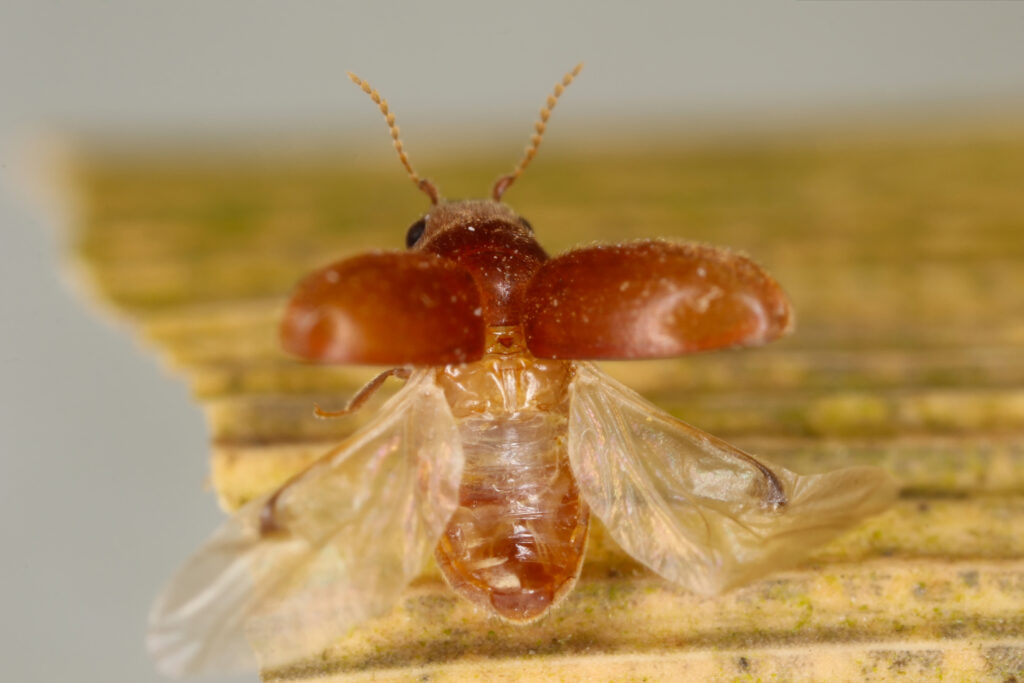
When the cigarette beetle needs to fly, it extends its hindwings, and the elytra separate to allow the wings to move freely.
©Tomasz Klejdysz/Shutterstock.com
Habitat
Cigarette beetles are not generally found in the wild or in natural habitats. Instead, they make their homes in stored-product facilities. Homes, grocery stores, warehouses, and silos, are examples of such facilities. In these locations, cigarette beetles infest a wide variety of dry plant products. Tobacco, grains, seeds, spices, and dried fruits are among their targets. They also feed on dead insects and other organic debris. They are highly adaptable and can thrive in a wide range of environments, from deserts to tropical rainforests. Lasioderma serricorne is considered a cosmopolitan species, which means that it is found in many parts of the world. It is believed to have originated in Asia but has since spread to other regions due to human activities such as trade and transportation. They are a common pest around the globe and cause significant economic losses when not properly controlled.
Cigarette Beetle: Diet
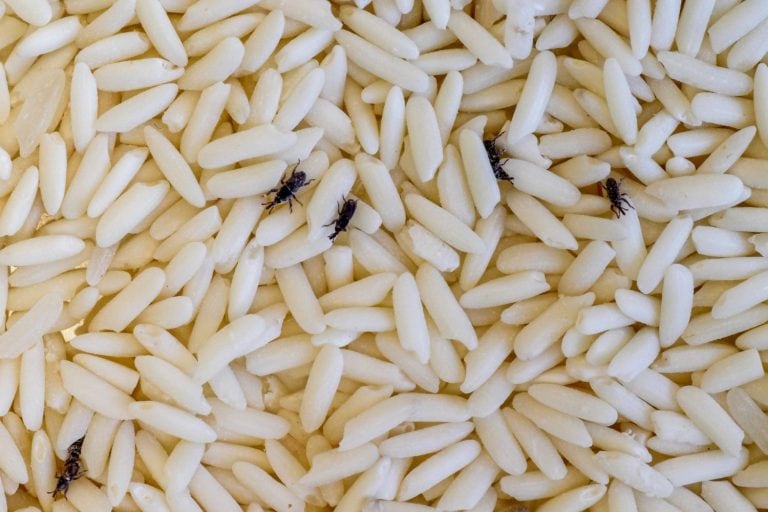
Cigarette beetles infest a wide range of stored products, with a particular preference for plant-based materials. Some of the beetle’s favorite foods include tobacco, dried fruits, spices, nuts, seeds, cereal grains, flour, and pet food. They will also feed on animal products like dead insects, fish meal, and leather. The beetle’s larvae are especially voracious and can consume a wide variety of stored products. They feed on the interior of the infested product, leaving behind a fine powder or webbing as they tunnel through the plant or animal tissue.
Prevention
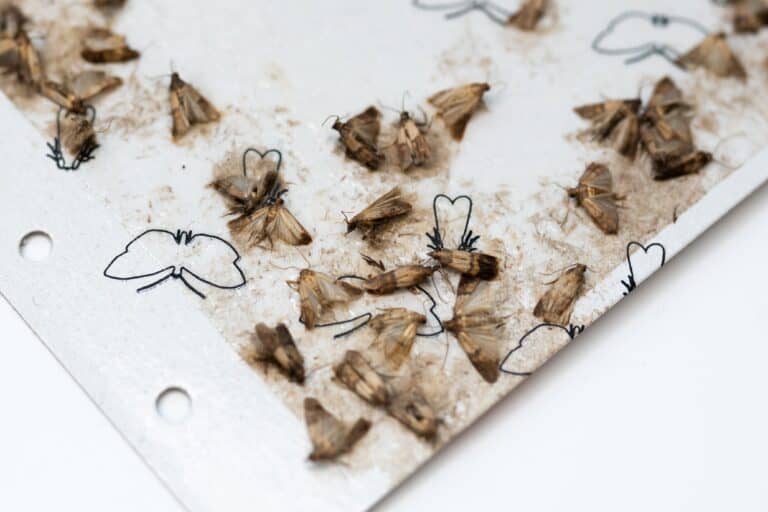
Lasioderma serricorne can infest a wide range of stored products in homes, including food items, spices, pet food, and birdseed. Infestations can be introduced from a variety of sources, including infested products that were purchased, contamination from other infested products in the home, or adult beetles that fly in from the outside. The eggs hatch into larvae, which feed on the product and cause damage. In some cases, infested products may have already contained eggs or larvae at the time of purchase, but this is relatively rare as commercial manufacturers and retailers should have measures in place to prevent infestations.
Once an infestation occurs, the beetles can quickly spread to other stored products in the home. Therefore, it is important to inspect stored products regularly and to promptly discard any items that are found to be infested. Proper storage and sanitation practices can also help to prevent infestations from occurring in the first place. An ounce of prevention and so forth.
Proper Storage
Proper storage is essential for preventing and controlling infestations of cigarette beetles. Here are some general tips for proper storage:
- Store products in clean, dry, cool locations: Cigarette beetles are attracted to warm and humid environments, so it is important to keep stored products in cool, dry locations.
- Use airtight containers: Cigarette beetles can easily penetrate paper, cardboard, and plastic bags, so it is best to store products in airtight containers made of metal, glass, or heavy-duty plastic.
- Inspect products before storage: Before storing dried foodstuffs, carefully inspect them to make sure they are not already infested.
- Rotate products: Use the first in, first out method when using stored products. This means that products with the earliest expiration dates should be used first to prevent them from becoming old and susceptible to infestation.
- Keep storage areas clean and free of debris: Regularly clean storage areas and dispose of crumbs and clean up spills that could attract cigarette beetles.
- Open exterior doors are an open invitation to these pesky critters – adding a screen door can help keep them at bay.
Infestation Aftermath
If you suspect a cigarette beetle infestation in your home, it’s important to take action immediately to prevent the beetles from causing further damage. The first step is to locate and dispose of any infested items, such as tobacco products, dried fruits, nuts, and spices. Next, vacuum the affected area thoroughly, paying close attention to cracks and crevices where beetles may be hiding. After vacuuming, dispose of the vacuum bag in a covered outdoor trash bin to prevent any remaining beetles from escaping. You may also consider applying a pesticide to kill any remaining beetles and their eggs. When applying the pesticide, take the necessary precautions to protect yourself and your pets. continue to monitor the infestation site for signs of a recurrence. Take steps to prevent future infestations by storing dried foods in airtight containers. And close the door!