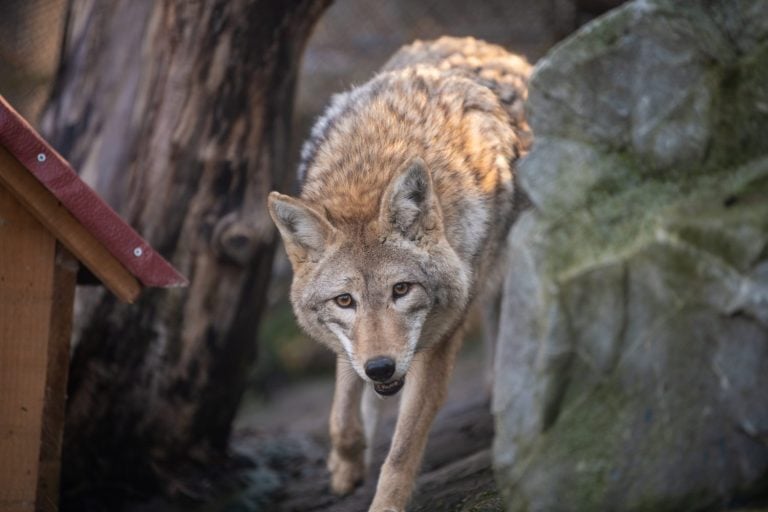

Imagine spotting a coyote in your neighborhood missing half its face! On Reddit, a user has noticed a coyote wandering their neighborhood for weeks in Tacoma, Washington. In the video, the coyote is walking slowly, while looking down and looks like it’s missing half its face. Although no one knows for sure, some Reddit users believe the coyote is suffering from mange. Neighbors have called the local police and animal control, but it’s still being spotted.
Are Coyotes Common in Washington State?
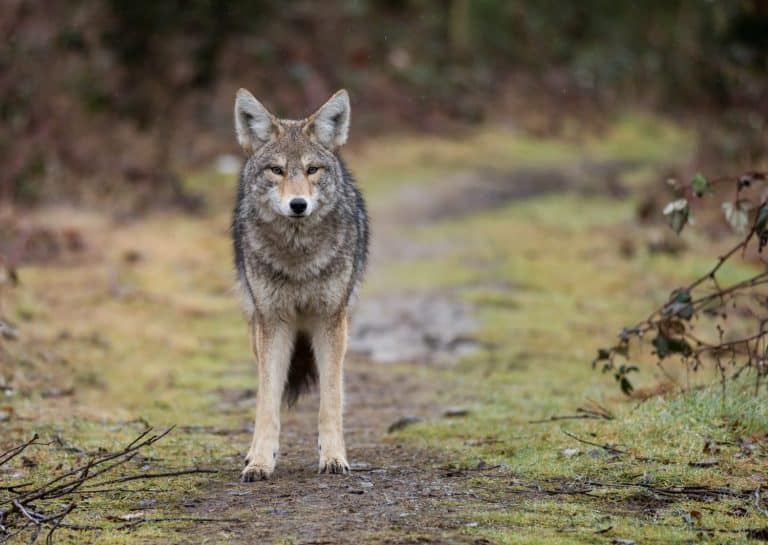
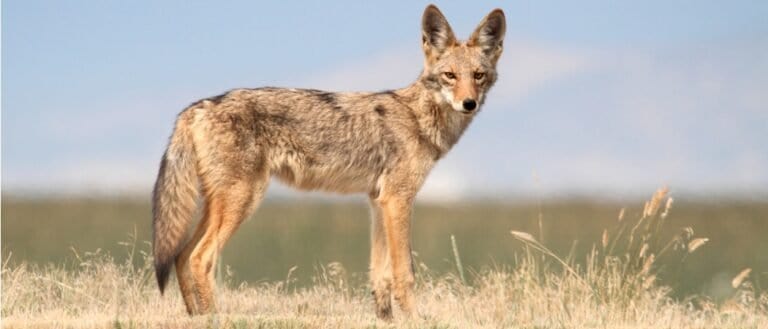
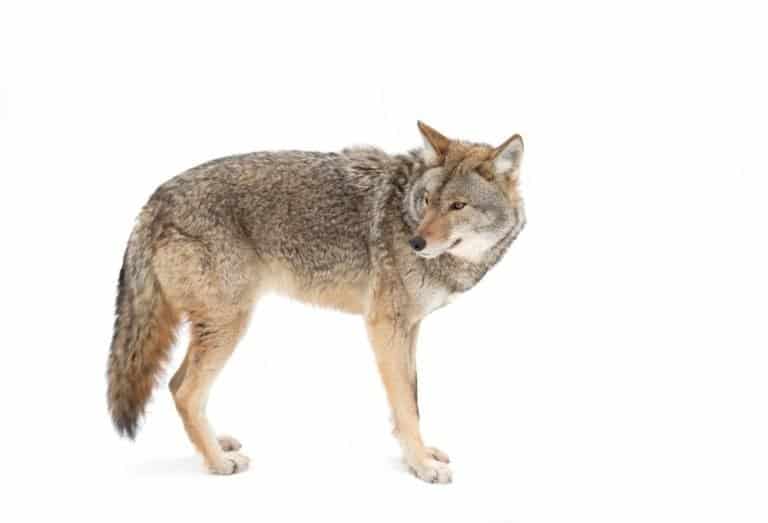
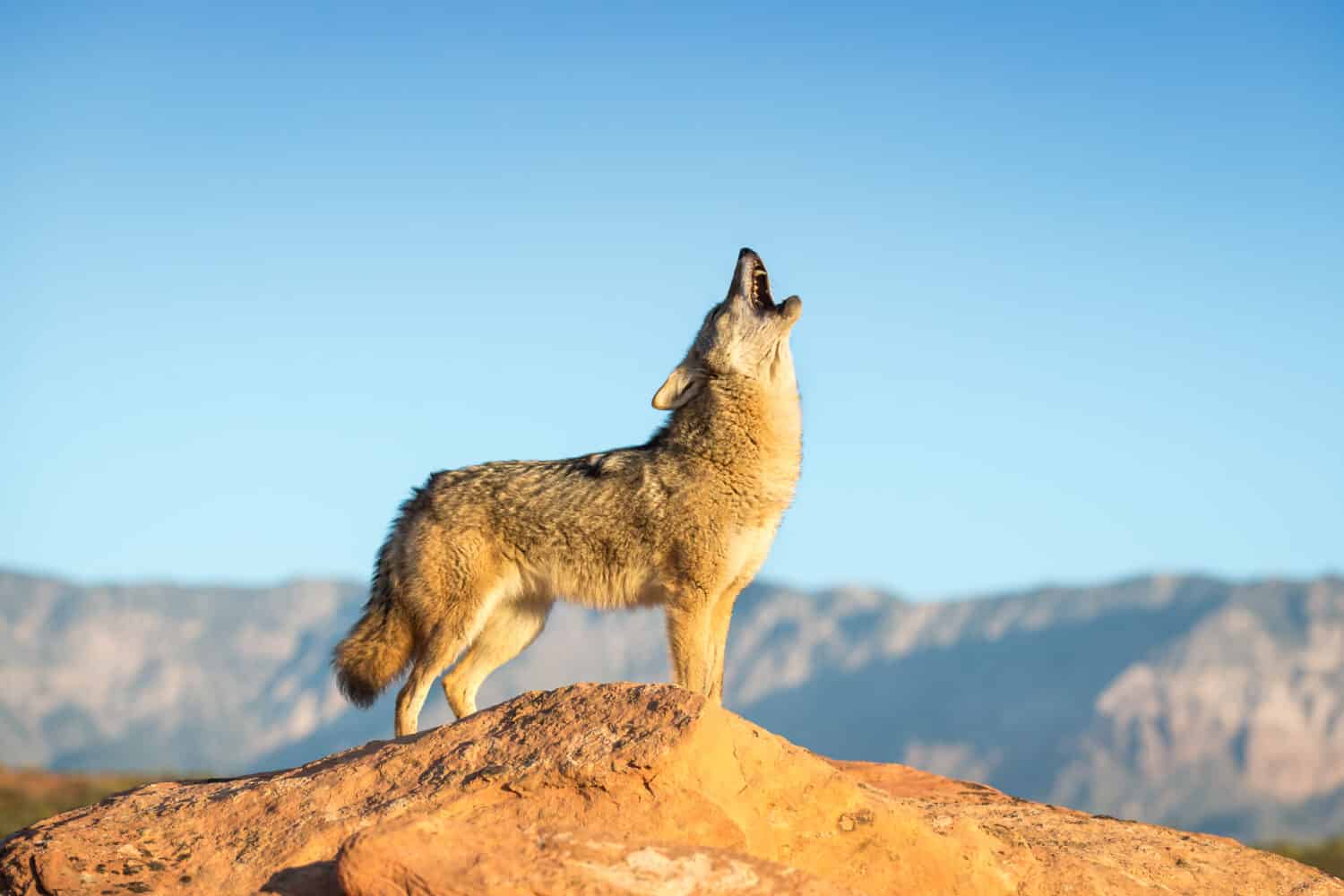
In Washington State, there are likely over 50,000 wild coyotes and counting. Coyotes live in rural and urban areas. They are intelligent animals that weigh about 20 to 35 pounds. Coyotes also have a shoulder length of about 25 inches.
Coyotes are canines native to North America. They are closely related to gray wolves. These small canines are listed as Least Concern on the IUCN Red List. Interestingly, these small canines were limited to open plains and arid regions of the western half of North America.
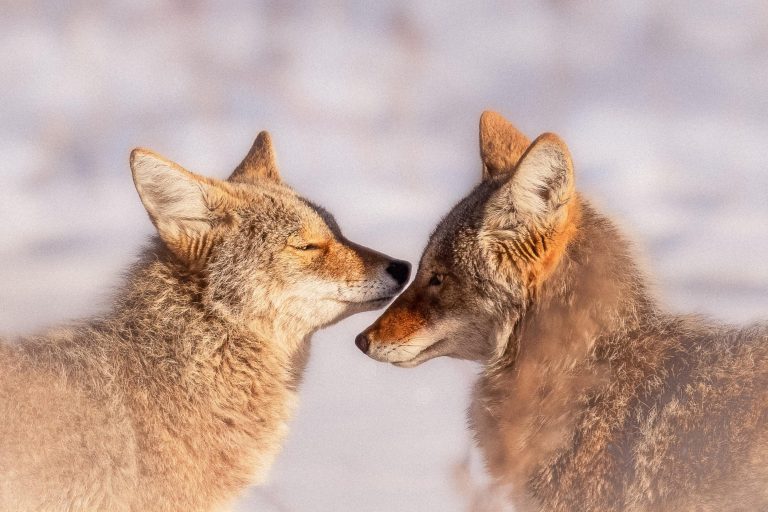
Coyotes are very social animals, and yet they are also very independent. Most coyote packs though are centered around a reproductive female, their mate, and children. However, sometimes, non-family packs form, although temporarily. Coyotes can be territorial, but it depends on the season. They are more territorial during the denning season. Coyotes form dens in drainage pipes, abandoned buildings, canyons, and water banks.
Sadly, coyotes also carry a large number of diseases. They can become infected with rabies, canine distemper, and infectious canine hepatitis. They are also affected by both demodectic and sarcoptic mange.
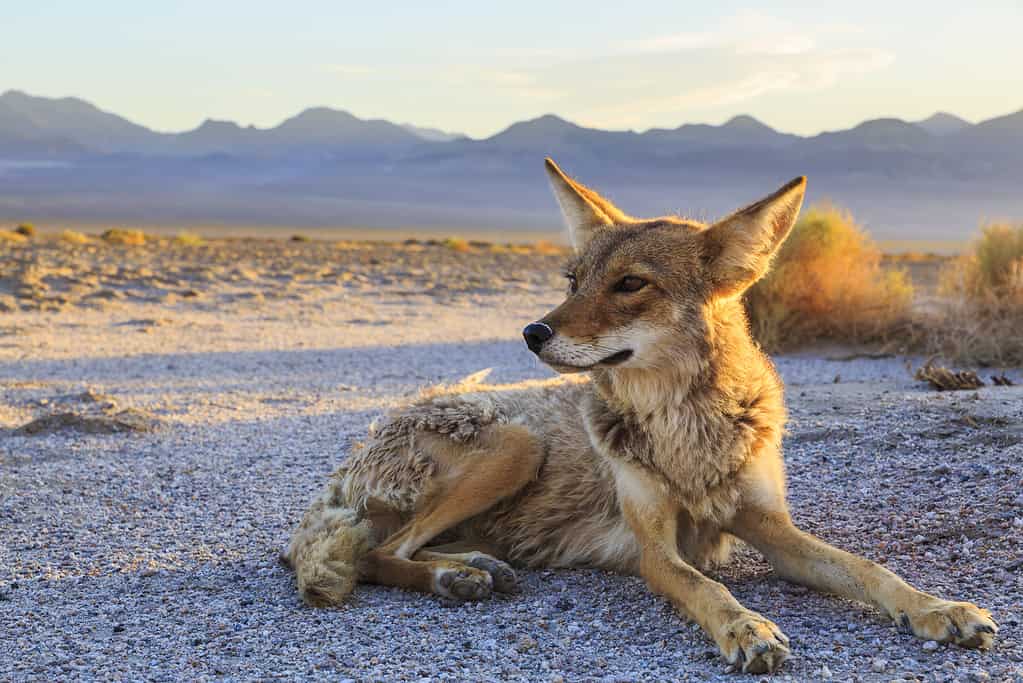
There are over 50,000 coyotes in Washington State.
©iStock.com/dmodlin01
What is Mange in Coyotes?
The coyote missing half its face is likely suffering from mange. So, what is mange? Mange is a parasitic mite skin condition that can lead to death if it worsens. This occurs when ticks burrow under their skin. Coyotes with mange display strange behaviors and also severely scratch, which causes hair loss and wounds. Frequently open wounds can lead to secondary infections, which can kill coyotes. Not all coyotes though develop mange, even while harboring ticks.
What to do if You See a Wild Animal with Mange
Although tempting, if you see an animal suffering in your neighborhood, you shouldn’t reach out to them. Many animals, like coyotes, can scratch or bite, transmitting diseases like rabies. Instead, if you suspect a wild animal is sick, call your local authorities or your state’s Department of Fish and Wildlife. They can either help or point you in the right direction. If you’ve come in contact with a sick animal, always wash your hands thoroughly and avoid touching your face. Although unlikely, humans can also contract mange.