
Quick Take
- Yellowjackets can sting repeatedly, though the real danger isn't the sting count. It's something most people never think to watch for. See the real danger →
- Unlike honeybees, yellowjackets have a biological quirk that makes a single disturbed nest far more dangerous than most people realize. Explore the stinger difference →
- Yellowjackets are one of summer's most aggressive scavengers, and their aggression spikes dramatically at a specific time of year. Learn about their aggression →
- Getting your arm out of a box of 200 yellowjackets turns out to be the hardest part of the whole experiment, and the reason why is oddly logical. Watch the arm escape →
There’s a big difference between having a yellowjacket buzzing around your picnic and deliberately putting your arm into a box filled with 200 of them. Wildlife host Coyote Peterson decided to find out just how painful the second scenario could be. As you might expect, things got uncomfortable pretty quickly.
In a video from the Brave Wilderness YouTube channel, Peterson places his bare arm inside an enclosure holding roughly 200 yellowjackets. The insects respond almost immediately, leaving him struggling with painful stings while his crew works to get his arm out and secure the box.
But what makes yellowjackets react this way, and how dangerous can multiple stings actually be? These small wasps are surprisingly effective hunters with a strong instinct to defend themselves and their colonies. Peterson’s encounter offers a rather painful demonstration of why it’s best to give them some space.
Watch Coyote Peterson Face 200 Yellowjackets
Peterson has built a career around close encounters with animals most people would prefer to admire from a distance. Even by his standards, however, putting an unprotected arm into an enclosure of yellowjackets is an extreme experiment. The insects begin stinging almost immediately, and the resulting redness, welts, and swelling are difficult to miss.
Getting his arm out presents another problem: opening the enclosure risks releasing the wasps. His filming partner steps in to help, but several insects escape before the situation is brought under control. It’s a memorable bit of wildlife footage, although certainly not something anyone should attempt to recreate.
What Exactly Are Yellowjackets?
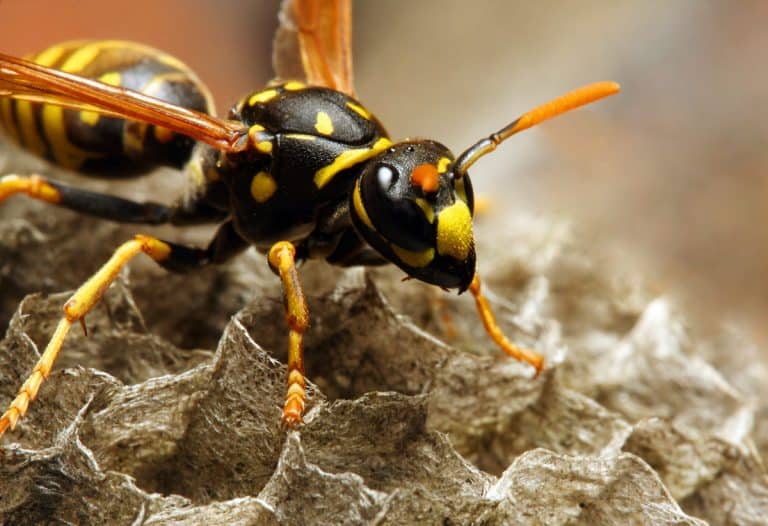
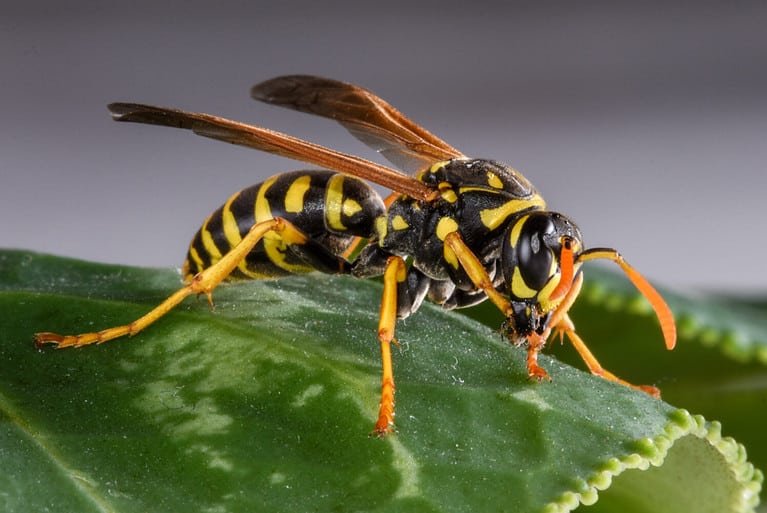
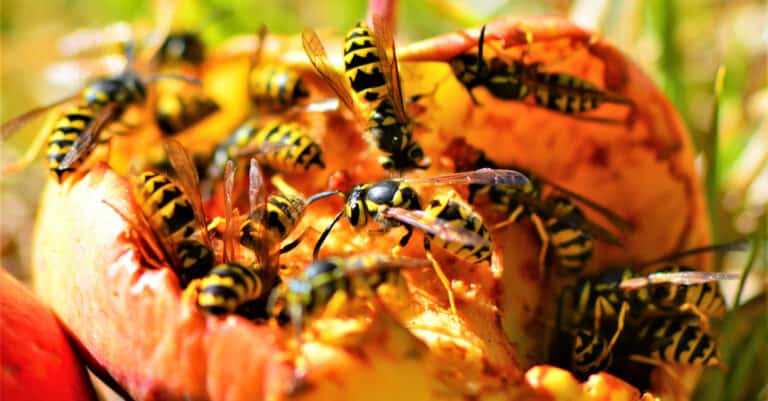
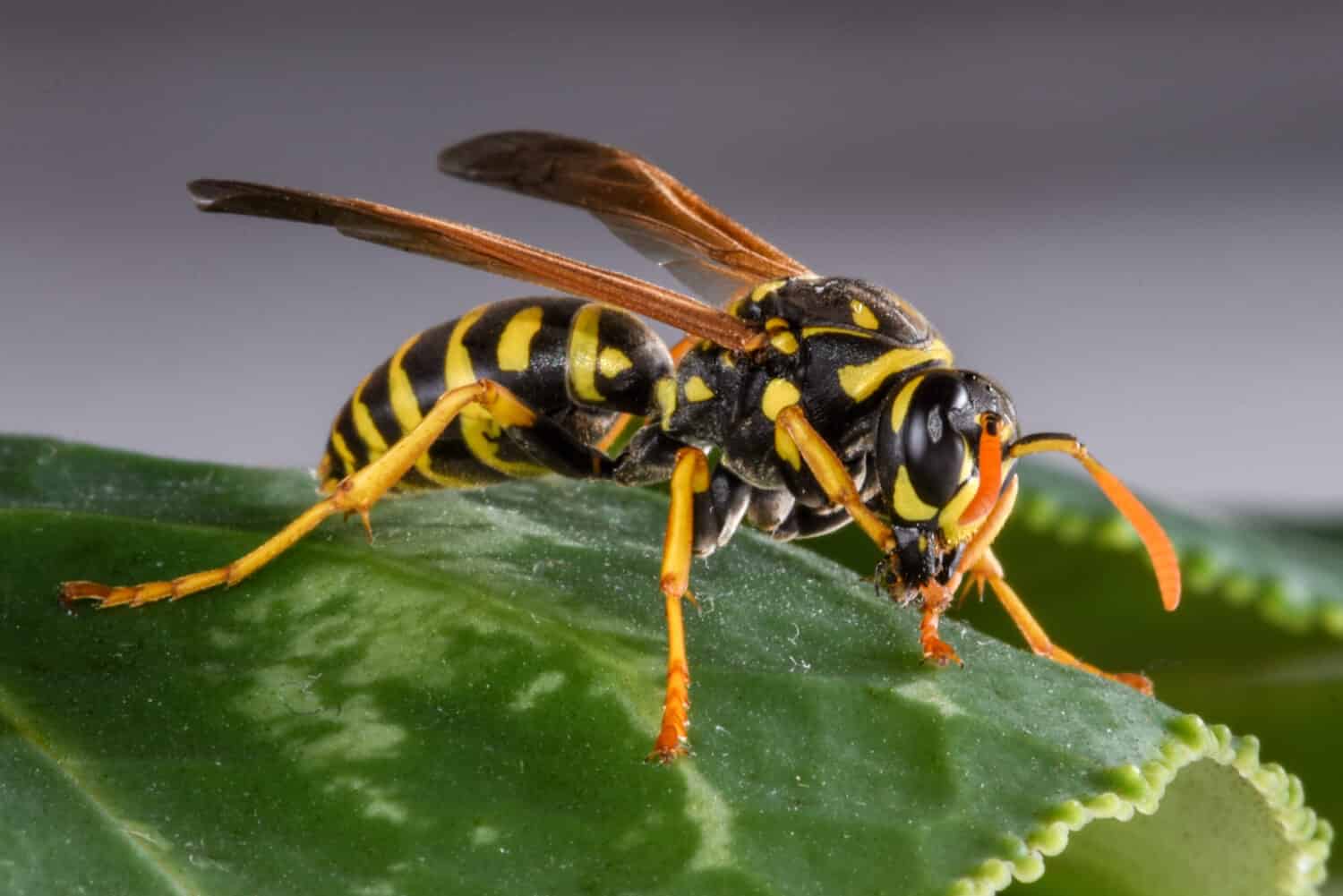
Yellowjackets are social wasps that hunt insects and scavenge for food.
©Ernie Cooper/Shutterstock.com
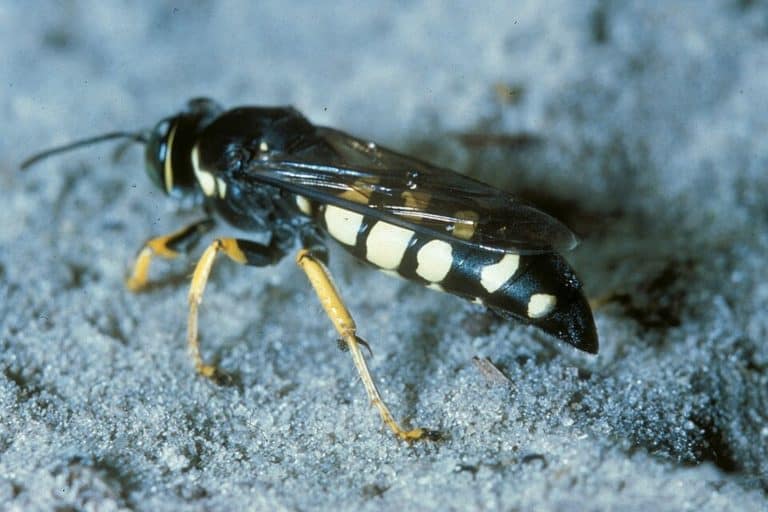
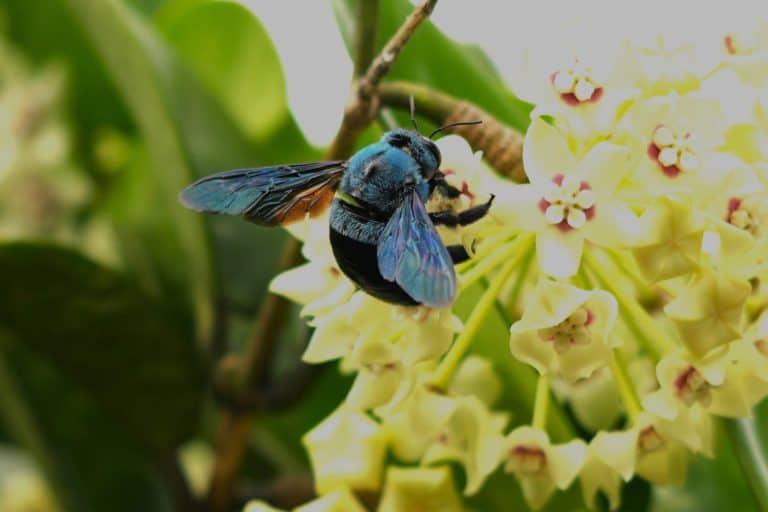
First things first: yellowjackets aren’t bees. They’re social wasps belonging to the family Vespidae, with familiar species found in the genera Vespula and Dolichovespula. Most have distinctive yellow-and-black markings, relatively smooth bodies, and a narrow waist. Workers of many common North American species measure around half an inch long, although queens are typically larger.
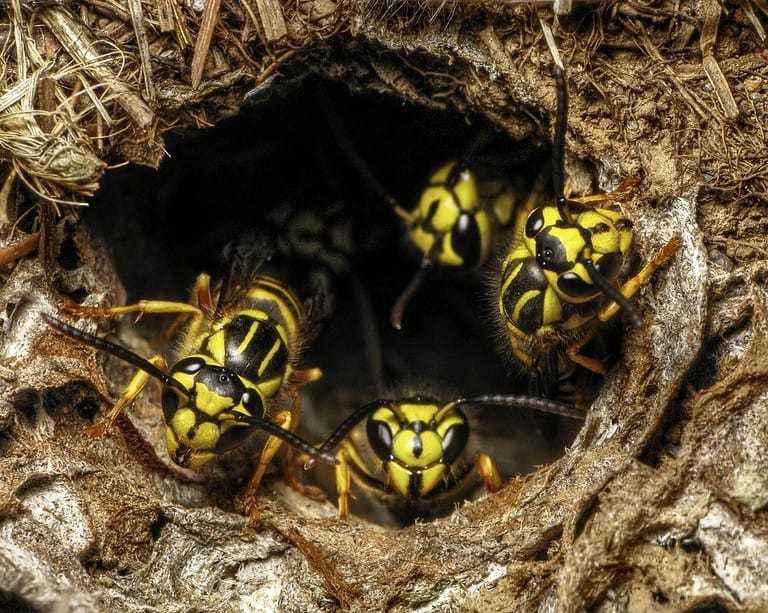
Yellowjackets live in colonies that can contain hundreds or even thousands of individuals. Depending on the species, they build paper-like nests underground, inside walls, in trees, or other protected places. Those nests are made from chewed wood fibers, and the workers spend much of their time gathering food, tending to larvae, and defending the colony.
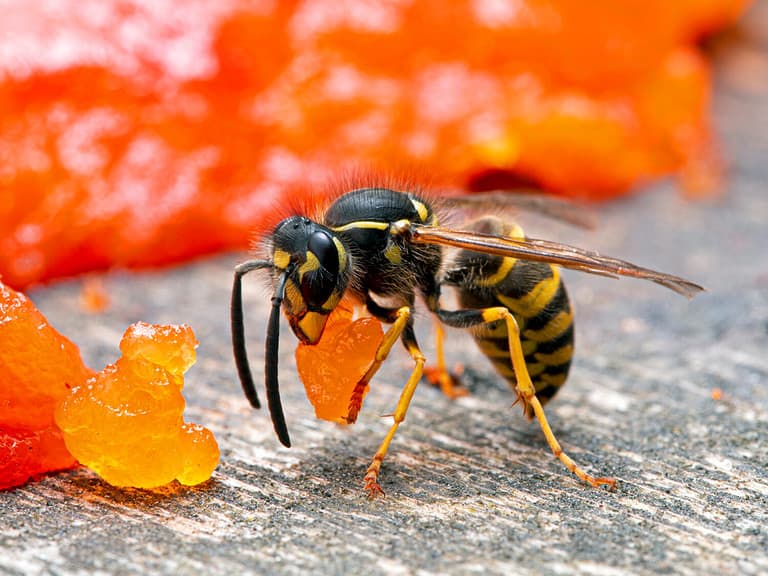
They’re also surprisingly useful insects. Yellowjackets hunt caterpillars, flies, and other small creatures, helping control insect populations. But they’re opportunistic scavengers, too. That’s why you might spot one investigating a dropped piece of meat, a sugary drink, or an overflowing garbage can at a backyard barbecue.
And despite having a venomous sting, yellowjackets aren’t completely without predators. Skunks, raccoons, and some bears will raid their nests to eat the protein-rich larvae. Apparently, the reward is worth dealing with a few particularly unhappy wasps.
Why Do Yellowjackets Sting Repeatedly?

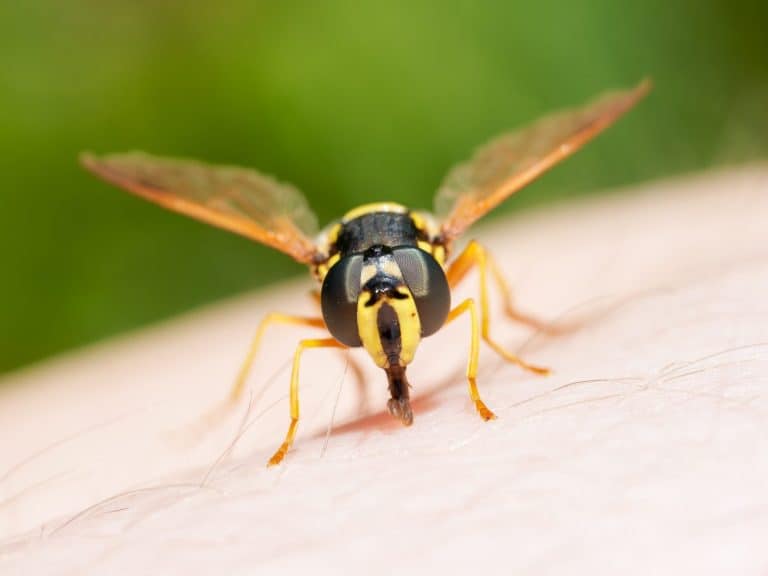
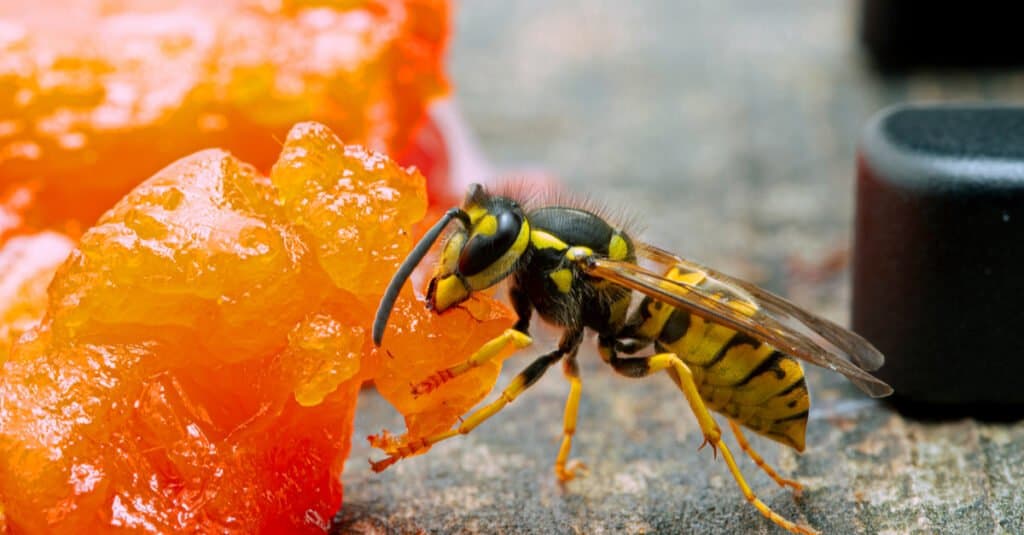
Yellowjackets can sting repeatedly, particularly when they perceive a threat.
©Jeff W. Jarrett/Shutterstock.com
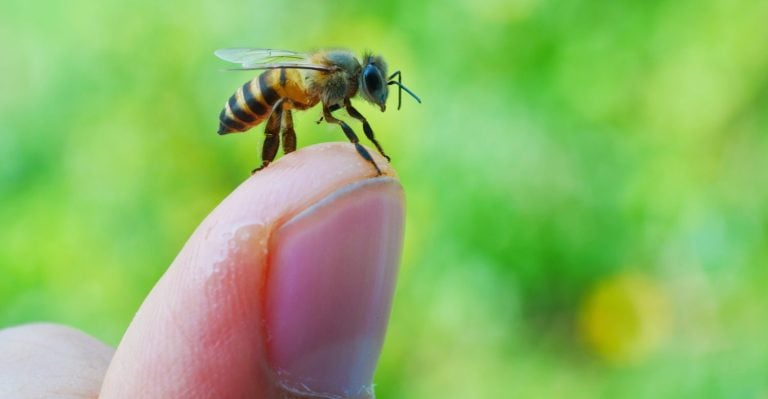
Unlike honeybees, which generally lose their barbed stingers after stinging a mammal, yellowjackets can sting more than once. Their stingers typically don’t become lodged in the skin, allowing them to deliver additional stings when they feel threatened.
That doesn’t mean every yellowjacket is flying around looking for a fight. Most encounters happen without anyone getting stung. The trouble starts when an insect is trapped, handled, swatted at, or believes its nest is under attack. Yellowjackets are particularly defensive around their colonies, where workers respond to threats by stinging.
The risk can increase toward late summer and early fall, when many colonies reach their largest populations and workers become more noticeable around outdoor food. According to the University of Minnesota Extension, some yellowjacket species become persistent scavengers during this period, making picnics and outdoor gatherings common places for uncomfortable encounters.
How Dangerous Are Yellowjacket Stings?
For most people, a single yellowjacket sting causes immediate pain, redness, itching, and localized swelling. That’s unpleasant enough, but the bigger concern comes when someone receives numerous stings or experiences a severe allergic reaction. Because yellowjackets can sting repeatedly, disturbing a large group can expose someone to a substantial amount of venom in a short period.
Multiple stings can cause serious complications even in people who aren’t allergic. The Cleveland Clinic recommends seeking medical attention promptly after multiple yellowjacket stings. In severe cases, the effects can extend beyond the skin and affect other parts of the body.
An allergic reaction can be dangerous even after a single sting. Symptoms such as difficulty breathing, swelling of the tongue or throat, fainting, or widespread hives can indicate anaphylaxis, a potentially life-threatening emergency. Anyone experiencing those symptoms should receive emergency medical assistance immediately. People prescribed an epinephrine auto-injector should use it as directed and call emergency services.
Fortunately, avoiding yellowjacket stings usually doesn’t require anything complicated. Leave nests alone, keep outdoor food and drinks covered, and avoid swatting at individual insects. If a group of yellowjackets begins attacking, move away promptly and seek shelter.
Peterson’s video shows exactly how quickly a close encounter with these wasps can become painful. Yellowjackets play a useful role in the environment, but there’s no good reason to test their patience. Watching someone else volunteer for that lesson is more than enough.