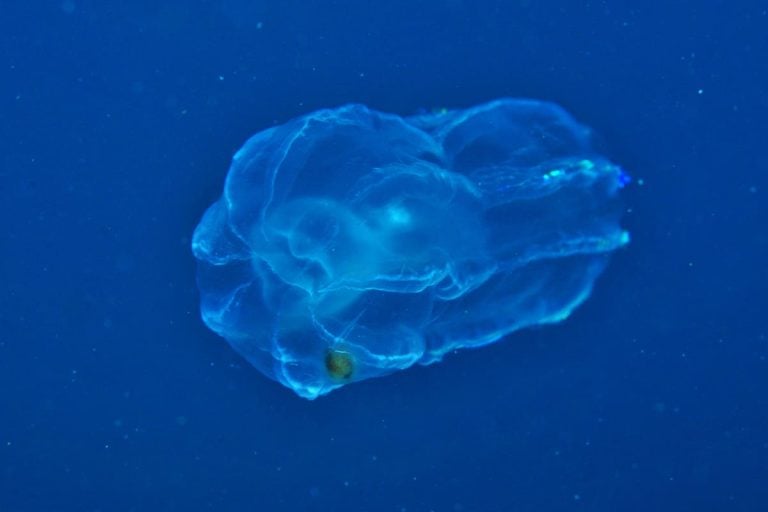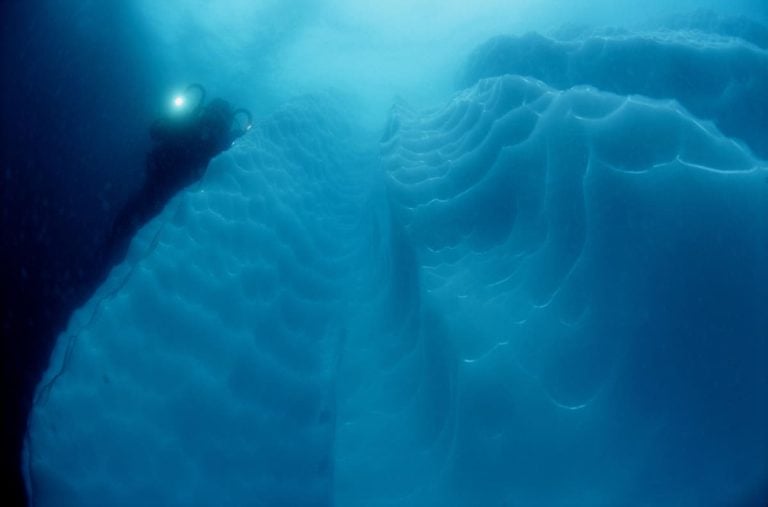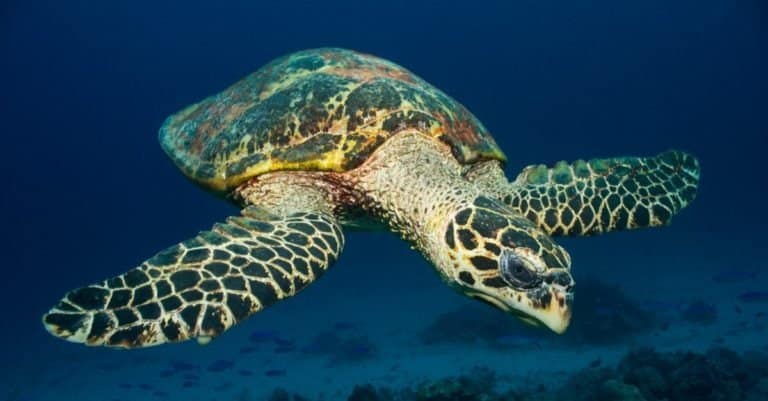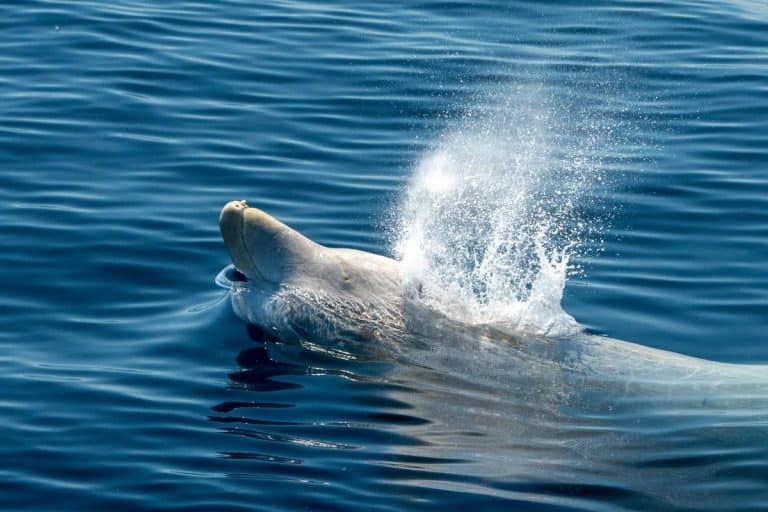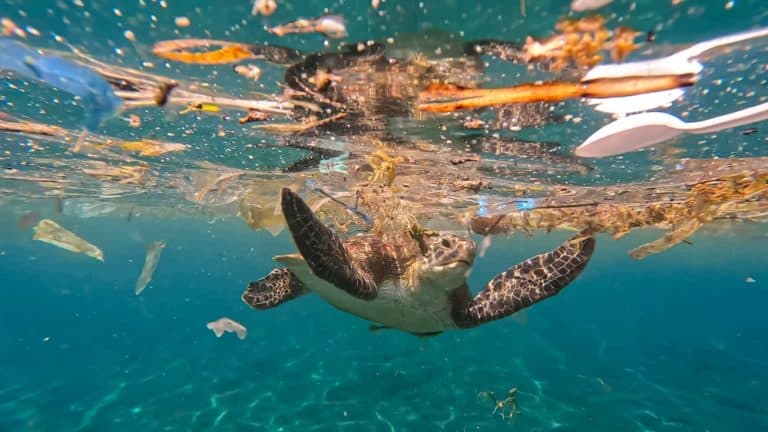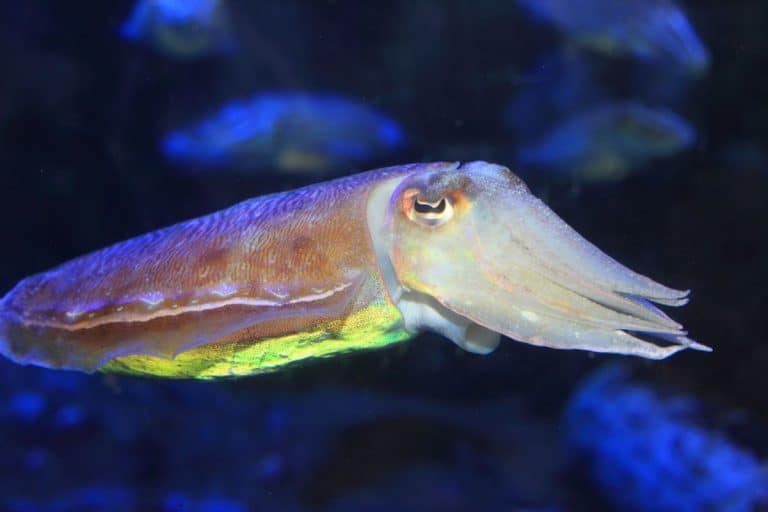

Our oceans are as remarkable as they are mysterious; the deep dark waters as foreign to us as far-reaching planets. Though covering 70% of the Earth’s surface, oceans are poorly understood realms of biodiversity, with around 80% remaining unmapped and unexplored. Though humans have navigated the waters for centuries and marine biologists have spent decades studying water-based creatures, we still know very little. In fact, scientists estimate that as much as 90% of marine life has yet to be discovered. In light of these numbers, the largest collaborative push in favor of marine research is underway. Nippon Foundation-Nekton Ocean Census announced it has discovered an astounding 866 new underwater species.
The initiative, launched in 2023, seeks to push back on the excessively long delays in identifying new species. The time between actual discovery of the organism and formal identification can be as long as a decade! Ocean Census is developing an efficient, global system for cataloging newly discovered marine life. The program employs high tech tools, like submersibles and data platforms, and partners with upwards of 400 organizations.
This slideshow highlights a few of the recently found species and explores the groundbreaking work of Ocean Census. We cover physical descriptions, the technology behind expeditions, and how this innovative research is reshaping our understanding of the world’s oceans and the life within. Lastly, we’ll point out how this initiative could benefit conservation and aid in climate adaptation.
Ocean Census Unveils 866 New Marine Species
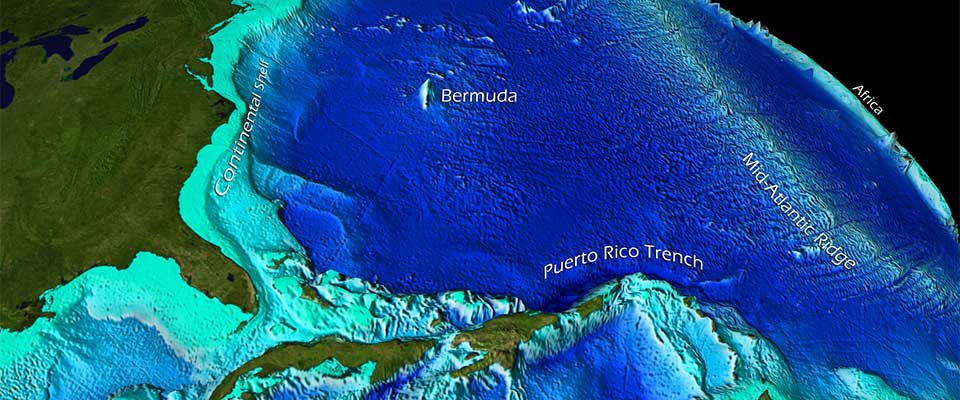
©National Oceanic and Atmospheric Administration (NOAA) / Public Domain CC0 - Original / License
- The Nippon Foundation-Nekton Ocean Census has identified 866 new marine species.
- This marks a major advancement in documenting ocean biodiversity.
- The project is part of a global effort to accelerate marine species discovery.
Vast Unknowns in the Ocean

©Luis Louro/Shutterstock.com
- Scientists believe 90% of marine species remain undocumented.
- The Ocean Census aims to close this knowledge gap rapidly.
- The program is endorsed under the United Nations Ocean Decade.
Guitar Shark
©Hyotographics/Shutterstock.com
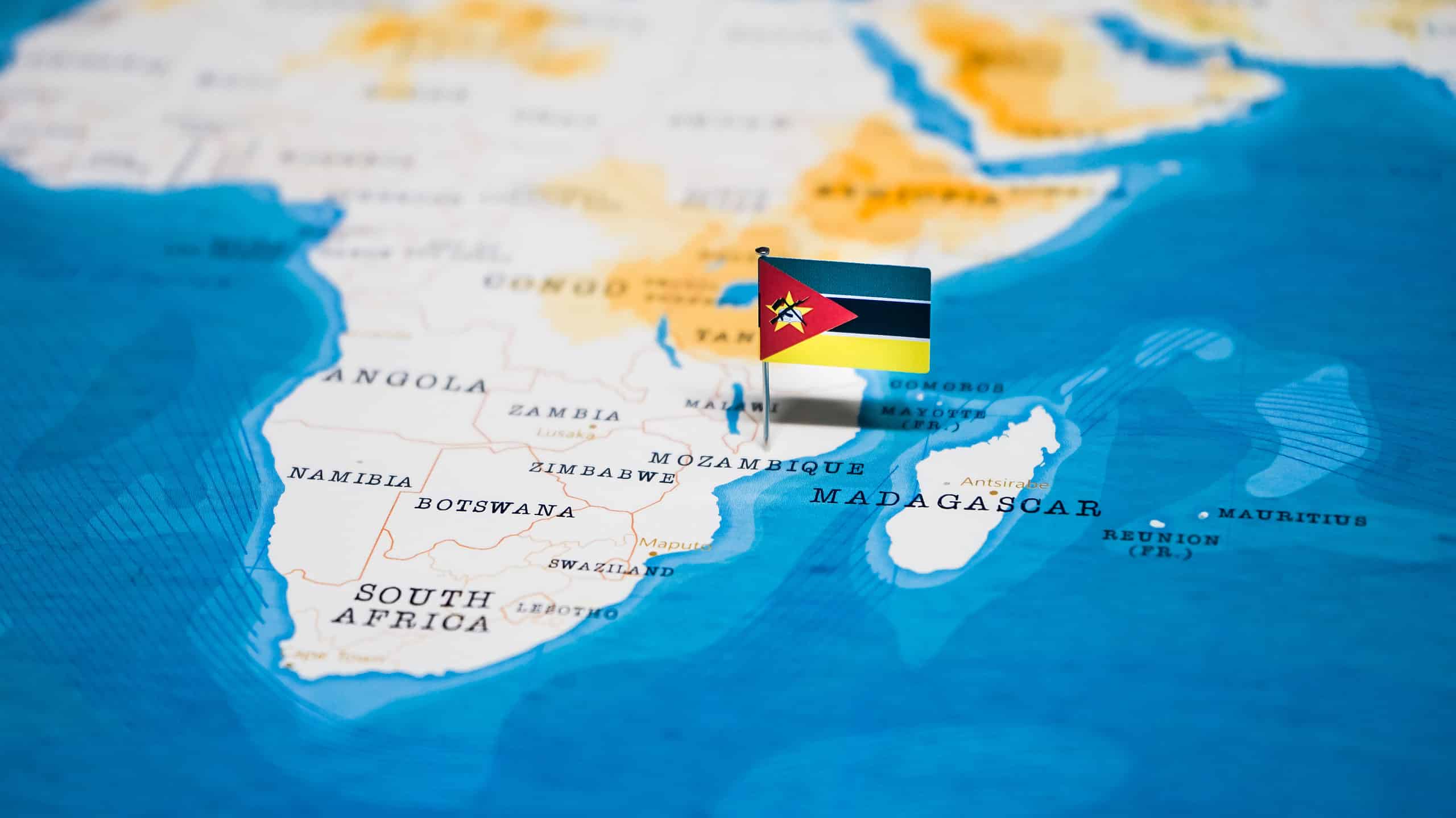
- A new species of guitar shark was discovered off Mozambique and Tanzania.
- This is only the 38th known species in this critically endangered group.
- The discovery was led by shark expert David Ebert.
Turridrupa magnifica

©iStock.com/Oleksii Liskonih
- A venomous gastropod discovered near New Caledonia and Vanuatu.
- Related species have contributed to chronic pain treatments.
- The discovery highlights the potential of marine species in medicine.
Maldives Octocoral

©Romolo Tavani/Shutterstock.com
- A new octocoral species was found in the Maldives.
- It’s the first of its genus to be recorded in the region.
- Octocorals support reef health and marine biodiversity.
Technologies Driving Discovery
©iStock.com/S_Bachstroem
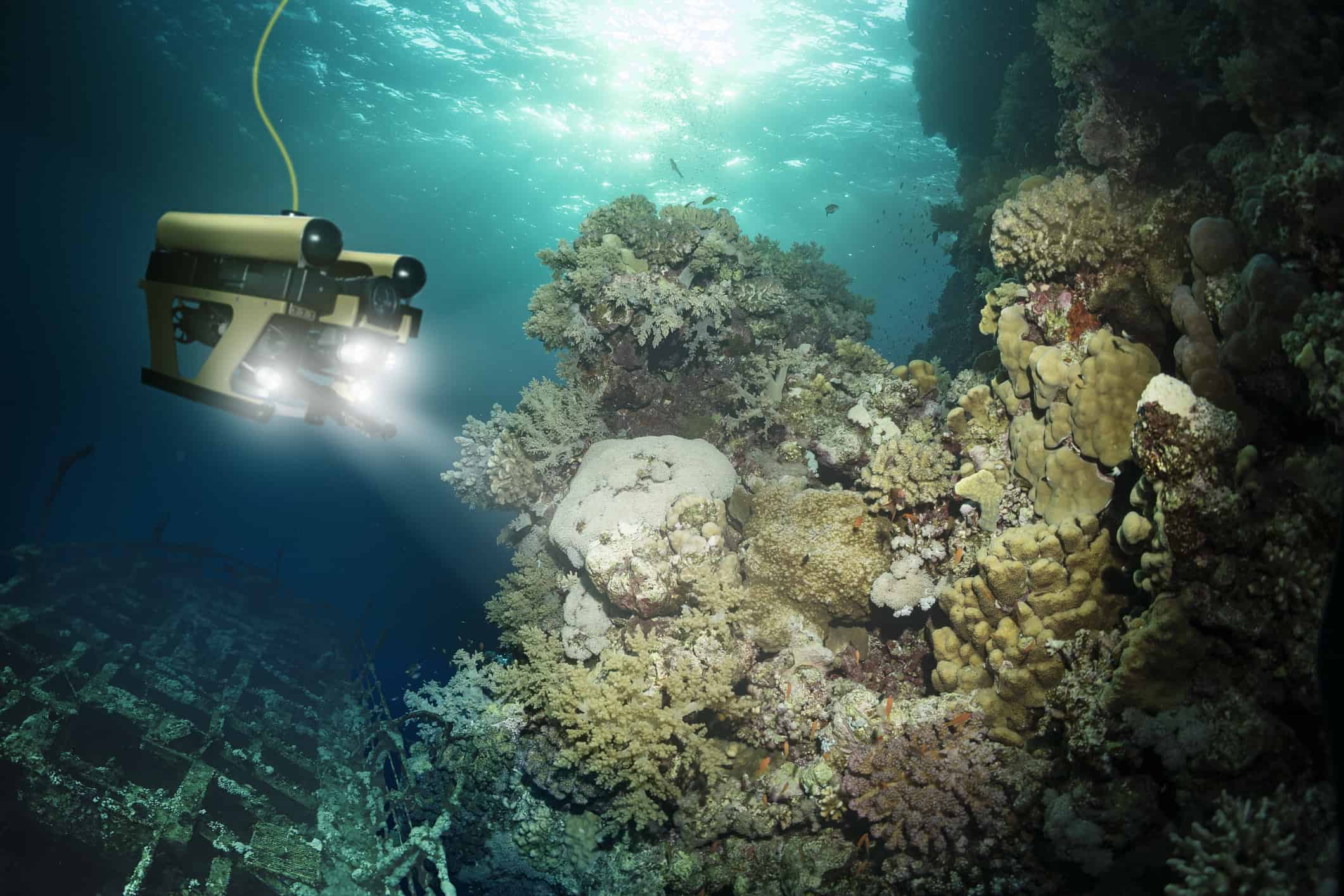
- Explorations use divers, submersibles, and remotely operated vehicles (ROVs).
- Discoveries span ocean depths of 1 to nearly 5,000 meters.
- The Ocean Census Biodiversity Data Platform shares data publicly.
Why Speed Matters in Species Discovery

©Pixel-Shot/Shutterstock.com
- Formal species identification can take over 13 years.
- Many species risk extinction before being documented.
- The Ocean Census accelerates this process with its global network.
Global Collaboration is Key
©Rich Carey/Shutterstock.com
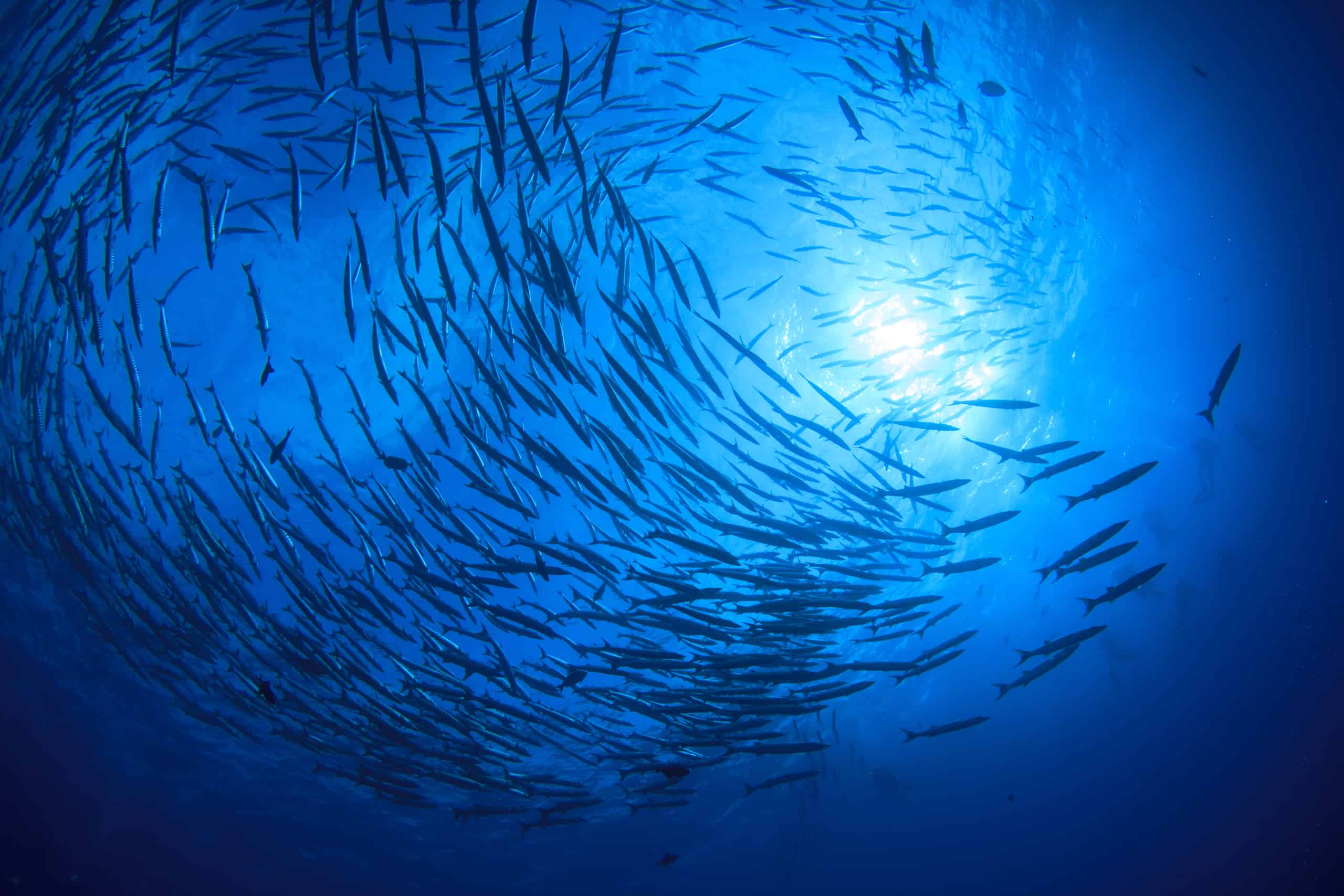
- Over 400 institutions contribute to the Ocean Census effort.
- Strategic partners include national institutes and conservation organizations.
- The decentralized network enhances agility and innovation.
Looking Ahead to 2025
©Andrey_Kuzmin/Shutterstock.com
- The Census will conduct 10 new expeditions and 7 workshops in 2025.
- Additional discoveries will be added to the public data platform.
- These efforts aim to discover 100,000 new species, with an estimated $1 billion needed.
Impact on Conservation and Climate
©iStock.com/Francesco Ricciardi
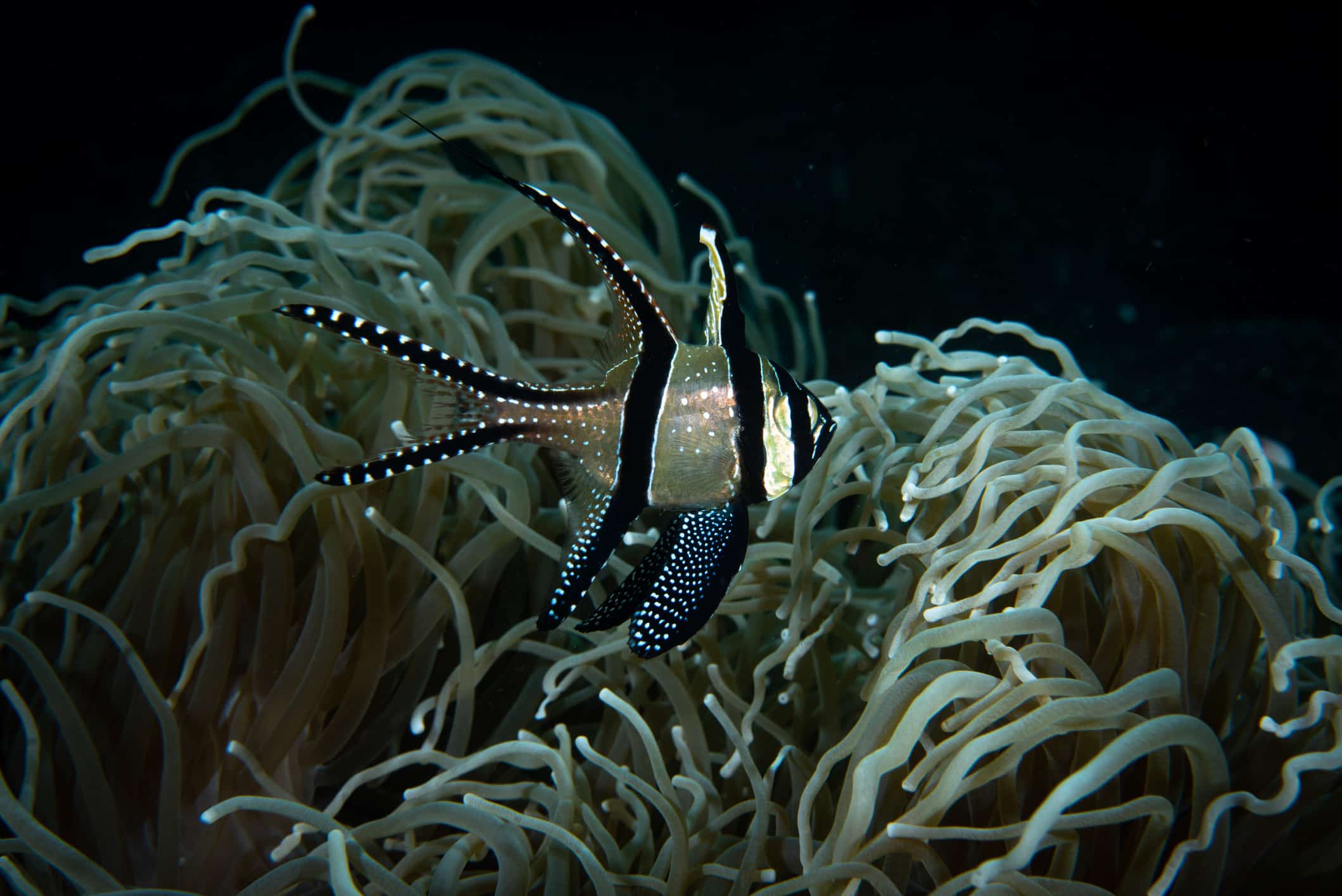
- Knowledge from new species helps inform conservation strategies.
- Marine life discoveries support climate adaptation efforts.
- The Ocean Census highlights the urgent need to protect ocean ecosystems.