
Quick Take
- A global study found that ecosystems have less ability to compensate for species loss than previously assumed. See the study findings →
- Biodiversity supports essential services such as pollination, pest control, food production, and clean water. How species loss harms us →
- Ocean carbon storage showed the strongest positive relationship with biodiversity among the ecosystem services studied. Explore ocean carbon storage →
- Some foundational species, such as plants that stabilize coastlines, cannot easily be replaced by other species. Meet irreplaceable species →
There are various types of ecosystems all around us, such as forests, grasslands, deserts, and oceans. A long-held belief has been that ecosystems can lose a few species without suffering any real harm, as plenty of other plants and animals can simply take over their roles. However, a recent global study has revealed that this assumption is massively overestimated, showing that nature has far less backup capacity than previously believed. The study instead suggests that losing even a few species can have a far greater impact on the wider world than we might expect.
Why Ecosystems Are at Risk
The idea that ecosystems can cope with losing species comes from a concept known as functional redundancy. This is when several species perform similar roles within an ecosystem, meaning that if one disappears, then others can take over its functions. For example, more than one predator preys on the same animals. Likewise, multiple insects pollinate the same flowers. Therefore, it’s long been thought that losing one species isn’t a great loss if another species can do a similar job. However, although two species might appear to perform the same role, there might actually be a lot of differences between them – such as being active at different times of the year.
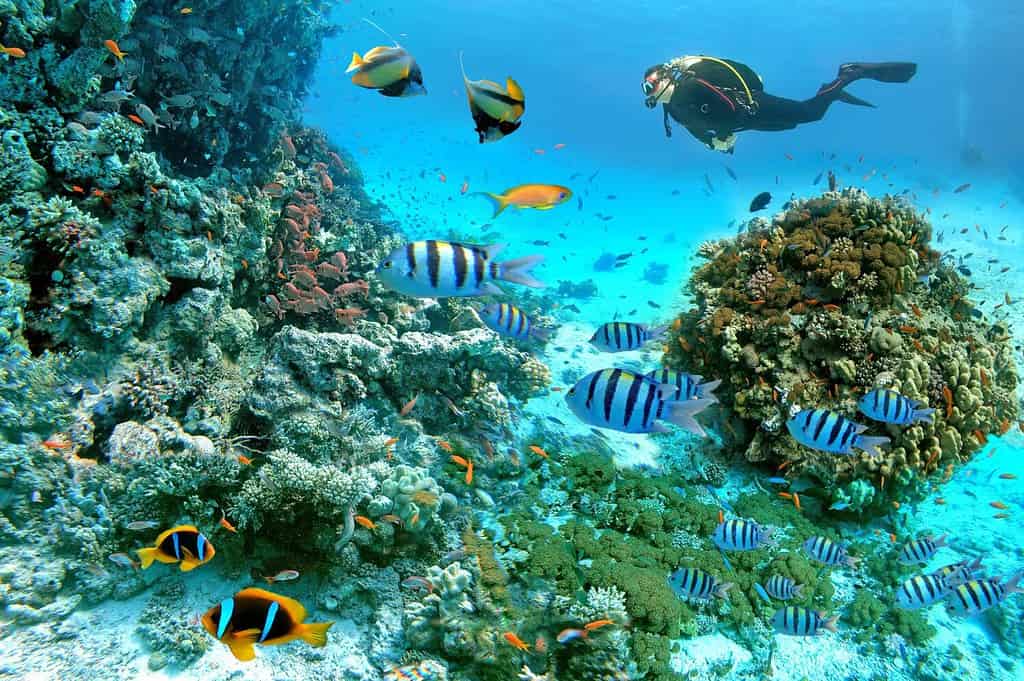
Most ecosystems depend on a variety of species working together.
©branislavpudar/Shutterstock.com
A new study led by King’s College London and Imperial College London has suggested that the idea that ecosystems have plenty of “backup” has been greatly overestimated. The study is the largest analysis of its kind and combined information from 423 published studies and 222,829 different data points from ecosystems on both land and water. This is more than twice the size of the largest previous effort, meaning it was able to examine the effects of biodiversity across a range of natural environments.
The study covered 23 different types of ecosystem functions and found that most benefits in ecosystems continued to increase as biodiversity increased, rather than levelling off once a few different species were present. The same happened in reverse, with findings showing that ecosystems lose some of their functionality when species are lost, even if there are similar species remaining to take on the same roles. In other words, ecosystems may have far less capacity to cope with species loss than previously assumed, with fewer alternatives available to take over when a species disappears.
How Biodiversity Supports People
Biodiversity isn’t just important for keeping ecosystems healthy. It also supports many of the things that people rely on every day, such as food and clean water. These are known as ecosystem services and can also include things such as pollination, pest control, and carbon storage.
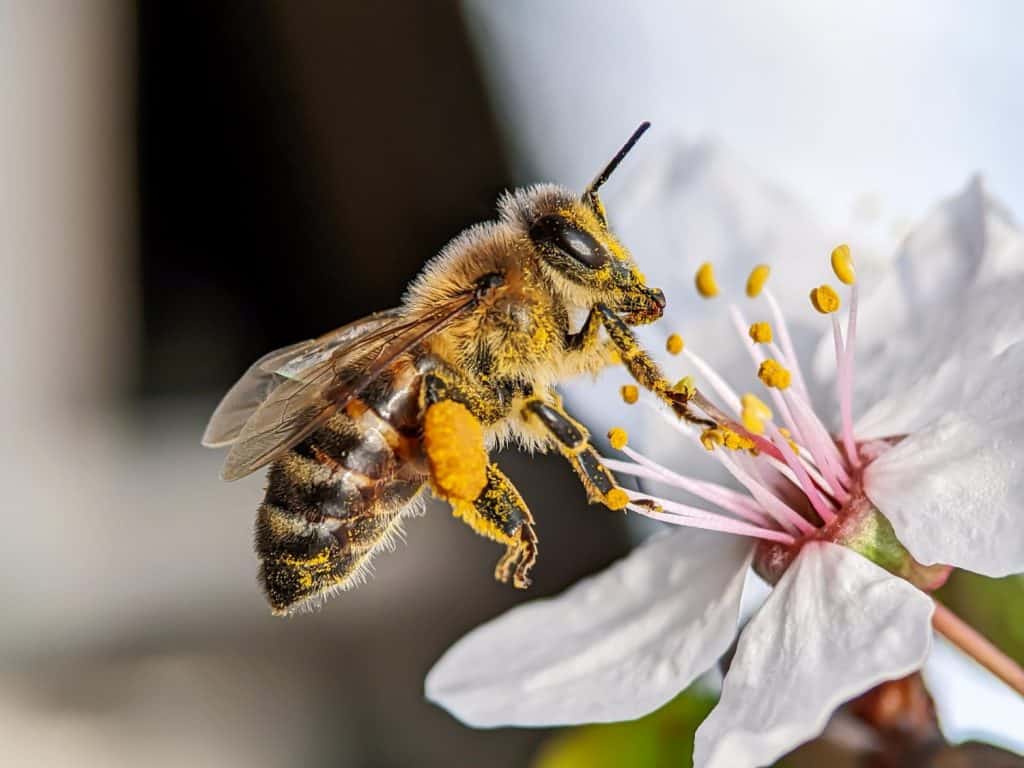
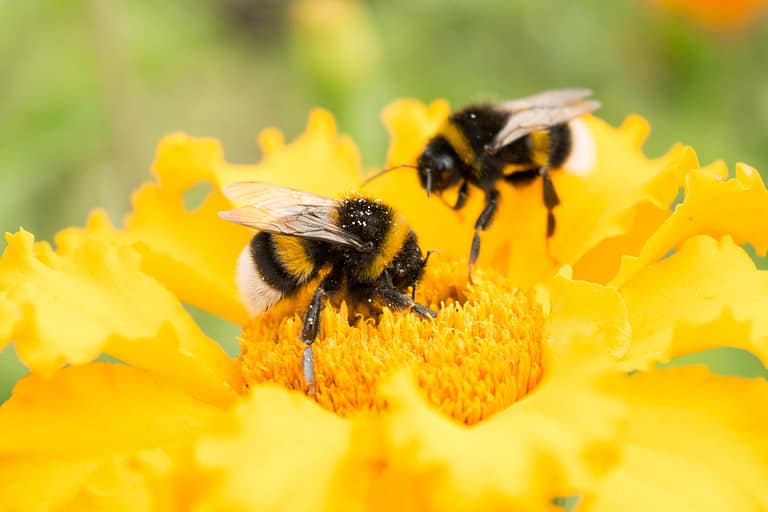
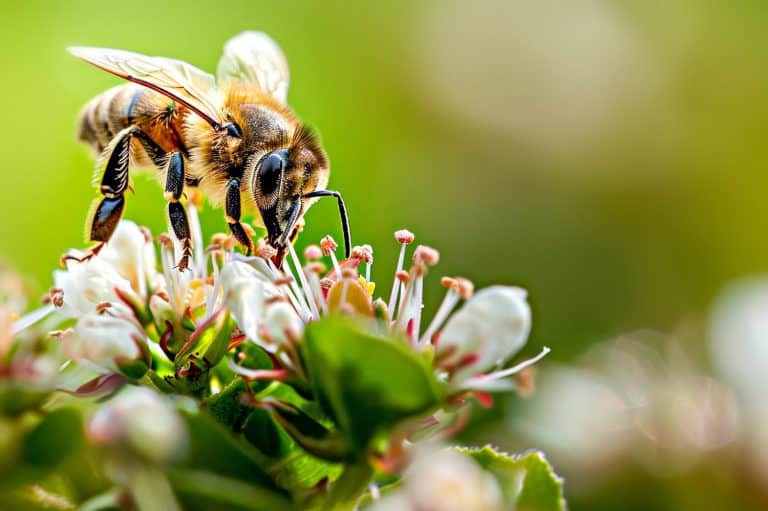
Animals such as bees are important pollinators of food crops.
©Javakhishvili/Shutterstock.com
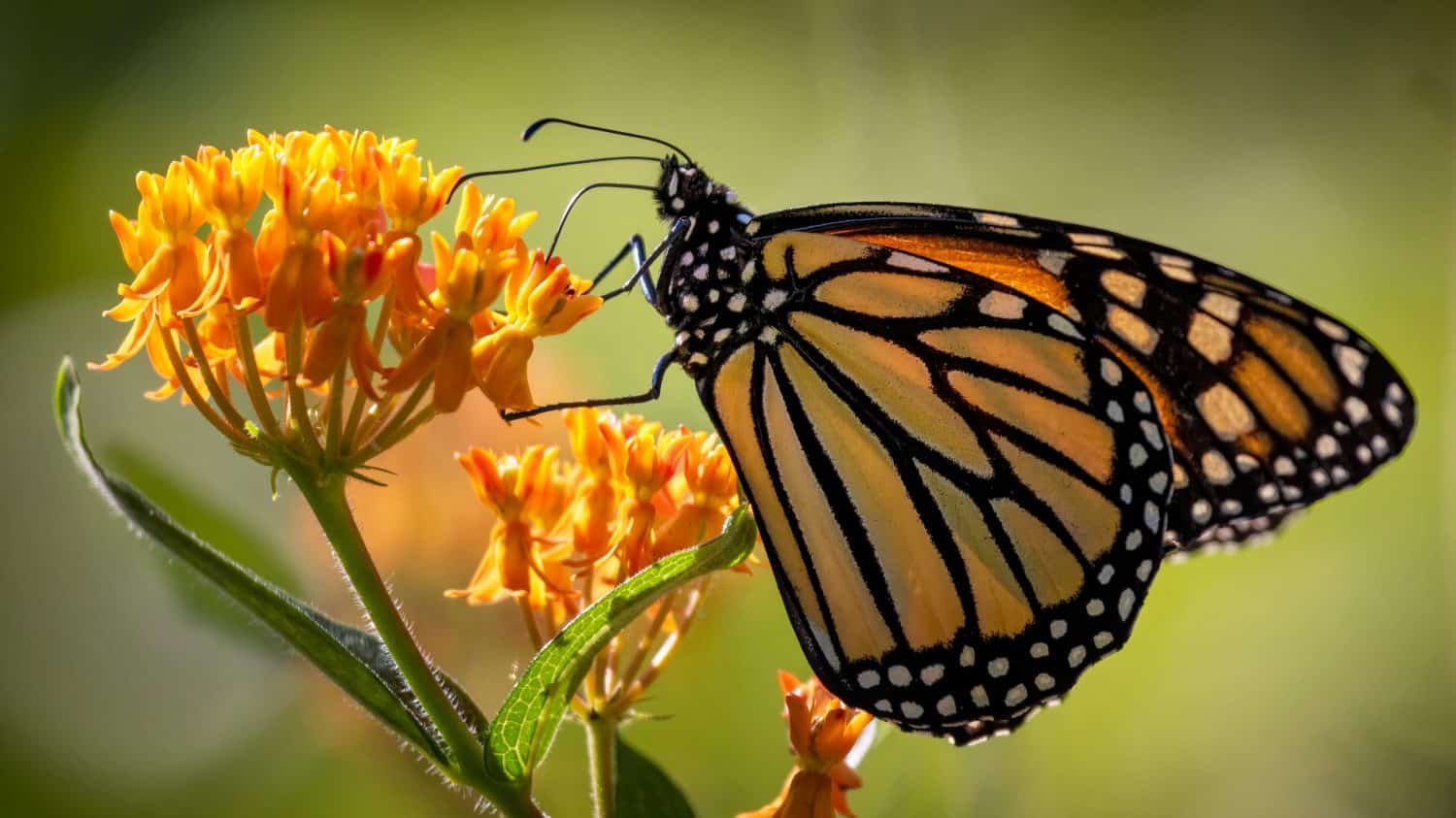
Pollinating insects, for example, play a huge role in our lives, as they help plants to reproduce and allow many food crops to produce fruit and seeds. Other natural predators, such as ladybugs and spiders, also keep crop pests under control. This helps to maintain the quality and yield of crops. If biodiversity declines, then there may be fewer species available to pollinate the plants or keep these pests at bay. This could potentially lead to fewer viable crops. It could also lead to an increase in reliance on other methods of pest control, such as chemicals.
These benefits often depend on several species working together, rather than on a single species. However, losing a species can affect how well the system works as a whole and therefore affect how well an ecosystem can provide these benefits. The changes aren’t always immediate, though. An ecosystem can continue to provide the benefits, such as food and water, even as its biodiversity declines. However, its ability to maintain the benefits can weaken over time. Therefore, an ecosystem can be suffering and not working as well as it used to, even if it still appears healthy on the surface.
Why Biodiversity Matters for the Ocean
One of the most notable things that the study found is the relationship between biodiversity and the ocean. The ocean absorbs around 30% of all carbon dioxide in the world through a process known as ocean carbon sequestration. It does this in a few different ways.
Organisms such as phytoplankton help to take in carbon dioxide and move the carbon through the food web. Some of the carbon also eventually sinks into deeper water, where it can be stored for long periods of time. Another way that the ocean absorbs carbon dioxide is through ecosystems such as mangroves and salt marshes, which capture carbon and store it.
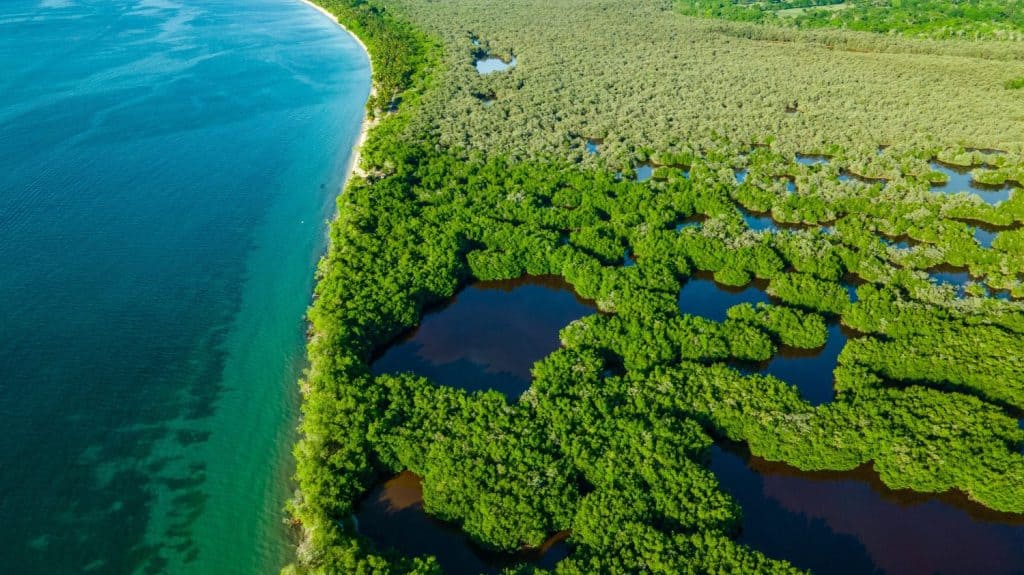
Mangrove forests capture carbon dioxide and store the carbon.
©Jhampier Giron M/Shutterstock.com
The study suggests that the ocean’s ability to absorb carbon could be affected by the number of species in its marine ecosystems. Ocean carbon storage showed the strongest positive relationship with biodiversity of all of the ecosystem services studied. This suggests that having a greater variety of marine life could help the ocean capture and store more carbon. However, the study was based on a relatively small amount of data for ocean carbon storage, and more research is needed to understand exactly how different marine species affect the process.
Why Some Species Cannot Be Replaced
Although the study found that most ecosystems benefited from increased biodiversity, it also found that there are some areas that were less reliant on biodiversity. Coastal flooding and erosion, in particular, are less affected, as they depend more heavily on just a few species. For example, vegetation that helps to stabilize sand dunes or coastlines is vital for preventing erosion.
These plants are examples of foundational species, meaning they help maintain the structure or function of an ecosystem. If these plants disappear, then there may not be any other species that are capable of stepping into the same role and providing the same benefits. This shows that while biodiversity is important, some species cannot be easily replaced. Therefore, it’s important that conservationists focus on foundation species as well as overall biodiversity.