
Quick Take
- The Gulf looks pristine, though the cleanup effort itself may have made things far worse for marine life. See how cleanup backfired →
- Researchers ruled out every natural explanation for the Gulf's marine collapse, and what they were left with is unsettling. See the PNAS findings →
- Some species won't recover within your lifetime, with one potentially taking nearly a century just to stabilize. See the recovery timeline →
- The explosion killed thousands of animals instantly, but the real damage came from a decision made in the days after. See the post-spill decisions →
The Deepwater Horizon oil spill changed the aquatic landscape of the Gulf. As it turns out, the damage continues to this day, as a new study links the BP oil spill to long-term Gulf marine collapse.
BP Oil Spill Caused a Long-Term Gulf Marine Collapse
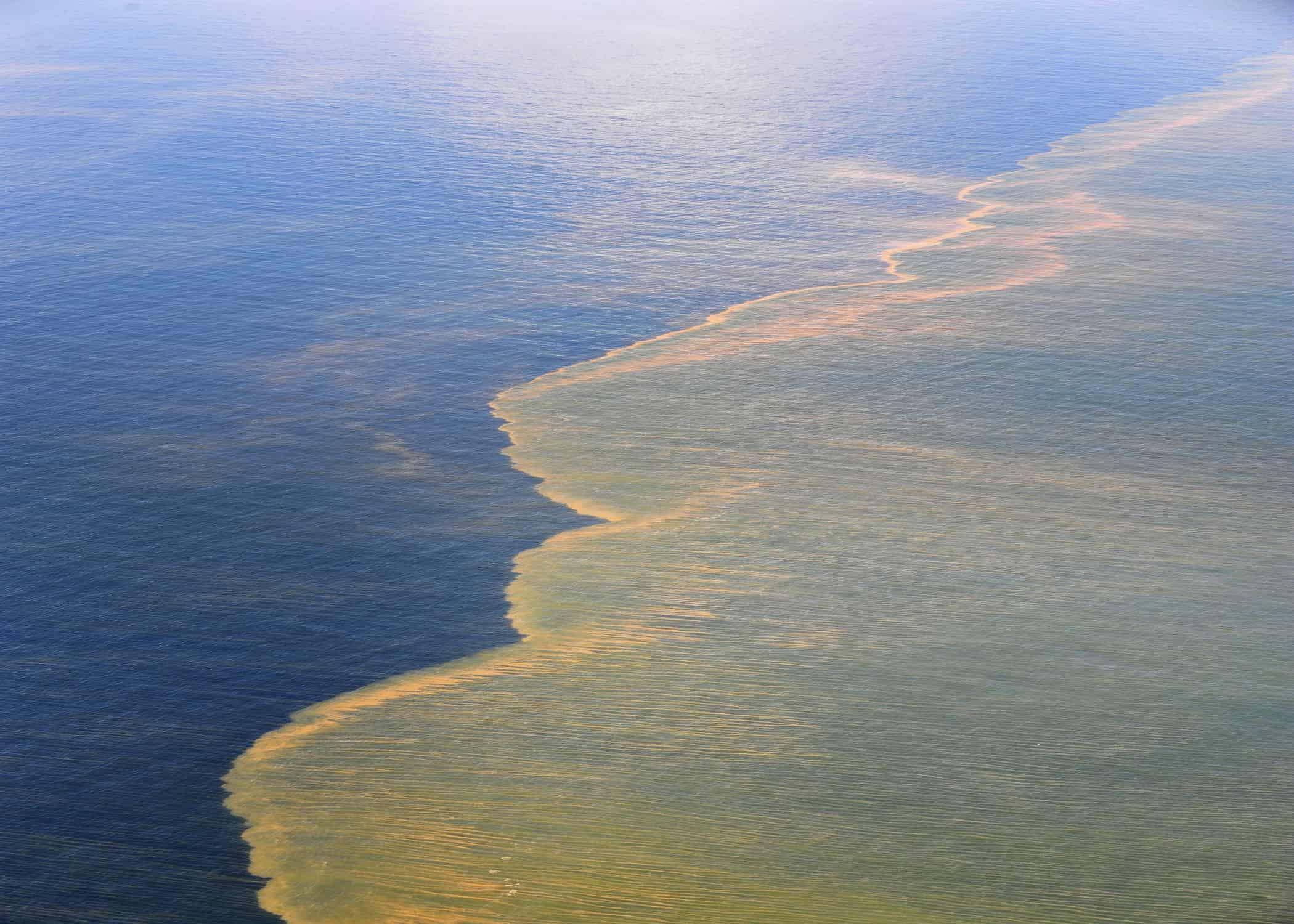
The BP oil spill that resulted from the Deepwater Horizon explosion in 2010 was one of the worst ecological disasters to occur in the history of the planet. After months of oil spilling into the ocean, the surface off the Gulf Coast was coated with sludge, causing massive environmental and financial impacts. These impacts weren’t just short-term; they have continued today.
According to a new study published in PNAS, marine animals in the Gulf have declined by 60% since the spill. Worse still, the researchers from Nova Southeastern University found that most populations show no signs of recovery.
To determine how population levels changed, researchers focused their observations on the “twilight zone,” or the area above the seafloor. In 2011, another group of researchers used nets and acoustic sonar to identify the species and estimate their populations in this region of the Gulf. In 2015, they surveyed the same region again. The population had declined by up to 25% in some areas.
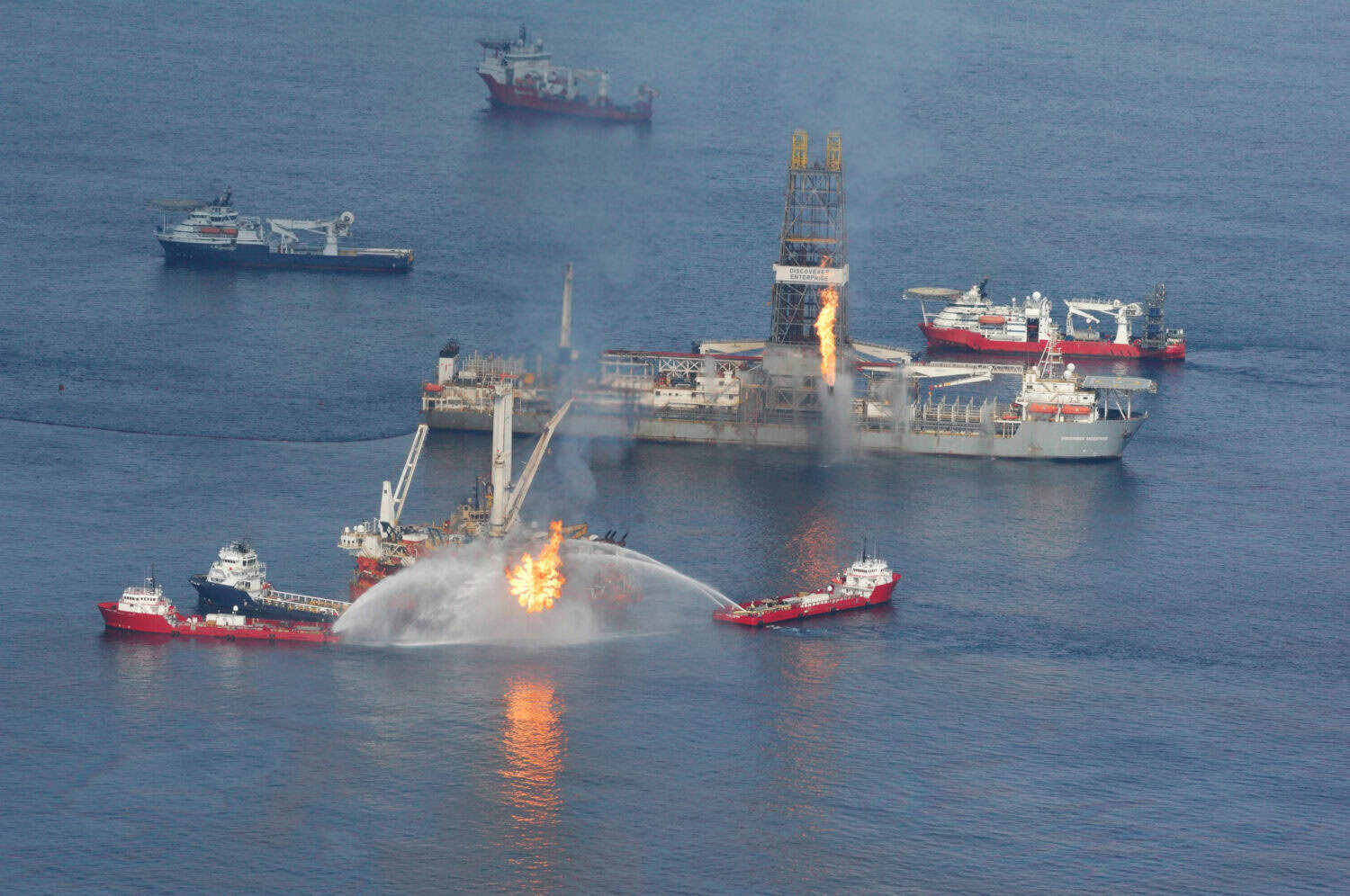
The Deepwater Horizon explosion created an ecological disaster that continues today.
©Breck P. Kent/Shutterstock.com
Since then, annual surveys have been conducted. While the 2022 to 2023 survey showed some improvement, it was short-lived.
Tracey Sutton, a biological oceanographer at Nova Southeastern University and the study’s lead author, analyzed the data to determine whether it could be conclusively proven that the BP oil spill caused the population decline. All signs point to yes.
“We saw this big decline,” Sutton explained in a press release. “The question was then why? So we looked at all of the natural variables we thought could account for it, namely temperature, oxygen supply, and food. None of those vary with the decline. The event that did was the oil spill. So we think that’s the most likely cause of the decline.”
The 2010 Deepwater Horizon explosion was disastrous. As its effects are still being felt today, many wonder when the nightmare will finally end.
What Caused the BP Oil Spill?
The BP oil spill was not the result of a single mistake. Instead, it resulted from multiple errors that led to the largest marine oil spill in history.
While the oil well exploded on April 20, 2010, there were problems brewing below the surface of the ocean before the tragedy occurred. The cement that was used to seal the Macondo well did not set properly. The protective foamy substance was not evenly distributed, and weak areas formed in the cement. Consequently, methane gas escaped through the cracks in the seal, eventually leading to the explosion that not only killed 11 people on the Deepwater Horizon platform, but also tens of thousands of sea turtles and marine animals.
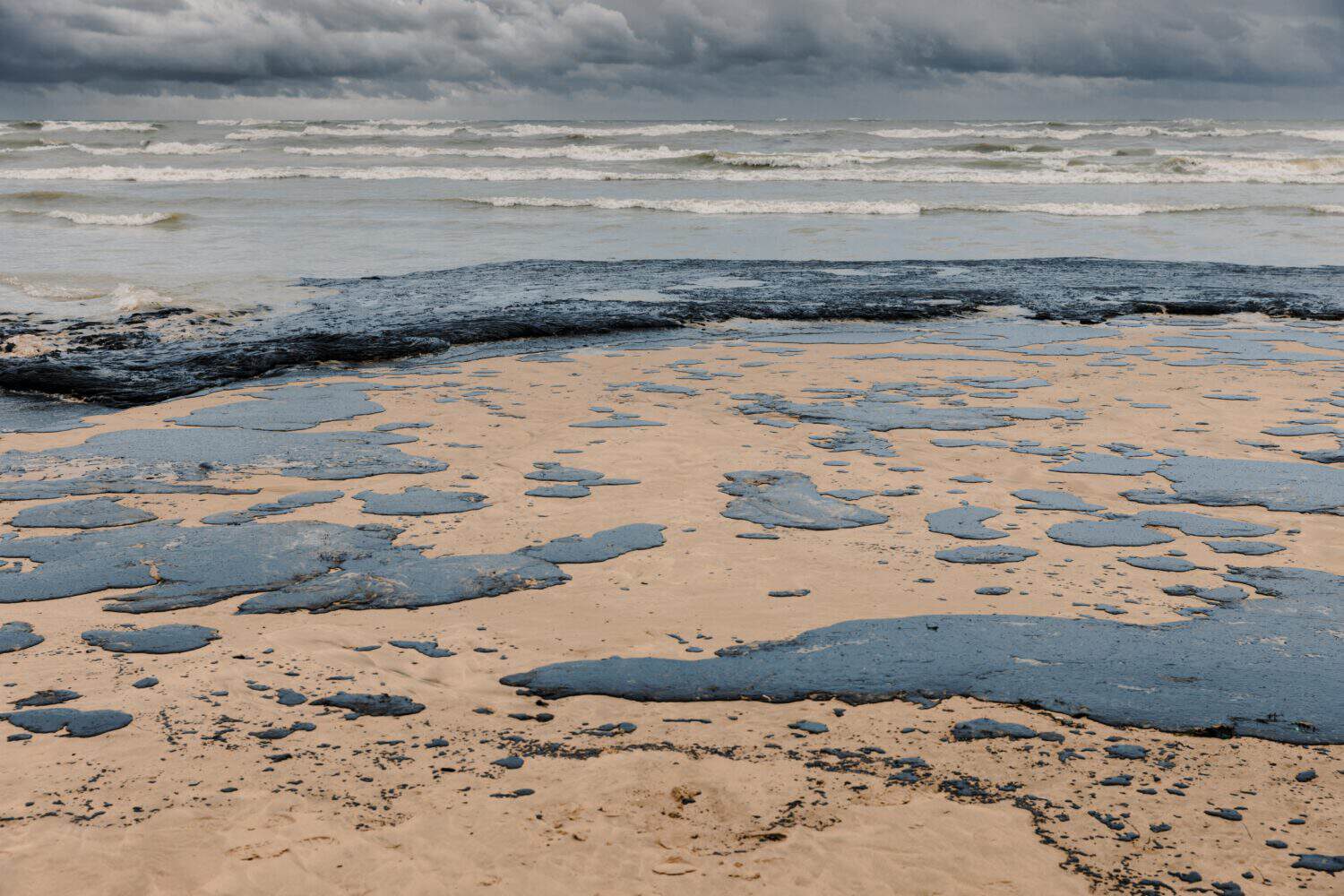
The BP oil spill resulted from several factors, including cutting corners and ignoring safety protocols.
©Wonderful Nature/Shutterstock.com
The problem was not just that the concrete did not cure properly. Laboratories showed that the cement mixture was unstable. However, red flags were ignored. To reduce costs and increase productivity, the well was “sealed” without a second thought for the safety of those aboard the oil platform or the marine life in the ocean.
After the explosion, the Deepwater Horizon platform sank. Over 87 days, 4.9 million barrels of oil leaked into the ocean. The well was not capped until July 15, 2010. But by that time, an environmental catastrophe of epic, never-before-seen proportions had already devastated the ocean.
Why the Remedy to Clean the Spill Led to Further Environmental Issues
After the spill, authorities took action to reduce the amount of oil on the water’s surface. However, the remedy itself has created environmental issues that persist today and will continue for decades or more.
To lessen the volume of oil, authorities made the decision to deploy dispersants to the water’s surface. In total, 1.8 million gallons of dispersants were dumped into the ocean. Their job was to change the oil’s composition so bacteria could consume it.
Although the oil broke down into small droplets, it did not disappear. Instead, the toxic components of the oil, polycyclic aromatic hydrocarbons, moved into the mid- and deep-water columns of the ocean, where remnants can still be found today. Consequently, animals that were not initially affected by the oil spill are suffering long-term complications.
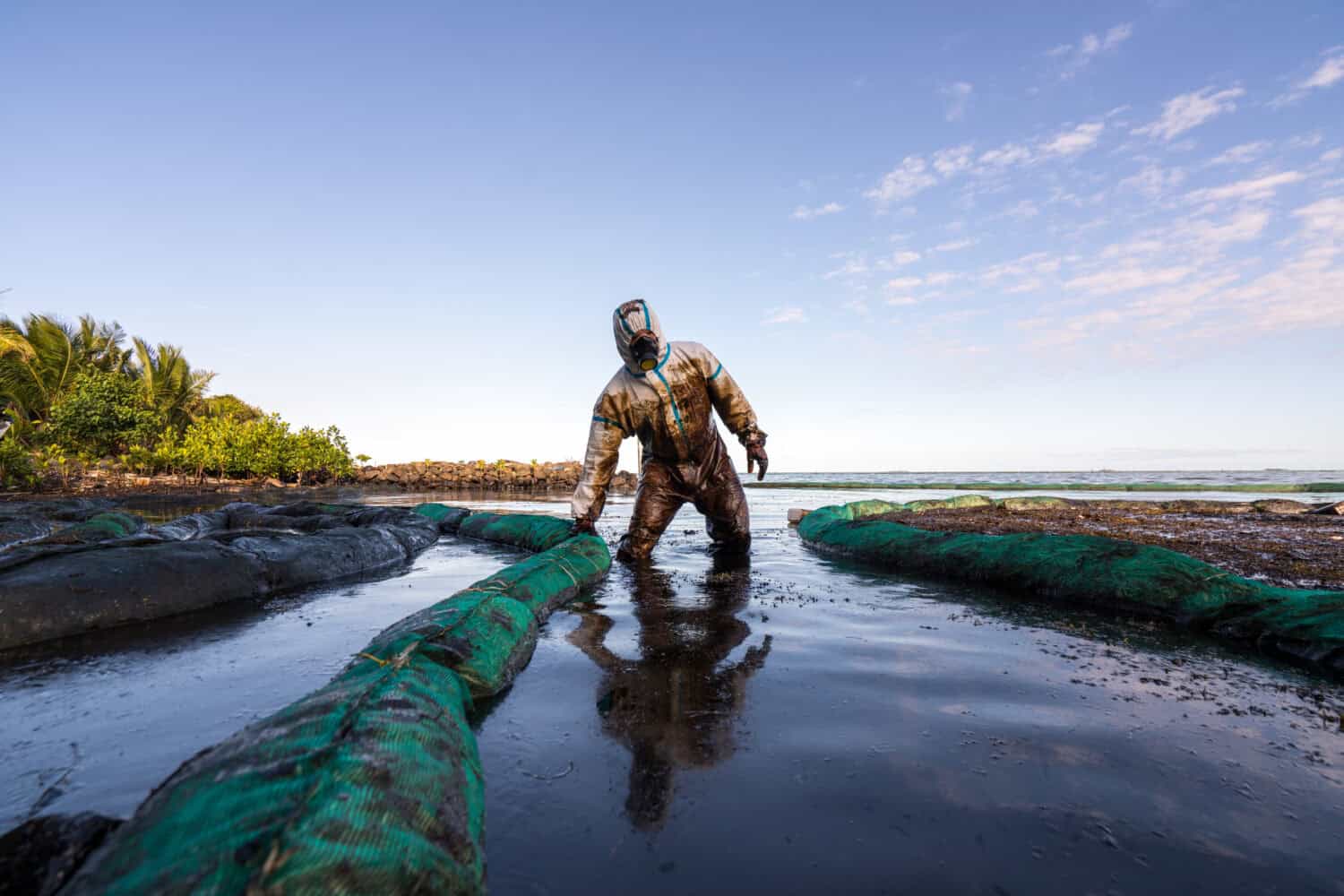
Today, booms and skimmers, as well as sorbents, would be used to clean the ocean of oil.
©ohrim/Shutterstock.com
Were this spill to occur today, booms and skimmers, as well as sorbents, would likely be used instead. These methods would capture the oil before it reached the shoreline and other areas of the ocean sensitive to change.
Additionally, phosphorus and nitrogen would be added to the spill site to help microbes break down the oil, along with bacteria specifically designed to do so. While this would not have stopped the oil spill, as the well needed to be capped before that could happen, the future environmental impact would have been lessened, leaving the oceans cleaner and marine life healthier today.
What Marine Animals Were Most Affected by the Oil Spill?
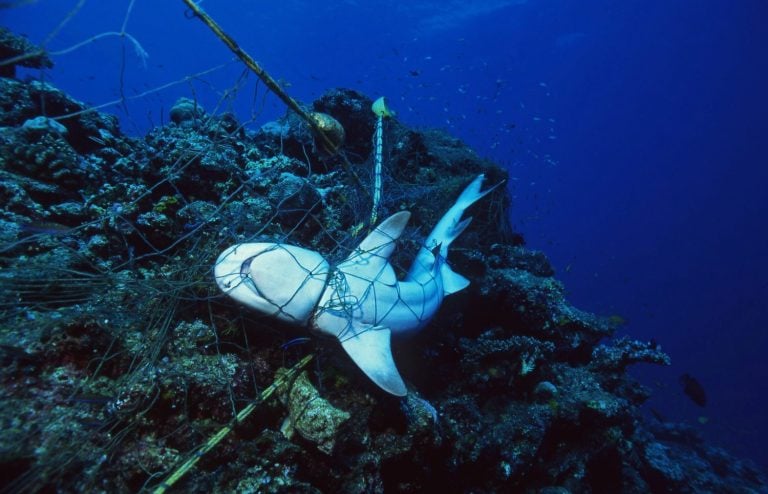
Many marine animals died instantly after the spill and explosion occurred. However, that was only the beginning of the marine animal deaths that would plague the Gulf in the months and years after the spill took place.
Overall, marine animal life in the area near the spill declined by 60%. According to the study, the animals affected include:
- 63.5% decline in fish populations
- 62% decline in crustaceans like shrimp and krill populations
- 59.7% decline in octopus and squid populations
- 33.3% decline in lanternfish
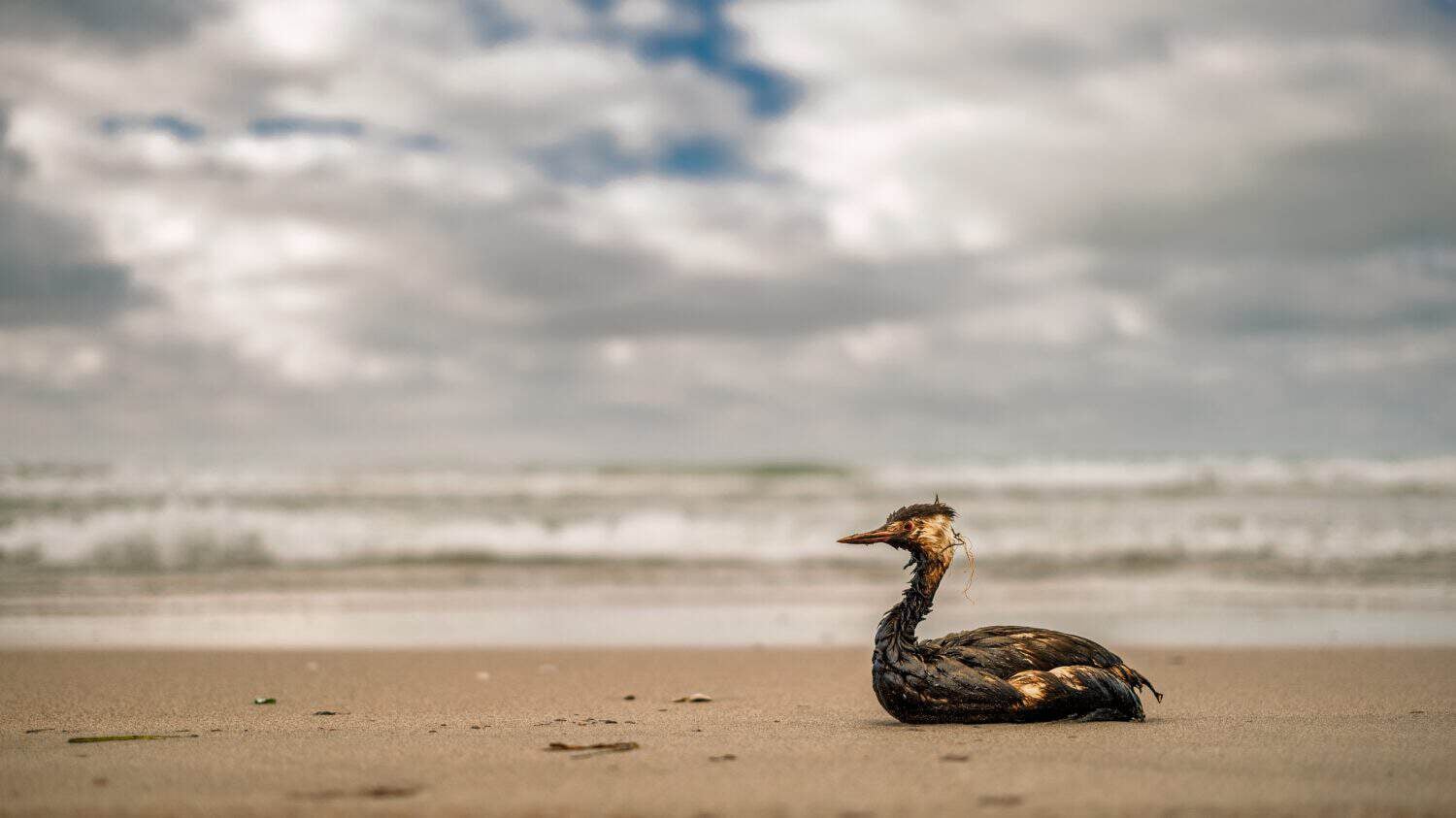
93 bird species were, and continue to be, affected by the BP oil spill.
©edchechine/Shutterstock.com
However, these foundational creatures were not the only affected animals. Marine mammals, turtles, and birds were directly affected in 2010 and remain affected today. Those animals include:
- Bottlenose dolphins: Specifically, dolphins in Barataria Bay and the Mississippi Sound are anticipated to decline by half in upcoming years due to ongoing complications from oil exposure.
- Bryde’s whales: One quarter of the population was killed by the oil spill. It is unclear whether the species will survive long-term in the Gulf.
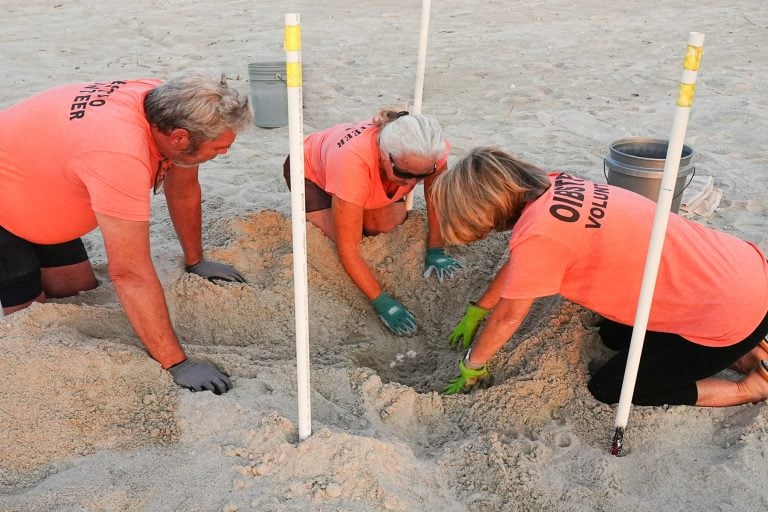
- Sea turtles: 167,000 sea turtles were killed in the wake of the oil spill. Kemp’s Ridley sea turtle populations, which were recovering at the time, declined again.
- 93 species of birds: From brown and white pelicans to black skimmers, white ibis, double-crested cormorants, and more, all were affected by the spill. Today, these species still show traces of oil in their red blood cells, leading to anemia and poor egg production.
The ocean was unsafe for any marine life that came into contact with the oil or the chemicals used to clear the water’s surface. Although the water may look clean today, appearances can be deceiving.
Timeline for Marine Animal Recovery
The entire ecosystem where the BP oil spill took place was injured. Although the spill happened more than 15 years ago, the ecosystem has not recovered. As a result, the future of the species affected is unknown.
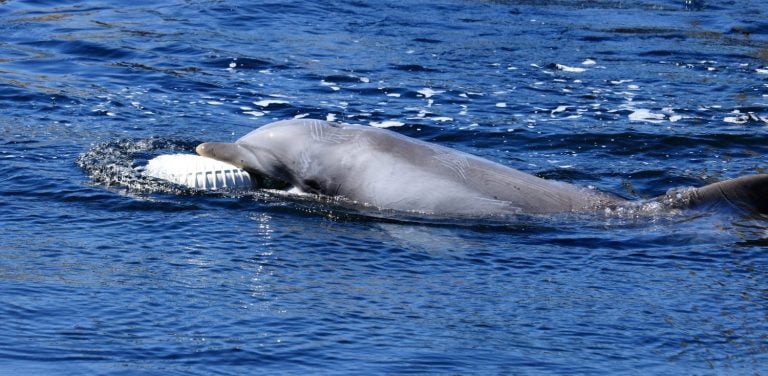
To put into perspective how bad the oil spill was for the aquatic environment, as of 2023, most species in and near the Gulf remain below pre-spill population levels. Species are still declining, with some expected to have only a fraction of their population remaining in the coming years. One example, according to the National Wildlife Federation, is the spinner dolphin, a species not expected to rebound for close to a century.
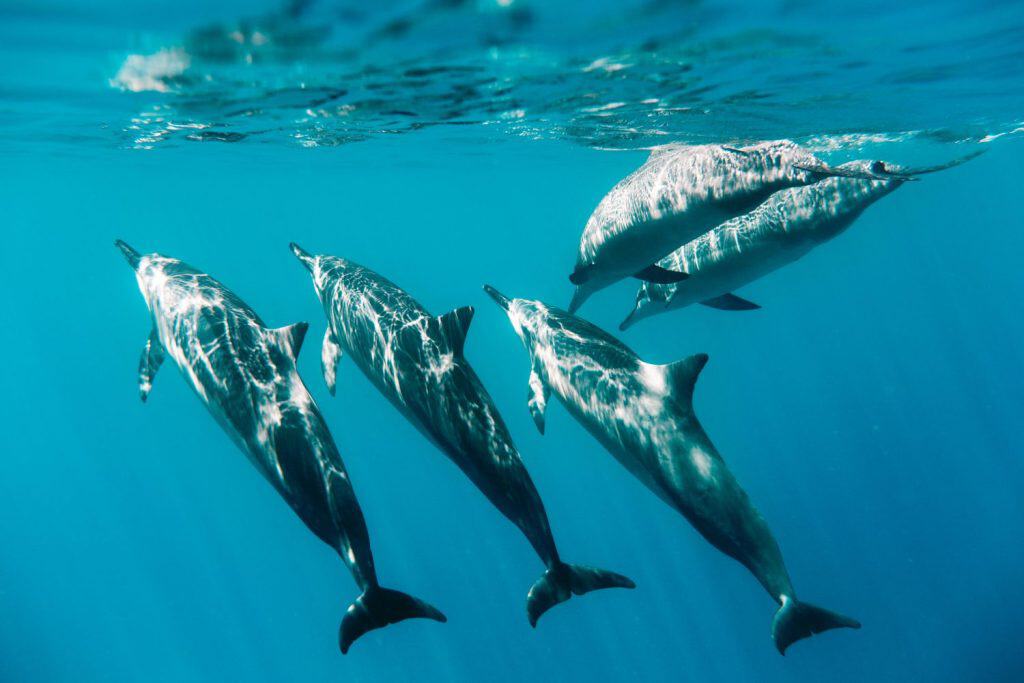
The spinner dolphin population in the Gulf is not expected to recover for nearly 100 years.
©Heather Goodman/Shutterstock.com
Kemp’s Ridley turtles are another example. Recovery is likely impossible for this species because of the devastation the oil spill caused to the ocean and coastlines.
These dire consequences are still being felt today, and a full ecological recovery of the region is nearly impossible in the near future. Researchers will continue to monitor aquatic wildlife from the ocean surface to the twilight zone to see whether and how health improves in the coming years.