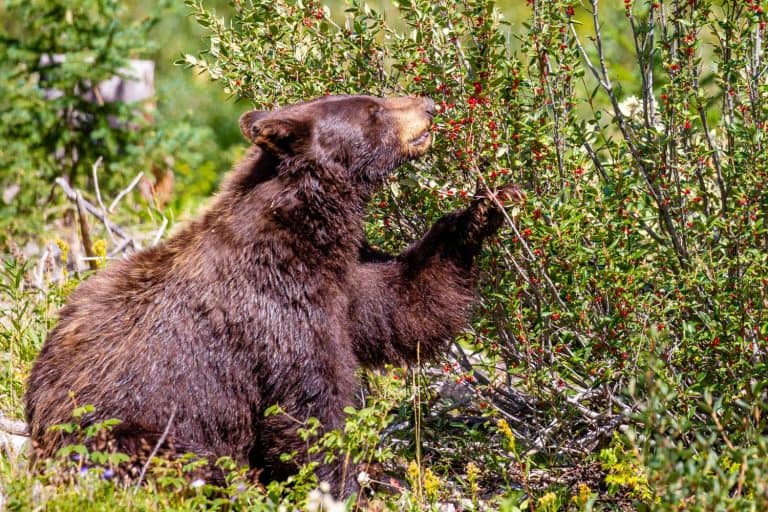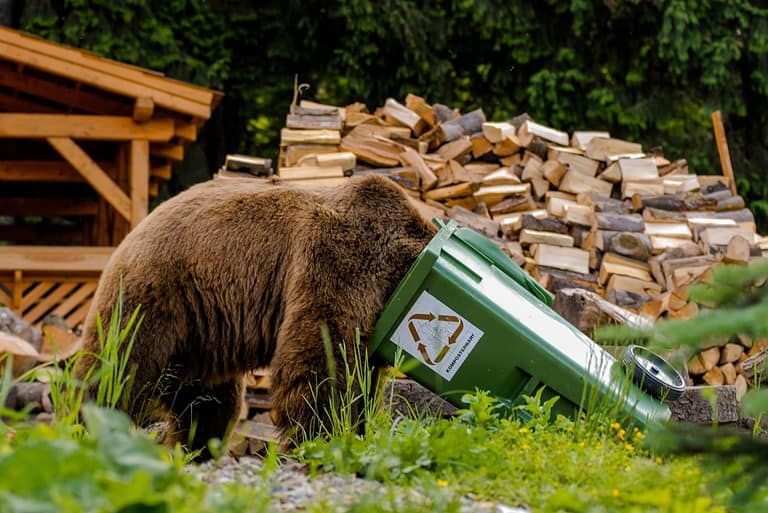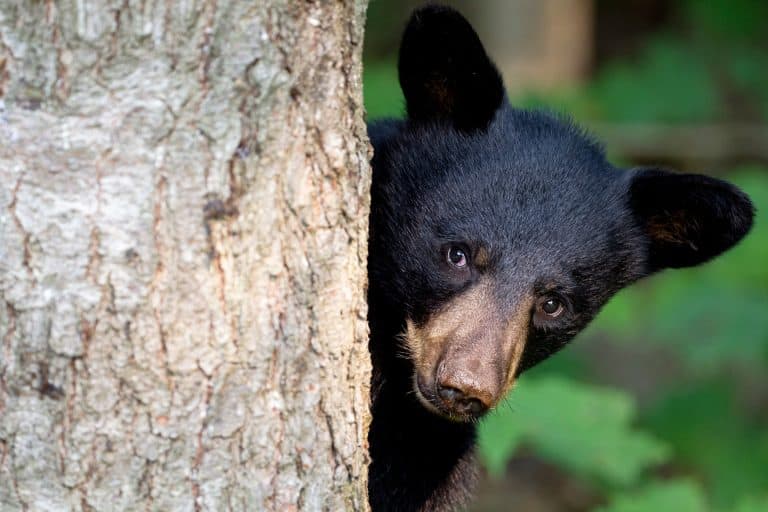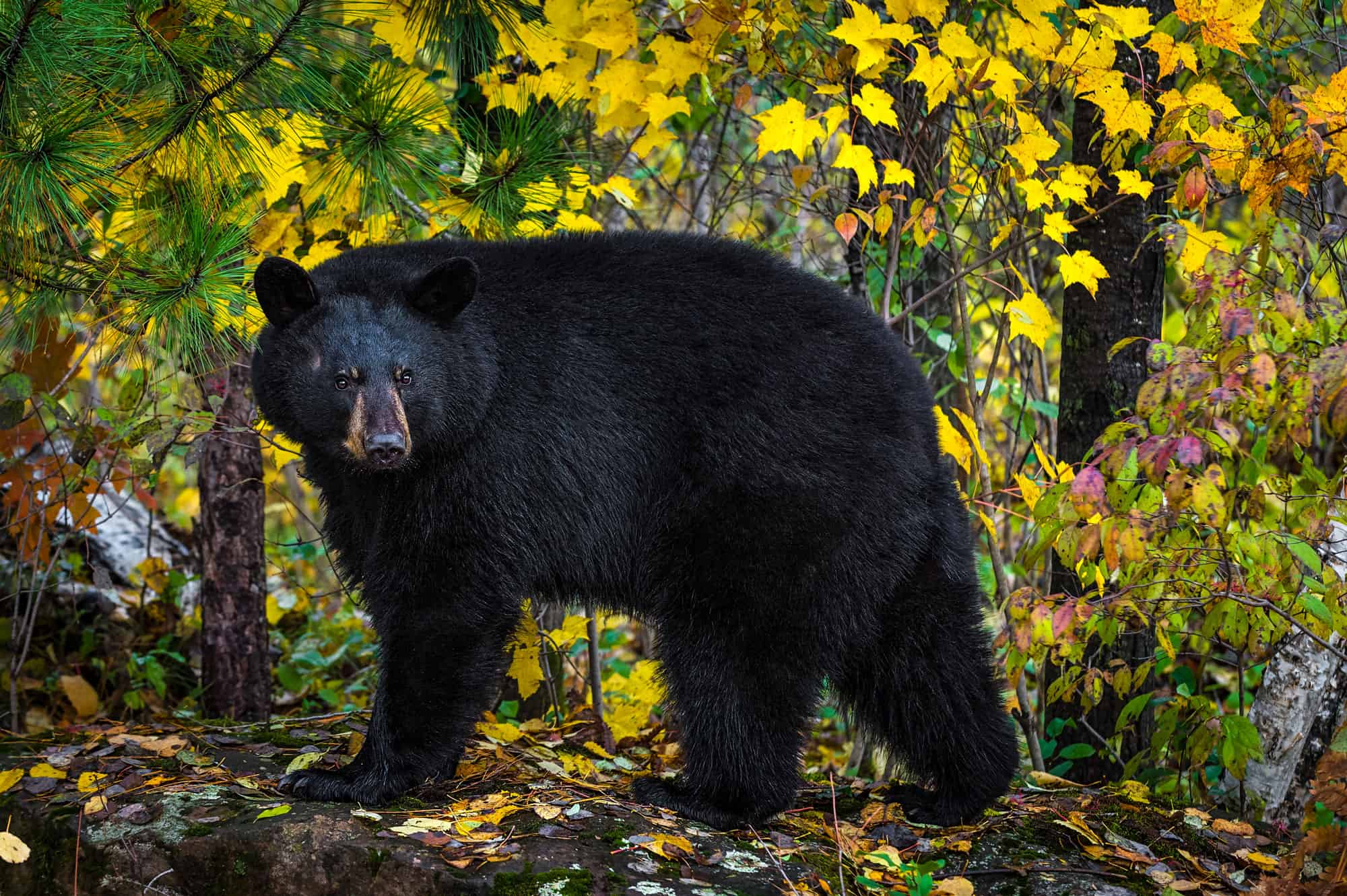

The state of Vermont has a reputation for maple syrup, but perhaps it ought to have one for its black bear population. According to the Vermont Fish & Wildlife Department, there is approximately one black bear for every three square miles, making the Green Mountain State one of the most densely populated states with black bears and a great state for hunters hoping to bag one.
Data collection is the name of the state’s Fish & Wildlife conservation and management game. Part of their efforts includes the required collection of a small pre-molar tooth from each bear harvested in the state. This helps shed light on changes in the bear population. Furthermore, hunting regulations on bears further aid in the collection of data.
The result of these and other efforts is the annual Vermont Black Bear Harvest Report, which details the harvest distribution, time of harvest, biological information, sex of bears harvested, heaviest bears, and city and county of kill. The 2023 report is the most recent one available online.
The efforts at collecting data also make it quite easy to identify the reecord-setting black bear harvested in the state. Thanks to Vermont Fish & Wildlife’s tracking the age and weight of harvested bears, we know the oldest and heaviest bears killed in the state since the 1960s.
The Oldest and Heaviest Bears Ever Harvested in Vermont
In human terms, the oldest black bear ever harvested in the state was middle-aged. The male black bear was 39 years old, and he was killed in Maidstone, Essex County, one of three counties that comprise the Northeast Kingdom of the state, in 1985. For additional context, the average age of black bears harvested in Vermont during the 2022 hunting season was 3.59 years.
This information is available because the teeth of harvested bears are sent to a lab for cementum analysis. Used in forensic and archaeological investigations, this technique examines the incremental lines in tooth cementum to estimate the age at death. Vermont has done this annually since 1968.
Such a technique, however, is not required for determining the largest black bear by weight ever bagged in Vermont. Only a scale large enough to weigh the animal is required.
The heaviest bear in the state was harvested fairly recently, during the 2021 hunting season in Mendon, Rutland County. This male black bear weighed 527 pounds after being field dressed, that is after having its internal organs removed. This animal weighed just 2 pounds more than the previously heaviest black bear ever harvested in Vermont, which was tracked down and killed in Norton, Essex County, in 1965.
The season in which the Mendon black bear was harvested saw 840 other bears taken. The average weight was 152 pounds, and 18 of those bears weighed 300 pounds or more.
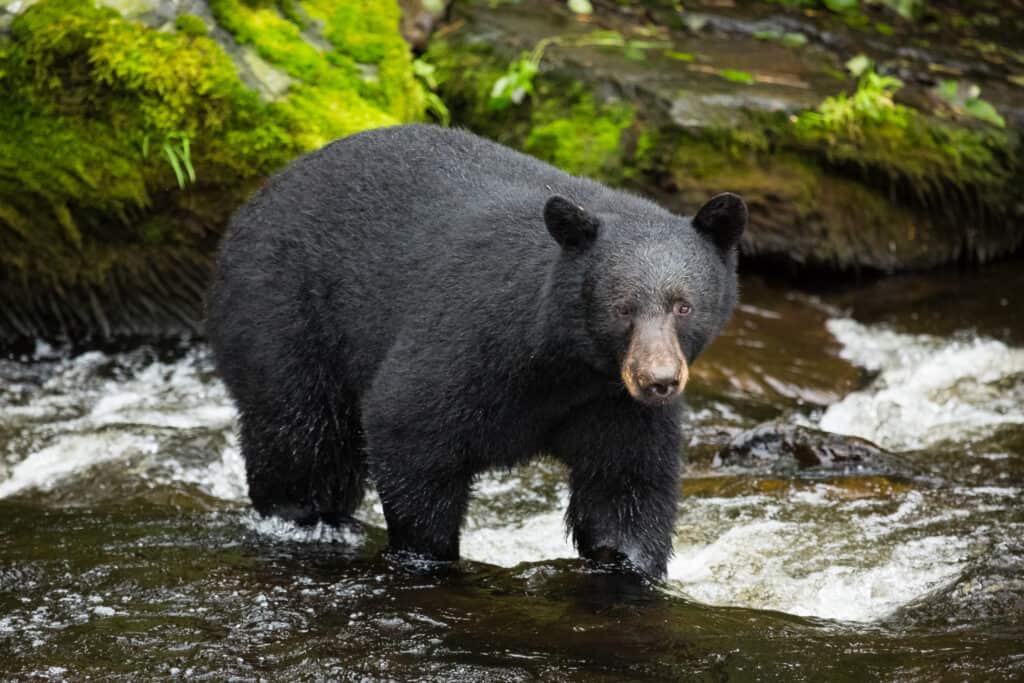
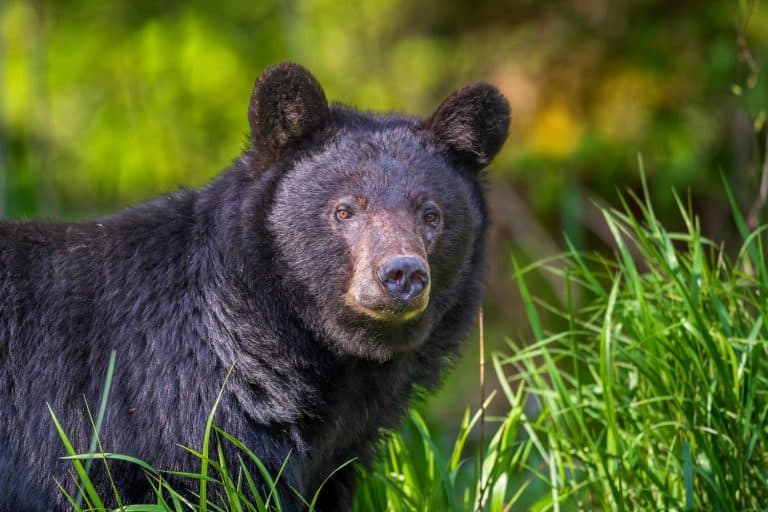
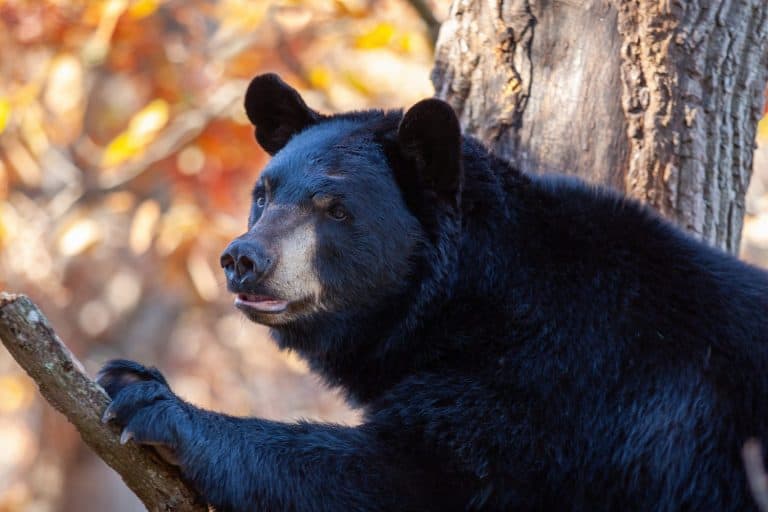
Black bears are the only species of bear in Vermont.
©SCStock/Shutterstock.com
Big Game Trophy
In 1887, with growing concerns over the possibility of losing hunting privileges and wildlife populations such as bison and elk being hunted to the brink of extinction, Theodore Roosevelt and others founded the Boone and Crockett Club for the purposes of conservation and wildlife management. This group also sets guidelines for and maintains trophy hunting records for big game animals, including the black bear.
So, when it comes to determining what garners a trophy record for black bears, the focus is not on the body size or weight of the animal but rather on its skull size. Scores are tallied based on the greatest length and greatest width of the skull measured to the nearest 1/16 of an inch and then added together; there is no reduction of fractions. A score above 21 for the black bear is in all-time record territory.
The score chart for the black bears states the following:
- Greatest length is measured between perpendiculars parallel to the long axis of the skull, without the lower jaw and excluding malformations
- Greatest width is measured between perpendiculars at right angles to the long axis
Consequently, hunters do not always report an animal’s weight as it is not a factor taken into account by Boone & Crockett for the organization’s trophy hunting records. Vermont’s record keeping appears to be an exception, as noted above.
The Largest Black Bear Ever Harvested in Vermont
The Boone & Crockett black bear state record for Vermont belongs to Jason M. Johnson, who shot the bear from eight yards away with his .40-70 rifle in Essex County in 2023. The bear scored an even 22.
The black bear world record skull, according to Boone & Crockett, scored 23-10/16, and it was picked up on July 1, 1975, by Merrill Daniels and Alma Lund along the edge of the Manti-La Sal National Forest, about seven miles east of Ephraim, Sanpete County, Utah.
Factors that Affect Bear Size
Before the county records details about the animal, they measure the bear’s skull. Sometimes, other parts of the bear’s skeleton may be measured as well. Regardless, these records are not solely based on weight—and for good reason.
A single bear varies greatly in size throughout the year. Black bears consume tons of food throughout the summer and fall to bulk up for hibernation. Some may nearly double their body weight during this time! However, bears lose practically all of their reserves during the winter, and by the spring they are quite small.
Therefore, it doesn’t make much sense to only record the bear’s weight as the sole measurement. After all, bears taken in the fall would almost always out-weigh those taken in the spring.
However, a bear’s skeleton doesn’t change after adulthood. Therefore, an adult bear’s skull is a good indicator of its average size, regardless of weight variations from season to season.
For this reason, what a bear eats as an adult doesn’t affect their final size. Instead, their genetics play the biggest role. If a bear has a large mother or father, they are more likely to be large, too. Therefore, some areas simply have bigger bears than others, as the local population has “bigger” genes.
There are other factors at play, too. For instance, malnutrition before adulthood can lead to stunted growth. In the wild, this isn’t all that uncommon. If food is scarce while the bear is growing, it simply won’t have the ability to grow to its full size. Therefore, this bear will be smaller, even if it is genetically meant to be larger.
Put another way, despite its smaller size, this bear would still have the “big” genes. As a result, the bear may have larger offspring, despite looking quite small.
As you can see, there isn’t always a straightforward answer as to why a bear is larger than other bears in the same state. Many factors must align, including genetics and food availability, to produce a record-setting or breaking bear.