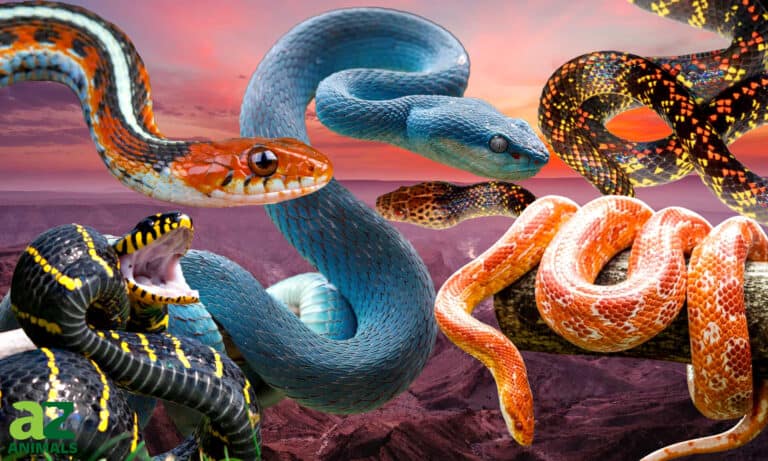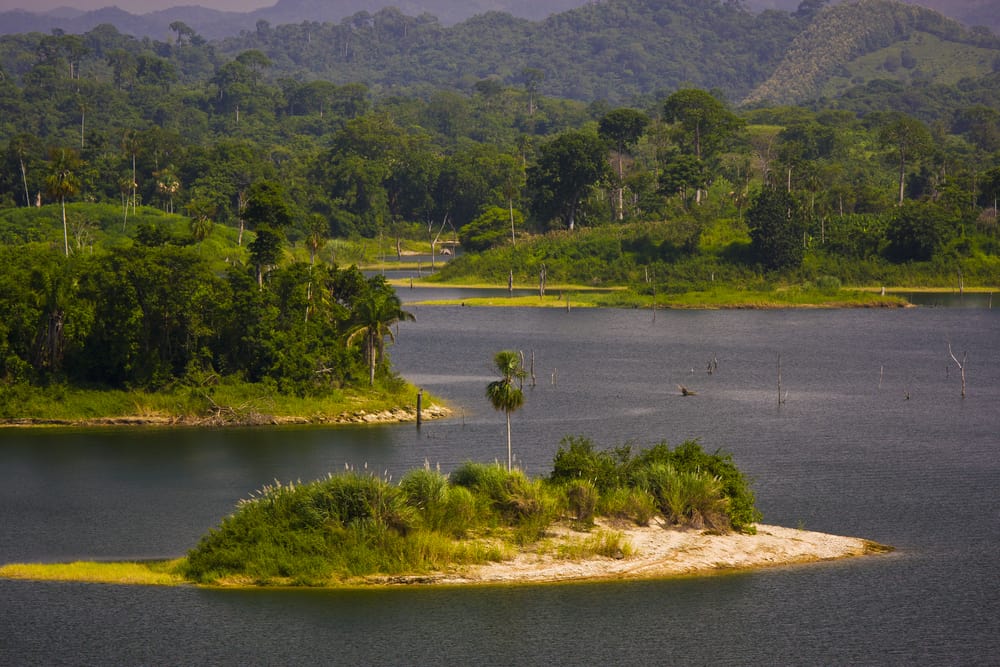

Even with the amazing advancements humans have made in exploration and zoology, there is still much about the animal world we don’t know. As a result, surprises turn up all the time. Such was the case recently when humans discovered five new snake species. These snakes live in the mostly unexplored Chocó-Darién jungle. This jungle is located along the Pacific coast of Colombia and Panama.
Leo Names a Snake!
One of the snakes has been named DiCaprio’s Snail-Eating Snake. The famous Hollywood actor and environmentalist Leonardo DiCaprio named the snake. The reptile’s full scientific name is Sibon irmelindicaprioae, which DiCaprio chose in honor of his mother, Irmelin Indenbirken.
The arboreal snake is about 15 inches long. Its diet consists of snails and slugs found on the fronds of palm trees in the forests of Panama. The snake’s coloration is a vibrant pattern of burnt sienna, pale green, and white, with piercing red-orange eyes. The snake is harmless to humans. Rather than biting, the reptile defends itself by coiling up and emitting a foul, musky odor.
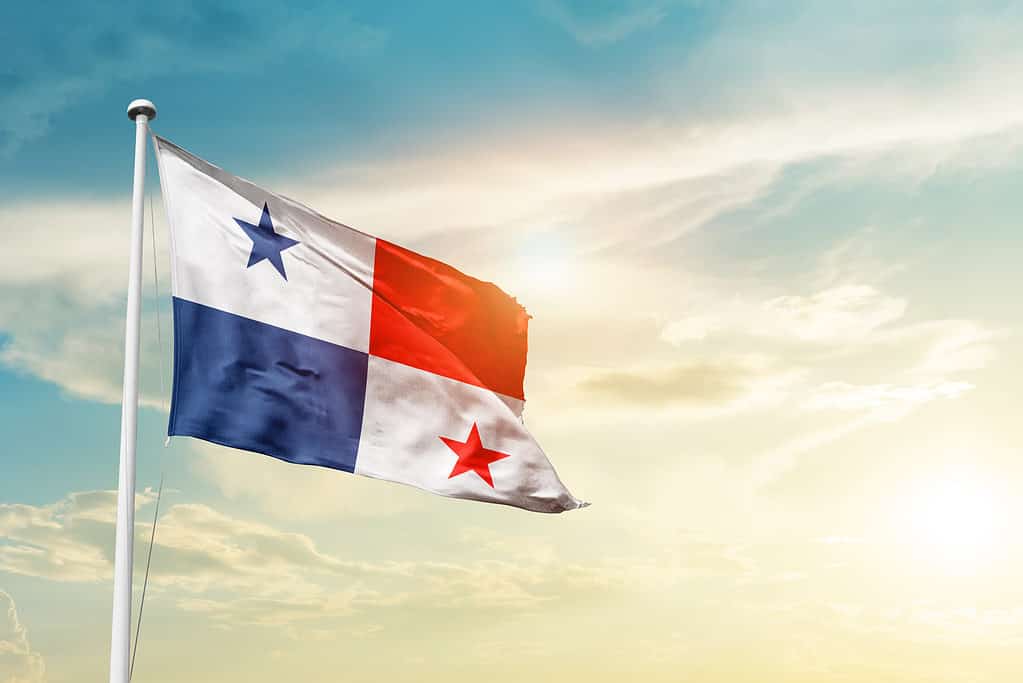
DiCaprio’s Snail-Eating Snake was just recently discovered in the forests of Panama.
©em_concepts/Shutterstock.com
Mining Threat
The newly-discovered snake is at-risk. Illegal gold and copper mining are destroying more of its jungle habit each day. The area holds some of the world’s largest deposits of these metals. Unauthorized mining in the area proliferated during the COVID-19 pandemic and continues to expand today.
Along with its habitat loss, the snake’s food supply is also in peril. The snails and slugs it relies on are in decline due to the pollution in rivers and streams from the area’s illegitimate mining operations.
In the neighboring South American countries of Colombia and Ecuador, a recent gold rush has led to a rapid increase in illegal open-pit gold mines. The criminal miners who run these operations have even perpetrated violence against park rangers and conservationists who seek to preserve the forests of these nations. It is feared that a similar situation is quickly developing in Panama as its forests are razed.
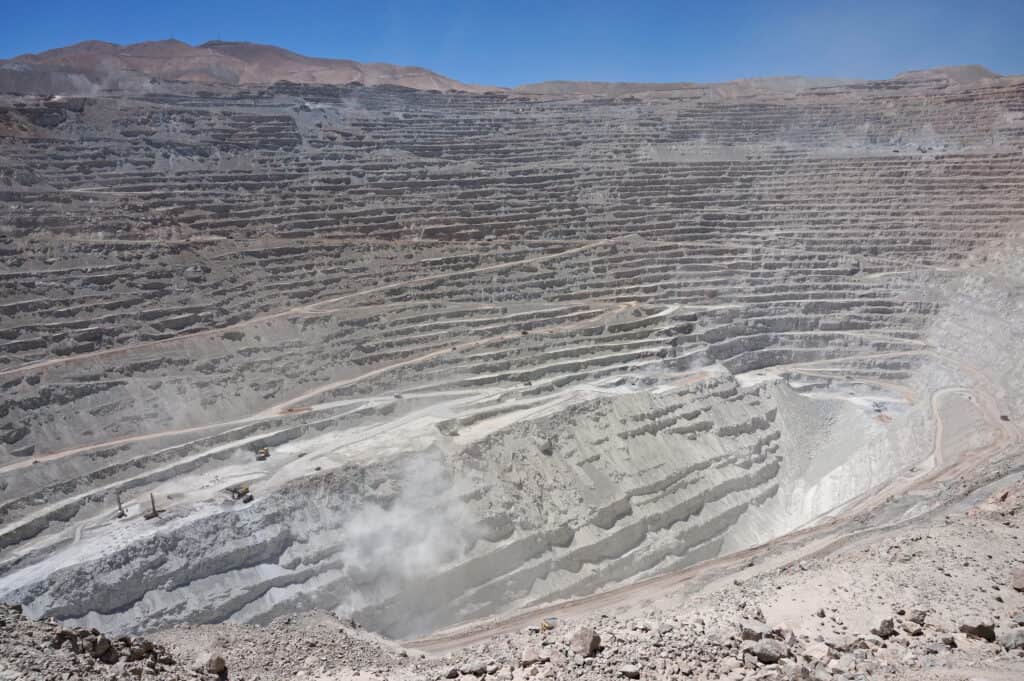
Open-pit copper mines, like this huge mine in Chile, pose a threat to the rainforests and jungles throughout Central and South America.
©iStock.com/bohemia8
An Uncertain Future
The DiCaprio’s Snail-Eating Snake cannot survive without its home in the canopy of the Panamanian jungle. Likewise, it can’t live without its natural food source. For these reasons, researchers believe this snake that was just discovered already meets the International Union for Conservation of Nature criteria for a “near-threatened” species.
Alejandro Arteaga is the president and research director of the Khamai Foundation conservation organization. He said in a statement, “These new species of snake are just the tip of the iceberg in terms of new species discoveries in this region, but if illegal mining continues at this rate, there may not be an opportunity to make any future discoveries…Both legal and illegal open-pit mines are uninhabitable for the snail-eating snakes, but the legal mines may be the lesser of two evils. At the very least, they respect the limit of nearby protected areas, answer to a higher authority, and are presumably unlikely to enact violence on park rangers, researchers, and conservationists.”
Video Credit: Alejandro Arteaga