Quick Take
- Quail populations have cratered, and researchers just pinpointed one nightly habit that dramatically separates survivors from casualties. See the survival data →
- The 'ideal' quail habitat looks nothing like what most people picture, and that misunderstanding may be driving the species toward extinction. Discover the ideal cover →
- Saving the bobwhite quail could accidentally rescue dozens of other species, which is why wildlife managers are calling it a poster child. Explore the ripple effects →
- Georgia spent millions fighting quail decline on private land. Two specific areas are bucking the trend, and the reason matters everywhere. See Georgia's approach →
The U.S. state of Georgia has been a gamebird hunting destination for more than 100 years. The target of choice? The bobwhite quail is the state’s official gamebird. But quail populations have dropped by 80 to 90 percent since the 1960s. Georgia Department of Natural Resources experts believe it is due to habitat loss.
Researchers at the University of Georgia (UGA) wanted to test that theory. What they discovered is that where the bobwhite quail chooses to sleep at night may well have an impact on its longevity.
Their findings were just released in a new study published in the journal Springer Nature.
How the Study Was Conducted
The research team followed 169 radio-tagged bobwhite quail over two fall and winter seasons from 2020 through 2022 in the Goose Pond Fish and Wildlife Area in Greene County, Indiana. The study area is a more than 9,000-acre public property managed by the Indiana Department of Natural Resources.
The team tracked the birds to 720 nighttime roosting spots in the wildlife area, and checked on the birds a few times each week. The team chose this timeframe because the quail spend around 50 percent of their time roosting during the fall and winter.
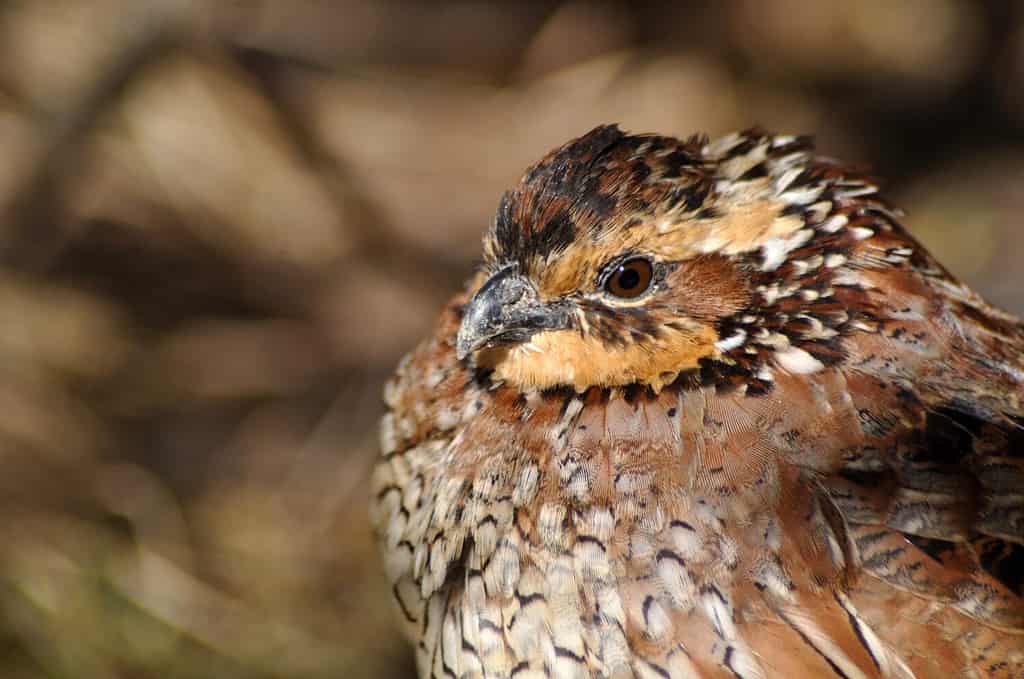
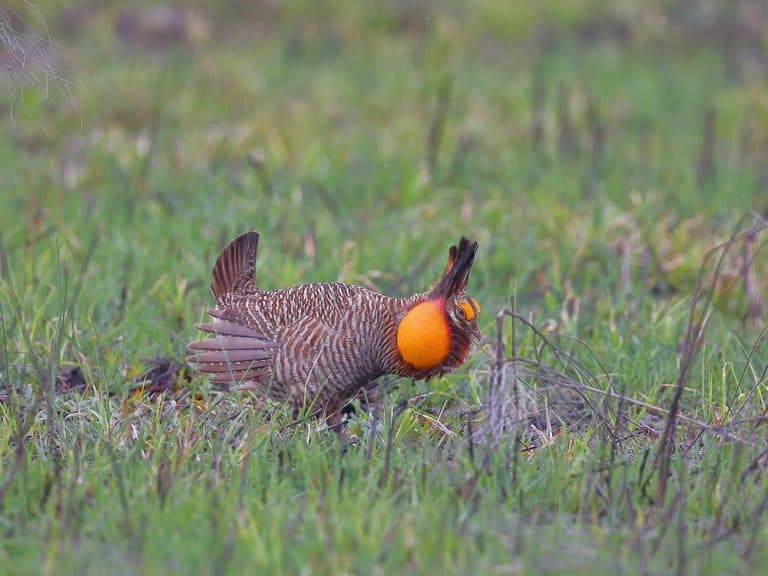
Bobwhite quail populations have plunged nearly 90 percent in Georgia since the 1960s.
©Lakeview Images/Shutterstock.com
Once they identified where the quail were regularly roosting, the team looked at 20 random spots within 180 meters of each of the birds’ chosen roosting sites. The purpose was to compare spots the birds could have chosen but did not. The researchers wanted a better idea of what the birds preferred when it came to a roosting site.
The Quail Had a Preference
The researchers quickly discovered that the bobwhite do have a stronger preference for woody cover. That preference also correlates to survival rates for the birds. The birds that chose woody cover for their nightly roosts – blackberry thickets, young trees, and overgrown fence rows – lived longer than birds that opted for more open roosts.
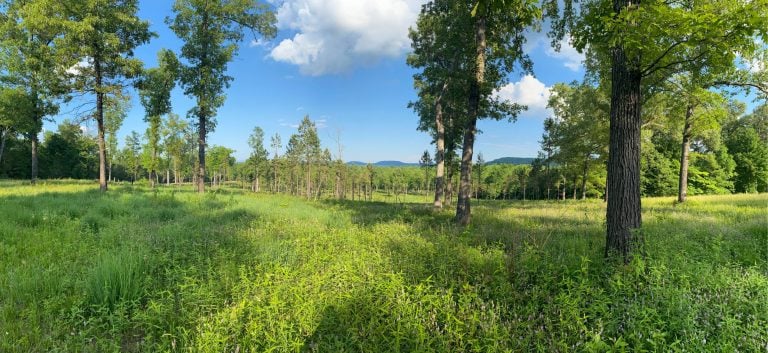
The preferred thickets were usually one to three meters tall and made of plants like briars, sweetgum, and honeysuckle – all plants that form dense, impenetrable barriers in the wild. But it isn’t a forest.
“It’s a patch of any woody-stemmed vegetation that’s really thick, nasty, and difficult — the kind you wouldn’t want to walk into,” Justin Hill, the study’s author and a postdoctoral researcher at UGA’s Warnell School of Forestry and Natural Resources said in a news release announcing the study.
The researchers determined that the bobwhites that selected dense, woody cover were about twice as likely to survive as birds that chose other sites like open grasslands. That makes sense, because bobwhite quail nest on the ground and rely on short bursts of flight to escape predators. Dense vegetation is a natural barrier to keep them hidden and inaccessible from hawks, foxes, and other animals that hunt quail.
This is true whether the quail live in Indiana, Georgia, or any other natural bobwhite quail habitat.
Why Does the Study Matter?
The researchers believe bobwhite quail are a “poster child” for the preservation of these woody ecosystems. They say many other declining species also rely on these same habitats. Other more abundant species, like deer, rabbits, songbirds, and wild turkeys also rely on the same woody habitats.
Understanding how many species rely on these environments can help guide wildlife managers as they decide which types of habitats to prioritize for restoration and protection.
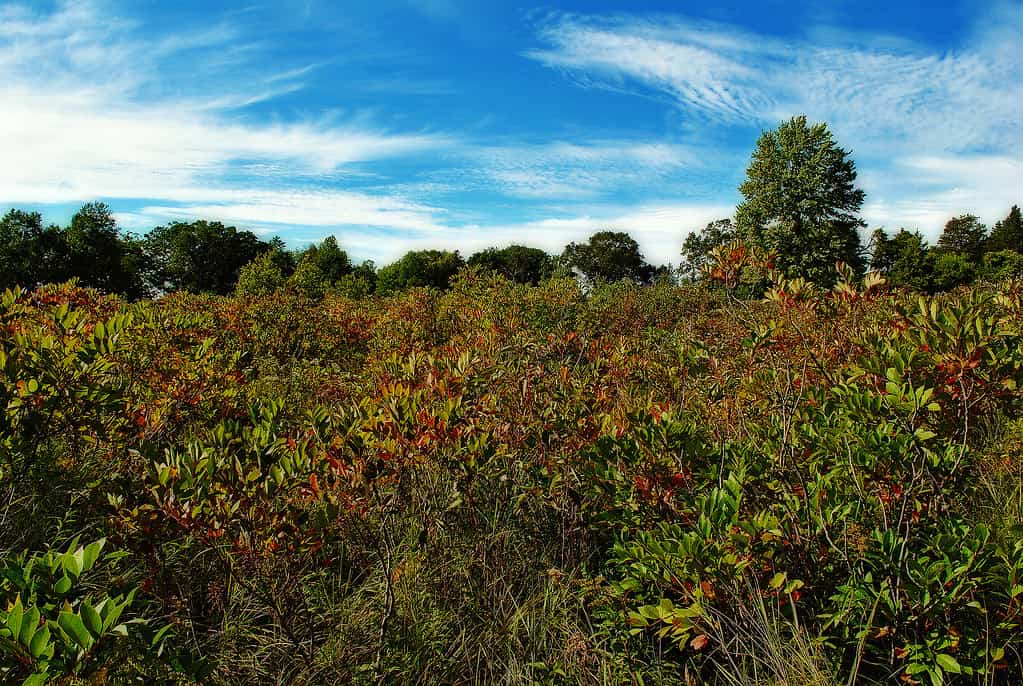
Dense thickets provide ideal cover for quail and help protect them from predators.
“A person standing nearly anywhere in good quail habitat should be able to face in several directions, throw a softball and reach a patch of woody cover,” Hill said in the news release.
How Georgia is Protecting Bobwhite Quail
Given the drastic decline in bobwhite quail populations in the state, Georgia implemented the Bobwhite Quail Initiative in 1998. The goal is to bring back early-growth quail habitats that include native grasses, legumes, weeds, briars, and shrubs.
What makes the program unique is the focus on re-establishing these habitats on private land. Nearly 93 percent of Georgia’s land mass is privately owned. The Georgia DNR notes that working with private landowners is the key to the program’s success.
The first phase of the project happened between 2000 and 2012 and took place in 15 upper coastal plain counties in the state. Landowners received advice and money to construct field borders and hedgerows and to thin and burn stands of pine trees. During those years, more than $2.1 million went to program participants. Program biologists say more than 200 landowners managed over 800,000 acres of private land.
Between 2016 and 2019, an additional 69 landowners and more than 11,000 acres were added to the program thanks to a partnership between BQI and USDA’s Natural Resources Conservation Service. Another program partner, Quail Forever, contributes financial support for extra biologists and an agricultural specialist. They work with farmers to identify underproducing areas in farm fields that could become prime quail habitats.
In addition, two state wildlife areas are dedicated to quail management, including Di-Lane and Silver Lake. In both areas, quail populations have remained stable or are rising over the past 10 years.