
Quick Take
- More trees sounds like a conservation win, but appearances can be deceiving. On the Cumberland Plateau, dense forests are quietly wiping out entire groups of wildlife. See how forests hurt wildlife →
- When sunlight disappears from a forest floor, the damage extends well beyond plants, and the chain reaction is bigger than most people expect. Explore the cascading losses →
- The habitats these struggling species need most are mostly in private hands, a reality that changes everything about how restoration can actually work. Why private land matters →
- Some of the Plateau's lost ecosystems may not be as gone as they appear, though the window to act is closing fast. See signs of recovery →
When we think of forests, most of us picture something really lush and green. We envision towering trees. Shade to sit beneath on a hiking break. A canopy above us with a stream of sunlight filtering through leaves. It’s easy to assume that denser forests offer better protection for wildlife. However, on the Cumberland Plateau—a mountainous region spanning parts of Kentucky, Tennessee, Alabama, and Georgia—excessive forest density has actually become problematic.
According to Theo Witsell, Chief Conservation Officer at the Southeastern Grasslands Institute at Austin Peay State University, and Dwayne Estes, PhD, the organization’s co-founder & executive director, many of the plants and animals native to the Plateau never evolved to live in dark, tightly packed woods. This means that many of the species that once thrived there are now struggling to survive beneath the heavy tree cover.
“Forests are certainly a natural and ancient part of the Cumberland Plateau landscape, but so are grasslands, savannas, and open woodlands,” Witsell explains. “Different species of plants and animals evolved to need a specific range of conditions along this grassland to forest continuum. Some require closed forests, some require treeless grasslands, and others need the transitional condition between the two extremes.”
For animals that evolved in sunny grasslands and more open habitats, the Cumberland Plateau has become a tougher place to survive.
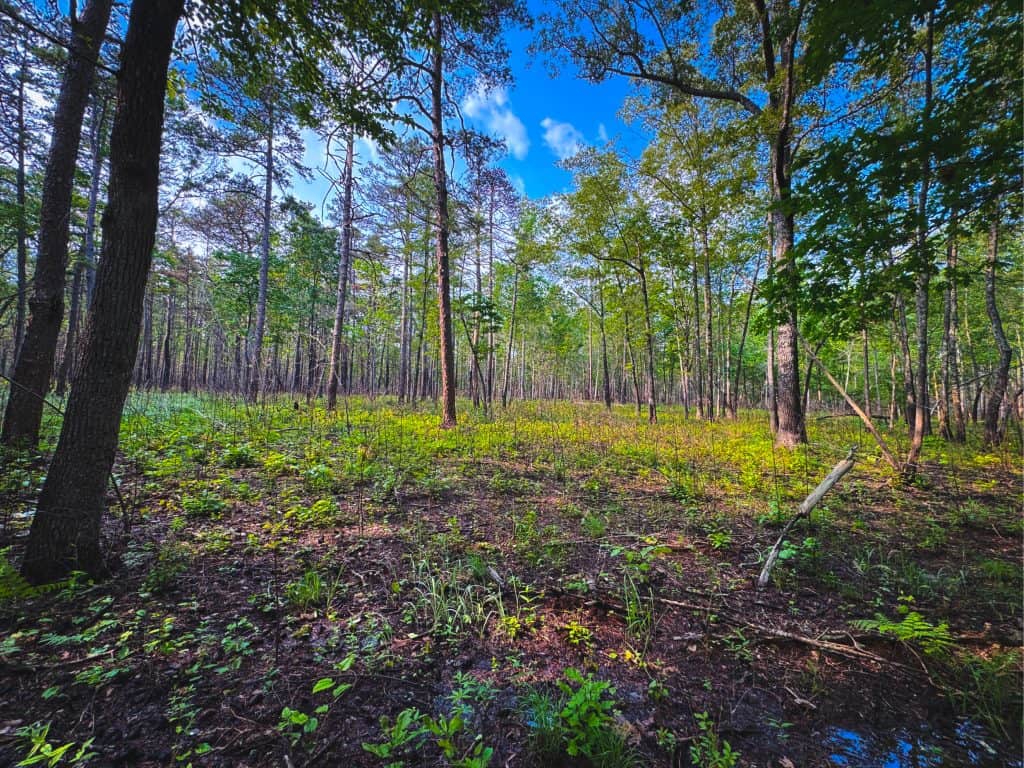
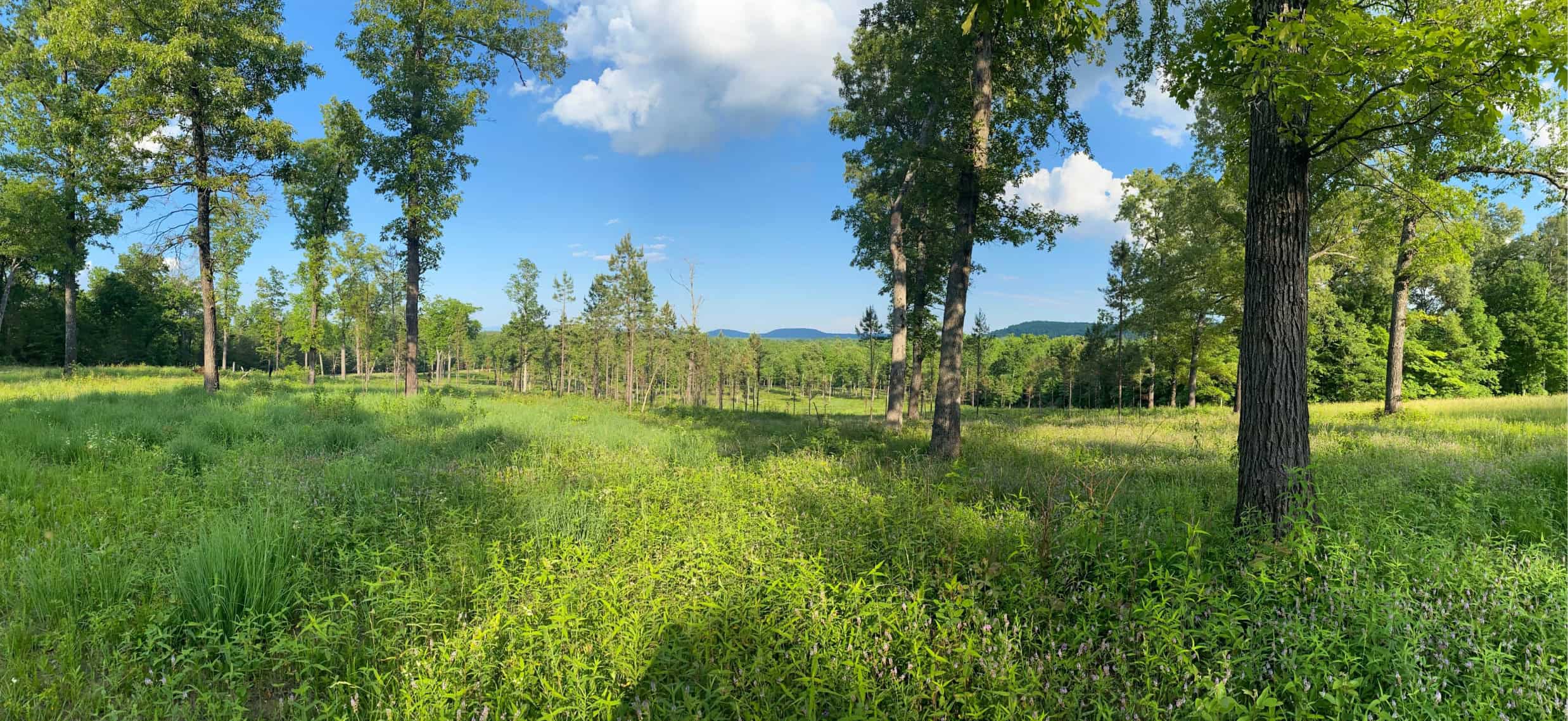
Land managers at Little River Canyon National Preserve are using prescribed fire and selective thinning to restore historically open pine-oak savanna woodlands.
©Southeastern Grasslands Institute/Zach Irick – Original
Some Wildlife Depends on Sunlight
When it comes to wildlife conservation, most of us probably aren’t imagining prescribed burns and grassy open spaces. But for many species across the Plateau, those are exactly the conditions they need.
“Many species need the open end of the continuum (grasslands, savannas, and open woodlands) to survive,” Estes says. “Some depend on the open structure of these habitats and the grassy or shrubby groundcover they provide for at least part of their life cycle. Or they depend on plant species found only in these open ecosystems.”
Unfortunately, over time, many of those habitats have slowly disappeared. Without regular fires—historically caused by lightning or early Indigenous residents—and the presence of large grazing animals such as elk and bison, many woodlands and savannas gradually became overgrown with dense forest. Many of the open habitats were also converted into farmland, pasture, ponds, and other human-based uses.
“In the absence of fire and large herbivores, many formerly open savannas and woodlands grew into closed-canopy but low-diversity forest,” Witsell says. “These forests on the Plateau surface were very different than the natural mesic forests in the river gorges, hollows, and deep ravines.”
As you might imagine, that shift has had major consequences for wildlife. “The big groups affected include grassland and open-ecosystem-dependent birds, small mammals, reptiles and amphibians, and invertebrates, as well as hundreds of plant species,” says Estes.
That includes pollinators, songbirds, bobwhite quail, bats, and countless insects that rely on sunlight, native grasses, flowering plants, and an open habitat structure.
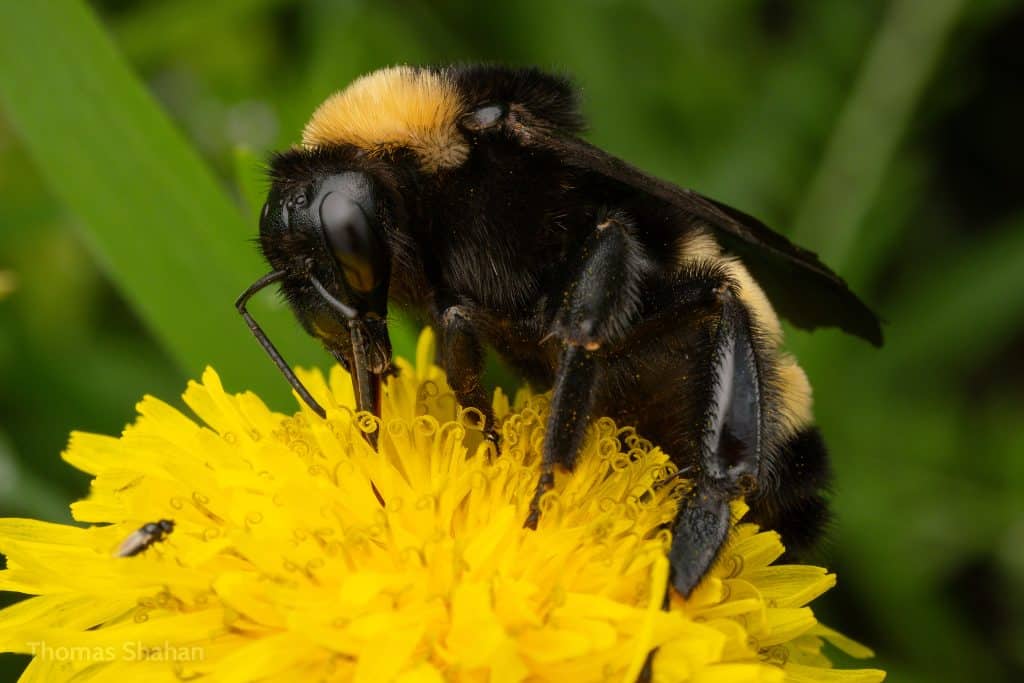
Pollinators, like bees, depend on sunny, open habitats filled with native grasses and flowering plants.
©Creative Commons/CCO – Original
The Ripple Effect
The problem isn’t simply the number of trees in a certain area. It’s what’s happening underneath them.
As forests grow darker and more crowded, many native grasses and wildflowers stop getting the sunlight they need to survive. Over time, that means fewer food sources for the insects and animals that depend on them.
“This can lead to cascading loss within the ecosystem of species that require open, sunny conditions,” Witsell says.
Pollinators are one of the species most affected by this, because fewer native flowers mean fewer sources of nectar. Birds and mammals can also lose access to the essentials.
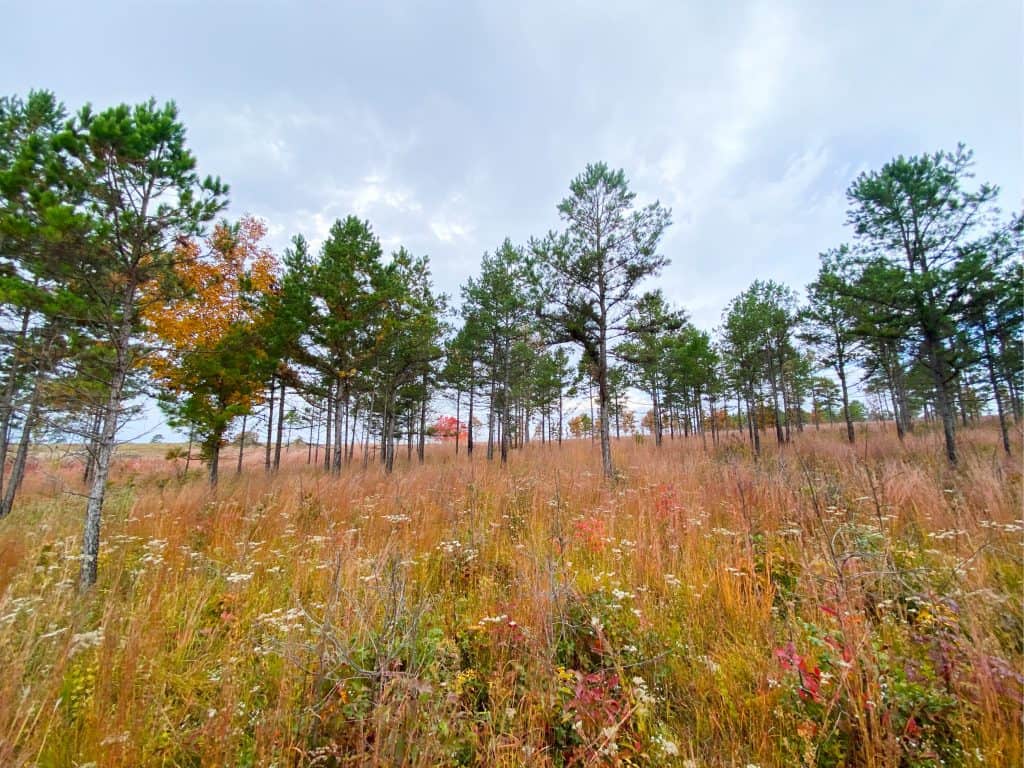
Open, brightly lit ecosystems support the native wildflowers that pollinators and other wildlife need to survive.
©Southeastern Grasslands Institute/Dwayne Estes – Original
“With the closure of the ecosystem, those species of plant and animal may be able to survive for some period of time in shaded conditions, but they will decrease in size and vigor and will not flower or make fruit,” Estes explains. “This means a decline in nectar sources for insects, and a decline in fruit and seed resources for other animals, as well as a decline in forage for herbivores.”
Even wetlands are affected. The conservationists note that dense stands of trees can alter water movement across the landscape, impacting areas that support rare species.
Forests are certainly a natural and ancient part of the Cumberland Plateau landscape, but so are grasslands, savannas, and open woodlands.
Theo Witsell, Chief Conservation Officer at the Southeastern Grasslands Institute at Austin Peay State University
A New Cumberland Plateau Conservation Plan
The new Cumberland Plateau Conservation Plan focuses on bringing back (and, of course, protecting!) the region’s disappearing open habitats, especially grasslands, savannas, and open woodlands. That work can involve prescribed fire, invasive species removal, and thinning overgrown forests to allow sunlight to reach the ground again.
In some places, the wildlife is already responding. “The White fringeless orchid, a federally-threatened plant species, is a great plant that has shown positive increase,” Witsell offers as an example.
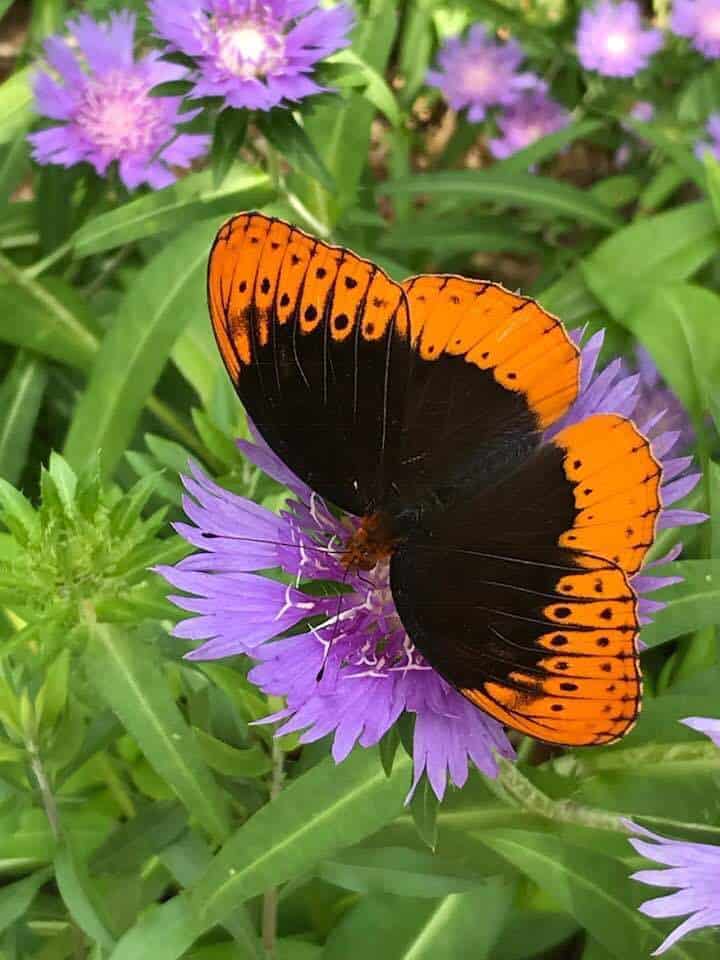
“The Diana fritillary butterfly is a beautiful butterfly that anecdotally seems to be benefiting from restoration,” says Estes.
©Creative Commons/CCO – Original
Witsell says some native species may still be quietly surviving beneath the dense canopy. “In some cases, there can be areas of relictual biodiversity hidden under decades of forest litter and shading,” he explains.
In other words, parts of the Plateau may still have remnants of the ecosystems that used to support thriving populations of pollinators, birds, bats, and other wildlife. Now, the challenge is to restore the conditions they need before more of them disappear.
Why Private Landowners Matter
Because so much of the Cumberland Plateau remains privately owned, landowners across the region play a major role in restoration efforts.
“Private landowners are absolutely essential to saving vulnerable species in the Cumberland Plateau,” Witsell says. “Most of the land there is privately owned, especially on the plateau surface where the grasslands were most extensive historically.”
Many of the Plateau’s open habitats disappeared long ago because people found them easier to farm and develop. “That is the land that was most easily converted to human uses,” Estes explains.
As a result, many protected areas today are more heavily forested and do not include the open ecosystems that many declining species still require. “This mismatch between habitat protected in the conservation landscape and the habitat needed by the most imperiled species is the crux of the problem,” says Estes.
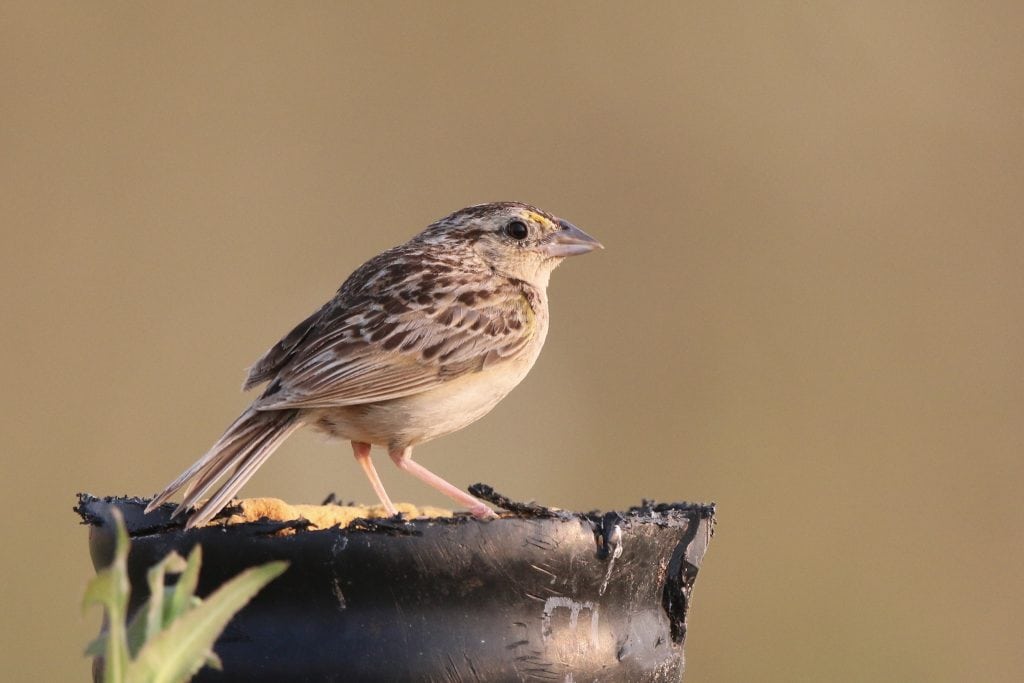
Conservationists hope restoring open ecosystems across the Cumberland Plateau will help support vulnerable bird species like the Grasshopper Sparrow.
©Creative Commons/CCO – Original
What the Future Holds
Witsell and Estes remain hopeful about the Cumberland Plateau’s future and the progress being made. The strongest evidence that restoration efforts matter comes from the species themselves. As sunlight returns to the forest floor, many plants and animals are responding almost immediately.
Pollinators start to reappear. Native flowers bloom again. Birds return. Rare species emerge. And in some areas of the Plateau, landscapes that once seemed to be permanently lost are beginning to look a little more like themselves again.