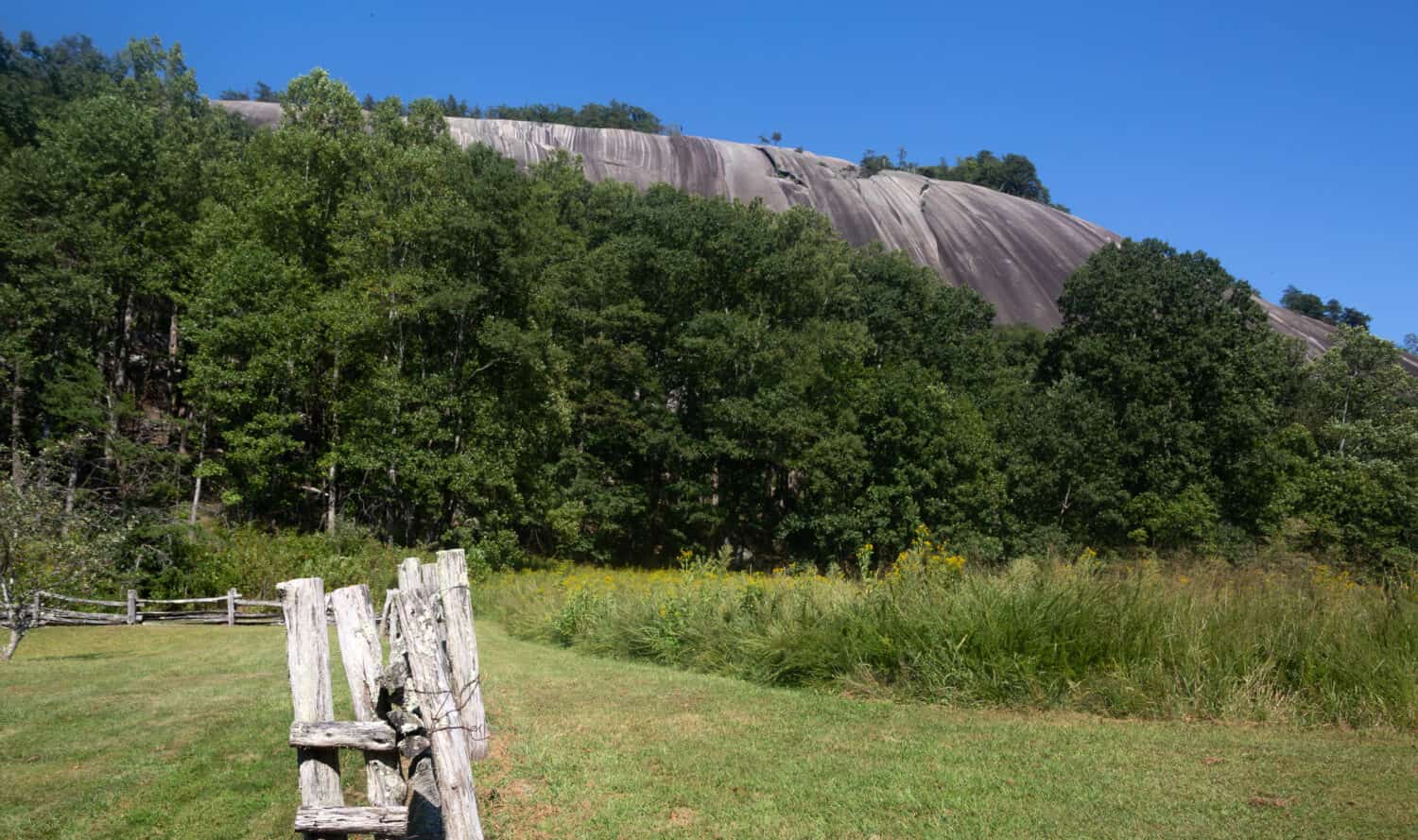

Stone Mountain State Park in northwestern North Carolina is a mecca for outdoor recreation. Spanning more than 14,000 acres across Alleghany and Wilkes Counties, the park gets its name from a 600-foot granite dome that dominates the landscape. With 16 miles of hiking trails, clear trout streams, and forests that shift with the seasons, the park draws more than 300,000 visitors annually. But the real treasure is in the biodiversity of the area. From deer grazing in open fields to salamanders hiding under logs, the beautiful natural area offers the chance to spot animals in their natural setting. Below is a guide to some of the most memorable wildlife you may encounter.
White-Tailed Deer (Odocoileus virginianus)
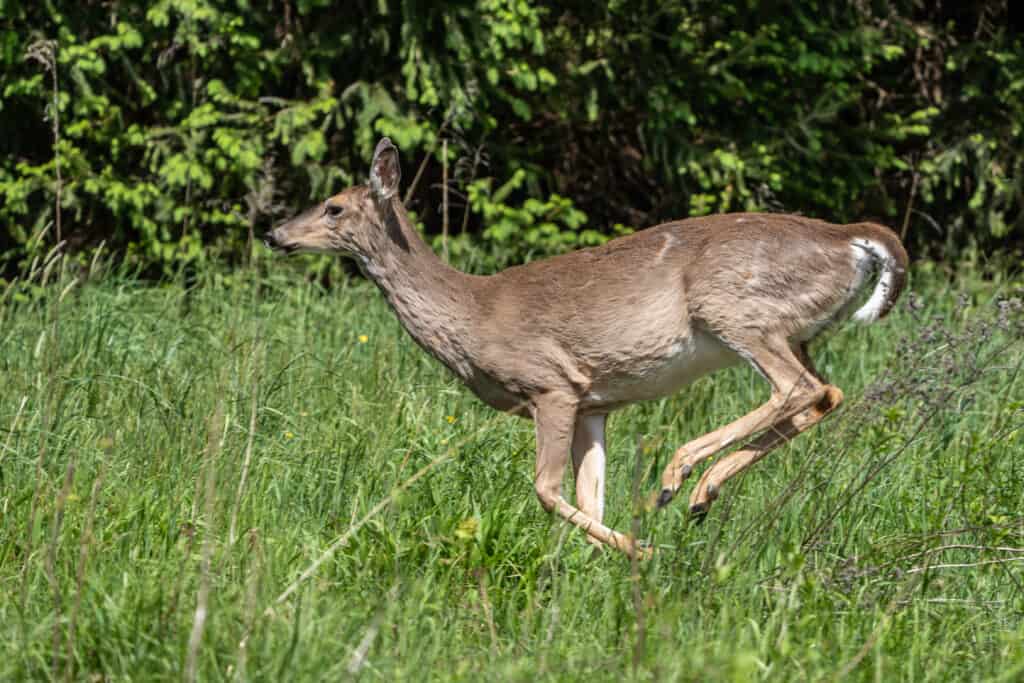
White-Tailed Deer, (Odocoileus virginianus)
©Amy Lutz/Shutterstock.com
The white-tailed deer is one of the park’s most visible mammals. Visitors often spot them in the early morning or evening, quietly grazing along meadows or forest edges. Their presence shapes the ecosystem by influencing plant growth and providing prey for larger predators. During the autumn rut, the breeding season, bucks can be seen sparring with each other using their antlers, a dramatic seasonal display.
Raccoon (Procyon lotor)
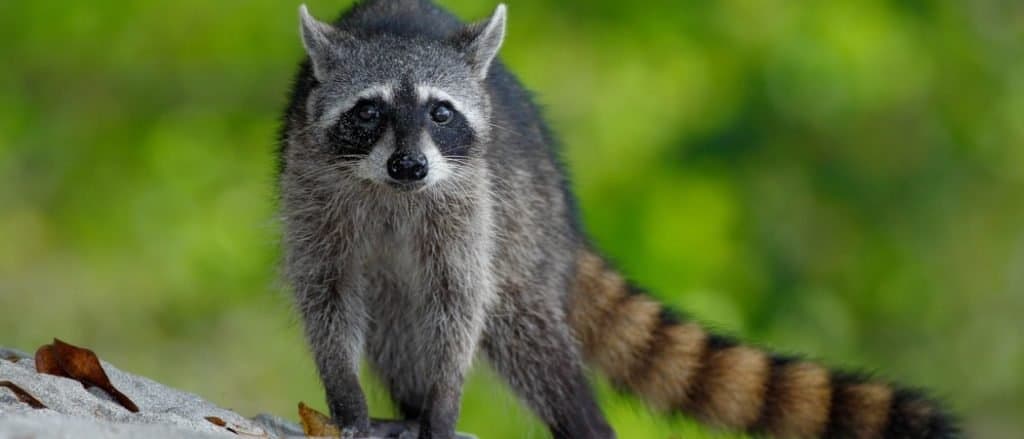
Raccoon (Procyon lotor)
©Ondrej Prosicky/Shutterstock.com
Raccoons are plentiful but most active at night. Near campsites or along streams, they scavenge for food with remarkable dexterity, holding and washing their food with hand-like paws. Their masked faces and ringed tails make them easy to identify when caught in flashlight beams after dusk. While often amusing to watch, raccoons are clever enough to raid coolers, so campers are advised to store food securely.
Red Fox (Vulpes vulpes)
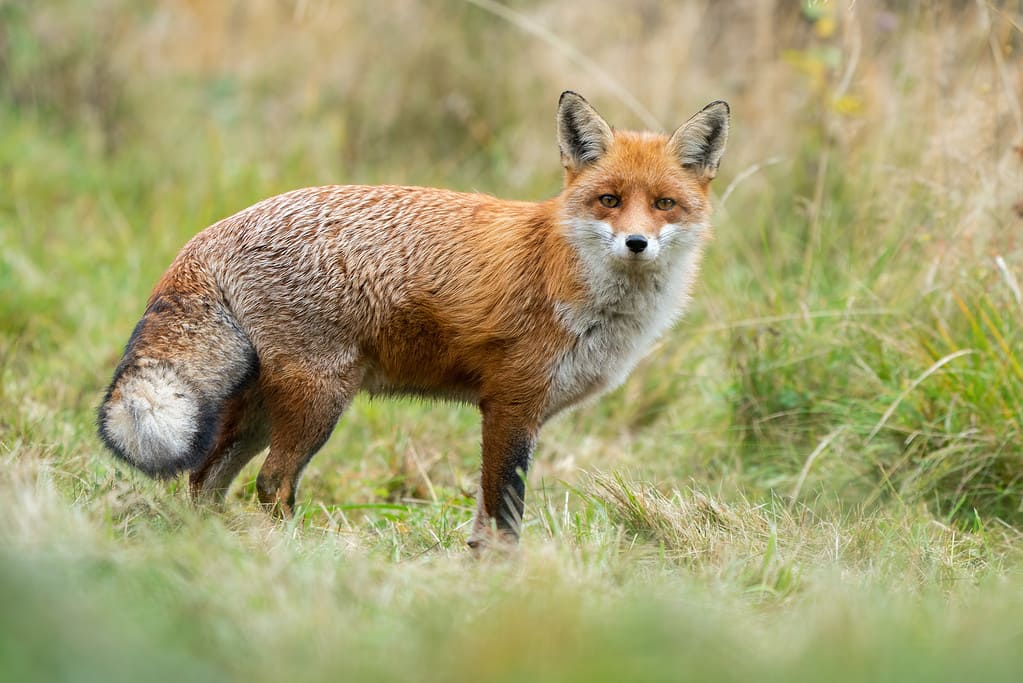
Red Fox (Vulpes vulpes)
©JMrocek/ via Getty Images
The red coat and busy tail are the telltale markers of the red fox. Though adaptable and widespread, this fox is shy, usually glimpsed darting across a trail or trotting at the edge of open land. Foxes feed on small mammals, insects, and fruit, making them an important part of balancing the ecosystem.
Gray Fox (Urocyon cinereoargenteus)
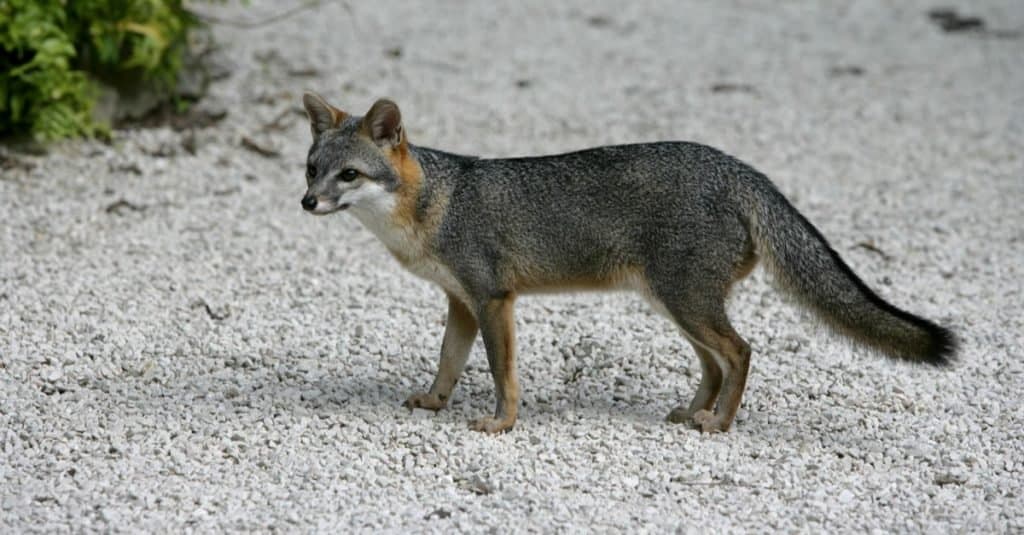
Gray fox (Urocyon cinereoargenteus)
©Erni/Shutterstock.com
Less well-known than its red cousin, the gray fox is also common in the local ecosystem. It has the unusual ability to climb trees, a skill that helps it escape predators and hunt for birds or eggs. Sightings are rare, but tracks or scat sometimes mark their presence along wooded ridges.
Bobcat (Lynx rufus)
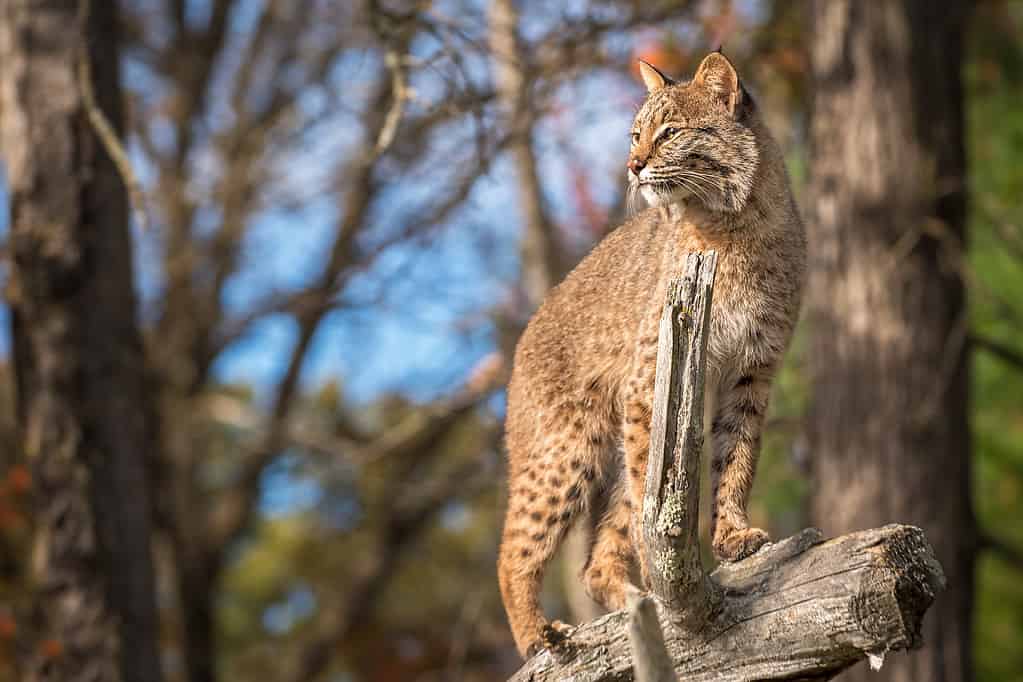
Bobcat (Lynx rufus)
©Geoffrey Kuchera/Shutterstock.com
Stone Mountain provides habitat for the elusive bobcat, a native predator in the area. Medium-sized with tufted ears and short tails, bobcats are mostly nocturnal and extremely wary of people. They prey on rabbits, squirrels, and deer fawns, keeping populations of smaller mammals in check. They’re a rare site, so if you spot one, you’ll have bragging rights.
Eastern Gray Squirrel (Sciurus carolinensis)
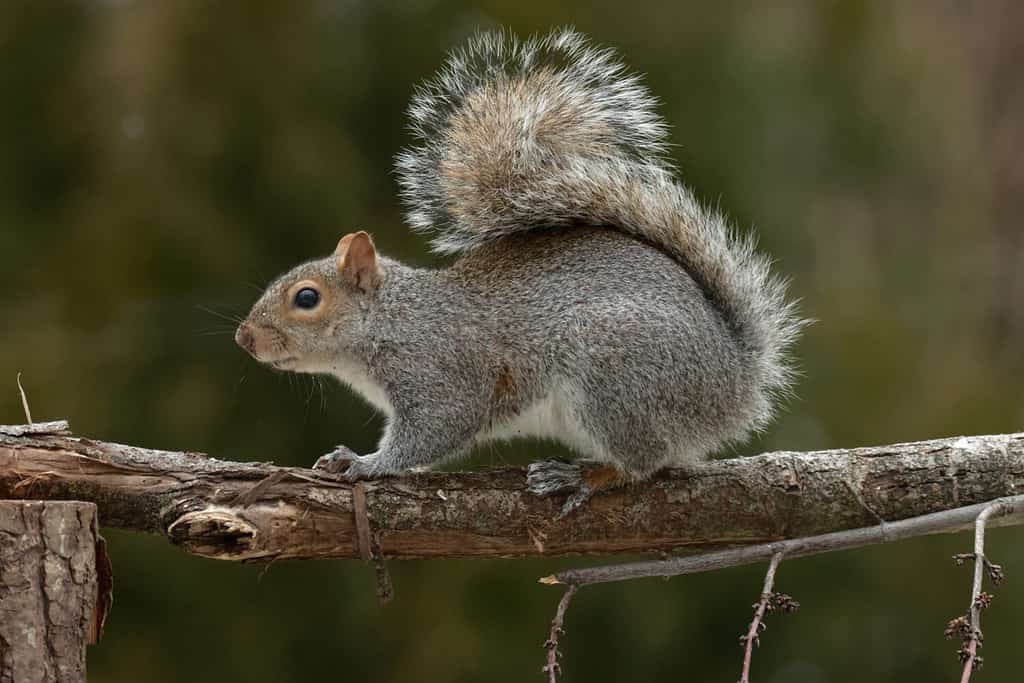
Eastern Gray Squirrel (Sciurus carolinensis)
©My Generations Art/Shutterstock.com
One of the park’s most active daytime mammals, eastern gray squirrels are hard to miss. They leap between branches, chatter from tree trunks, and forage for nuts. In autumn, visitors can often see them caching acorns in the ground for winter survival. Their energetic behavior adds liveliness to any hike.
Eastern Chipmunk (Tamias striatus)
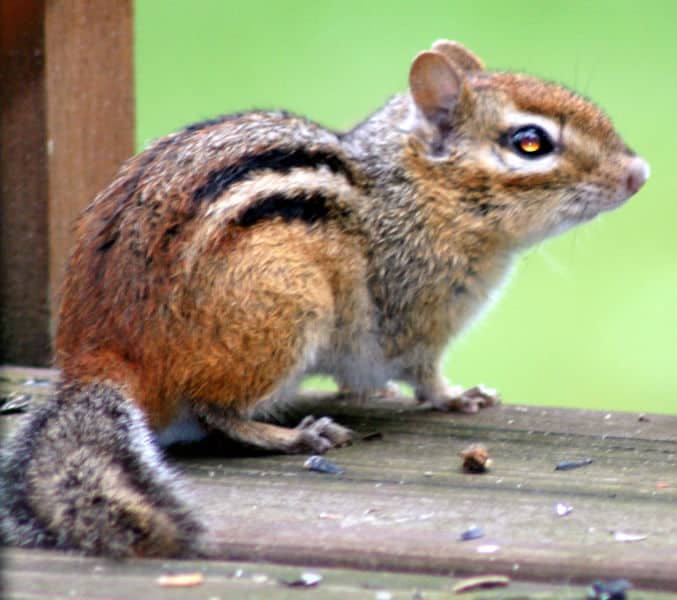
Eastern Chipmunk (Tamias striatus)
©R. A. Nonenmacher, CC BY-SA 3.0, via Wikimedia Commons – Original / License
Chipmunks dart quickly across trails, their striped backs and cheek pouches unmistakable. Though small, they play an important role in spreading seeds through the forest. Their tunnels provide shelter and aerate the soil, supporting the overall health of the woodland ecosystem.
Beaver (Castor canadensis)
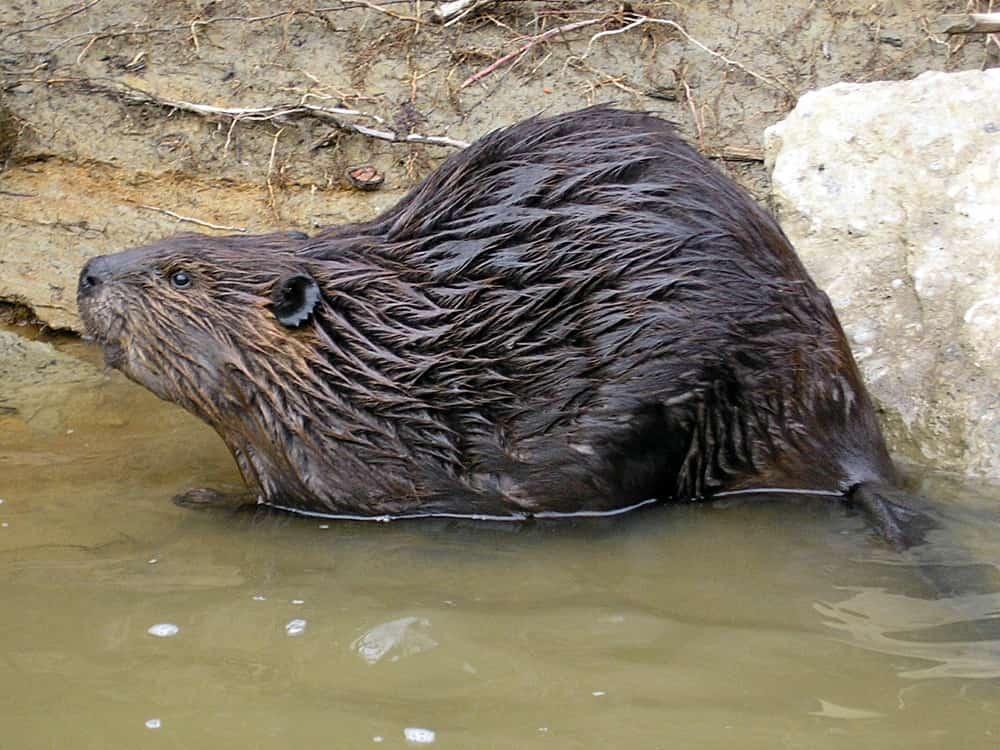
Beaver (Castor canadensis)
©International Monetary Fund (photographer uncredited) / Public domain, from Wikimedia Commons, the free media repository – Original / License
Beavers thrive in the East Prong of the Roaring River and its tributaries. Evidence of their presence is unmistakable: gnawed tree stumps, dams, and lodges rising from slow-moving water. These “engineers” reshape streams into ponds that attract waterfowl, amphibians, and insects, creating mini wetlands within the park.
Scarlet Tanager (Piranga olivacea)
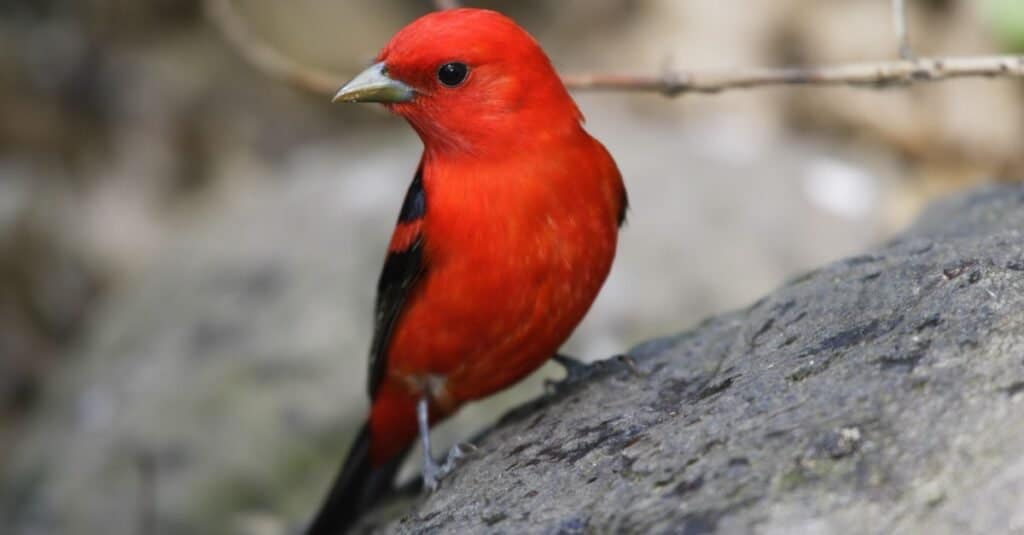
Scarlet Tanager (Piranga olivacea)
©Stubblefield Photography/Shutterstock.com
The scarlet tanager is a striking summer resident, the males glowing red with jet-black wings. They prefer the upper canopy, so spotting them requires patience and a keen eye. Their flute-like song carries through the forest, rewarding birdwatchers who pause along shaded trails.
Eastern Whip-poor-will (Antrostomus vociferus)
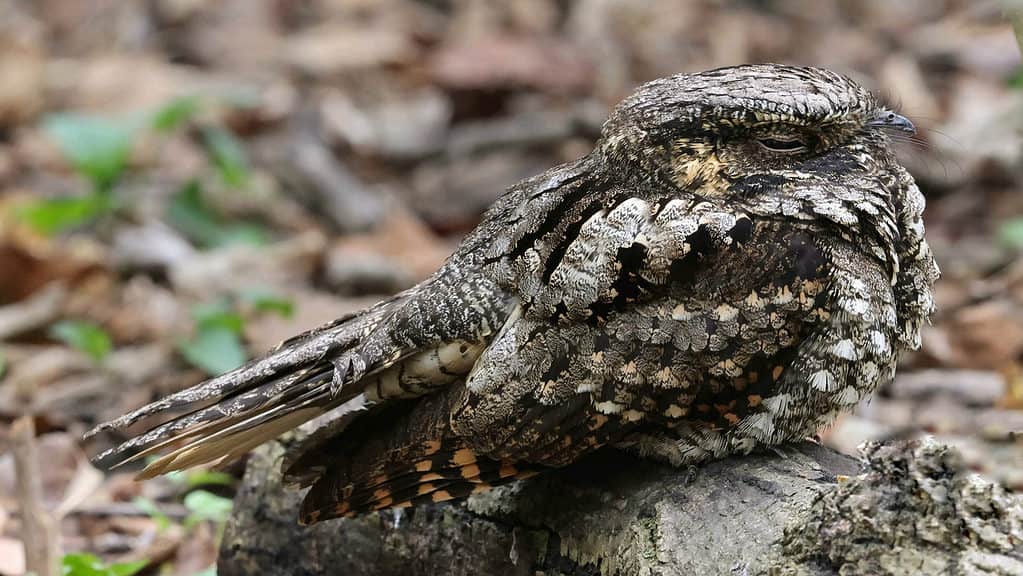
Eastern Whip-poor-will (Antrostomus vociferus)
©iStock.com/Banu R
At dusk and dawn, the repeated call of the whip-poor-will fills the air. This nocturnal bird is more often heard than seen, its camouflage blending perfectly with forest floor leaf litter. For many, hearing its call is one of the most memorable experiences of visiting Stone Mountain.
Ruffed Grouse (Bonasa umbellus)
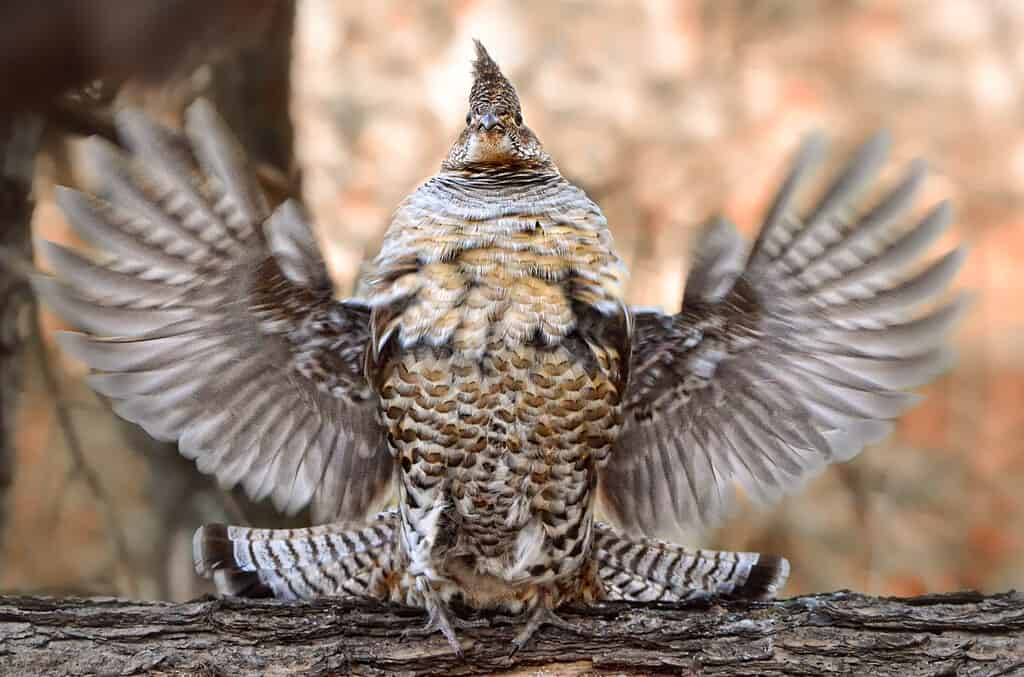
Ruffed Grouse
©Agnieszka Bacal/Shutterstock.com
The ruffed grouse lives year-round in the park, favoring young forests with dense cover. Males perform a drumming display in spring, beating their wings against the air to attract mates. Hikers moving quietly may flush a grouse from the brush in a startling burst of wings.
Wild Turkey (Meleagris gallopavo)
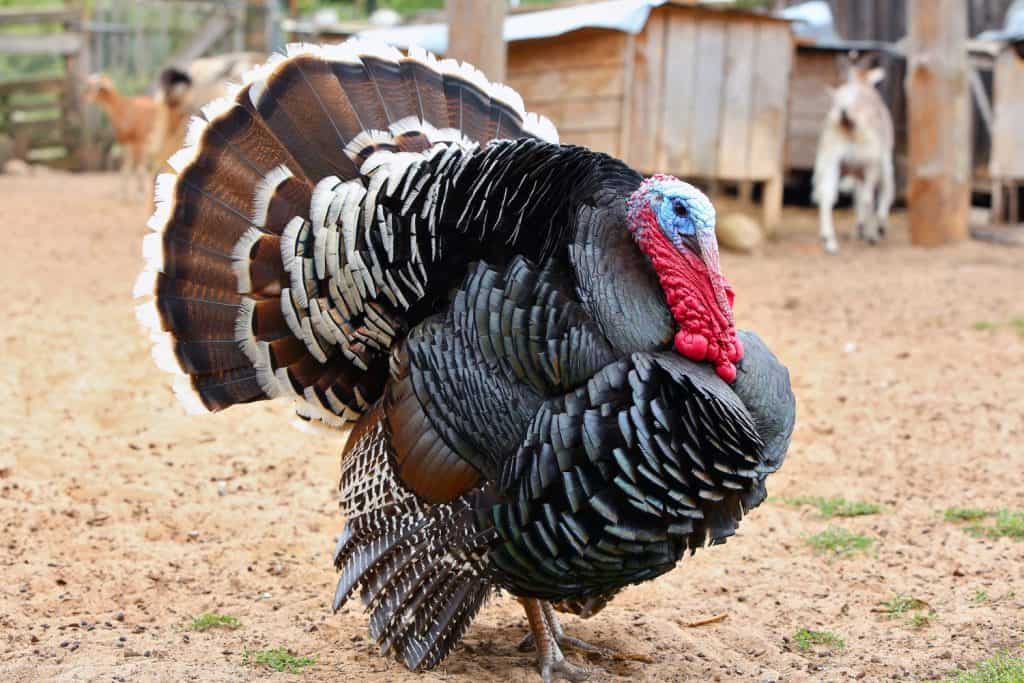
Wild Turkey (Meleagris gallopavo)
©Aksenova Natalya/Shutterstock.com
Flocks of wild turkeys roam fields and open woodlands, sometimes in surprisingly large groups. Males display fanned tails and gobble loudly during the breeding season. Once nearly gone from the region, turkeys have rebounded and are now a common sight in the park.
Pileated Woodpecker (Dryocopus pileatus)
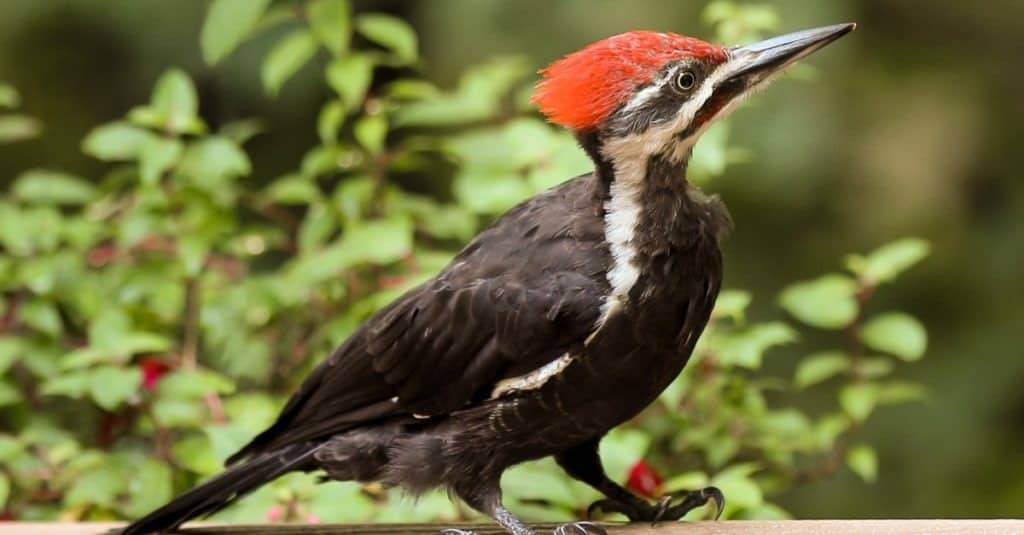
Pileated Woodpecker (Dryocopus pileatus)
©James.Pintar/Shutterstock.com
This crow-sized woodpecker is impossible to mistake with its bright red crest and powerful beak. The rectangular holes it leaves in dead trees are clues to its presence. Its loud, ringing call often echoes across the forest, making it easier to hear than to see.
Black Rat Snake (Pantherophis obsoletus)
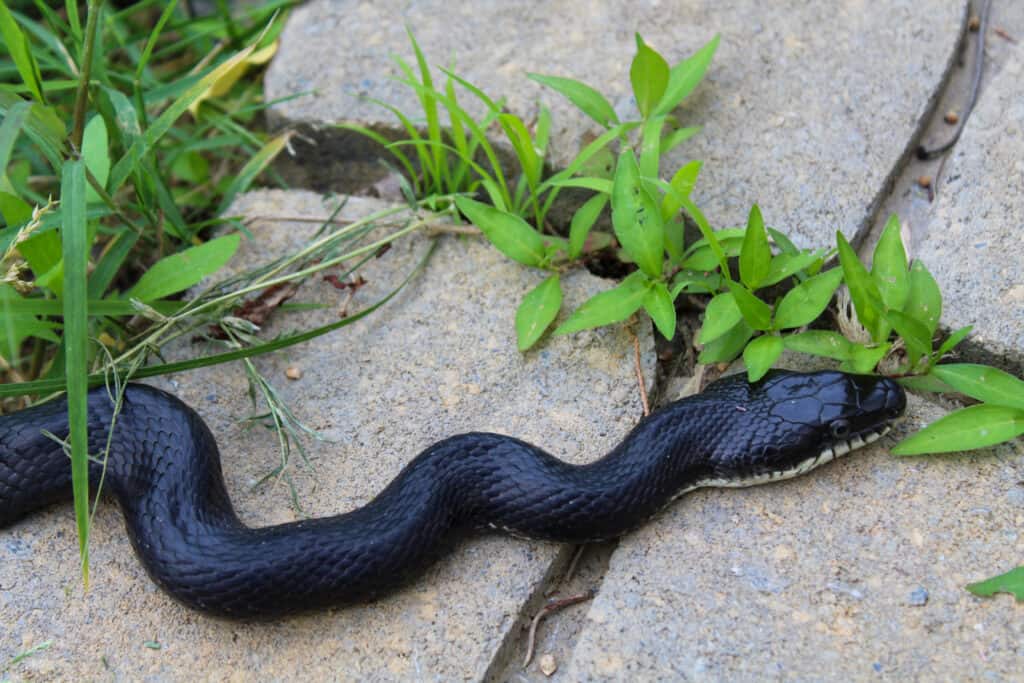
Black Rat Snake (Pantherophis obsoletus)
©ButtermilkgirlVirginia/Shutterstock.com
The black rat snake is one of the park’s most frequently observed reptiles. Nonvenomous and beneficial, it controls rodent populations and is often spotted basking on rocks or climbing trees. Their calm nature means they usually pose no threat to visitors.
Copperhead (Agkistrodon contortrix)
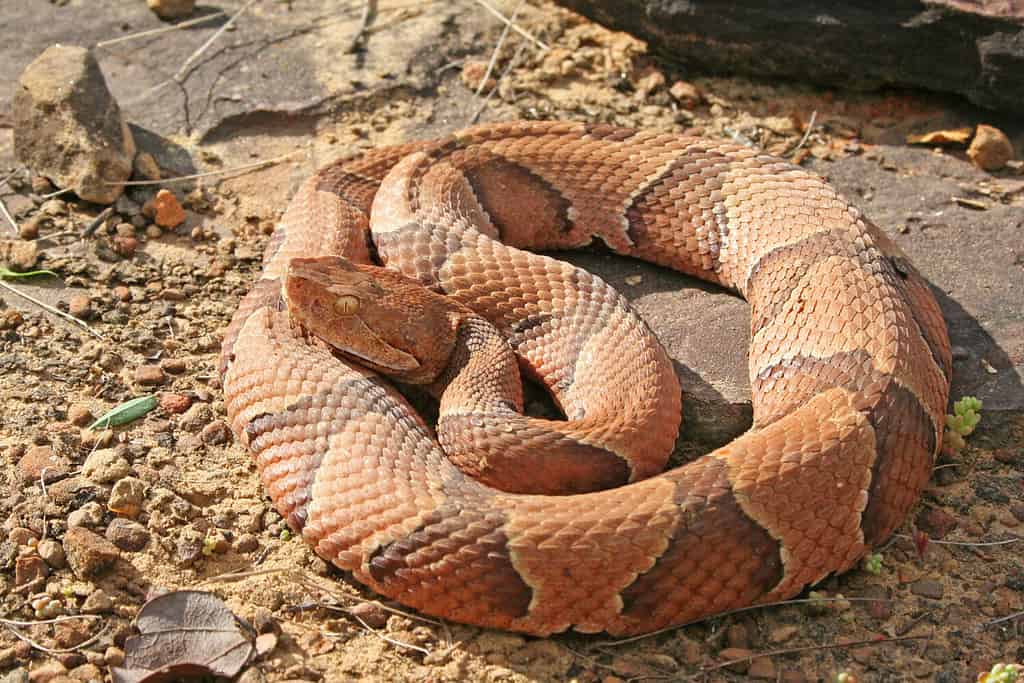
Copperhead (Agkistrodon contortrix)
©Creeping Things/Shutterstock.com
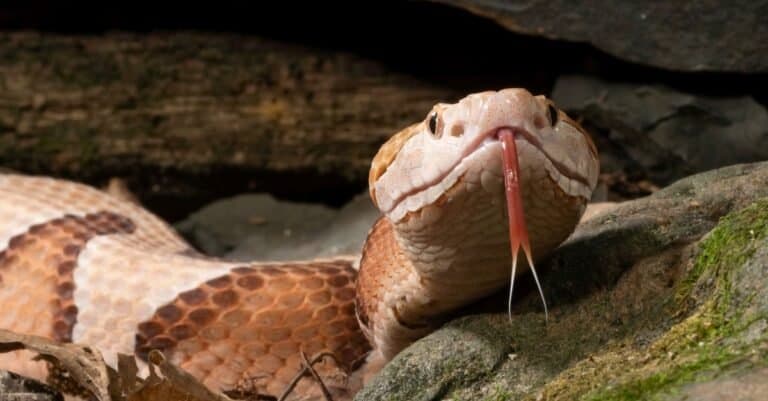
Copperheads are venomous snakes found in the park, but they are generally shy and prefer to remain hidden under logs or leaves. Their copper-colored, patterned bodies blend well with the forest floor, making them hard to spot. While bites are rare, and almost never fatal, hikers are advised to wear boots and watch their step.
Eastern Box Turtle (Terrapene carolina carolina)

Eastern Box Turtle (Terrapene carolina carolina)
©jgorzynik/Shutterstock.com
Box turtles are slow-moving residents of the forest floor, often crossing trails on damp mornings. Their domed shells, marked with yellow or orange patterns, offer protection from predators. They play a role in dispersing seeds from the fruits they eat, contributing to forest regeneration.
American Bullfrog (Lithobates catesbeianus)
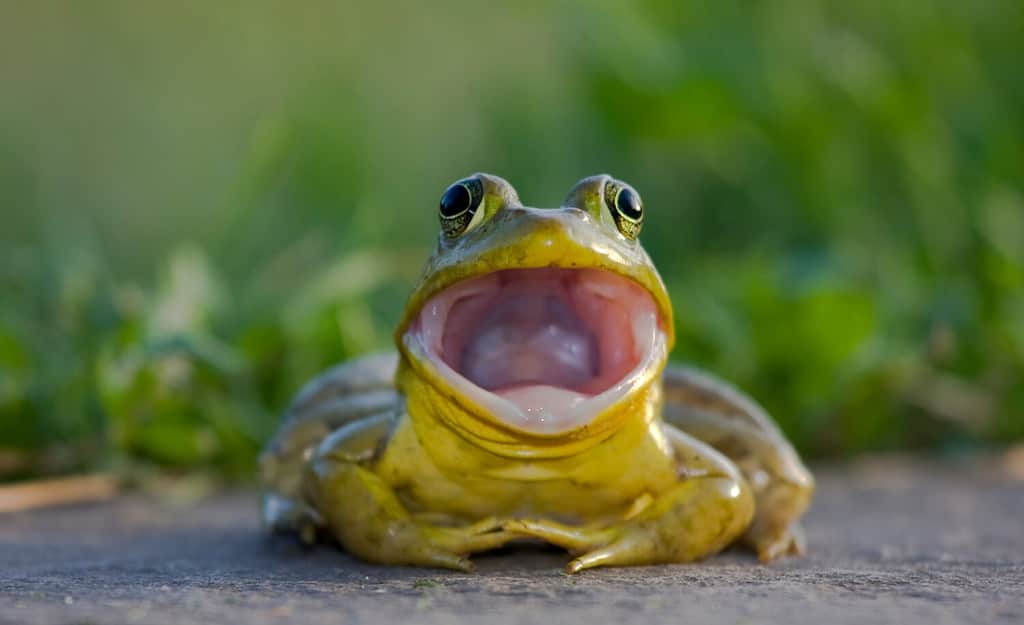
American Bullfrog (Lithobates catesbeianus)
©Tau5/Shutterstock.com
The deep, resonant call of the bullfrog carries across ponds and wetlands during summer nights. Though they may be hard to see, their loud voices reveal their presence. Bullfrogs are top amphibian predators, feeding on insects, small fish, and even other frogs.
Spring Peeper (Pseudacris crucifer)
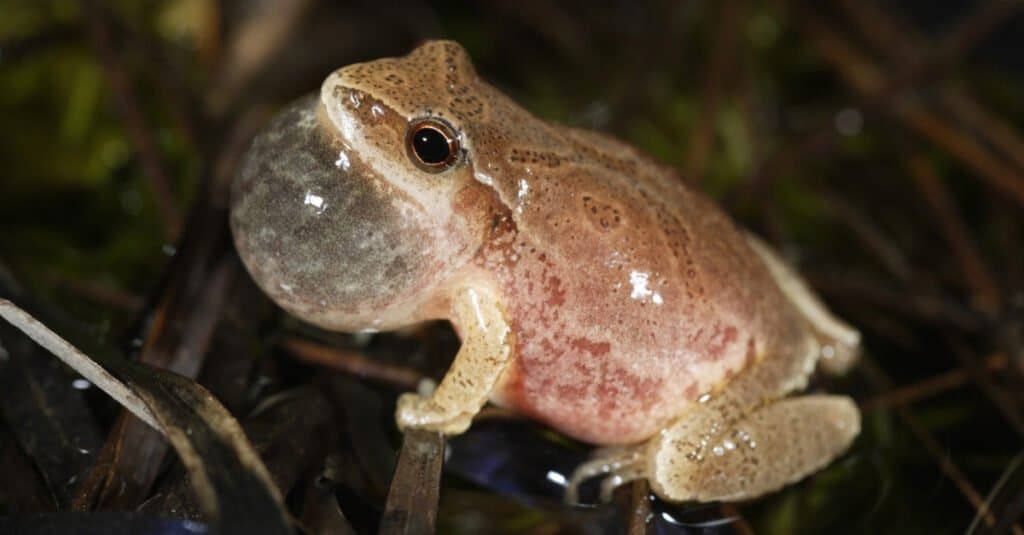
Spring Peeper (Pseudacris crucifer)
©Paul Tessier/Shutterstock.com
In early spring, the high-pitched chorus of spring peepers is one of the first signs of the season’s change. These tiny frogs are only about an inch long, yet their combined calls can fill the night air. They gather in shallow pools to breed, relying on the park’s clean waters.
Red-Backed Salamander (Plethodon cinereus)
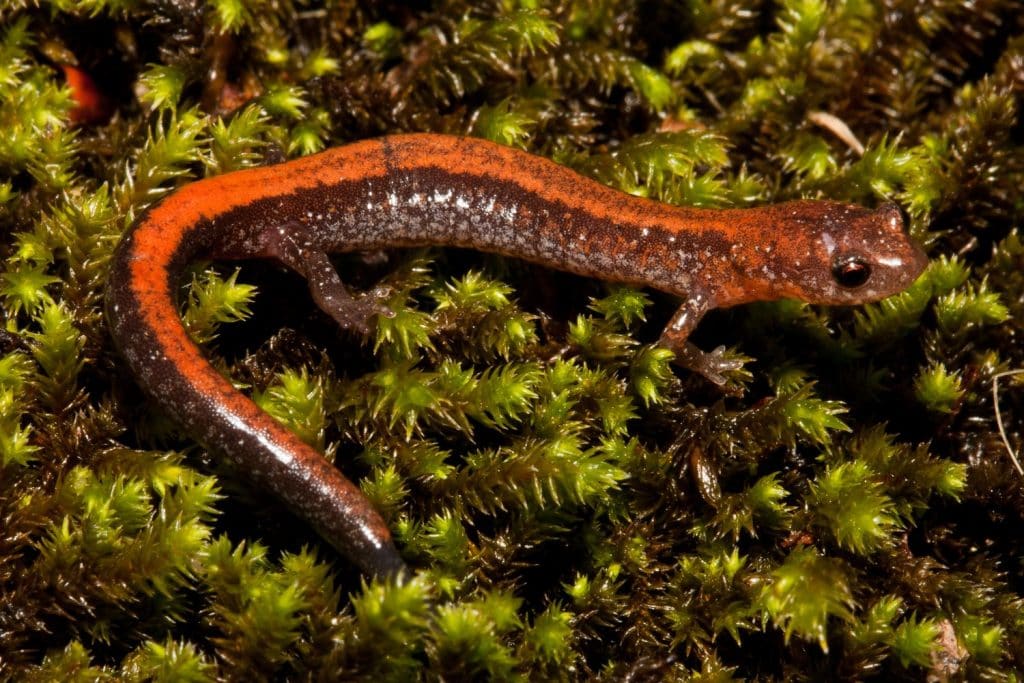
Red-Backed Salamander (Plethodon cinereus)
©Nathan A Shepard/Shutterstock.com
Beneath the damp leaf litter lives the red-backed salamander, small and secretive but important. Unlike frogs, these critters lack lungs, breathing instead through their skin. Red-backed salamander presence indicates good forest health, as they require moist, unpolluted habitats to survive.
Trout of Stone Mountain (Salvelinus fontinalis, Oncorhynchus mykiss, Salmo trutta)
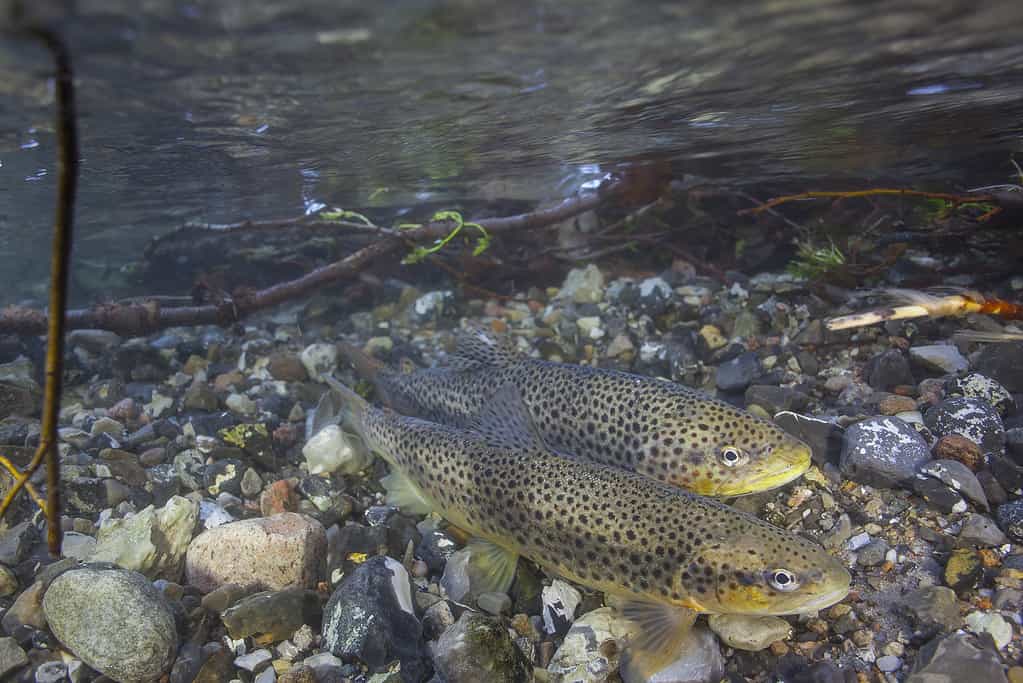
Trout (Salmo trutta)
©iStock.com/DanBachKristensen
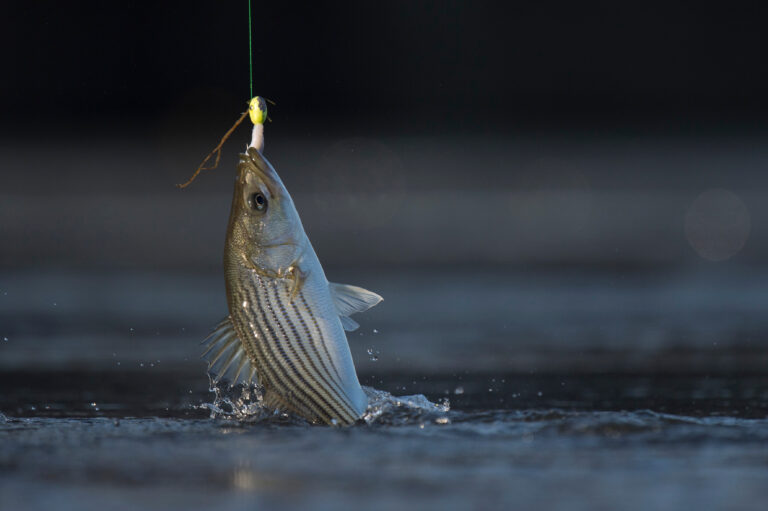
Stone Mountain’s streams are famous for their trout, supported by cool, clean waters. The brook trout, native to the region, thrives in the higher, colder creeks. Rainbow trout, and brown trout, both introduced species, fill the lower stretches. Together, these three species make the park a great destination for anglers. The presence of trout is also a sign of healthy ecosystems, since trout require clean, oxygen-rich water to survive.
Eastern Tiger Swallowtail Butterfly (Papilio glaucus)
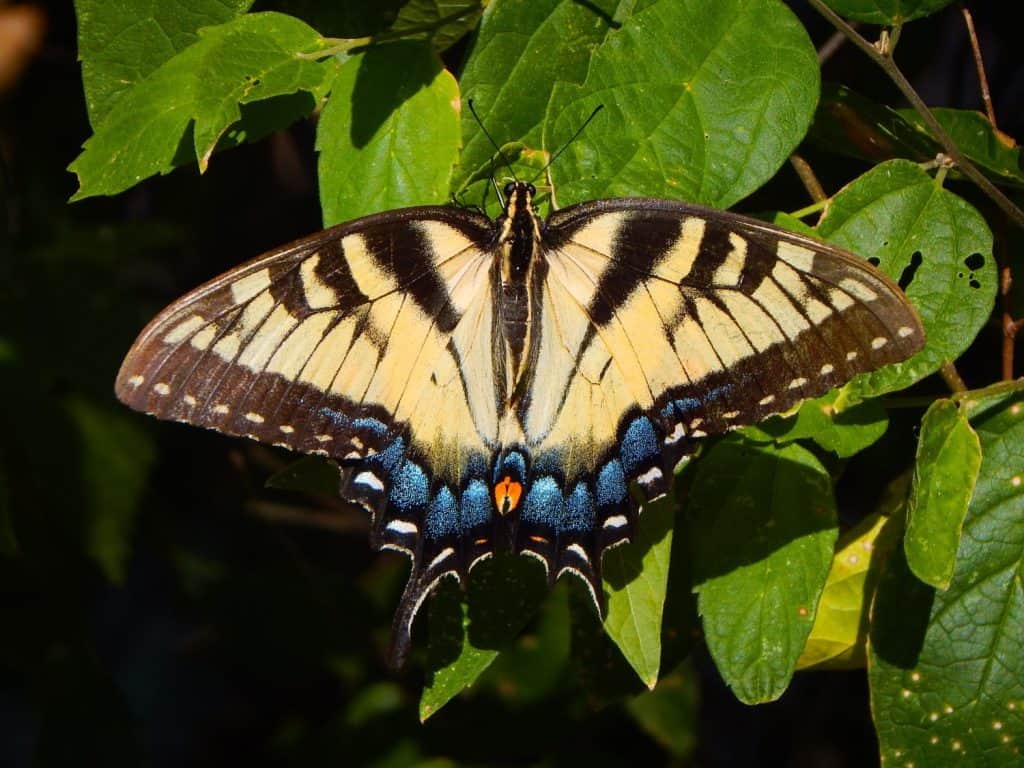
Eastern Tiger Swallowtail Butterfly (Papilio glaucus)
©Wirestock Creators/Shutterstock.com
Butterflies brighten the park’s meadows and forest edges, moving between wildflowers as pollinators. The eastern tiger swallowtail, with its yellow wings striped in black, is among the most striking. Spotting one adds color to any summer hike.
Common Green Darner Dragonfly (Anax junius)
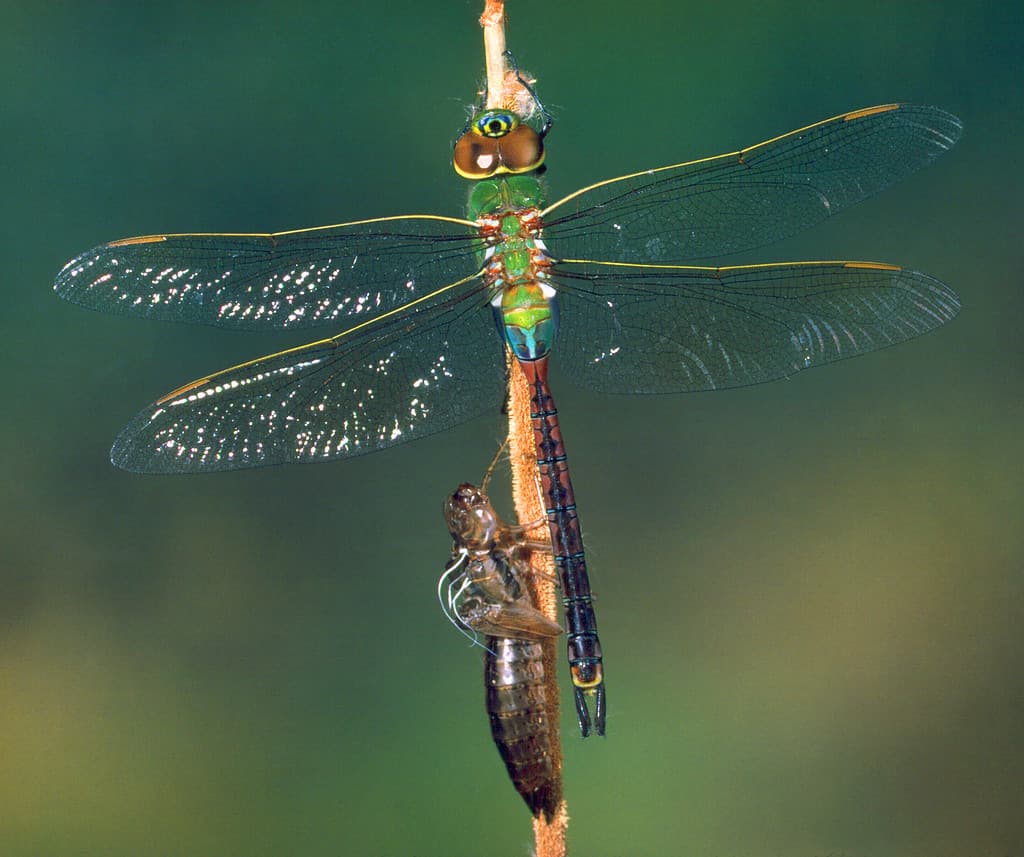
Common Green Darner Dragonfly (Anax junius)
©AndrewASkolnick/Shutterstock.com
Near rivers and ponds, dragonflies dart and hover with dazzling speed. The common green darner is especially noticeable, with its bright green thorax and long, slender body. Their presence signals healthy aquatic habitats, since much of their life is spent as underwater larvae.
Mayfly (Order Ephemeroptera)
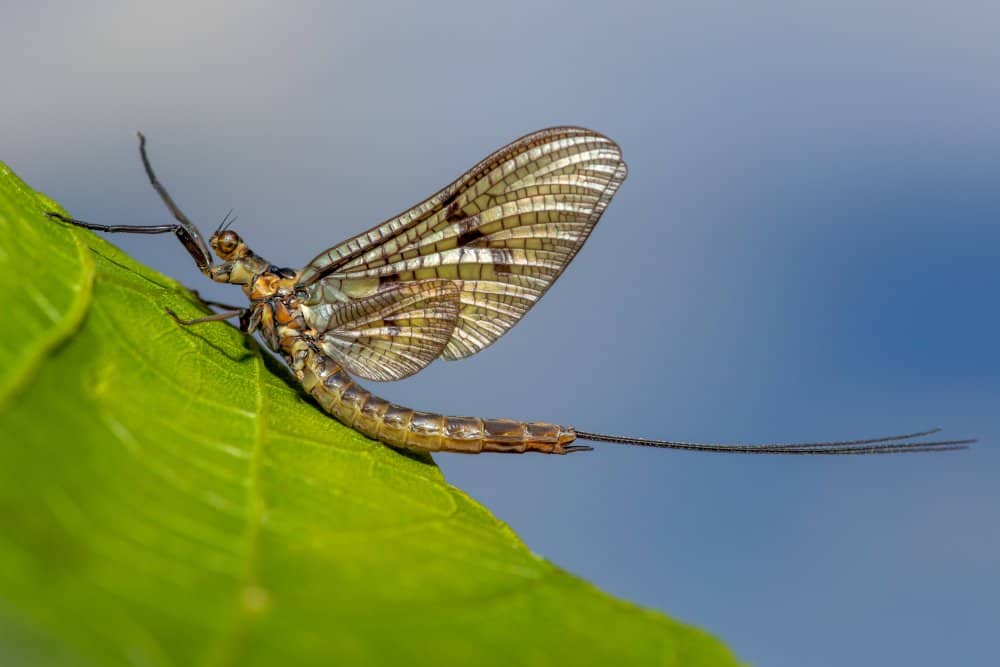
Mayfly (Order Ephemeroptera)
©bt_photo/Shutterstock.com
Under rocks in streams live delicate mayflies, whose brief adult lives give them their name. They are a cornerstone of the food chain, feeding fish such as trout. Fly fishers often watch for mayfly hatches, which indicate a prime time to cast a line.
A Living Museum
Stone Mountain State Park is like a living museum where every species has a place. For visitors, learning to recognize these creatures adds depth to hikes or fishing trips. Whether you come for the climb, the streams, or the solitude, the wildlife of Stone Mountain is always waiting to be discovered.