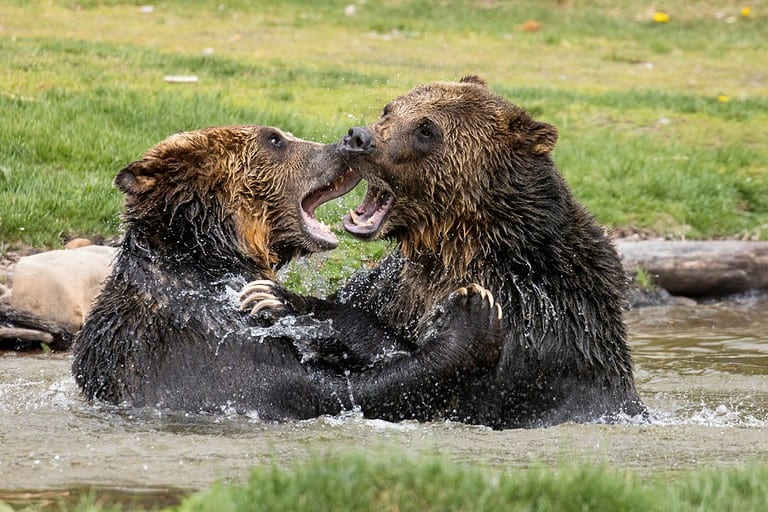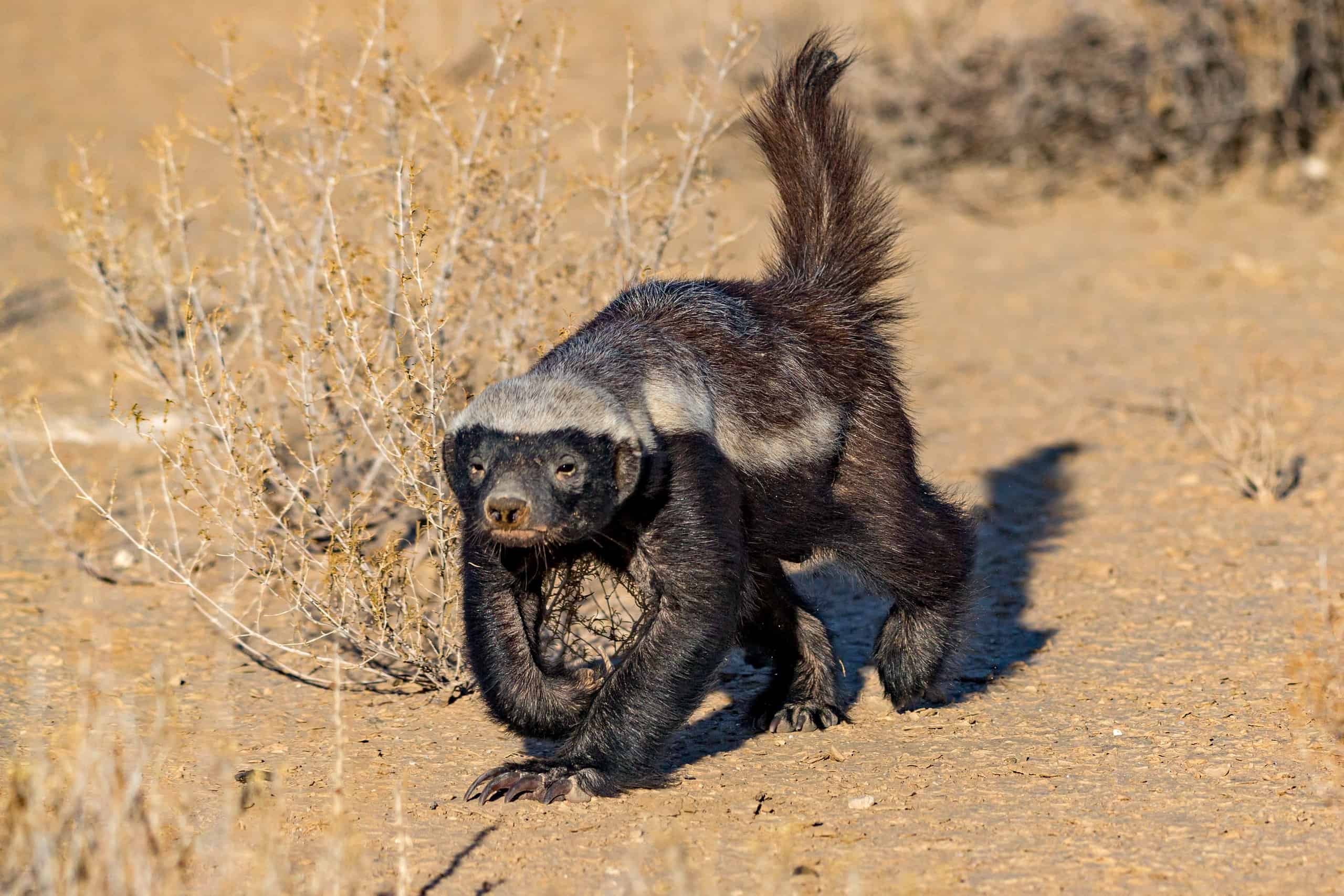

Few animals in the animal kingdom have such a unique reputation for being as tough as the honey badger. They’re fierce hunters with the willingness and ability to throw down with many other animals, including lions. Honey badgers are far from invincible, though. What if we put them against a heavyweight sensation that is breeding throughout many nations, the wild boar? Find out which animal wins a honey badger vs. wild boar fight! See which creature wins according to a breakdown of the most important factors involving each mammal!
Comparing a Honey Badger and a Wild Boar
| Honey Badger | Wild Boar | |
|---|---|---|
| Size | Weight: 11 pounds to 40 pounds Length: Between 1.5 and 2.5 feet | Weight: 175 to 386 pounds or higher, depending on the species. Height: 1.8 to 3.2 Feet Length: 3 to 6.6 feet. |
| Speed | – 15 to 19 mph | – 15 to 30 mph |
| Defenses | – Powerful sense of smell to detect dangerous animals and prey. – May emit a strong musk to drive away predators. – Thick skin (about ¼ inch) that can ward off stabbing and biting attacks to a degree. | – Possess thick skulls that prevent fatal attacks and damage. – Much of their skin is about 1 inch thick, but their shoulder shields are about 2 inches thick. – They are fast runners, so they can escape from fights. – Wild boars can deliver vicious counterattacks with tusks. |
| Offensive Capabilities | – Claws and teeth that measure 1.5 inches – Knows where to bite to cause fatal damage to prey. – Powerful jaws that can break tortoise shells. | – Can charge and topple attackers. – Will use tusks and bite to rip open enemies. |
| Predatory Behavior | – Tend to hunt their prey by using pursuit predation. – They can chase their prey and even dig them out of their burrows. | – Boars are opportunistic omnivores. – They will feed on just about anything, including animals. However, they do not hunt like predators. |
What Are Three Key Differences Between a Honey Badger and a Wild Boar?
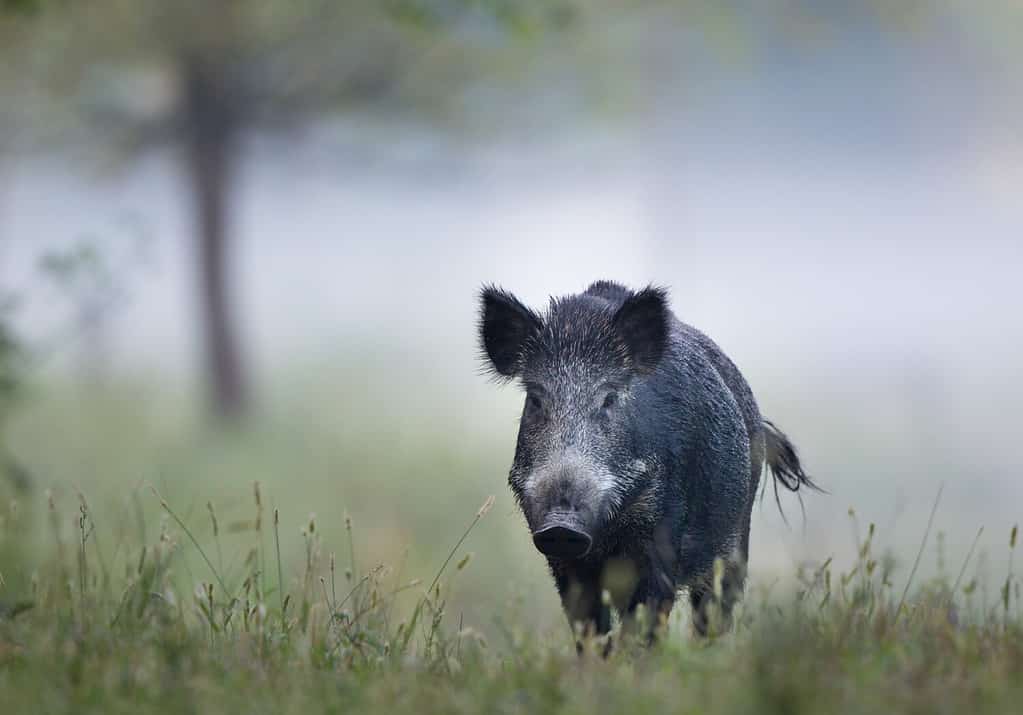
Wild boars are thickly built and powerful animals with deadly tusks.
©Budimir Jevtic/Shutterstock.com
The three greatest differences between a honey badger and a wild boar are their size, attack methods, and diet. The honey badger is small and short, often weighing about 40 pounds while a wild boar can weigh 10 times as much.
Also, boars charge their prey, using their power and weight to topple them and then use their tusks to gore enemies. However, the honey badger fights using its claws and teeth to deliver precise, deadly bites.
While the honey badger actively hunts its prey, the wild boar is more of an opportunist. The larger mammal is not a true predator but will eat small creatures and even injured animals that it finds while looking for food.
These differences will have a major impact on the outcome of this battle. Yet, we need more information about the mustelid and the boar to determine the winner.
What Are the Key Factors in a Fight Between a Honey Badger and a Wild Boar?
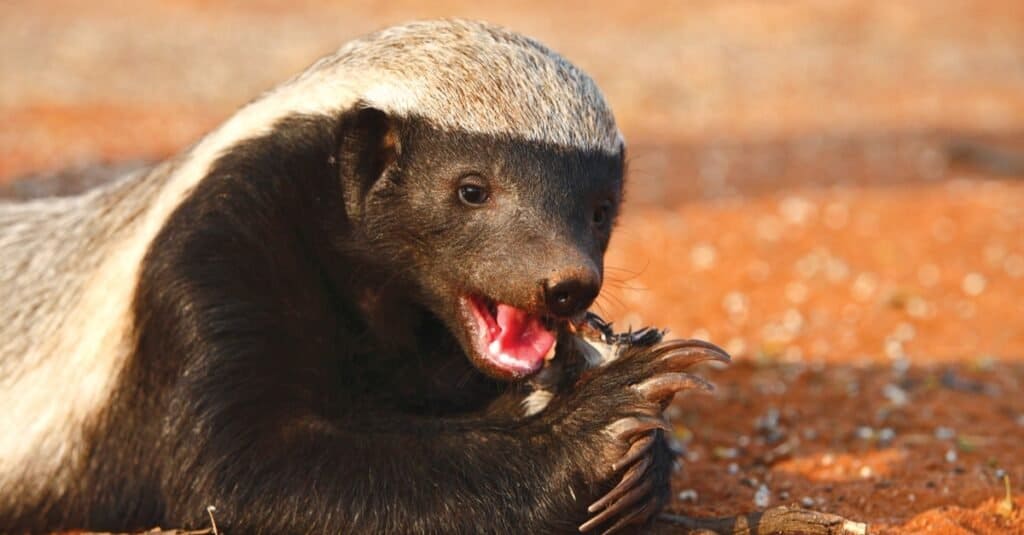
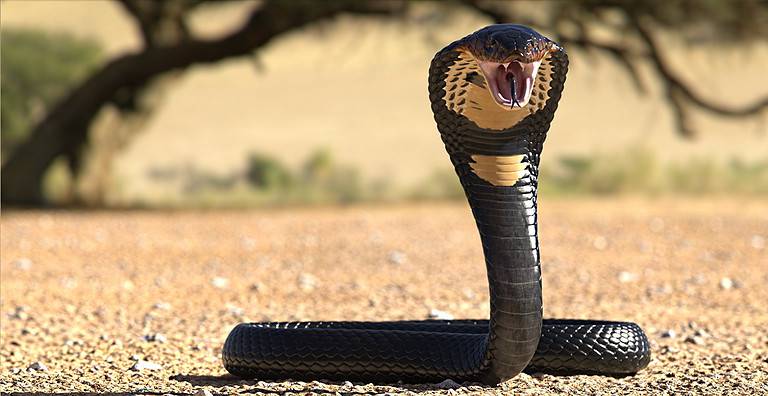
Up to 25 percent of the honey badger’s omnivorous diet consists of venomous snakes.
©Erwin Niemand/Shutterstock.com
The key factors in this fight will ultimately boil down to size, offensive powers, and defenses. If the animals can’t overcome those elements of their opponent, then they don’t stand much of a chance of winning the fight. Take a look at five different dimensions of these animals and see which creature has the advantage.
Honey Badger vs. Wild Boar: Size
The honey badger is a small mammal that weighs up to 40 pounds and grows about 2.5 feet long, but the wild boar can weigh up to 386 pounds or more while standing 3.2 feet tall and measuring up to 6 feet long or more.
The wild boar has the size advantage in this fight.
Honey Badger vs. Wild Boar: Speed
The honey badger has a maximum speed of about 19 mph. While that speed is not all that impressive, the snake’s agility is the stuff of legends. Honey badgers can dodge venomous snake strikes and counterattack, crushing their enemy’s skull in seconds.
Meanwhile, wild boars can run at speeds of up to 30 mph. They use these short sprints to escape from predators and to face down other animals trying to steal their meals.
The wild boar is faster at a sprint, but the honey badger has a greater ability to dodge and counter. Still, in terms of pure speed, the boar has the advantage.
Honey Badger vs. Wild Boar: Defenses
The honey badger has great sense that helps it detect trouble before it arrives. So, they’ll know the boar is near before it comes charging. Moreover, the honey badger has thick skin for its size, about a quarter of an inch thick. Their skin is tough and rubbery, and it hangs loose on them, allowing them to wriggle out of the mouths of large predators, even lions.
Unlike the small animals that the honey badger hunts, the wild boar has a very thick skull. These structures can be as thick as 1.25 inches. Also, their skin is about 1 inch thick over most of their bodies. The shoulder plate or shield of a feral hog refers to the shoulders and sides of the large mammal. These parts of the wild boar can reach 2 inches thick, and they’re used for protection against predation and during ritual fighting for breeding rights.
Combined with their speed and willingness to engage deadly predators, the wild boar has very powerful defenses. The wild boar has superior defenses and an advantage in this case.
Honey Badger vs. Wild Boar: Offensive Capabilities
The honey badger is an aggressive animal that uses its teeth and claws to kill its prey. The honey badger’s jaws and teeth are powerful enough to break through a tortoise’s shell. Their teeth measure up to 1.5 inches long. The mammals use their teeth to deliver a precise, deadly bite to their prey’s skull or otherwise tear it apart. Their hunting instincts also help them pursue prey.
Meanwhile, the boar attacks with a charge, using its weight and strength to knock attackers over. They use their teeth to bite the animal, or they use their elongated tusks to gore them. Their tusks are several inches long and sharp enough to puncture skin and tear through the flesh below. If they strike the right area, the animal can sustain serious injuries or die.
The honey badger is aggressive and precise in its attacks, capable of laying low anything in its weight class. This mammal has the advantage on offense.
Honey Badger vs. Wild Boar: Predatory Behavior
The honey badger is a predatory creature that pursues prey and kills it. They aggressively pursue food because they live in somewhat inhospitable environments where food is not always abundant. Honey badgers do not give prey the chance to hide. They’ll burrow into an animal’s shelter and dig it out. They are all about taking risks to survive.
Meanwhile, wild boars are not predators at all. They’re opportunists that will usually only fight to claim food or to defend themselves. Most of their diet comes from plants.
The honey badger has an advantage in terms of predatory behavior.
Who Would Win in a Fight Between a Honey Badger and a Wild Boar?
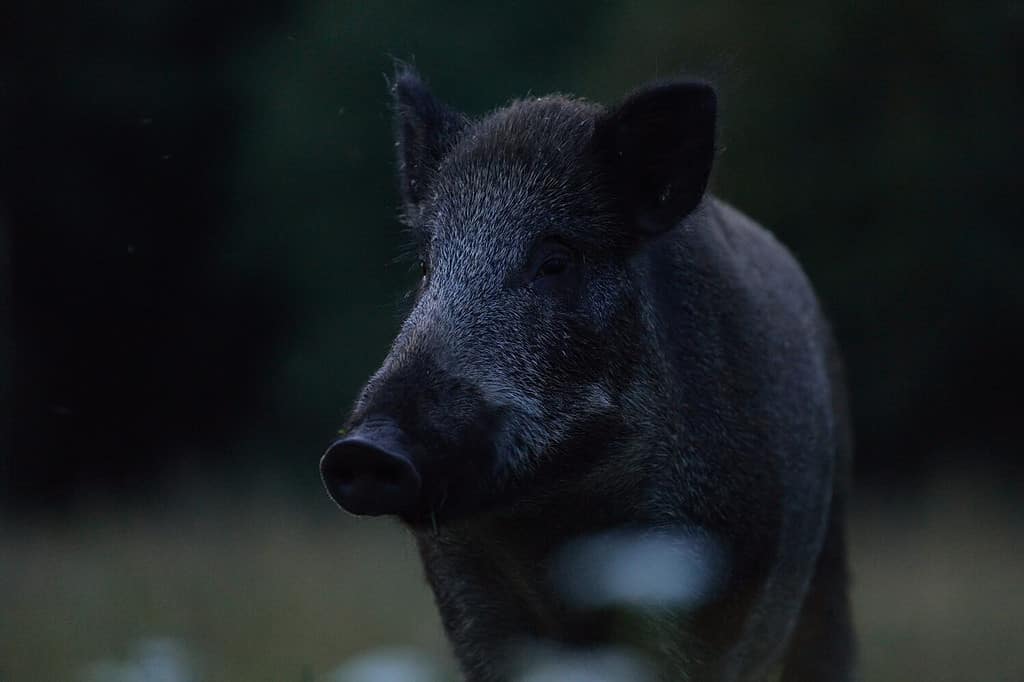
The wild boar would kill the honey badger or send it fleeing.
©Erik Mandre/Shutterstock.com
A wild boar would win a fight against the honey badger. Some people are inclined to think the honey badger is an unstoppable force of nature. However, this matchup and existing videos of the interactions between these animals suggest the boar would win the fight.
The boar is simply too big and powerful for a honey badger to reliably kill. Knowing this, the honey badger would probably get a few bites in before realizing it’s better to leave and live to fight another day.
The honey badger has a powerful bite, but it’s limited by the size of its mouth. It would not be able to open its jaws wide enough to bite down on the wild boar’s skull or neck. At least, it probably could not land a bite anywhere that would disable the boar without compromising its own position.
Sure, the honey badger could try biting or clawing the boar’s underside. Yet, that would put it under a creature that can outweigh it by ten times. The wild boar has a combination of tusks and power that it could use to break the honey badger’s bones.
So, the honey badger probably can’t kill a large boar without some incredible luck. Meanwhile, the boar may not be able to catch the fast and agile honey badger very easily. However, the boar could use its weight and raw power to overwhelm and hurt the creature, using its tusks to break bones or puncture the critter’s flesh. The most likely outcome is the boar chases the honey badger away, or it charges over the honey badger and badly damages it before the smaller creature dies or flees.