
Quick Take
- A gazelle mother’s split-second counterattack shows that even prey animals can fight back with remarkable speed, timing, and protective instinct when a young animal is threatened.
- Gazelles are more than fast runners: their combination of agility, alert vision, herd behavior, and constant vigilance helps them survive against some of Africa’s most formidable predators.
- Even highly adapted animals face real danger in the wild, especially during events like the Great Migration, when predators can exploit confusion in large herds to isolate vulnerable individuals.
As you noticed in the footage, fiercely protective instincts extend beyond the human race. This gazelle mother encountered a dire situation when an eagle swooped in, attempting to scoop up her baby with its sharp talons. It was nearly successful, but the adult gazelle intercepted the eagle at the last moment. Lowering its head and getting into a powerful stance, the gazelle charges and head-butts the large bird of prey. The eagle was forced to release the fawn before it ascended.
The clip was very impressive, especially when shown in slow motion. The gazelle had the speed to land a strong strike while evading the eagle by leaping out of its path. Gazelle might be a prey animal, but they aren’t pushovers. So, continue reading to learn more about this formidable antelope species and what makes them unique members of the animal kingdom.
What Makes Gazelles Unique?

Gazelles have a unique combination of size, speed, intelligence, and vigilance.
©iStock.com/StuPorts
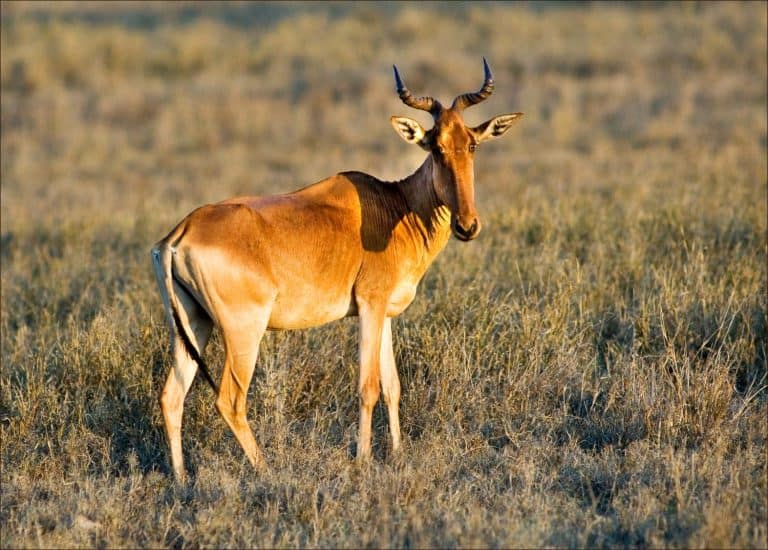
Gazelles are small antelopes native to Africa and Asia. They are known for their impressive speed, agility, and leaping ability. Gazelles are also regarded for their intelligence and vigilance. Depending on the species, gazelles can range widely in size, with some weighing up to about 165 pounds, and some species can run at roughly 50 miles per hour. This combination of intellect, speed, and alertness makes gazelles a slippery prey species for predators on the hunt.
How Are Gazelles So Alert?

Gazelle herds can reach enormous sizes, up to 700 members.
©iStock.com/Tobie Oosthuizen
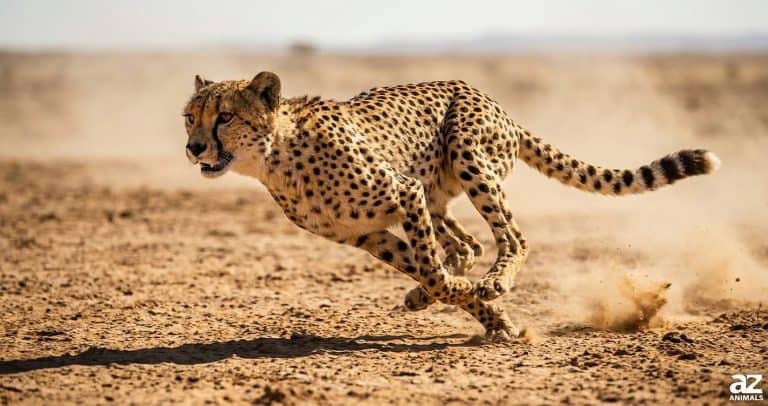
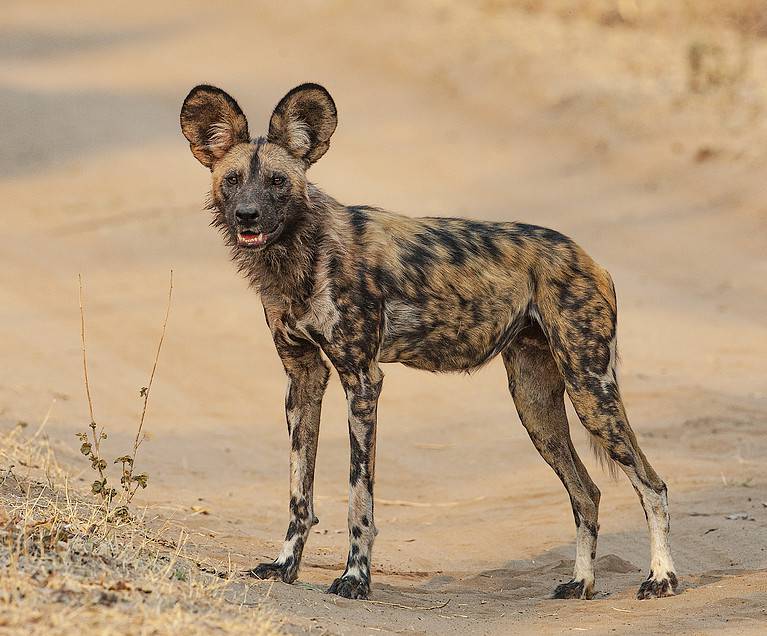
Gazelles are social creatures that assemble in large herds that can reach hundreds of members. Some groups can reach up to 700 individuals! Constantly on the move, gazelles have adapted to meet the many challenges of their environment. They must contend with fierce predators like lions, cheetahs, hyenas, crocodiles, African wild dogs, and more. With apex predators like that on the prowl, these antelopes must remain vigilant.
What Challenges Do Gazelles Face in the Wild?

While their speed and agility are a significant help, gazelles are also known for their tremendous vision. They have large eyes on the side of their head, so not much gets past them. However, there are moments during the year when they are more vulnerable, despite how alert they may be. In the Serengeti-Mara ecosystem, species such as wildebeest, zebras, and Thomson’s gazelles take part in the seasonal movement known as the Great Migration. Adept hunters can use this opportunity to target weaker individuals. Social hunters like lions, for example, will attack herds from different angles, forcing the large group to splinter. When that occurs, predators can pick off individual members.