
Quick Take
- One animal on this list is the only venomous primate on Earth, and it happens to look exactly like something you'd want to hold. Meet the venomous primate →
- A fuzzy, teddy-bear-like creature on this list can send you into anaphylactic shock, and most people's first instinct is to reach out and touch it. See the shocking caterpillar →
- One of these animals can inflict pain so severe it outlasts conventional painkillers, yet it is usually dismissed as a harmless novelty. Discover the platypus venom →
You can never judge a book by its cover, no matter how cute it might be. And if you make that mistake with these animals, it could be one of the most painful experiences you’ll ever have. If nothing else, these animals prove that just because something looks friendly, it doesn’t mean it actually is.
From venomous cuddly cuties to hidden claws, these animals have fooled many people into thinking they’re harmless. And while they seem innocent, approach with caution—many of them are more dangerous than they look.
Anteaters
In many cases, an anteater prefers to avoid conflict. Nine times out of ten, they flee the scene rather than putting up a fight. But when threatened, anteaters are fully capable of defending themselves. The same four-inch, razor-sharp claws anteaters use to dig into anthills can also be used to defend themselves against predators.
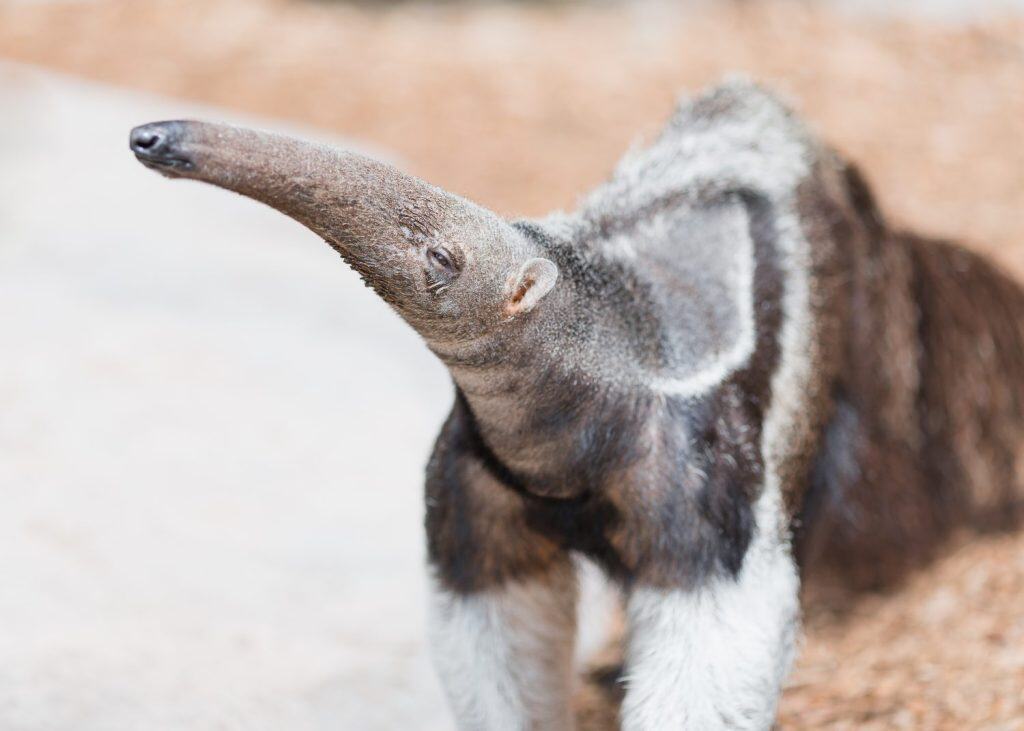
Anteaters use the same tool for defense as they do for digging.
©Luci Valentine/Shutterstock.com
They’ve been known to inflict deep, fatal wounds on humans who have gotten too close. In defensive mode, they stand on their hind legs, making them far larger than they would be on the ground. As they do, they use their full arm span to swipe, slice, and cut their attackers. This is typically a defense mechanism used against jaguars and pumas, but it can do significant damage to a human. The kicker? They have poor eyesight, which means their attack is unpredictable.
Flannel Moth Caterpillar
Caterpillars, as a whole, are deceptive. They’re colorful, bright, and, in the case of the flannel moth caterpillar, fuzzy and cute. This caterpillar is also known as the asp or puss caterpillar, but is more commonly known as one of the most venomous caterpillars throughout North America.
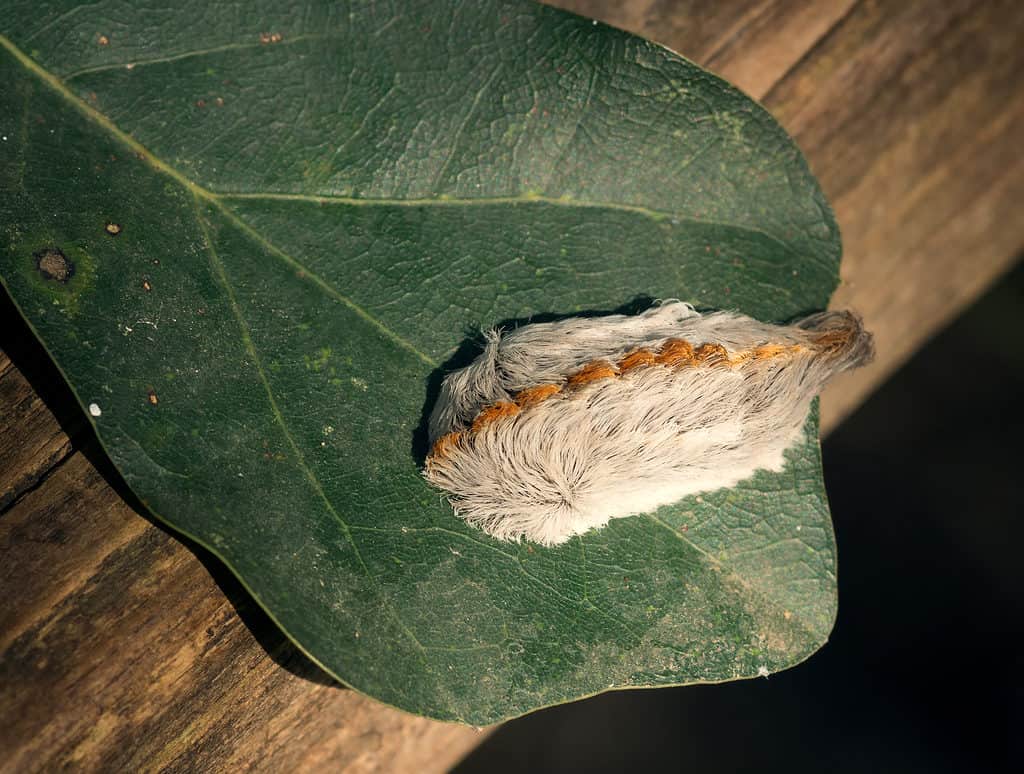
An asp sting is comparable to a wasp or bee sting.
©IrinaK/Shutterstock.com
This caterpillar is covered in venomous hairs that inject a cytotoxin-like venom into the skin. The sting has been described as an intense, red-hot, stabbing pain, but the affected area is usually no larger than a pinprick. The sting can even be severe for some, resulting in anaphylactic shock for those most sensitive to its toxin. One thing is for sure: This is not one caterpillar you want to brush up against, no matter how teddy-bear-like it is.
Sea Otters
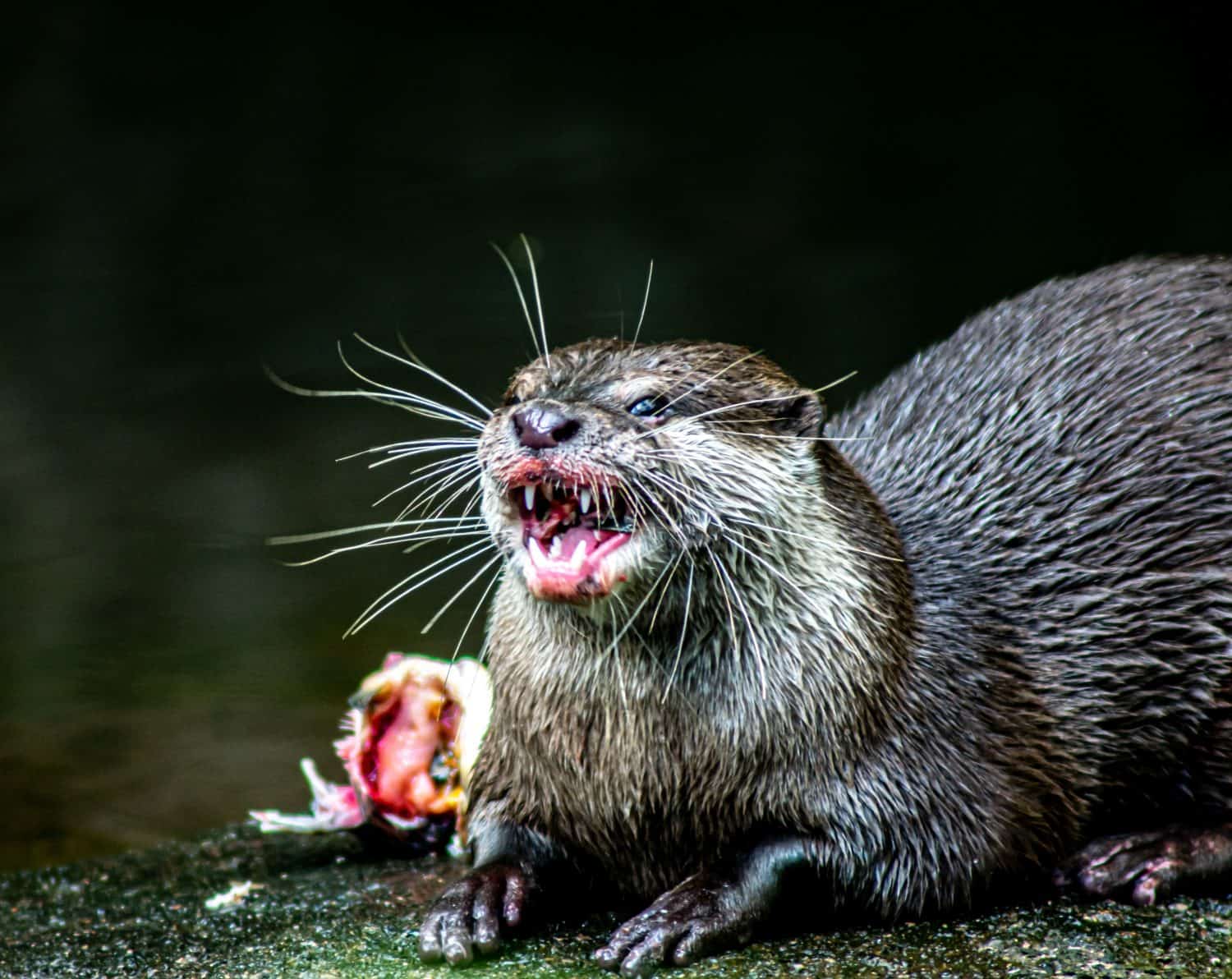
These adorable animals have become one of everyone’s favorites. Between their cute faces, furry bodies, and playful nature, what’s not to love? And most of the time, sea otters won’t bother humans and don’t view them as threats. But that doesn’t mean they’re not capable of doing some damage if they feel threatened.
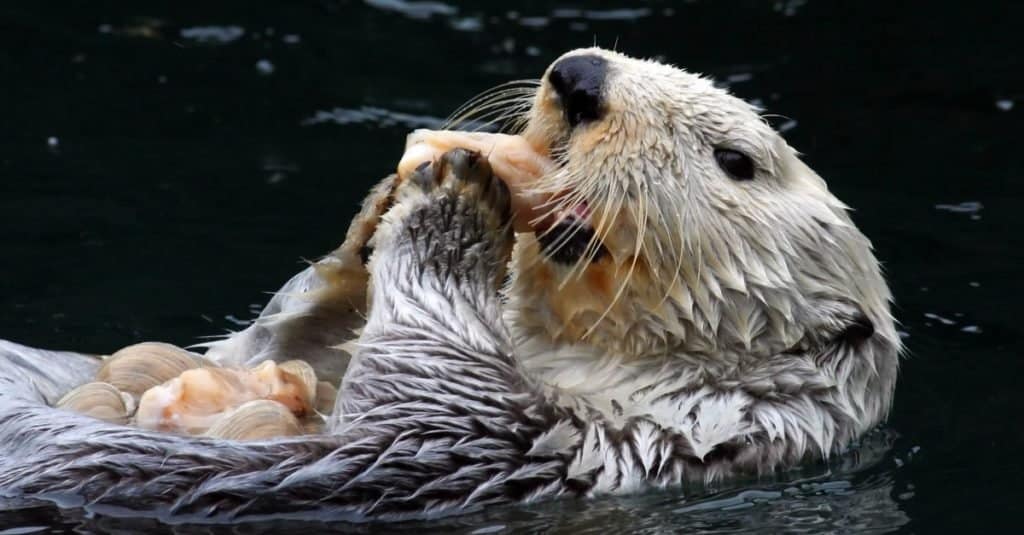
Otters are mostly harmless, but can be defensive when cornered.
©Kirsten Wahlquist/Shutterstock.com
Sea otters have extremely strong jaws and teeth, which are used to crush hard shells and smash rocks. When threatened, these also become their biggest weapon. They’ve been known to attack dogs and other animals that encroach on their territory, and experts recommend keeping a distance of at least 60 feet, or five kayak lengths. If you’re bitten, not only will it hurt, but sea otters may also pass on a slew of bacteria or parasites.
Parrots
While many bird lovers keep parrots as pets, “domesticated” does not mean they’re not wild animals. Parrots can easily become familiar with their owners, which does create a bond. However, they’re also prone to irritable behavior and aggression if they feel cornered.
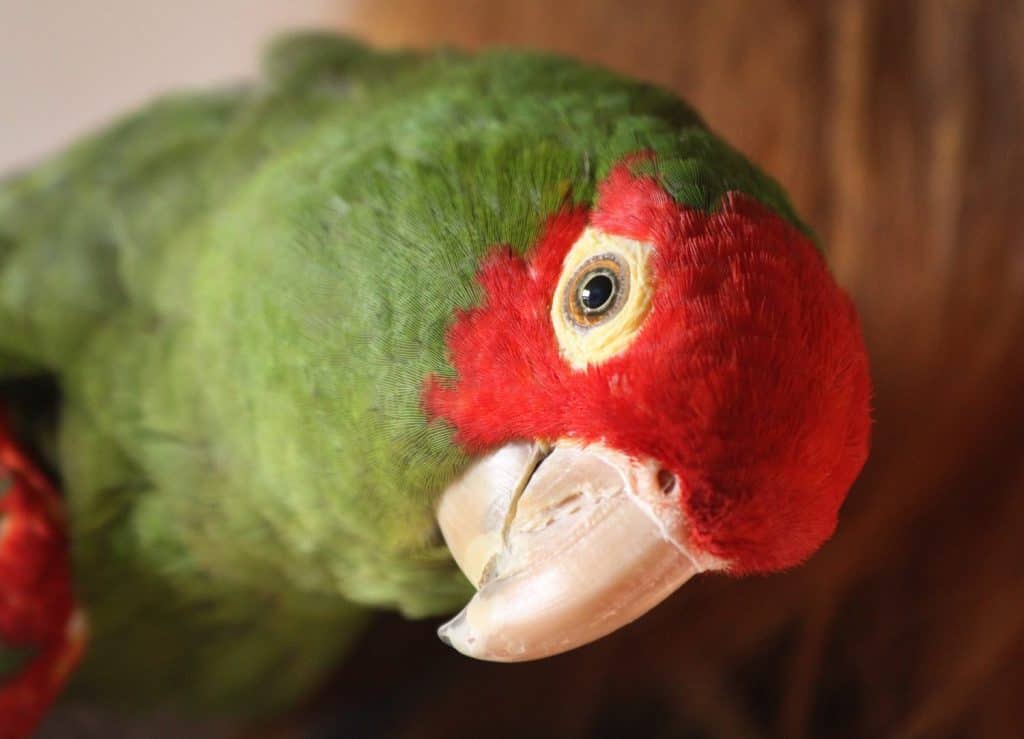
Parrots may become accustomed to humans, but that doesn’t mean they aren’t feisty or unpredictable.
©Jolanta Beinarovica/Shutterstock.com
Their greatest weapon is their beak, which is primarily used to crush nuts, seeds, and shells. When turned on a predator, these beaks can also cause significant damage. They’re sharp enough to break skin, cause deep puncture marks, and even crush fingernails if your hands get too close.
Platypus
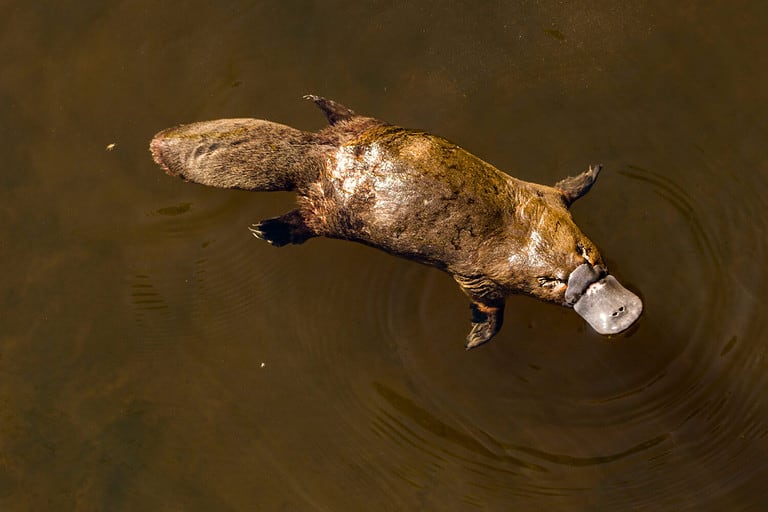
Stuffed animals make this species look cute, but beneath its adorable exterior hides a venomous secret. While female platypuses are mostly harmless, males have venomous spurs on their hind legs that can deliver a painful sting. These spurs contain venom that can cause severe pain, swelling, and weakness.
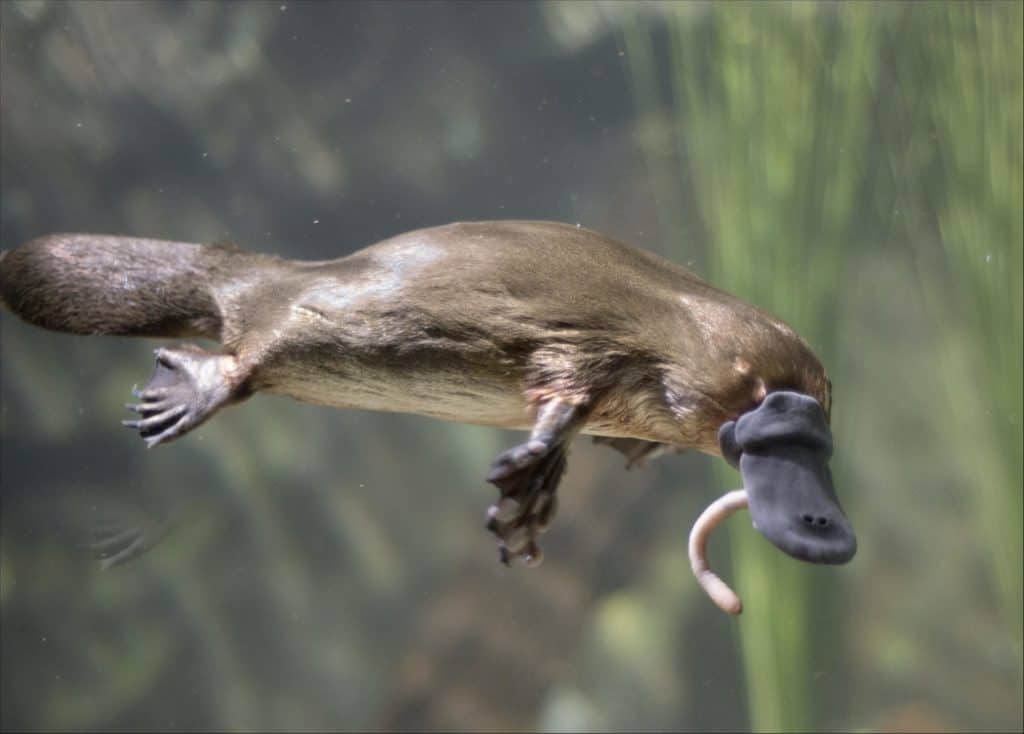
Male platypuses can deliver a venomous jab.
©John Carnemolla/Shutterstock.com
While the sting is usually not fatal, it can persist for months. In some severe cases, the pain can be resistant to conventional painkillers. The good news is that platypuses are not aggressive, although males can become territorial during mating season. The bad news is that this is also when their venom production is at its highest.
Slow Loris
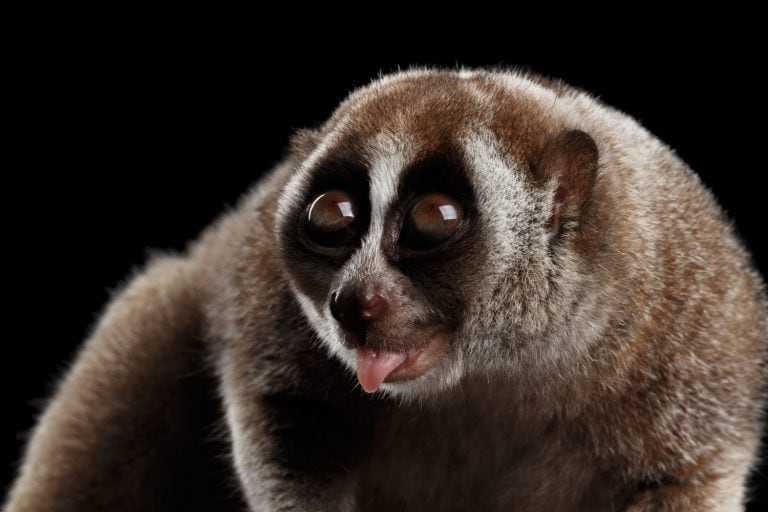
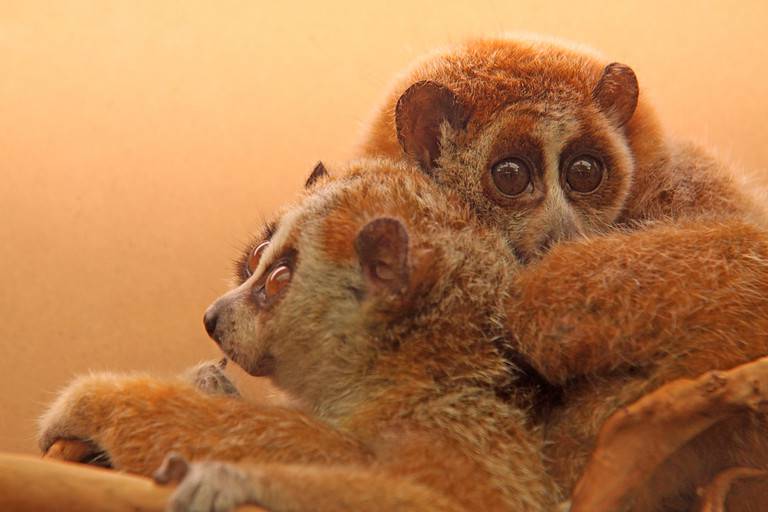
The slow loris looks like your typical primate from the outside, but it also carries the title of being the world’s only venomous primate. While they can be handled with care, slow lorises can quickly become dangerous if they lick their arm glands.
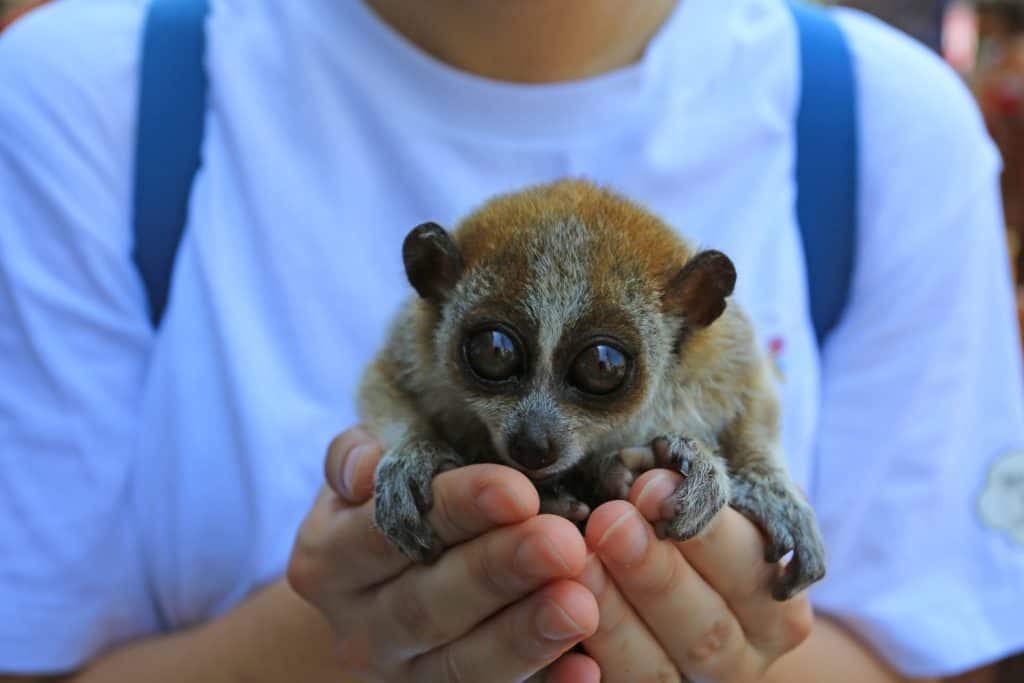
Known as the only venomous primate in the world, the slow loris is only cute in appearance.
©Lewis Tse/Shutterstock.com
These glands secrete an oily venom, which the slow loris delivers through a bite. The slow loris has specially grooved canines that function as injectors, making the bite not only painful but also toxic. If bitten, humans may experience intense pain, burning sensations, systemic allergic reactions, or even anaphylactic shock. While this tissue-rotting bite is typically used to defend territory, a slow loris will not hesitate to bite when it feels threatened.
Honey Badger
One animal that has deceived more people than any other member of the weasel family is the honey badger. Made famous for its sweet name and cute face, it’s also one of the most fearless among its kind. When threatened, honey badgers use sharp teeth and razor-like claws to defend themselves.
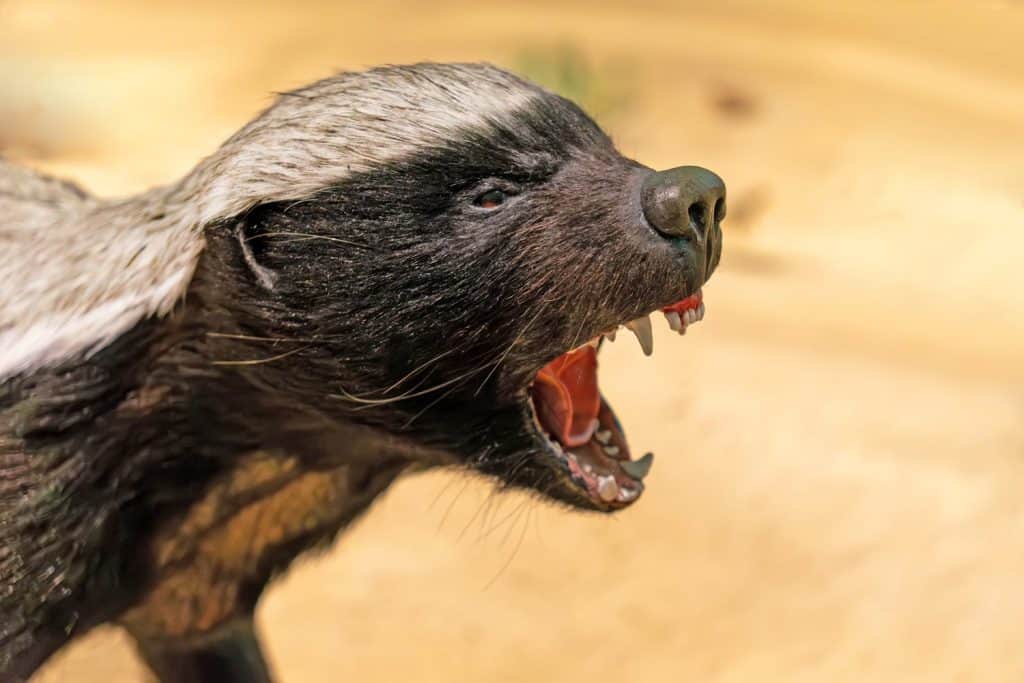
Honey badgers are ruthless fighters and won’t back down if threatened.
©Melnikov Dmitriy/Shutterstock.com
They don’t often tangle with humans, but when they do, they usually win. While a honey badger’s first instinct is to run, its second is to lash out in an all-out attack. They’re relentless predators and will swipe and bite with everything they have in an intense display of power.