
Michigan is home to some of the country’s largest and deepest lakes. With borders on four of the five Great Lakes, this state is a veritable water wonderland. These waters provide a multitude of recreational activities, but are they safe? With 1.22 drowning deaths per 100,000 people, according to the CDC, they’re not 100% safe. But just how dangerous are Michigan Lakes? Read on to discover amazing facts about the dangers of this state’s lakes.
Are Michigan Lakes Dangerous?
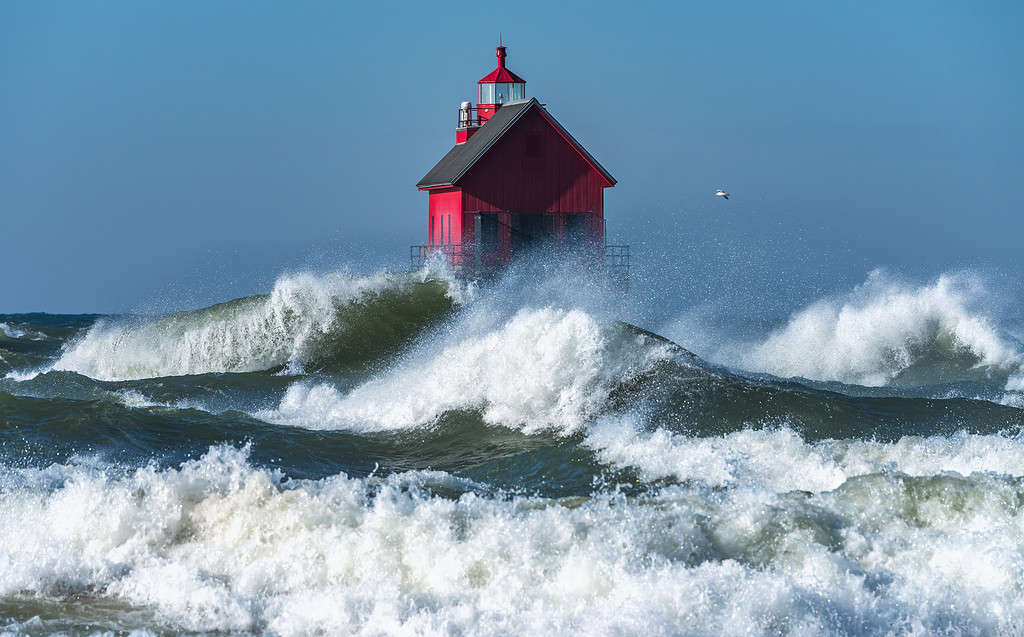
Waves, like the ones at Grand Haven Lighthouse, can make Lake Michigan dangerous.
©Meybruck/iStock via Getty Images
Just what makes a lake dangerous? There are several factors to consider in answering this question. For instance, high pollution levels constitute a danger to swimmers’ health and safety. Another factor is the strength of Michigan lakes’ currents. Among other considerations, the number of drownings in Michigan lakes also contributes to their inherent danger.
While Michigan lakes have several invasive species of fish, none of this aquatic life poses a danger to humans. While other states have lakes that are home to alligators, sharks, or other treacherous water life, Michigan lakes are relatively safe in this regard. Perhaps one of the most dangerous lifeforms in Michigan’s lakes is cyanobacteria, a type of algae that can cause skin irritations.
Can You Swim in Michigan Lakes?
Yes, you can swim in Michigan lakes if you’re aware of their conditions. Many of the lakes in this state — including the Great Lakes — have very cold water temperatures. Lake Superior in particular has an average water temperature of merely 52 degrees — even in August. Even on 90-degree days, the water’s low temperature could cause hypothermia.
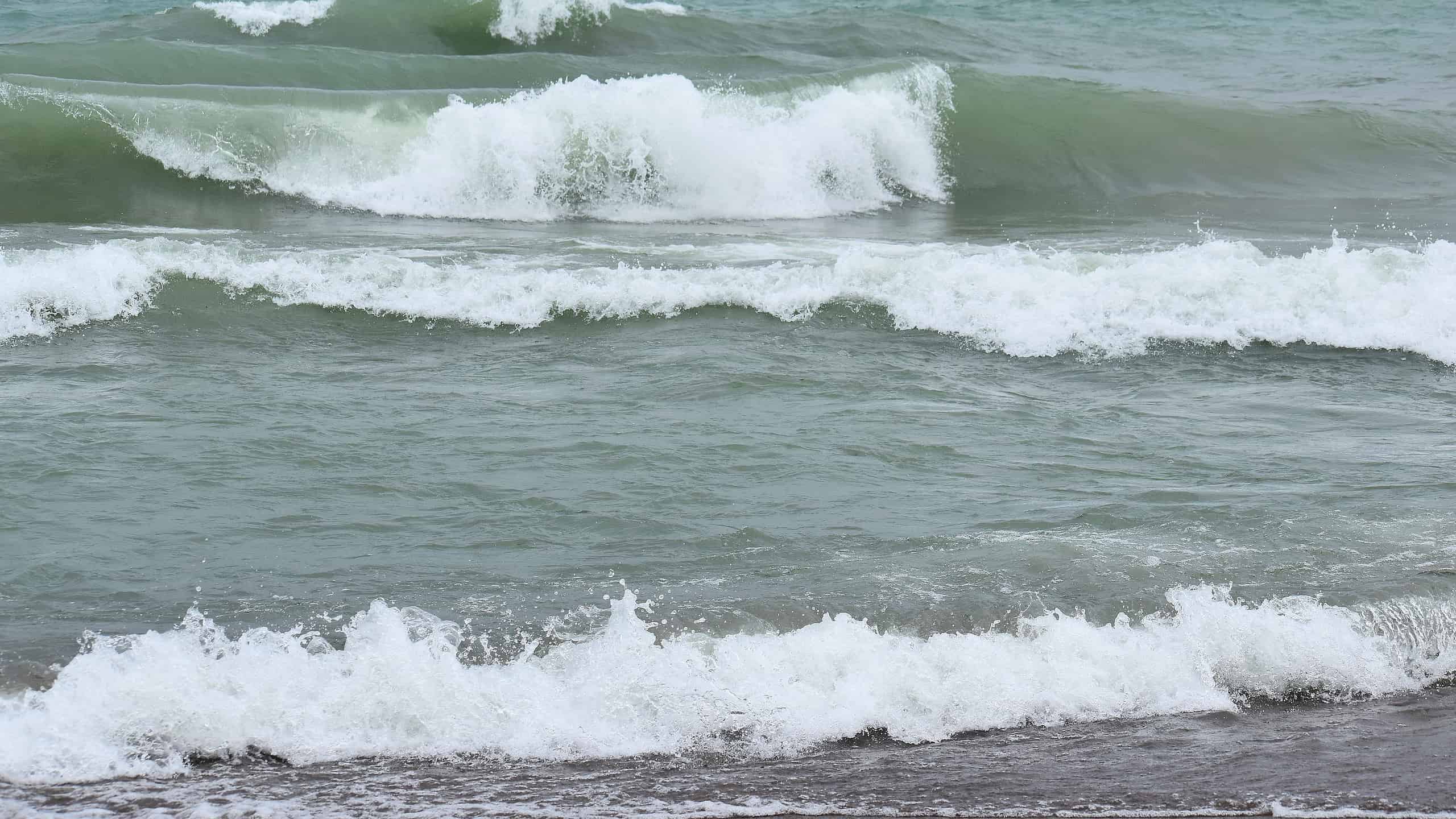
Another condition that is critical to consider is the presence of dangerous currents. In particular, the Great Lakes are rife with currents due to their unique characteristics. For example, cold weather fronts and gusting winds often move through the Great Lakes area, causing large waves that can reach 6 feet or more, often resulting in rip currents.
These waves differ from ocean waves in that they’re closer together. When big, powerful waves come crashing down one after the other, it’s often too difficult to stand up after being knocked down.
While people swim in Michigan lakes, they do so at their own risk. Swimming in one of these beautiful bodies of water can be relaxing and fun, but it’s important to be mindful of the conditions. Since 2002, 450 drownings attributed to dangerous waves and currents have occurred in the Great Lakes, and each year there are about 12 current-related deaths and 25 rescues.
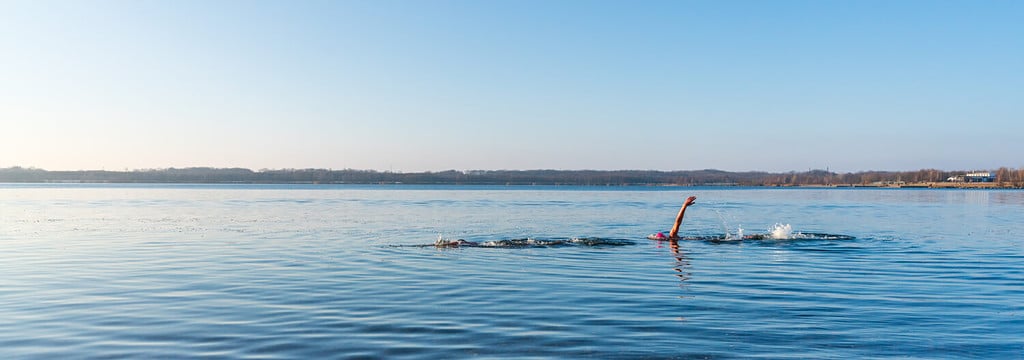
You can swim in Michigan lakes as long as you’re aware of potential dangers.
©DZiegler/Shutterstock.com
Which Michigan Lake is the Most Dangerous?
Two of Michigan’s lakes have made the list of the five most dangerous lakes in the country. While Lake Erie came in at number five, Lake Michigan made the number one spot with 72 drowning deaths and four people in critical condition due to drowning in 2023 alone. Of the 962 Great Lakes drowning fatalities since 2010, almost 50% occurred in Lake Michigan.
Lake Michigan is also the site of numerous shipwrecks. The swift currents, frequent storms, and powerful, high waves have caused at least 1,500 ships to sink to the lake’s bottom over the years. Lake Superior has had its share of shipwrecks too — about 550 — with waves having been recorded as high as 30 feet! Altogether, the Great Lakes have over 6,000 shipwrecks lying in their cold, dark depths.
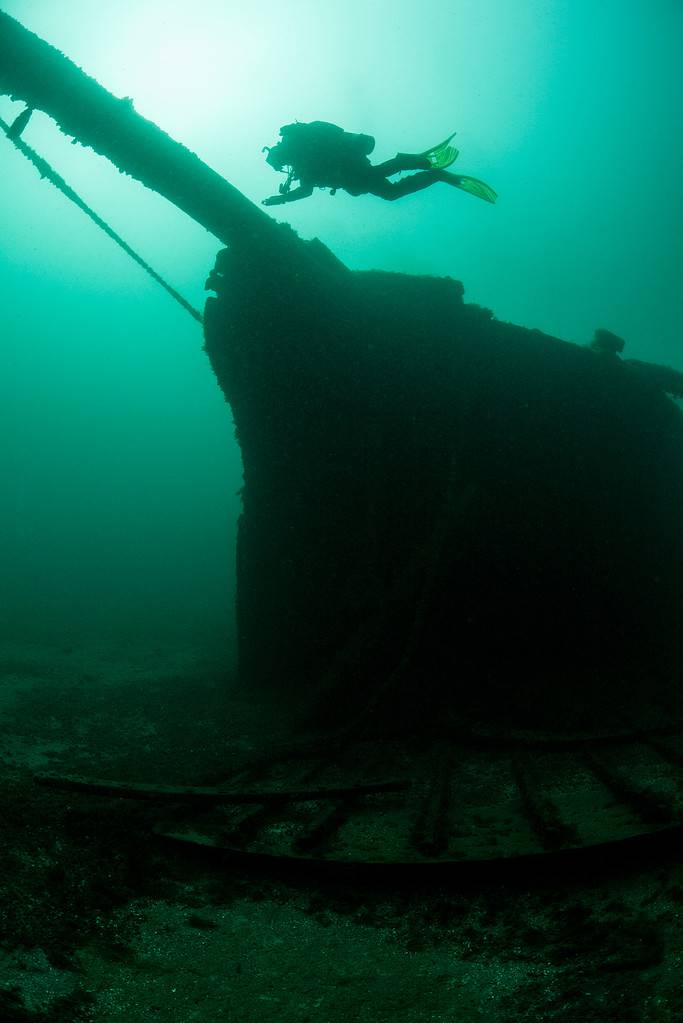
Shipwrecks at the bottom of Lake Michigan are preserved by the extreme cold.
©Velvetfish/iStock via Getty Images
Are There Hidden Dangers in Michigan’s Lakes?
While drowning can be a risk for swimmers in Michigan’s lakes, there are other dangers that aren’t so obvious. Stunningly, there were 79 Michigan beaches in 2019 that were unsafe due to hazardous levels of bacteria. In 2022, 63% of Great Lakes beaches were unsafe for at least one day that year.
Some of the bacteria found in these “unsafe” Michigan lakes can cause skin rashes, swimmer’s ear, and diarrhea. If you choose to swim in any lake, it’s essential to keep your mouth and eyes shut while swimming, shower when you get home, and seek medical treatment if you have any itching, tingling, burning, or pain after swimming.

One of the potential dangers lurking in some of Michigan’s beaches is hazardous bacteria levels.
©iStock.com/Manjurul
Conclusion
While Michigan has some of the most beautiful lakes in the country, you have to be cautious and aware of your surroundings when swimming, fishing, or boating on them. First, remember to check the Great Lakes forecasts by zone for swimming conditions. Second, listen for any warnings about high levels of E. coli or other bacteria in any of the lakes. Finally, always use common sense when participating in any water activities on the lake.