
Quick Take
- CWD can spread for years before a single symptom appears, which is precisely what makes containing it so terrifying. How silent spread works →
- Prions don't behave like any ordinary pathogen, and that's exactly why this disease is nearly impossible to eradicate from a farm or forest. Why prions defy eradication →
- The newly infected Hillsdale farm sits in a county where wild deer already carry the disease, though officials say that connection may not mean what you'd expect. Hillsdale's existing CWD presence →
- The CDC weighs in on whether hunters should worry about their own health, and their answer is not without a catch. Human health risks explained →
The Michigan Department of Agriculture and Rural Development (MDARD) announced on October 20, 2026, that a case of chronic wasting disease (CWD) was detected in a farmed cervid on a Hillsdale County farm. Cervids are in the deer family and include white-tailed deer, elk, and moose. Officials have placed the farm under quarantine and are currently investigating the case.
State Veterinarian Dr. Nora Wineland, DVM, MS, DACVPM, said in a statement, “While regular surveillance leads to early detection and is a fundamental piece of the response effort, MDARD’s ongoing collaboration with herd owners, their veterinarians, and our federal partners is crucial to managing the disease for the long-term.” She continued, “Ensuring the health of Michigan’s farmed cervid population has been and continues to be a team effort.”

Chronic wasting disease was first detected in Michigan’s wild deer population in 2015.
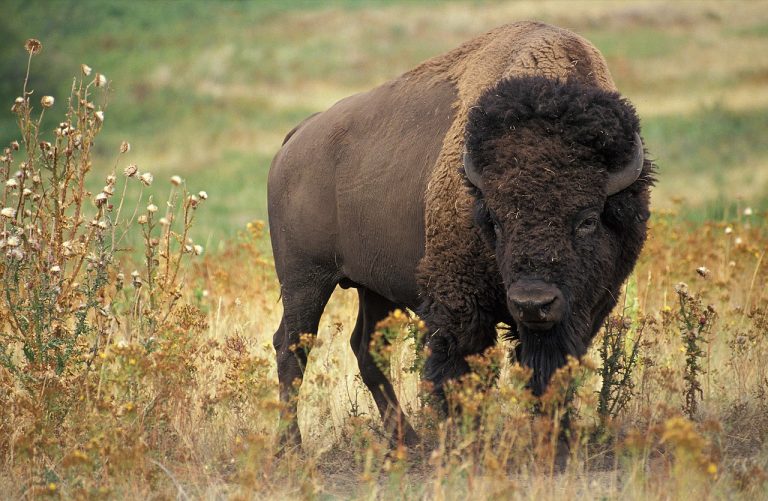
©WendyCotie/Shutterstock.com
What Does Chronic Wasting Disease Do to Deer?
CWD is a fatal neurological disease that affects animals in the deer family (Cervidae). It’s not caused by a virus or bacterium, but by infectious proteins called prions. Prions are abnormal, misfolded proteins that attack an animal’s brain and nervous system.
Animals may get infected through contact with infected animals or indirectly through a contaminated environment. Sometimes known as a “silent killer,” animals can be contagious with CWD for years before symptoms appear.
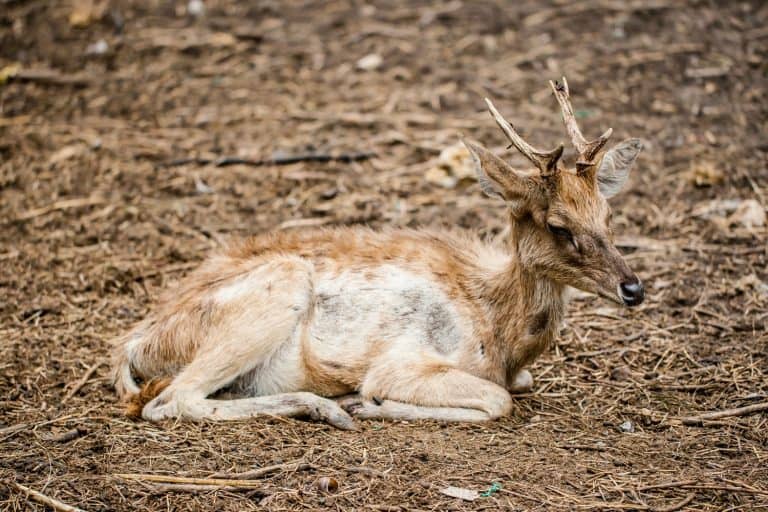
Once an infected deer begins showing symptoms, they will experience weight loss, loss of coordination, and behavioral changes. The disease eventually causes death. According to the CDC, there are no reported cases of humans contracting the disease. However, they do advise against eating meat from CWD-positive animals.
Hillsdale County Already Has CWD in Wild Deer
This isn’t the first time cases involving farmed deer were detected in the state. Officials reported previous cases on farms in Calhoun, Kent, Lake, Mackinac, Mecosta, Montcalm, Newaygo, and Osceola counties.
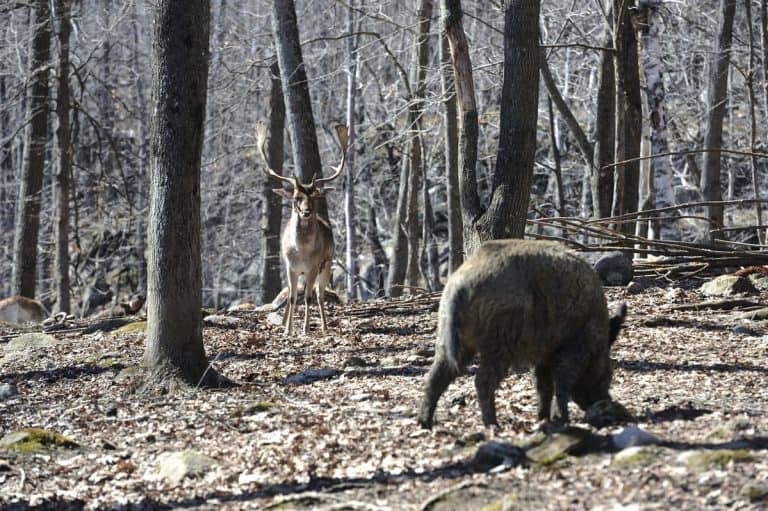
Officials have also confirmed CWD in wild deer throughout the state. Before the October announcement, Michigan officials had previously reported CWD in wild white-tailed deer in 18 counties, including Hillsdale. However, the existing cases do not provide evidence of any connection between the newly infected farm animal and previously known cases.
Further investigation is needed because CWD can spread rapidly through wild populations. Once the environment is contaminated, the disease can persist and continue to infect other animals.
Why CWD Is Difficult to Contain
CWD creates a particularly difficult biosecurity challenge for wildlife and agricultural management. Once prions get into the soil and water, they remain infectious for many years. There is no easy way to eradicate prions, which are passed from infected animals into the environment, where they can be picked up by other passing animals.
Further, CWD has no known cure. Quarantine and disease surveillance are critical in helping officials investigate potential exposures and reduce further spread.