
Quick Take
- One routine veterinary procedure was historically lethal for whippets, and the reason comes down to a biological quirk that most owners don't know about. See the drug metabolism risk →
- Most people are wrong about the leading cause of death in whippets, and knowing the truth could change how you manage your dog's care. Discover the real leading causes →
- One whippet in the UK reportedly blew past the breed's expected lifespan by a jaw-dropping margin, though the story comes with a catch. Read about Jess's record →
- Whippets rank among the healthiest purebreds, yet their narrow jaws set them up for a tooth-loss problem most owners never see coming. See their dental vulnerabilities →
The Whippet is an athletic, medium-sized sighthound developed in England for hunting small game and racing. Known as the poor man’s racehorse, whippets have lightning-fast acceleration and can reach speeds of up to 35 miles per hour (mph). Whippets have a slim profile, a deep chest, a tucked-up abdomen, and an arched back. They stand from 18 to 22 inches tall at the shoulder and typically weigh between 25 and 40 pounds. Their coat is short, fine, and sleek, in a wide array of colors, from solid white and fawn to brindle and black. A whippet’s lifespan depends on several factors, including genetics, nutrition, and exercise. Keep reading to learn everything you need to know about their longevity. how long whippets live.
Whippet Lifespan
Whippets have an average lifespan of 12 to 15 years. This relatively long life expectancy is due to the breed’s naturally fit build, though their longevity is highly dependent on a combination of factors, including genetics, routine veterinary care, and exercise.

Whippets can run up to 35 miles per hour.
©Liliya Kulianionak/Shutterstock.com
What Are the Most Common Causes of Death in Whippets?
The most common cause of death in whippets is heart failure. Whippets are genetically prone to cardiac issues like mitral valve disease or mild heart murmurs. Regular screenings with a veterinary cardiologist can identify and treat these conditions early, which can prolong your pet’s life.
Because of their naturally low body fat percentage, whippets cannot safely metabolize certain drugs, including traditional anesthetics. Before modern, safer anesthetics were available, whippets often died during routine surgeries, such as routine teeth cleanings.
As sighthounds, whippets’ extreme speed and strong prey drive make them prone to accidents if they are off-leash in unsecured areas.
How Old was the Oldest Whippet?
With proper care, whippets can live a long life. Many believe that reaching 15 years old is a good age for the breed, though this depends on lineage, care, and environmental factors.

What you feed your Whippet is essential to their overall health. Many people believe that a raw diet is the best thing you can do for your Whippet.
©madaise / Creative Commons – Original
Jess, a whippet from the U.K., was featured by Taylor Vets of Brackley, West Northamptonshire, for reportedly reaching 23 years of age, though this has not been independently verified as an official longevity record.
Do Whippets Have Health Problems?
Although whippets are generally considered to be among the healthiest of all purebred dogs, they are still genetically predisposed to a variety of health conditions.
Their naturally thin skin and low body fat leave them susceptible to cuts, scrapes, and tears. Whippets are also slightly more prone to genetic eye conditions like Progressive Retinal Atrophy (PRA) and corneal dystrophy.
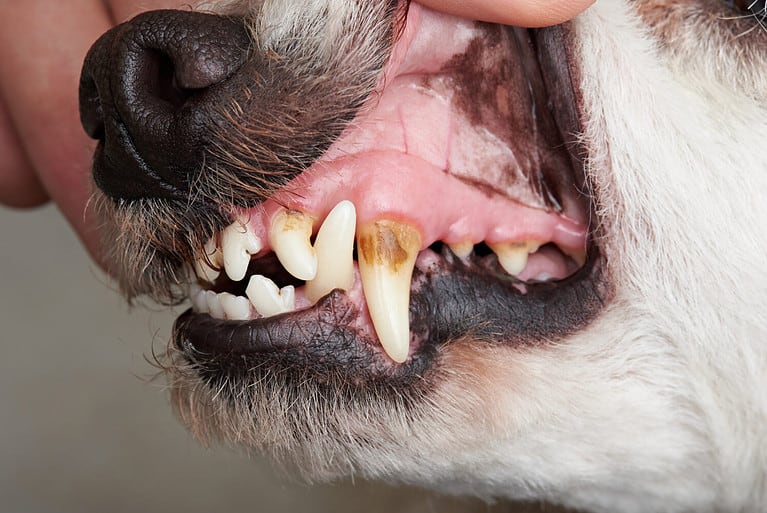
Whippets are genetically predisposed to oligodontia, a condition where a dog is missing multiple teeth. In most cases, missing a few teeth does not cause pain or serious health issues. However, if many teeth are missing, it can impair their ability to chew food properly.
Whippets are also prone to early tooth loss from periodontal disease. Because whippets have long, narrow jaws, they face rapid tartar buildup and gum recession, which can cause them to lose healthy teeth prematurely.