
Quick Take
- The method used to hide 200 live animals inside a single suitcase is stranger than you'd expect, and it nearly went undetected. See the concealment method →
- The price gap between what each lizard cost and what it could fetch in Japan reveals just how explosive the exotic reptile black market really is. Explore the price gap →
- One specific lizard species drove the entire operation. Its rarity and geography make it unlike almost anything else in the pet trade. Meet the species involved →
- The tip that unraveled the smuggling plot raises a question the article doesn't fully answer: who knew, and why did they talk?
When you go through customs at an airport, there are many rules and regulations you have to follow. Some of these regulations pertain to animal transport. A recent story of a man bringing approximately 200 live lizards into Japan shocked many people due to the sheer number of reptiles involved. This Instagram post by @hoodratchetv offers more details.
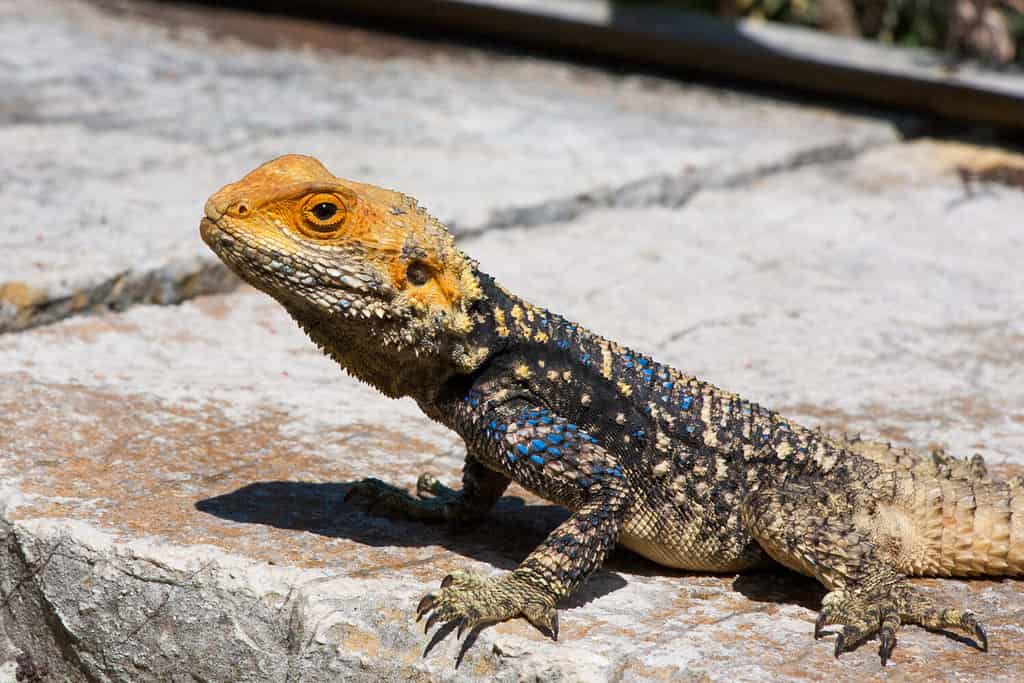
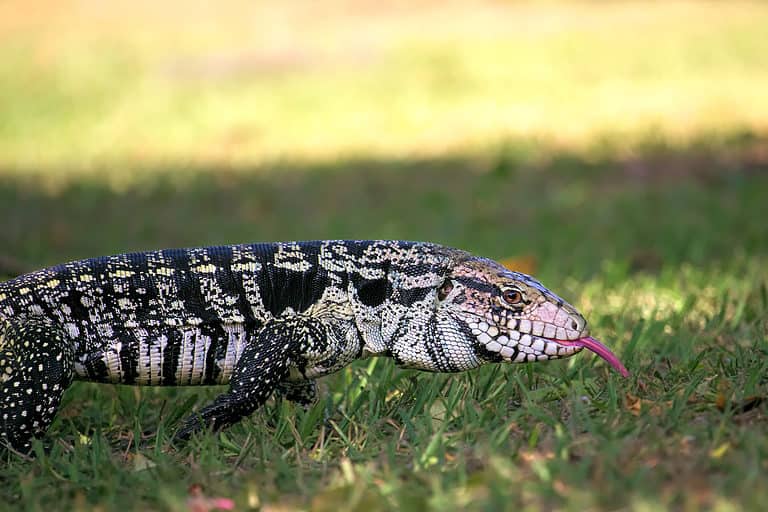
Lizards are a massive commodity in the exotic reptile trade because of their rarity and unique and distinct coloration.
©Klaus Brauner/Shutterstock.com
Lizard Trafficking
Near the beginning of August, Japanese customs authorities got a massive surprise. Twenty-three-year-old Daniel Issac Velasco Baltazar, who had arrived at Haneda Airport in Tokyo, Japan, from South Korea, was found to have roughly 200 live lizards inside his suitcase. Prior to his arrival, investigators had received an anonymous tip that a man was planning to smuggle lizards into the country for a reptile exhibition. After finding the man, investigators quickly began to search his suitcase. The conditions inside were shocking. The lizards were squeezed between 22 pairs of socks, which were concealed among other clothing, and unfortunately, one of the lizards had died. Reptile trafficking is a surprisingly big business. As exotic pets, there is a large market for them.
Authorities confirmed that at least nine of the lizards were Mexican alligator lizards and are still working to confirm the other species. Mexican alligator lizards inhabit a special mountain and forest region in Mexico and Central America. Baltazar reportedly purchased the animals in Mexico for as little as ¥560 to ¥750 each — roughly $3.50 to $4.70 — to resell in Japan for about 100,000 yen each, or roughly $630. The rarity of the lizards is part of the appeal. Their unique coloration and geographic range make them desirable for reptile enthusiasts. This story highlights the unfortunate scale of the exotic animal trade.