
Quick Take
- Box turtles have biological traits that make trafficking especially devastating. Even when a species is not considered rare, removing adults can still severely damage local populations. See why slow reproduction matters →
- The damage smuggling inflicts on turtles runs much deeper than what's visible on arrival, and not every rescued turtle gets a happy ending even with expert care. See the hidden toll on turtles →
- One Brooklyn case exposes just how lucrative the illegal turtle trade has quietly become, and the disguise used to ship 850 live animals across the world is stranger than it sounds.
- Rehabilitating a confiscated turtle involves far more than a vet visit, and the intake process reveals just how much coordination it actually takes to give a smuggled animal a second chance. Explore the full intake process →
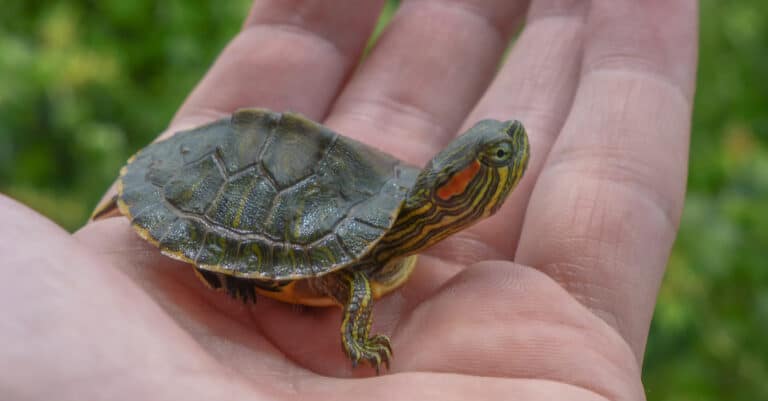
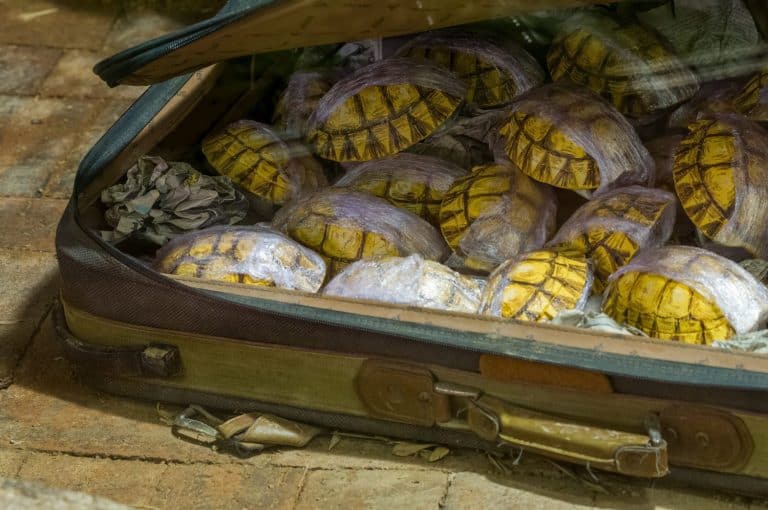
Trafficking turtles is big business. A Brooklyn man shipped around 850 live turtles, mostly eastern and three-toed box turtles, to Hong Kong between August 2023 and November 2024. He stuffed them inside socks that were packed in boxes labeled ‘plastic animal toys.’ The value of these turtles on the black market is around $1.4 million. He was arrested and pleaded guilty in August 2025.
This is just one of many cases involving the illegal trafficking of box turtles. However, thanks to the efforts of the Bronx Zoo, turtles confiscated during law enforcement busts are nursed back to health and released into the wild.
Since October 2024, the zoo, working in partnership with the U.S. Fish and Wildlife Service (USFWS), has helped rehabilitate more than 800 turtles saved from illegal wildlife trafficking in the United States. Here’s what it takes to help give smuggled turtles a second chance.
Continue reading
An Unprecedented Surge in Illegal Turtle Trafficking
USFWS says the illegal turtle trade in North America has been a problem for years. However, recent numbers are higher than ever before.
In 1996, Wildlife Conservation Society zoos and aquariums in New York City received around 100 confiscated animals to rehabilitate. By 2025, that number skyrocketed to more than 500 annually. While that number included all wildlife—such as birds, mammals, reptiles, fish, and corals—a large proportion were turtles.
Which Turtles Are Confiscated?
Since October 2024, WCS’s Bronx Zoo has rehabilitated more than 800 North American box turtles. The species include the eastern box turtle, three-toed box turtle, ornate box turtle, and Florida box turtle. Other species, such as diamondback terrapins, spotted turtles, and Gulf Coast box turtles, have also been treated.
The zoo says nearly all appear to have been caught in the wild, rather than bred in captivity. However, exact origins are difficult to pinpoint. What is easier to identify is the harm that illegal trafficking causes to the smuggled turtles.
How the Turtles Suffer
Many of the confiscated turtles arrive at the zoo severely dehydrated, injured, and emaciated. They also suffer from infectious diseases contracted during poor holding and transportation conditions.
“The Wildlife Conservation Society’s Bronx Zoo plays a critical role in combating the illegal wildlife trade by partnering with law enforcement agencies to provide triage, quarantine, veterinary care, rehabilitation, and placement for confiscated turtles and tortoises,” Kevin Torregrosa, WCS Bronx Zoo Curator of Herpetology, said in a press release announcing the rehabilitation statistics.
“Our expertise allows us to stabilize and care for these animals while supporting ongoing investigations and helping ensure they ultimately have the best possible future.”
Turtle Treatment Explained
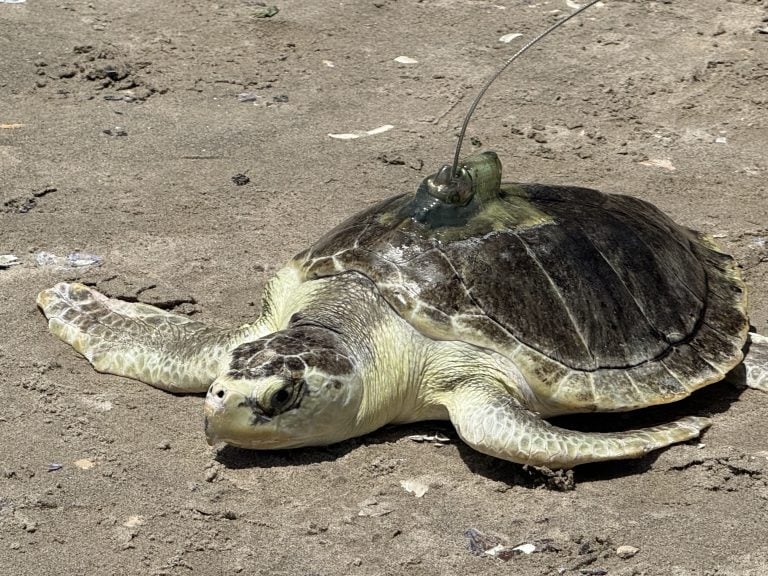
Once a turtle arrives at the zoo, veterinarians and animal husbandry experts examine each animal and assess its condition. They also administer fluids, provide medical care, document injuries, record the turtle’s weight, confirm the species and sex, and test for disease. Once all the intake work is done, the turtle is assigned a temporary number and placed into rehabilitation or quarantine as needed.
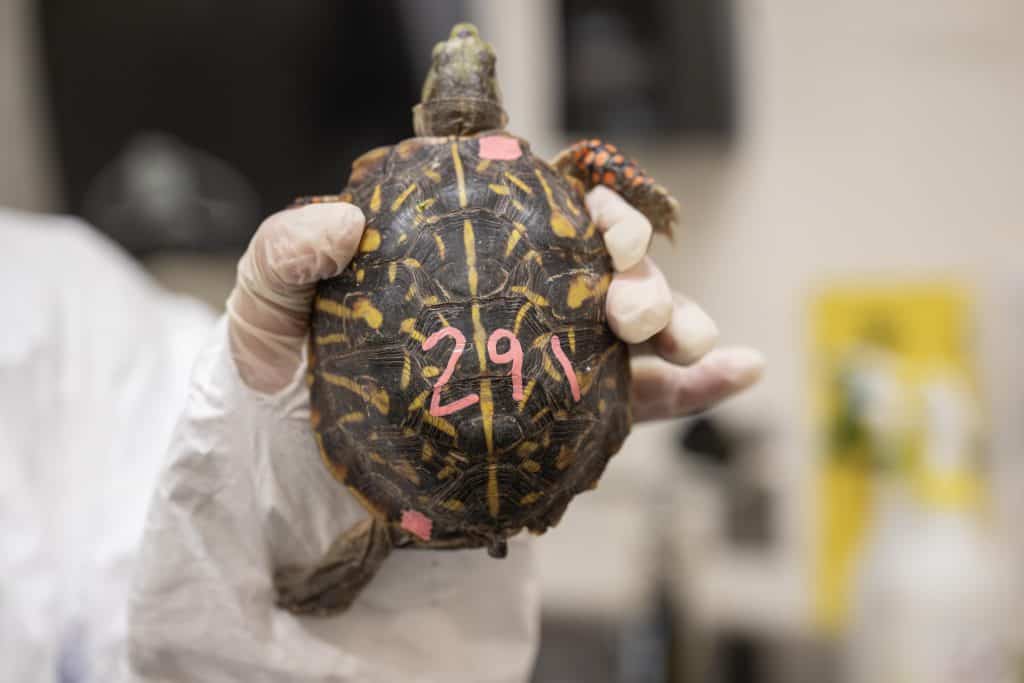
One of hundreds of turtles brought to the WCS Bronx Zoo for rehabilitation after being confiscated by the federal government. The number is temporary and used to track individual turtles.
The majority of turtles that arrive at the zoo respond well to treatment. Unfortunately, for some turtles, it isn’t a happy ending. Some succumb despite the best efforts of the care team. Other turtles are euthanized when their injuries or illnesses make recovery unlikely and continued suffering cannot be prevented. Some turtles have already died by the time they arrive at the zoo.
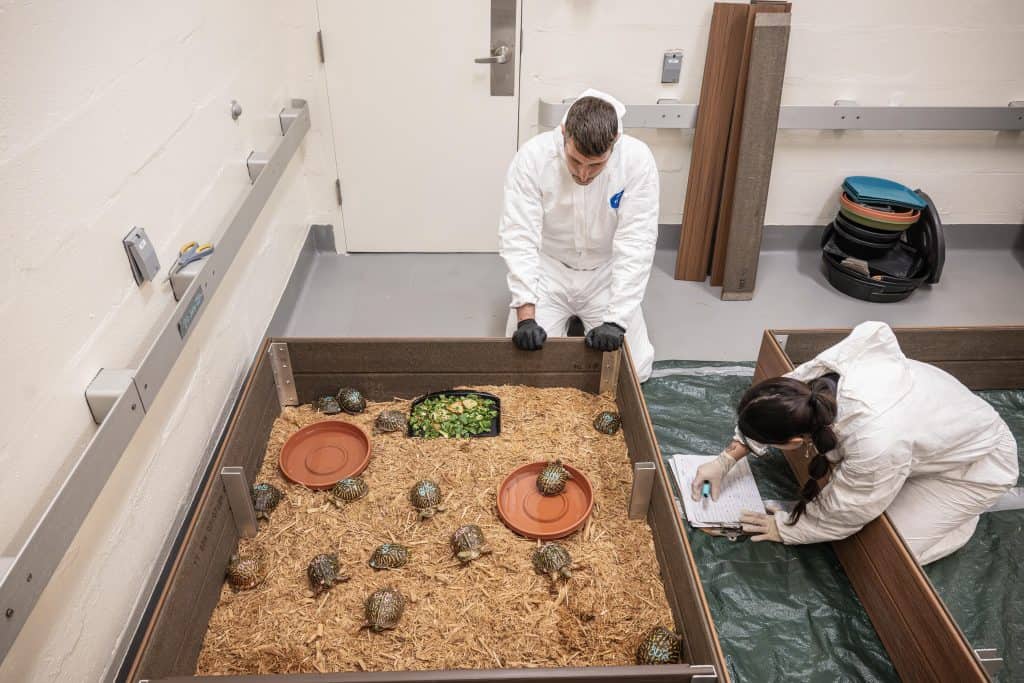
The veterinary care team examines each confiscated turtle that is brought into the zoo.
Once the turtles are healthy again, they are moved to final locations according to USFWS protocols, which take into account species, health status, case circumstances, and legal requirements.
Some turtles are placed at accredited zoos or conservation organizations. Others are returned to protected habitats in the wild.
The Danger to Box Turtle Populations
It isn’t just the individual turtles captured for trafficking that suffer. Box turtles are particularly vulnerable because of their low reproductive rates and the time it takes for them to reach adulthood. As a result, wild populations cannot reproduce quickly enough to replace the turtles taken by traffickers.
“Box turtles are especially vulnerable because they mature and reproduce slowly,” Torregrosa said in the press release. “Removing large numbers of breeding adults from the wild can devastate local populations. It may take decades—or even generations—for those populations to recover, if they recover at all.”
The Eastern box turtle is already listed as vulnerable on the IUCN Red List. Box turtles are also protected under CITES Appendix II, an international treaty that regulates trade in threatened and vulnerable species. It is illegal to collect or possess Eastern box turtles in New York and New Jersey.
What’s Next?
Rehabilitating and releasing box turtles is one step in a larger conservation effort to protect trafficked species. In 2023, the Association of Zoos and Aquariums launched the Wildlife Confiscations Network. The program pairs accredited zoos and aquariums with USFWS to coordinate care and placement across the United States. This is the program that the Bronx Zoo is part of.
The Wildlife Conservation Society is also pushing Congress to pass the Wildlife Confiscations Network Act. The proposed bill has bipartisan support and would formally establish a system that allows law enforcement to focus on holding traffickers accountable.
The goal of these initiatives is to stop trafficking and protect wild populations before it is too late.