
Quick Take
- Vallarta mud turtle Kinosternon vogti, described in 2018, is one of the most endangered turtles on the planet.
- Fewer than 400 individuals remain in the wild, clustered in a few small wetlands in and around Puerto Vallarta.
- Habitat loss and the exotic pet trade threaten Kinosternon vogti, with live specimens fetching thousands of dollars in the exotic pet trade.
If you travel to the coastal city of Puerto Vallarta, Mexico, you will see crowded beaches, resort towers, and noisy traffic. Hidden in drainage ditches, small ponds, and quiet corners of wetlands lives a small reptile that most visitors never notice. This is the Vallarta mud turtle, Kinosternon vogti, a species only described in 2018. Unfortunately, it is already considered one of the most endangered turtles on the planet.
Scientists now warn that this tiny turtle could disappear within our lifetime if current trends continue. Its home range is small, its wetlands are drying or being filled, and wildlife traffickers have discovered that collectors will pay thousands of dollars for rare individuals. Yet local students, international organizations, and Mexican authorities are working together to keep the species alive long enough for more people to learn its story.
The Tiniest Turtle?
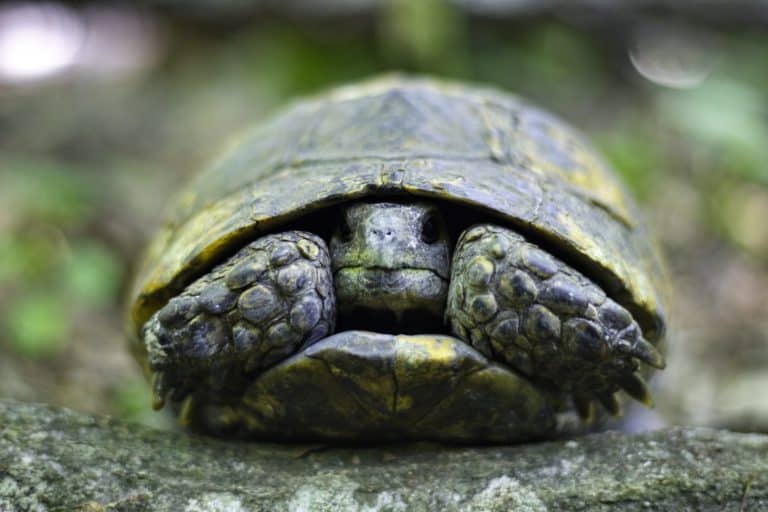
The Vallarta mud turtle is about the size of a deck of cards.
©Agencia Informativa Conacyt / UdeG, CC BY 4.0 , via Wikimedia Commons – Original / License
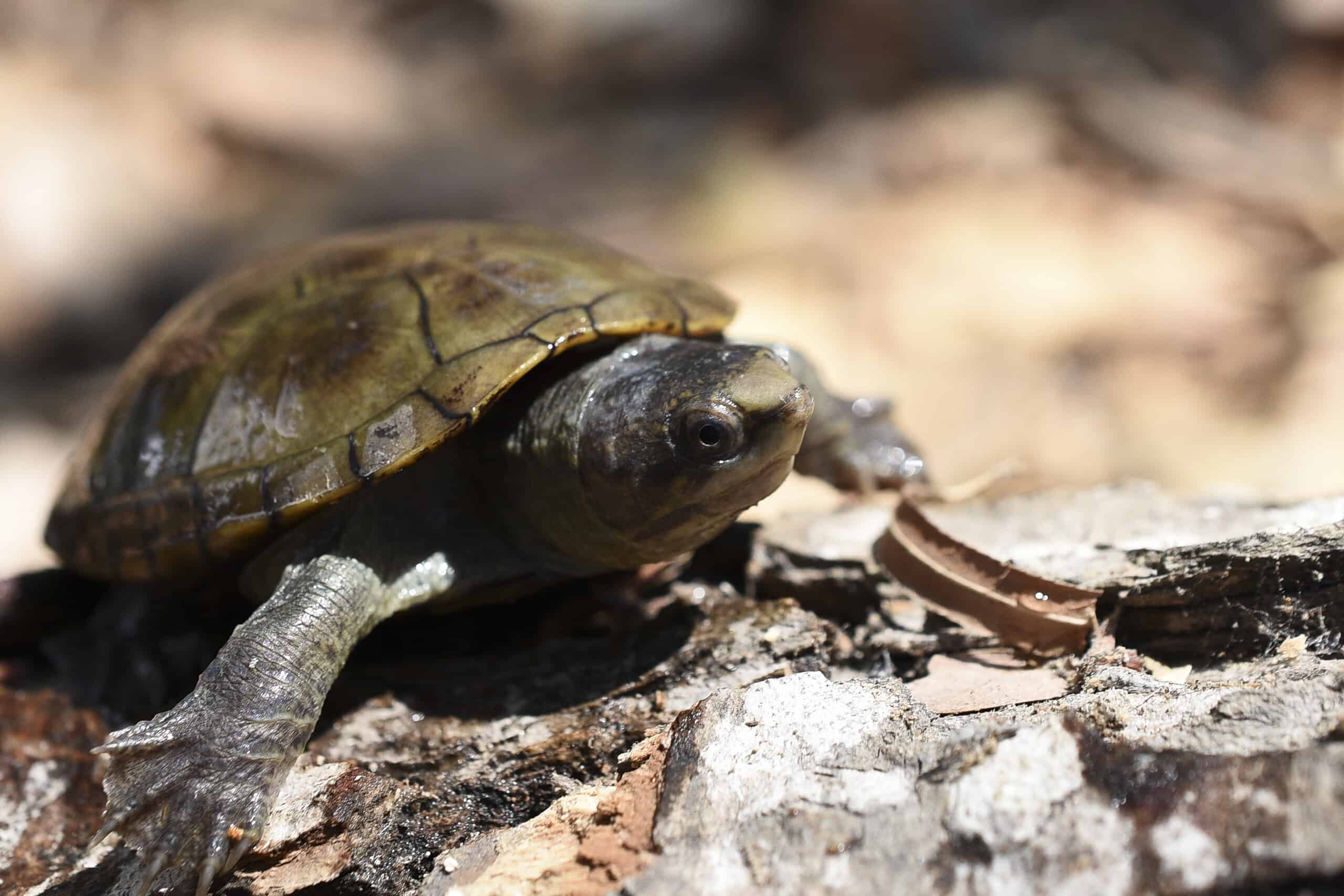
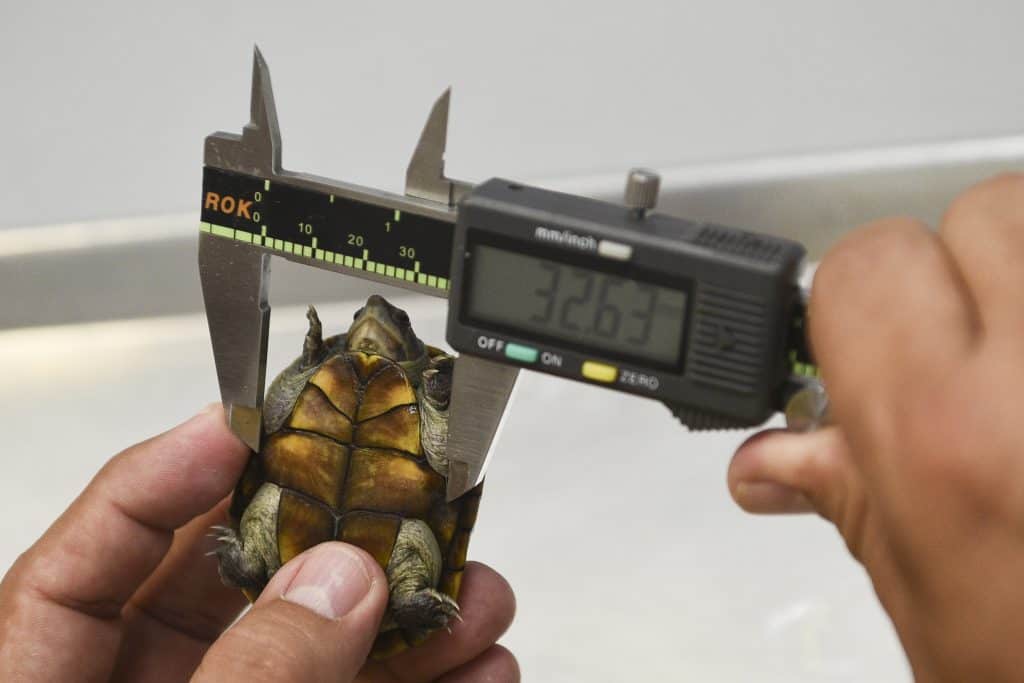
The Vallarta mud turtle is tiny even by small-turtle standards, and that’s exactly why it gets so much attention. Adults usually measure under 3 inches in straight-line shell length and rarely reach 3.5 to 4 inches. This puts them in the same size range as a deck of cards. That scale makes Kinosternon vogti the smallest turtle species known to science.
Their shells are smooth, muted brown. Their color and shape help them slip quietly through shallow, murky water without drawing attention to themselves. Males have a yellow patch on the nose and a long tail tipped with a sharp claw, while females have shorter tails and a rounder, softer outline to the shell.
Habitat and Diet
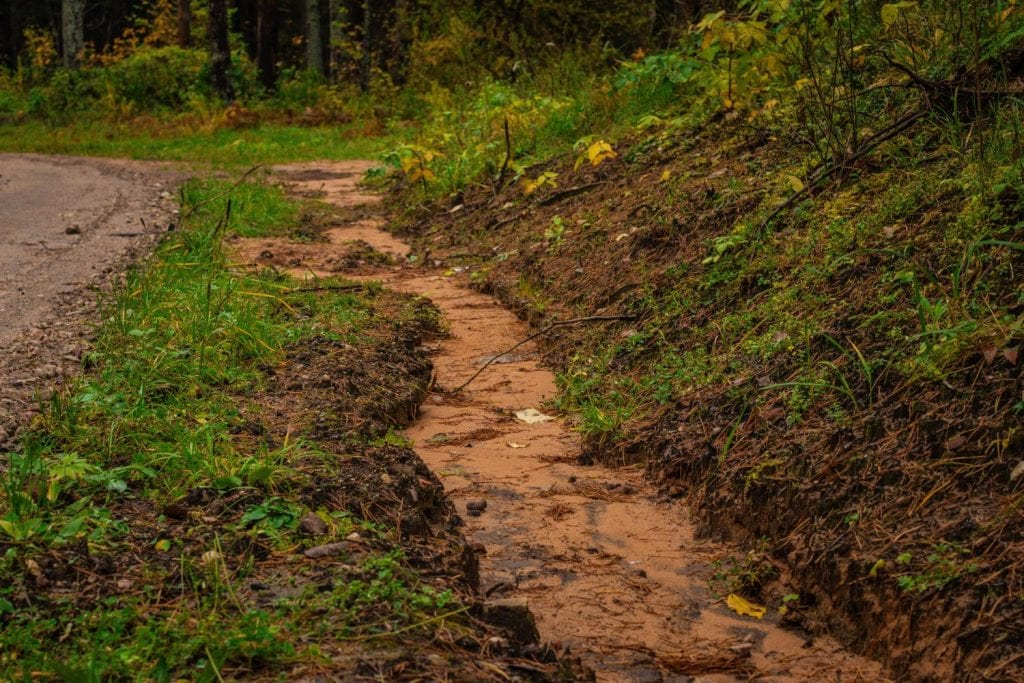
These turtles live in shallow, muddy, sometimes temporary bodies of water.
©Valters Zagata/Shutterstock.com
The Vallarta mud turtle lives in shallow freshwater spots such as temporary lagoons and quiet, slow-moving streams with soft, muddy bottoms it can dig into. During the rainy season from June to October, these wetlands swell with water and life, drawing in small fish, insects, and other invertebrates that become their main food sources. Most turtles stay pressed low against the pond floor, blending into the mud to avoid predators like larger fish, wading birds, and raccoons. Their behavior is careful and slow, focused on hiding rather than roaming, and their diet is a mix of aquatic insects, small fish, carrion, and bits of plant material.
The real test comes in the dry season, from roughly February to June, when many wetlands shrink or vanish entirely. Vallarta mud turtles respond by entering aestivation, a form of dormancy that lets them survive for months underground with very little water. They burrow into moist soil or mud and remain buried for three to five months until the rains return. This strategy evolved to handle normal seasonal drying, but harsher droughts and disturbed habitats make their underground wait riskier than ever.
An Accidental Urban Species
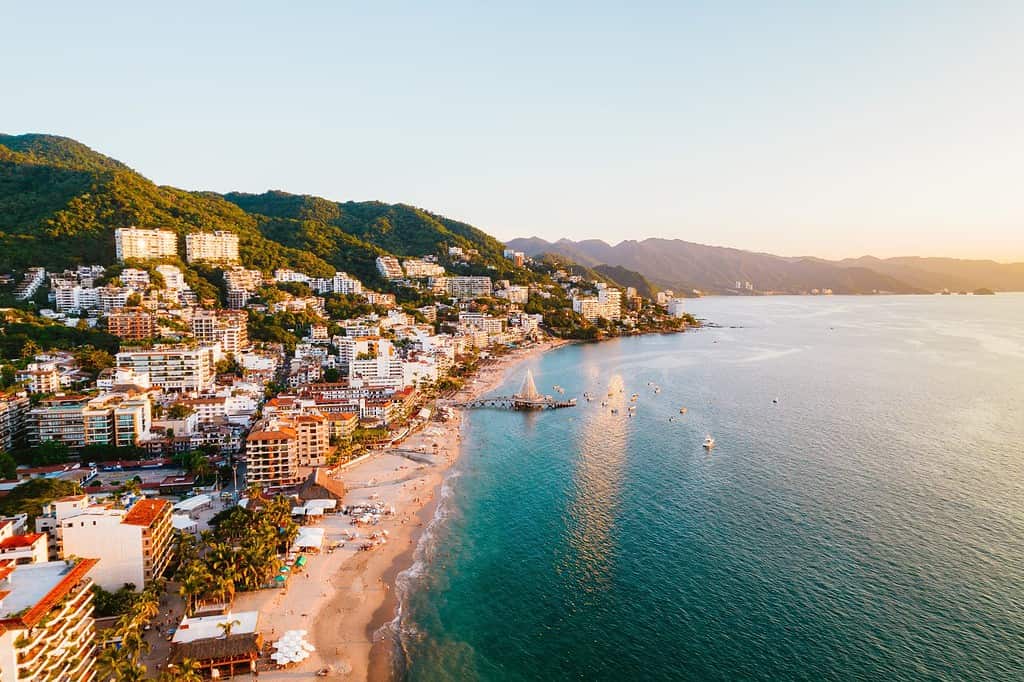
Puerto Vallarta, México, has a lovely coastline.
©Hello Cinthia/Shutterstock.com
Some turtles get hit by cars; the Vallarta mud turtle got hit by an entire city. This species is micro-endemic, living only in a tiny corner of the planet: the Bahía de Banderas Valley on Mexico’s Pacific coast. Its natural range sits almost entirely inside and around Puerto Vallarta in the state of Jalisco, with a few sightings spilling into neighboring Nayarit. Over the past 50 years, Puerto Vallarta has transformed from a small fishing village into a city of about half a million residents that now attracts 2-3 million tourists every year. This has severely constricted the turtle’s habitat.
The valley covers about 100 square miles, but the turtle survives in only about a third of a square mile of scattered wetlands, shallow ditches, and narrow streams. Housing, roads, and resorts press tightly against these last remnants of freshwater habitat. As development spreads, many of these low-lying sites are drained, filled, or polluted. Today, many places the turtle uses aren’t natural at all — they’re cattle ponds, roadside pools, retention basins, and other human-made scraps of water where the species has simply learned to persist. And no part of the turtle’s meager remaining habitat is in an environmentally protected zone.
A Population Counted in the Hundreds
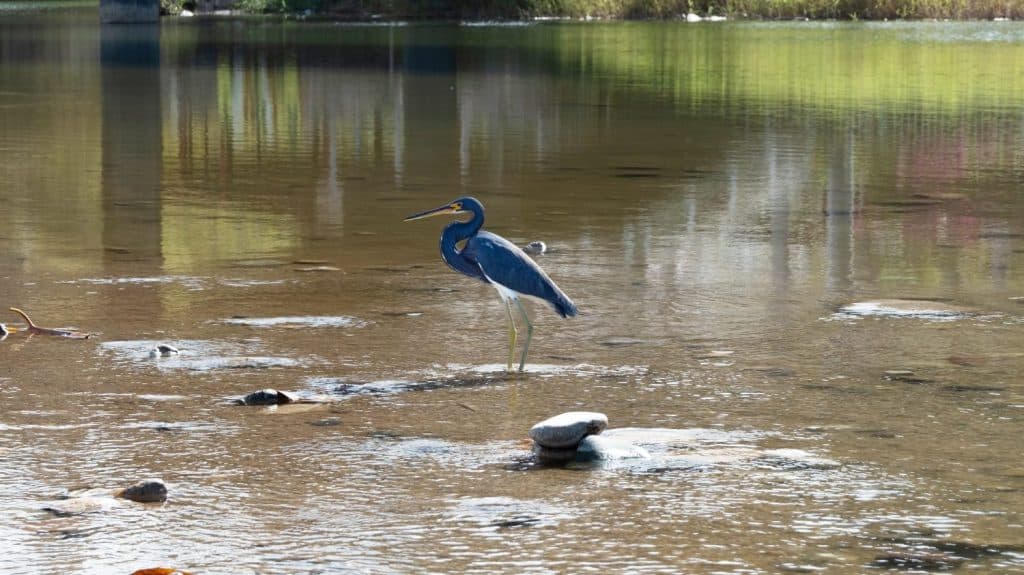
A tricolored heron at the mouth of the Cuale River in Puerto Vallarta. Wading birds are one of the predators that hunt the Vallarta mud turtle.
©Antonio V Photos/Shutterstock.com
Because the turtle lives in turbid water and hides underground during the dry season, estimating its population is difficult. Surveys and recent seizure data suggest that fewer than 300 Vallarta mud turtles remain in the wild, spread across only a handful of small wetlands in and around Puerto Vallarta. Earlier counts suggested up to one thousand individuals, but habitat loss and poaching have pushed numbers sharply downward in the past decade. Conservationists now describe the species as one of the most imperiled freshwater turtles in the Western Hemisphere and possibly the most threatened turtle in Mexico.
Trafficking and the Exotic Pet Trade
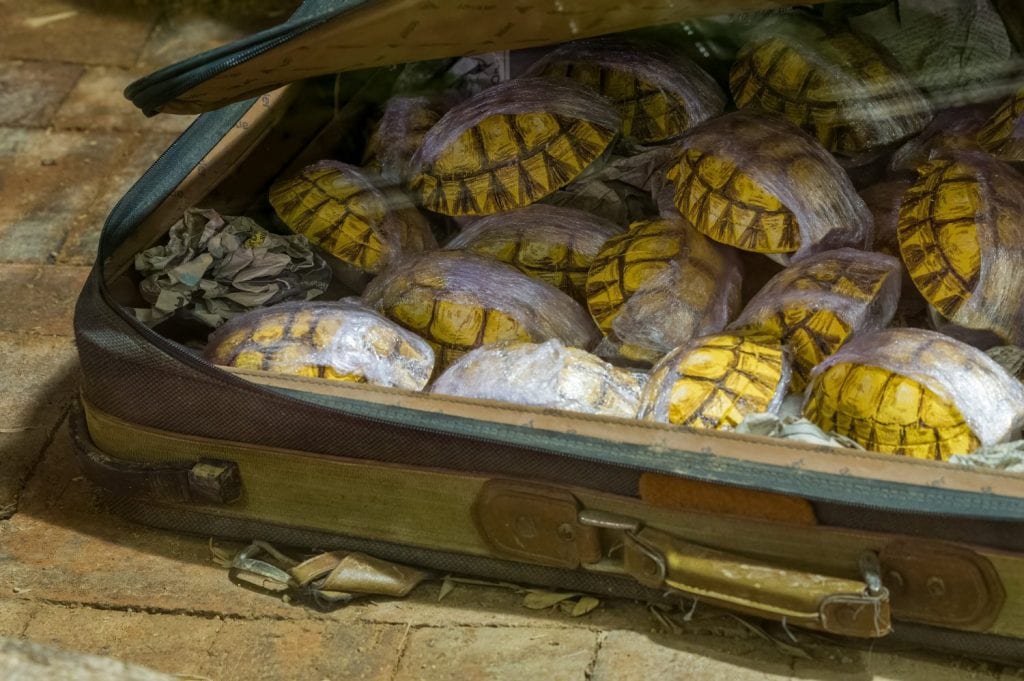
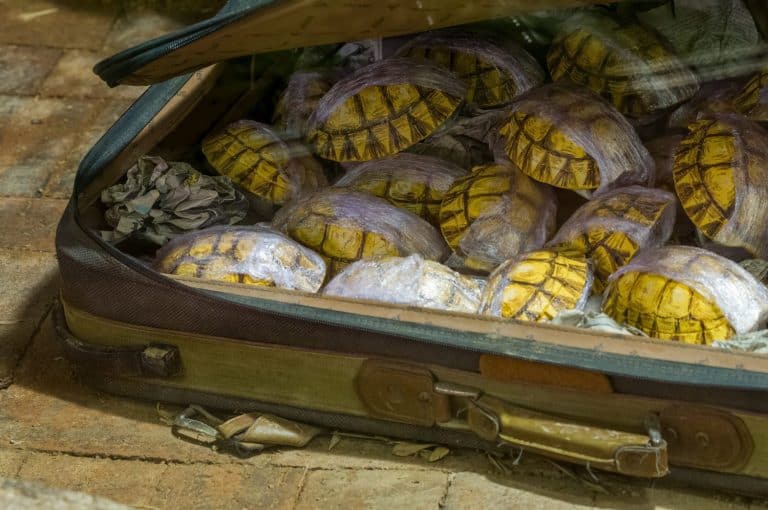
A suitcase of smuggled tortoise shells.
©Rob Thorley/Shutterstock.com
Habitat loss is only part of the story for the Vallarta mud turtle. The species has become a status symbol in the international pet trade, where rare reptiles can sell for thousands of dollars. This demand drives illegal collecting in Mexico. In 2025, men posing as inspectors stole dozens of Vallarta mud turtles from a university lab in Puerto Vallarta, and that same year, authorities seized more than two thousand wild-caught turtles from traffickers in Jalisco, including dozens of Vallarta mud turtles bound for foreign markets. Incidents like these show how poaching can accelerate the extinction of a species.
Conservation Work on the Ground
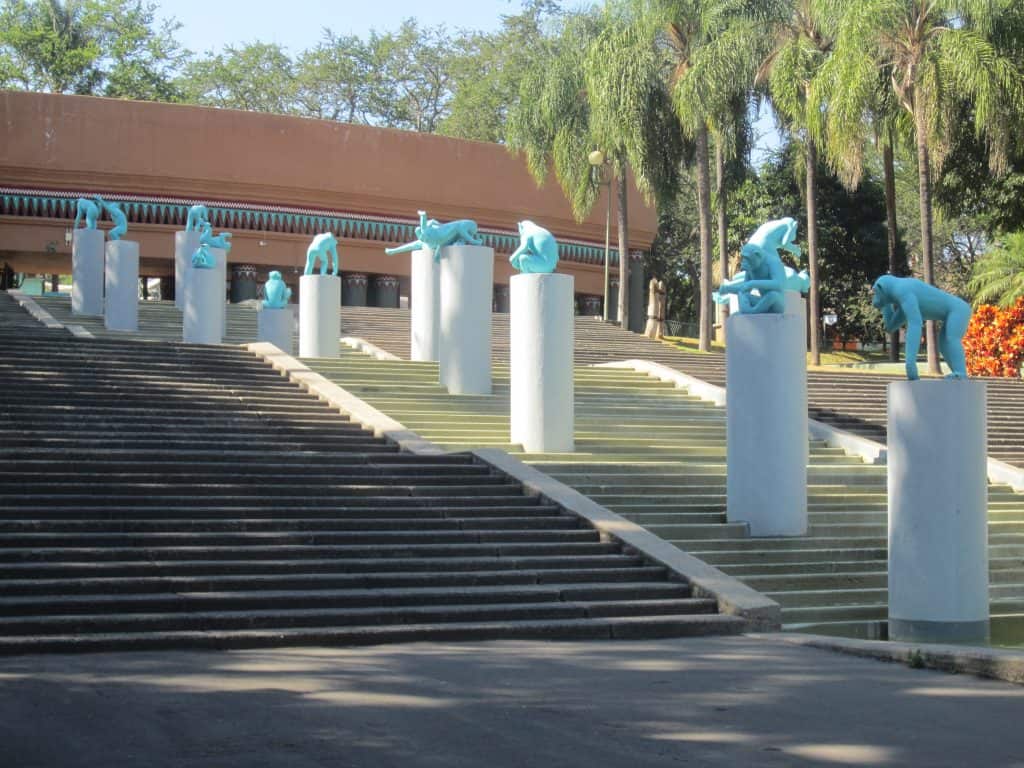
Zoológico Guadalajara is the first institution in Mexico to breed Vallarta mud turtles successfully in captivity.
©Another Believer, CC BY-SA 4.0 , via Wikimedia Commons – Original / License
A small coalition is working hard to keep the Vallarta mud turtle from disappearing. Estudiantes Conservando la Naturaleza monitors wild turtles, teaches local workshops, and gathers data with scientists. Turtle Island runs rescue and research programs in both Mexico and Austria, while the Turtle Survival Alliance helps coordinate field surveys and responds to trafficking cases. Student volunteers and biologists track turtles at night, study their movements with radio transmitters, and work with nearby residents to safely relocate animals found on roads or in yards.
In 2023, Zoológico Guadalajara reported the first Vallarta mud turtle hatching in a Mexican zoo. The zoo now cares for many individuals, including several rescued from traffickers, and works with the Turtle Survival Alliance and federal authorities to develop proper husbandry and breeding protocols. Captive programs can’t replace wild wetlands, but they can preserve genetic diversity and provide turtles for future reintroduction efforts if secure habitat becomes available.
Can They Be Moved?
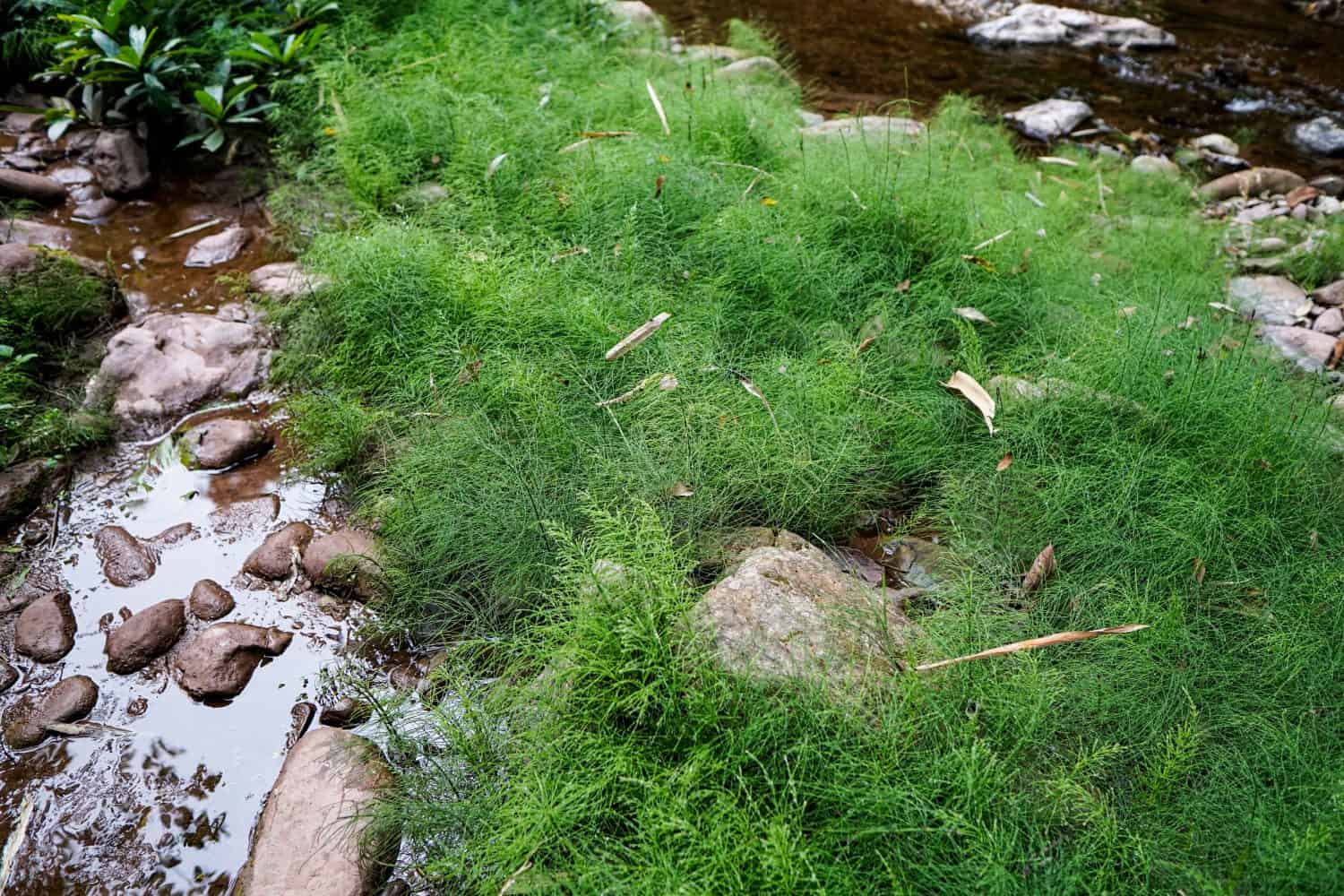
Even if a habitat looks similar to the turtle’s own, there are subtle differences that can prevent them from thriving there. And also the possibility that they “over-thrive” and disrupt indigenous species.
©HapuStock/Shutterstock.com
If there are only a few hundred Vallarta mud turtles left, why not just move them somewhere else in Mexico? The problem is deeper than finding any wetland that looks similar. It’s adapted to very specific local conditions, shaped by the exact rhythms of the Bahía de Banderas Valley: its rainfall timing, pond depth changes, soil chemistry, and seasonal drying cycles. Move it outside that ecosystem and the timing of feeding, nesting, and aestivation can fall apart. And even if relocated to a park in the same region, differences in water chemistry, vegetation, and wildlife could still throw off its life cycle or disrupt the species already living there.
How You Can Support the Species
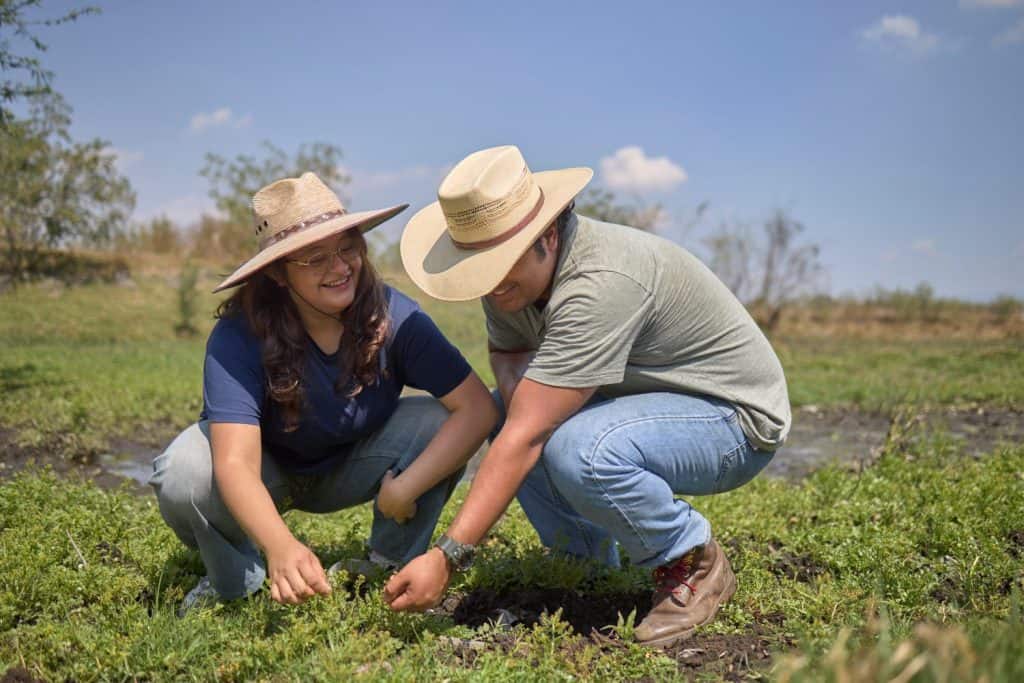
Two volunteers picking up trash in the wetlands of Xochimilco, Mexico.
©Victor Vilchis/Shutterstock.com
In Mexico, residents and tourists can make a real difference by keeping trash, chemicals, and construction debris out of local ponds and ditches. During the rainy season, drivers who see turtles crossing roads can carefully move them in the direction they were heading. Anyone who encounters Vallarta mud turtles for sale should report it to environmental authorities. Local ecotourism businesses can also help by educating visitors and supporting wetland protection projects.
People outside Mexico can help by avoiding the purchase of wild-caught turtles, which fuels the same trafficking networks targeting Kinosternon vogti. Supporters can donate to trusted conservation groups working in the Vallarta region or share accurate information about the species online. International awareness helps conservation teams secure resources and keeps pressure on governments to protect the remaining wetlands where the turtle survives.
A Painfully Honest Question

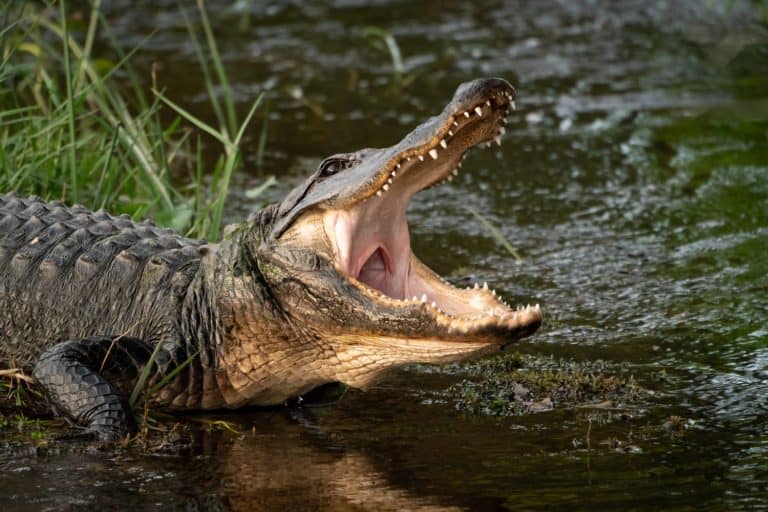
Losing animal species to extinction is like ripping pages out of the book of life.
©Happetr/Shutterstock.com
If we’re painfully honest, there’s a question many of us ask but can’t say out loud: What difference does it make? There are thousands of species of turtles of all sorts. It’s not like the whole circle of life will fall apart if they disappear.
The world will go on… but if we don’t pay attention to the extinction of little species, we’ll be taken by surprise when environmental collapse starts taking out the ones we notice. And by then it may be too late. Think of it like losing pages from a book: one missing page doesn’t ruin the story, but as more disappear, we start to lose the plot.