
Quick Take
- Maintaining Disneyland standards requires a hidden population of dozens of active feral cats.
- The 1990s shift created a technical constraint that complicates behind-the-scenes management for the feral population.
- Feral predators are the primary reason Disneyland remains a clean environment.
- Establishing a nightly patrol was necessary to mitigate rodent risks without compromising guest experiences.
If you’ve ever wandered through Disneyland, you know the magic of the park, from the sights to the sounds to the nightly fireworks. You probably assumed the park runs seamlessly due to a host of cast members, producers, and careful planning. But most visitors don’t realize that a quiet group of helpers has been part of the park for decades. Dozens of feral cats live discreetly on the park’s grounds, keeping the rodent populations in check.
Mostly unseen by guests, these cats have become an unofficial part of Disneyland’s behind-the-scenes management. They roam the park at night and stay out of sight during the day, playing a small but meaningful role in maintaining the park’s famously pristine environment.
When Did This Start?
©paulozzy/Shutterstock.com
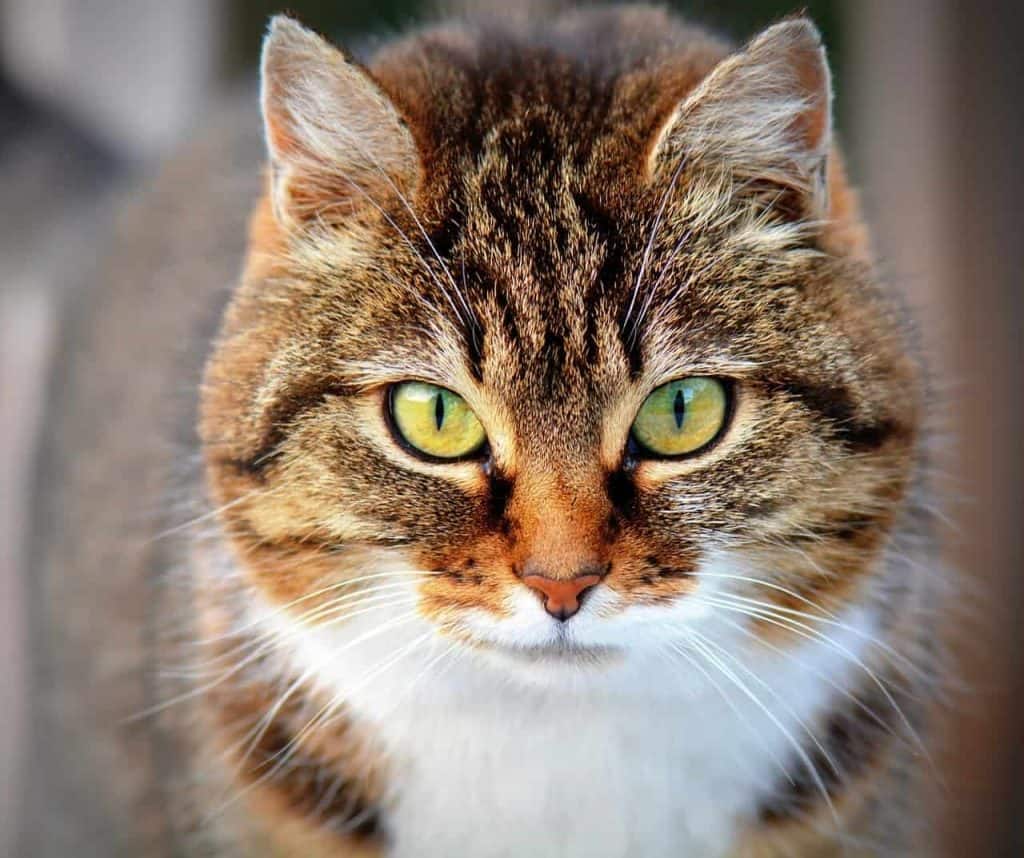
Disneyland’s feral cat population dates back to the 1950s, shortly after the famous park opened. The cats weren’t brought in intentionally, but rather showed up naturally, attracted to the shelter and food sources. Over time, park operators realized the cats were benefitting the area by helping to keep rodents under control. Instead of removing them, Disney quietly allowed the cat population to stick around.
Why Are the Cats Allowed?
©Gallinago_media/Shutterstock.com
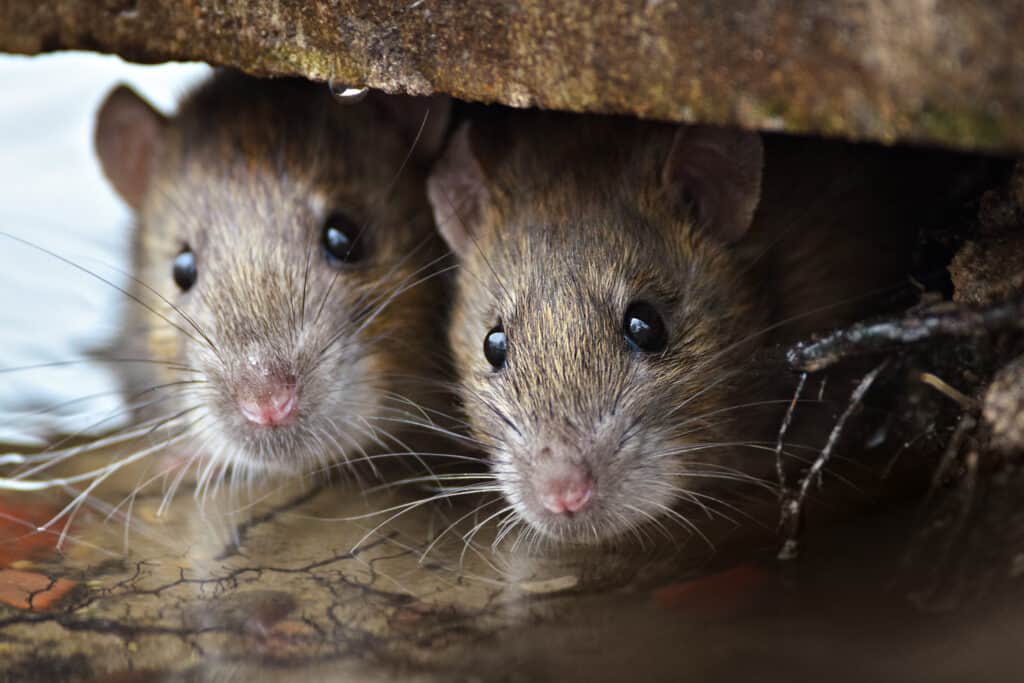
The main reason Disneyland allows feral cats is simple: pest control. Rodents are an inevitable challenge in a big outdoor park with plenty of food and smells, and cats provide a natural solution to these pests. Disneyland uses the cats in a large-scale, humane, pest-management strategy.
Parkgoers Don’t Notice
©Konstantin Zaykov/Shutterstock.com
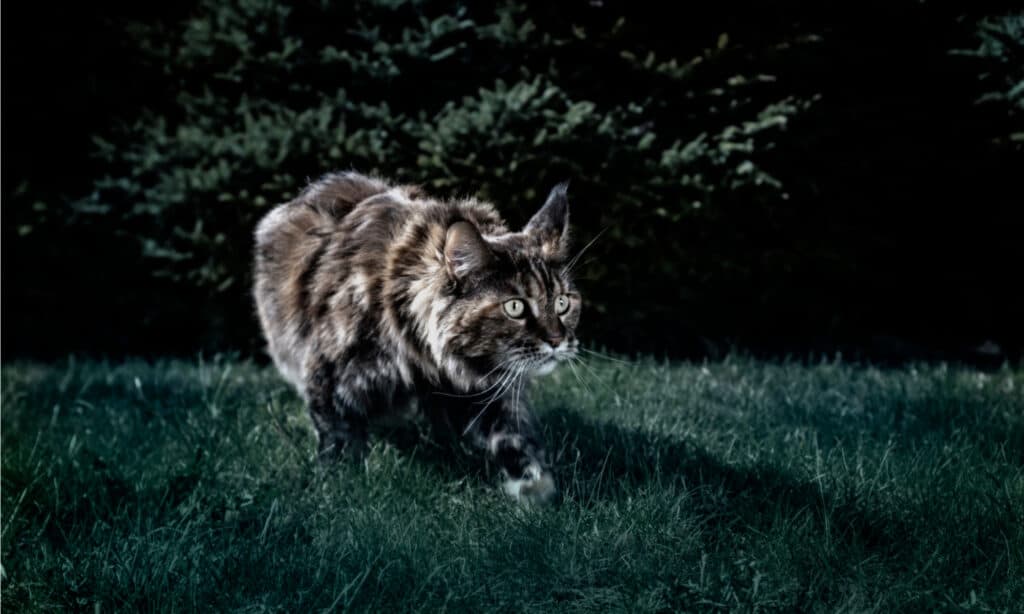
Most visitors never notice the cats at all. That’s because the kitties avoid crowds and tend to be active at night, when the park is closed. During operating hours, they stay hidden in landscaped and backstage areas. Their low profile helps them coexist with millions of guests each year.
Are These Cats Mass Reproducing?
©Nils Jacobi/Shutterstock.com
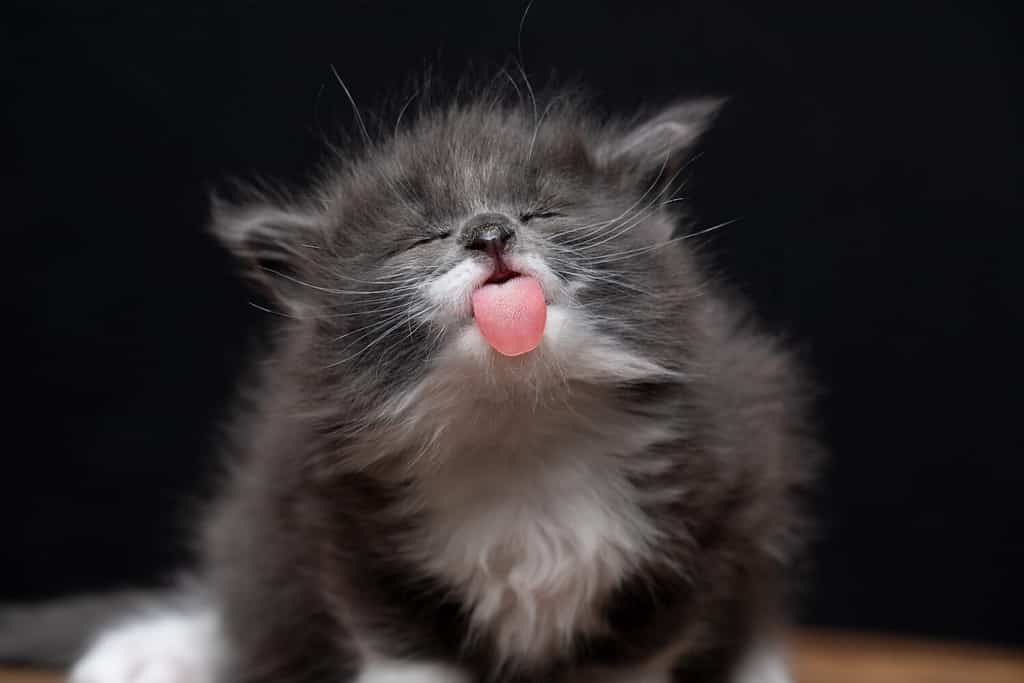
Disneyland cares for its cat crew responsibly by actively preventing the cat population from growing out of control. The park participates in trap-neuter-return (TNR) practices to ensure the cats are spayed or neutered. This keeps the population stable over time. Kittens, when found, are often removed and placed for adoption.
Where Do the Cats Stay During the Day?
©Kanal Budiarto/Shutterstock.com
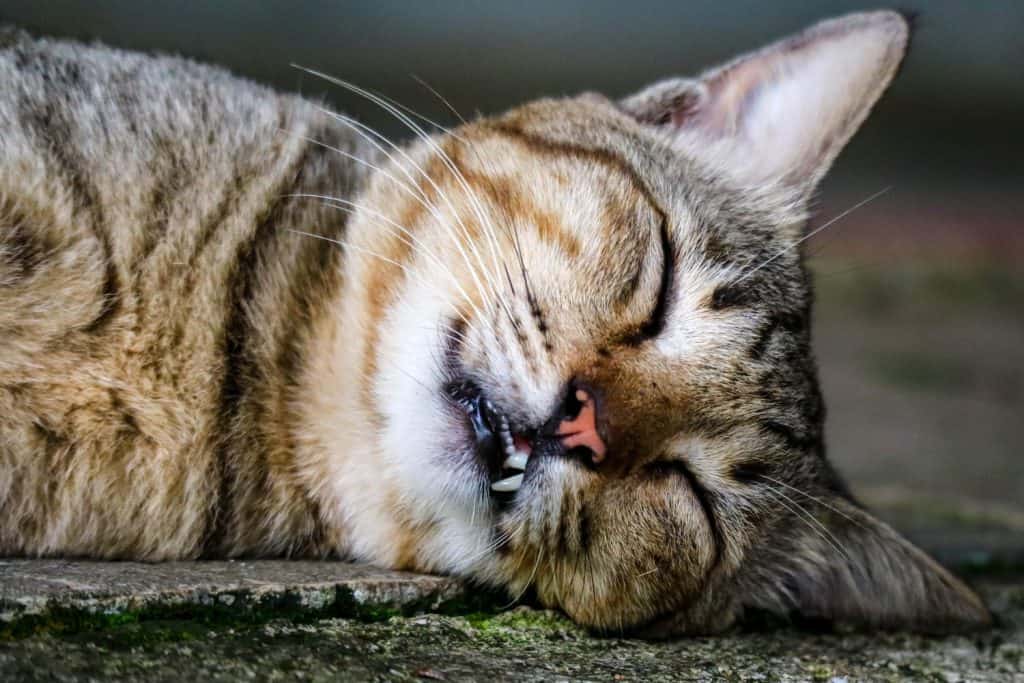
During the day, the cats retreat to quiet, hidden areas away from guests. These include landscaped spaces, utility areas, and backstage locations that aren’t accessible to the public. These secluded spots allow them to catnap until nighttime, when they emerge to do their important pest control.
This Isn’t a Major Attraction for Cat Lovers
©Glenn Taylor/Shutterstock.com
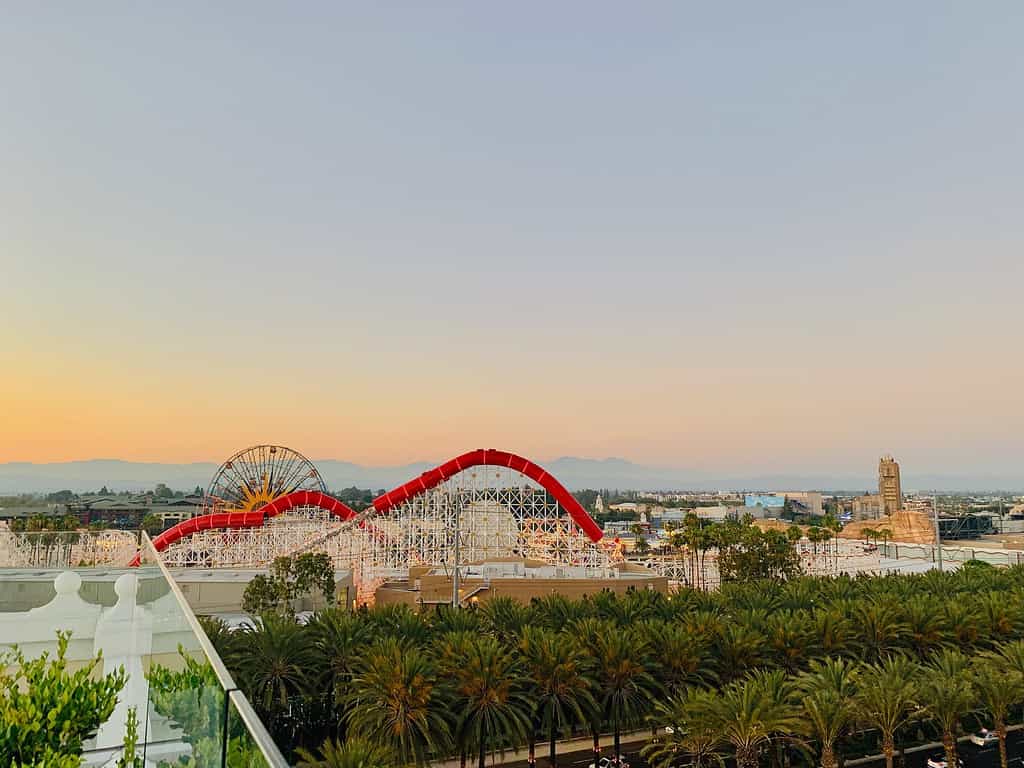
Even devoted cat lovers are unlikely to spot a kitty cat while visiting Disneyland. Between the rides, food, and entertainment, most guests are far too busy to notice them. Due to noise and chaos, the cats don’t seek out human interaction and won’t approach visitors. They’re very much a background presence, not a feature.
They Have a System
©Kashaeva Irina/Shutterstock.com
Disney doesn’t treat the cats as mascots or exploit them to the public. Instead, a quiet system is in place to manage them humanely. Care practices ensure the cats remain healthy, vaccinated, and fed when necessary. However, the cats are left largely to themselves, as the goal is coexistence, not domestication.
They Won’t Play with You, But They Play with Each Other

©Bachkova Natalia/Shutterstock.com
These feral cats are not socialized pets, so of course they will not seek out humans as playmates. However, they certainly interact with one another and keep themselves entertained. Cast members occasionally report seeing them chase or play during quiet hours, though these moments happen well away from guest areas.
But If You Feel Like You’re Being Watched, You Are
©Vladyslav Starozhylov/Shutterstock.com
Disneyland is famously strict with its policies, and guests are continually monitored by cameras, but the cats are also keen observers in their own way. From hidden vantage points, they quietly watch their surroundings. Luckily, if they spot you breaking the rules, they aren’t likely to report to the manager.
It’s a Diverse Population
©iStock.com/MirasWonderland
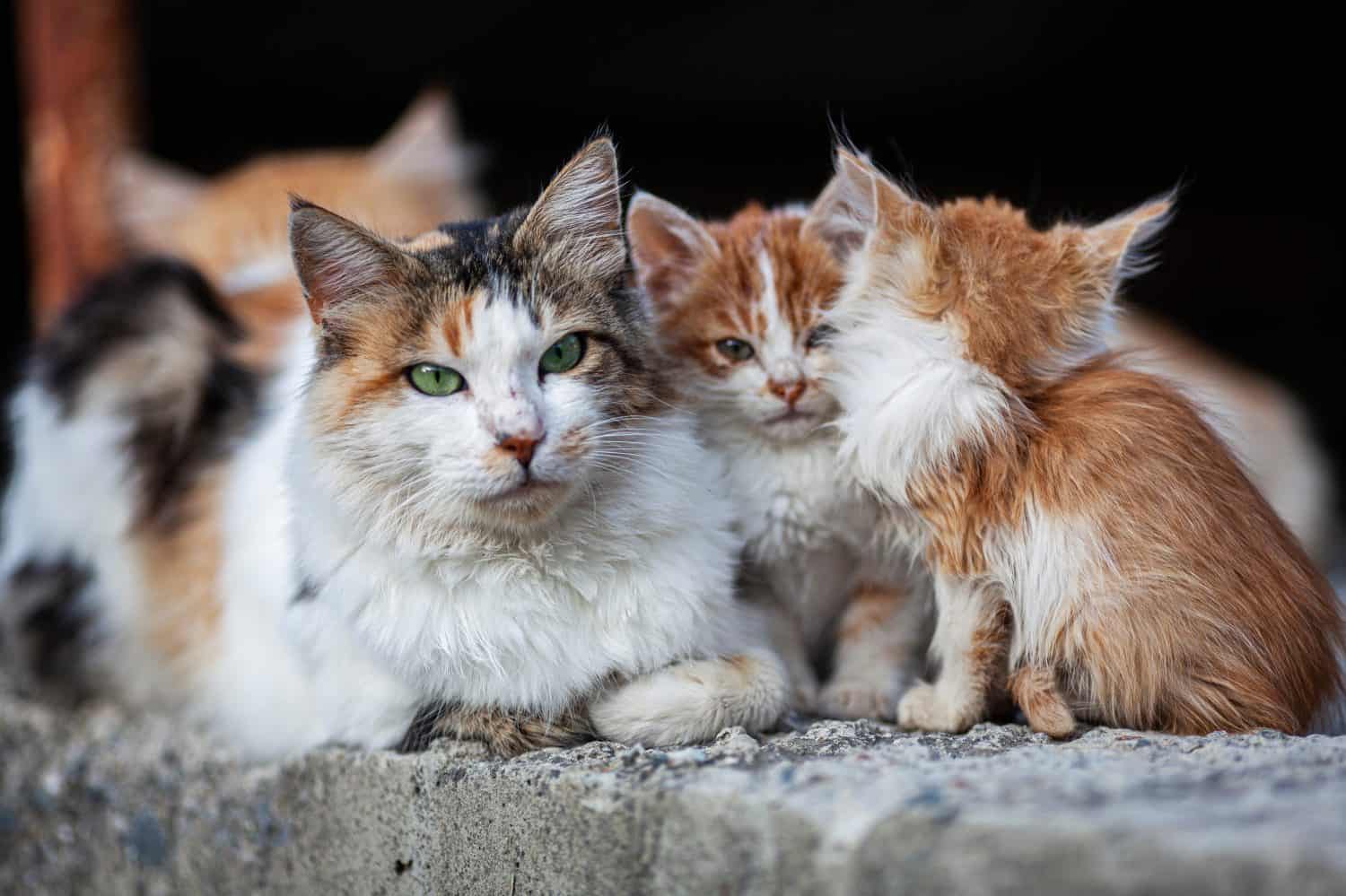
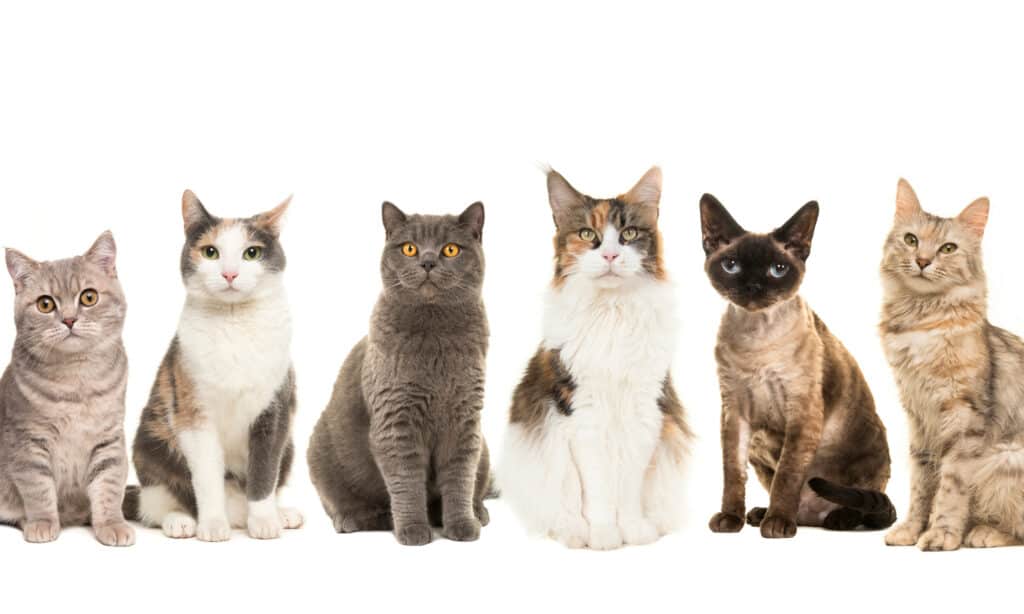
The feral cats at Disneyland aren’t a single breed or type. They’re a mix of colors, sizes, and backgrounds, much like feral cat populations everywhere else. Over the years, different cats have come and gone. Together, they form a small but varied (and adorable) community.
Something Changed in the 1990s
©PippiLongstocking/Shutterstock.com
By the 1990s, Disneyland had publicly acknowledged the cats’ usefulness. While never openly branded as an official program, care and management practices became more organized. This included regular spaying, neutering, and monitoring. The informal “cat program” helped stabilize the population long-term.
It’s Not Just a Disneyland Thing
©spiderman777/Shutterstock.com
Disneyland isn’t the only place where feral cats are managed rather than removed. Cities around the world, including places like Rome, maintain controlled cat colonies. Instead of these cats being forgotten strays, they looked after in several ways. These programs focus on ethical care and population control, becoming a model for managing feral animals in public spaces.