
Quick Take
- The invasive females have a ruthless strategy for wiping out native males that goes far beyond simple competition. How they lure native males →
- Europe's urban pest control efforts may be making the invasion significantly worse, though not in the way you'd expect. How pest control backfires →
- One everyday predator is cutting invasive mantis populations dramatically, but its help comes with a serious catch. Cats as unlikely allies →
- These mantises reproduce at a rate that makes native species almost impossible to outcompete, and the reason behind this involves a behavior most insects are unable to suppress. Why egg-laying tips the scales →
Climate change is typically described as a devastating event for all species. In an odd turn of events, Asian praying mantises are weaponizing climate change to conquer Europe, a move proving to be detrimental to native praying mantises.
Climate Change Has Led to Praying Mantises Becoming an Invasive Species
Over the last decade, two groups of praying mantises have been quietly making their way across Europe. Few have batted an eye at the invasion, given that mantises are seen as nature’s insect control. However, these praying mantises have the ability to displace native mantises, which will lead to the loss of biodiversity across the continent.
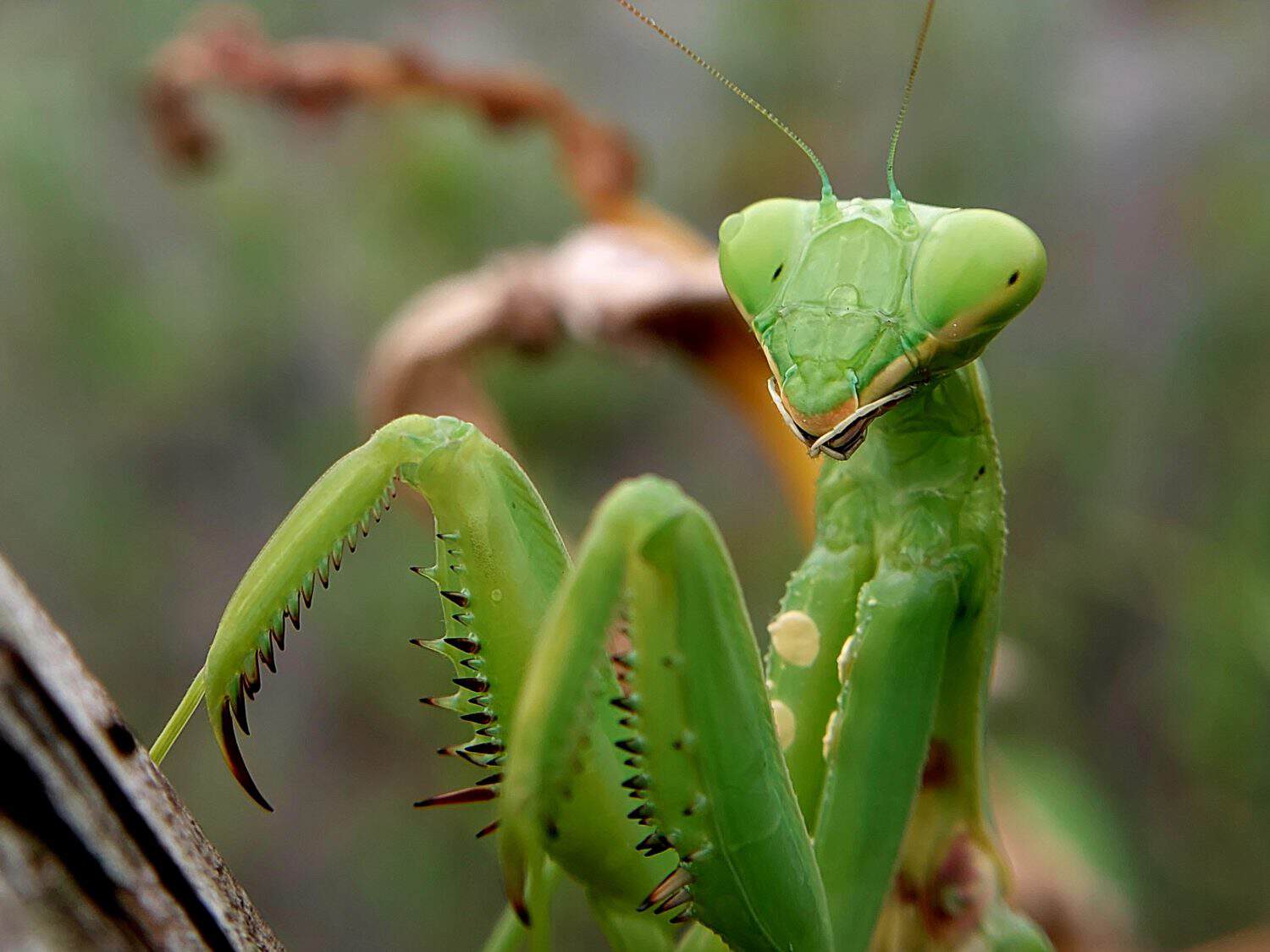
According to a new study published in the Journal of Orthoptera Research, researchers have officially categorized Hierodula tenuidentata and Hierodula patellifera as Invasive Alien Species. These species, native to South Asia, have now established populations across Europe thanks to climate change. Areas hardest hit, according to Roberto Battiston of the Museum of Archaeology and Natural Sciences and first study author, are the “Mediterranean and continental regions.”
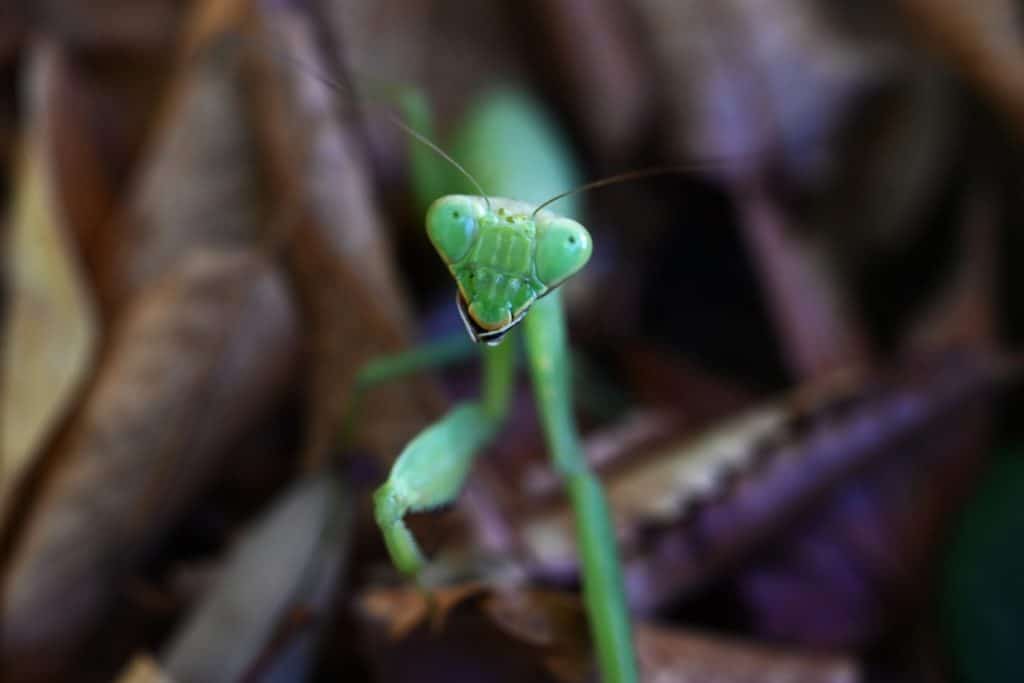
The Hierodula patellifera is one of the invasive praying mantises.
©tamu1500/Shutterstock.com
“They are pushing increasingly further north, thanks to climate change,” Battiston explained in a press release. “This study was born to give people those answers and to develop strategies to contain them.”
Climate change has enabled invasive praying mantises to move from South Asia to Europe, but factors such as “urban heat islands” allow the species to survive longer when temperatures drop, further expanding their range. Without action, it is likely the invasive praying mantises will displace native ones in upcoming years.
How Have Invasive Praying Mantises Increased Populations So Quickly?
Hierodula tenuidentata and Hierodula patellifera have proven to be very adaptable praying mantises. They have found homes in trees and shrubs, with a sustainable prey population nearby. Consequently, according to the study, they lay their eggs in these locations, creating the next generation of invasive praying mantises.
Unlike native praying mantises, which lay approximately 100 eggs at one time, the study notes that the invasive species lays twice as many. Additionally, the young invasive mantises are less likely to cannibalize one another. Therefore, more of the juvenile invasive mantises survive than native ones.
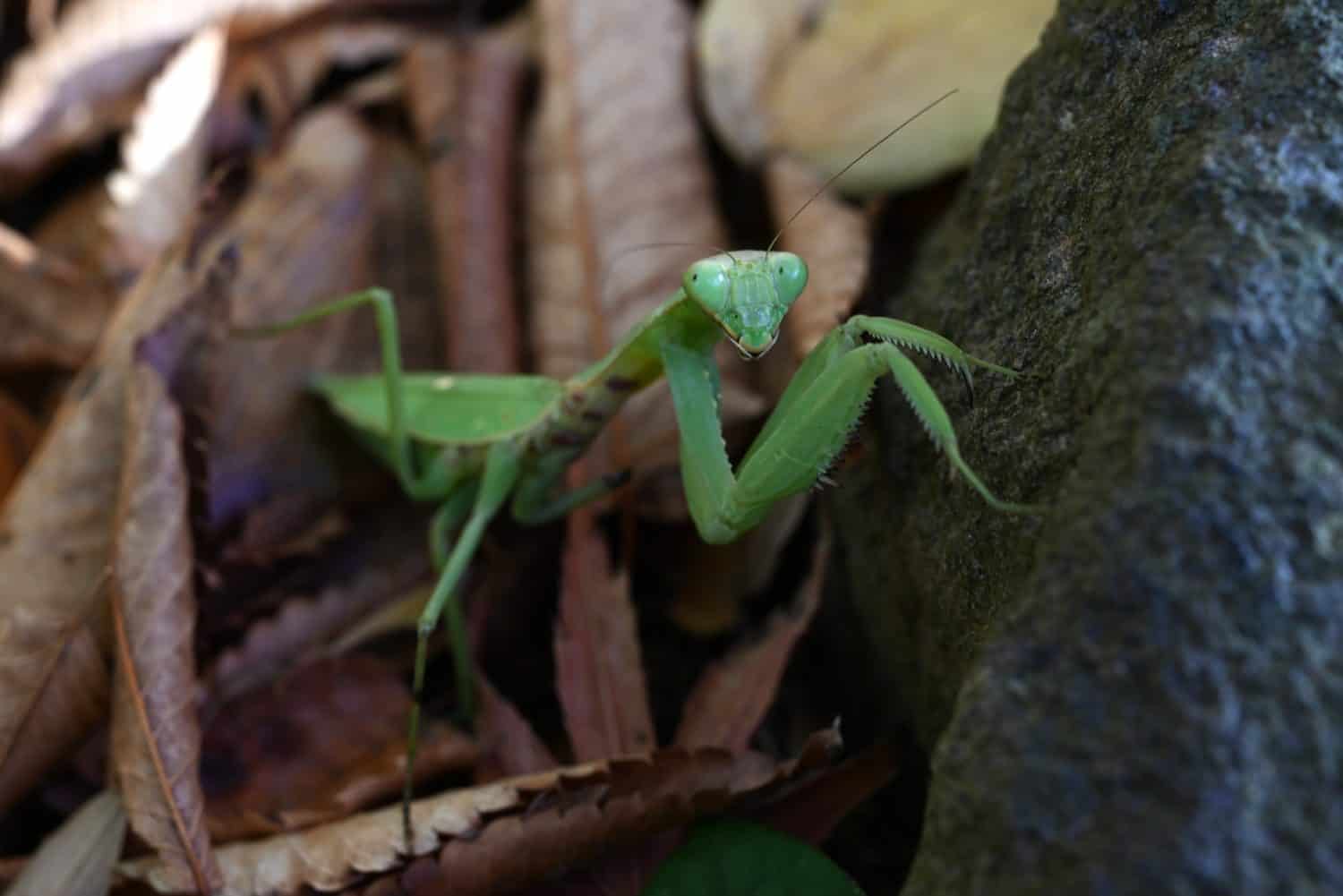
Hierodula patellifera and Hierodula tenuidentata are capable of laying twice as many eggs as native species.
©tamu1500/Shutterstock.com
Invasive females are also attracting native males to mate with. When mating is over, the invasive females kill the males, further depleting the native species population.
But what many may not expect is that efforts to control pest populations in cities are increasing the number of invasive praying mantises. The invasive species is actively seeking out pest hotels to grab immobilized prey. The insects get an easy meal and expend no effort in doing so.
Cats May Be the Key to Reducing Invasive Praying Mantises
Cats are a key factor in reducing the mantis population in Europe. Thanks to their stealthy stalking and quick reflexes, cats have reduced the populations of Hierodula tenuidentata and Hierodula patellifera by 45%. While these numbers are encouraging, there is a downside. Cats are unable to distinguish between invasive mantises and native European ones. Therefore, some populations of praying mantises that are already declining due to competition with invasive species are being killed.
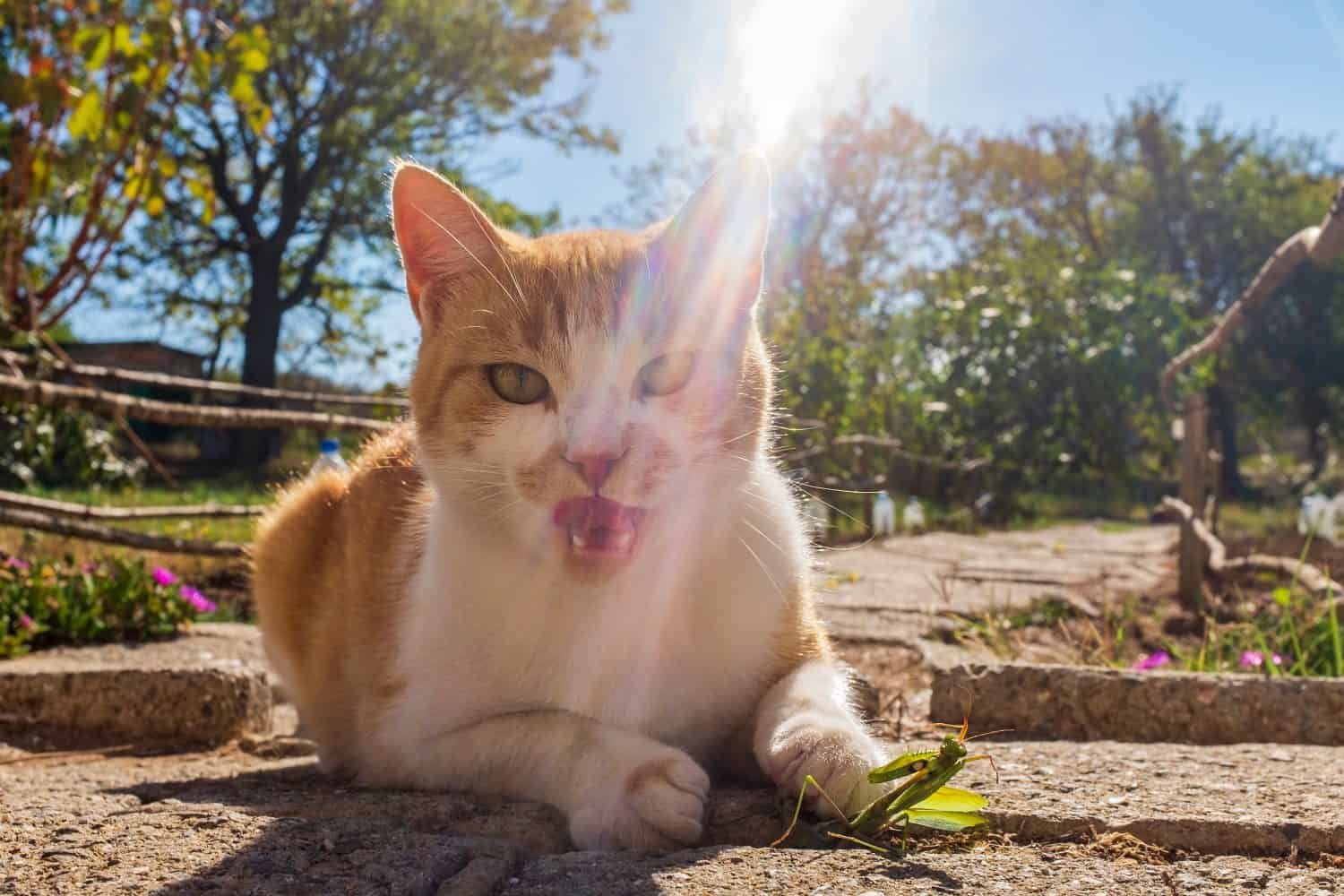
Cats play a large role in decreasing the invasive praying mantis population.
©Ivan Kacarov/Shutterstock.com
The study did not indicate how many native praying mantises were targeted by feline hunters. However, with such a large percentage of invasive praying mantises being killed, the benefits may outweigh the risks, namely the massive reduction in the populations of Hierodula tenuidentata and Hierodula patellifera, compared with the risk of losing some native mantises.
How People Can Help Battle the Invasive Asian Praying Mantises
Stopping the spread of the invasive Hierodula tenuidentata and Hierodula patellifera praying mantises cannot be done by researchers alone. It will take the help of both praying mantis enthusiasts and citizens with a keen eye throughout Europe to do so.
According to Battiston, a citizen science project has already been created by colleagues, which has led to over 2,300 reports of the invasive mantises.
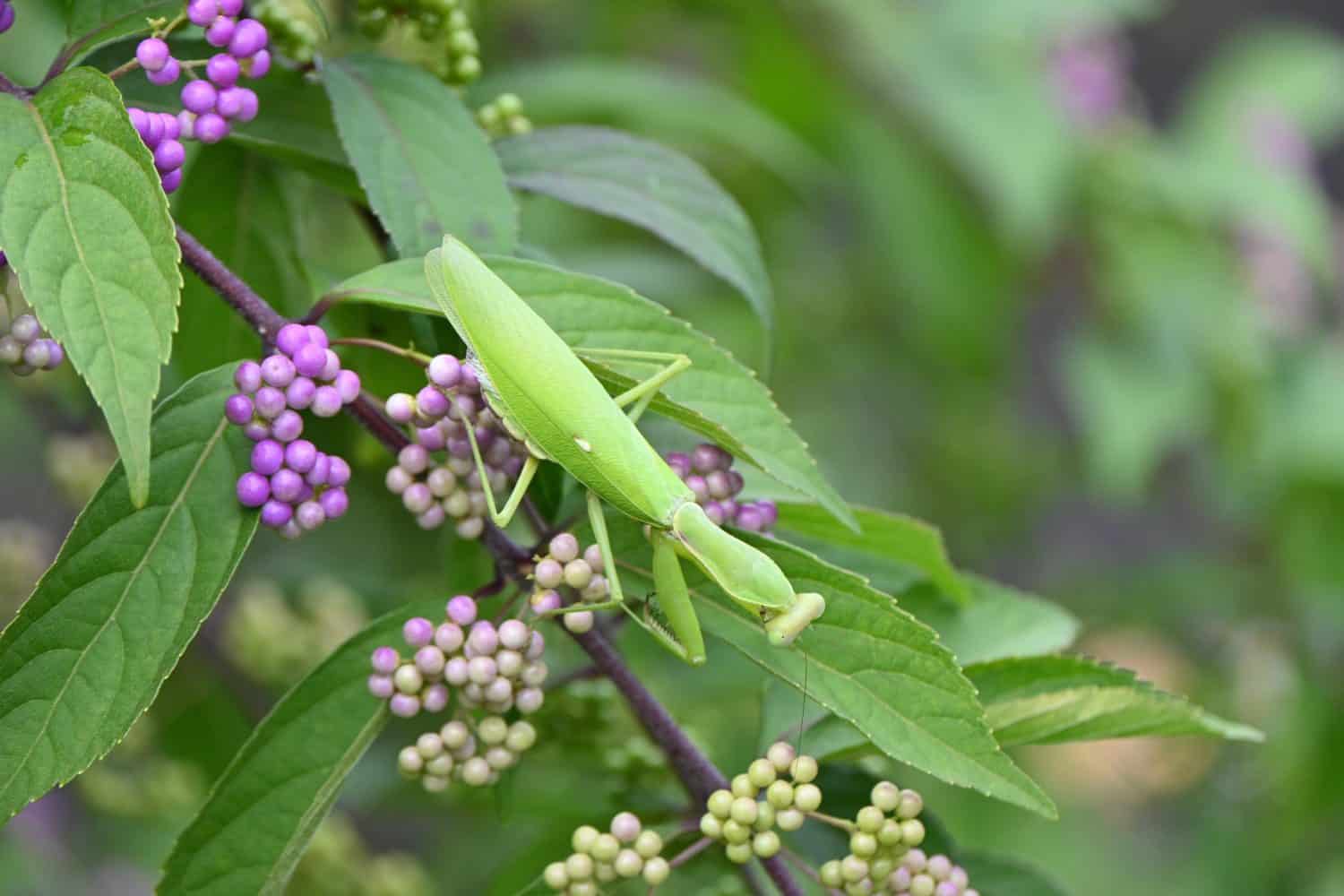
Reporting invasive praying mantis species and removing oothecae can help reduce their populations.
©tamu1500/Shutterstock.com
“My colleagues William di Pietro and Antonio Fasano (GRIO) have managed to set up a huge citizen science project and collect over 2,300 reports from enthusiasts and citizens,” Battiston explained in a press release. “Citizen science is a fundamental tool not only for monitoring but also for raising awareness and informing people in an active and participatory way about these issues.”
In addition to reporting sightings, the press release states that researchers are encouraging the removal of brown egg cases, also known as oothecae, during the winter. While removing egg cases does not cause developing praying mantises pain, Battiston recommended contacting a specialist before removal to ensure that oothecae from invasive species are removed rather than those from native mantises.
As climate change warms certain regions to temperatures capable of supporting species once thought impossible, invasive species lay claim to new territories. Both the scientific community and citizen scientists are needed to save native species. Without this teamwork, the future of native species is uncertain.