
Quick Take
- One of your primate cousins has a finger so anatomically strange it shouldn't exist, and this remarkable digit is used to do something no other mammal on Earth does quite the same way. See the remarkable digit →
- Madagascar has no woodpeckers, yet something fills that exact ecological role, and the way it pulled that off challenges what most people assume about evolution. Explore the convergent evolution →
- Local legend says this animal can point at you and seal your fate, and that superstition is having very real consequences for its survival. Discover the deadly superstition →
- This creature looks like it was built from spare parts, yet every bizarre feature is a precision tool. Understand the ecological stakes →
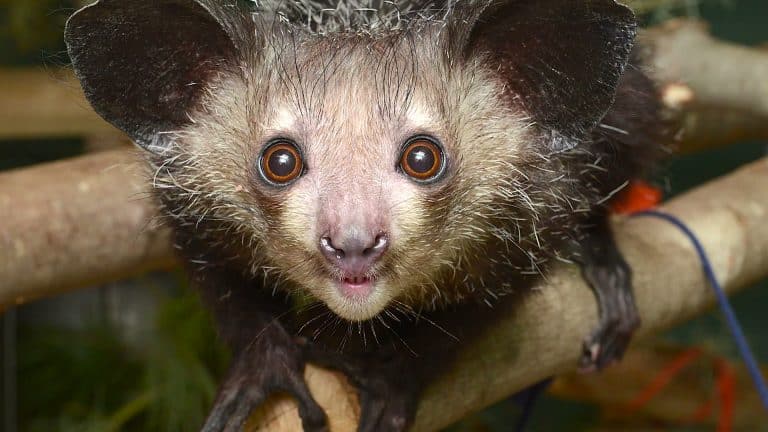
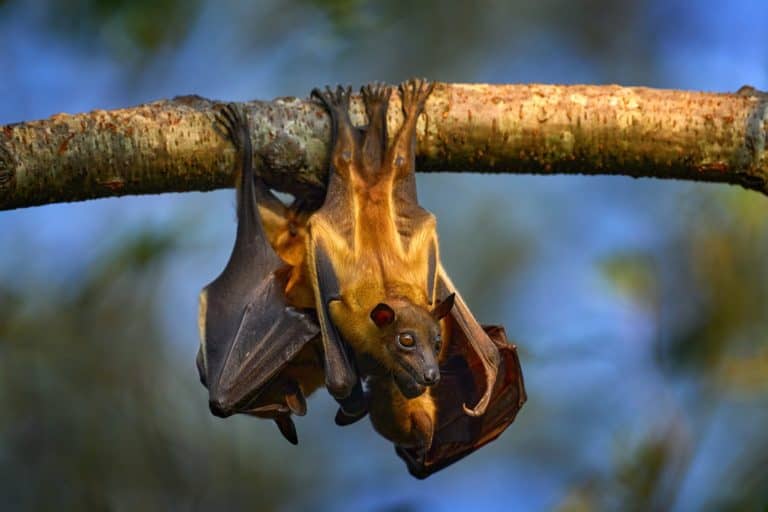
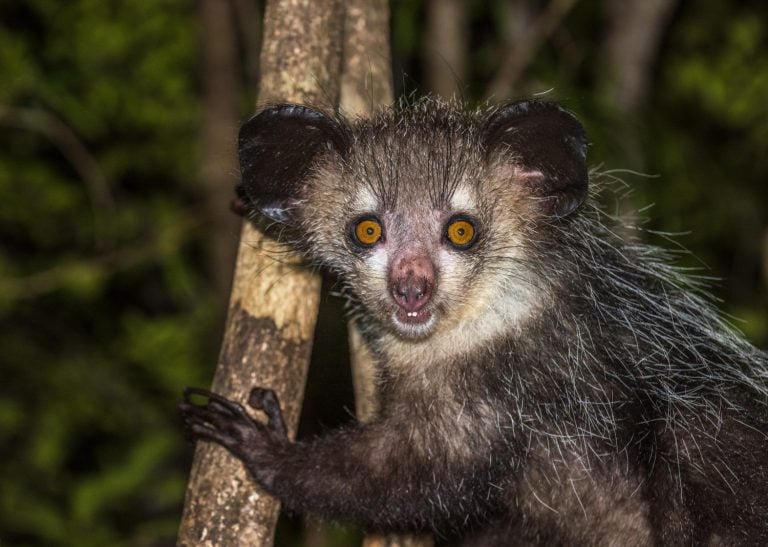
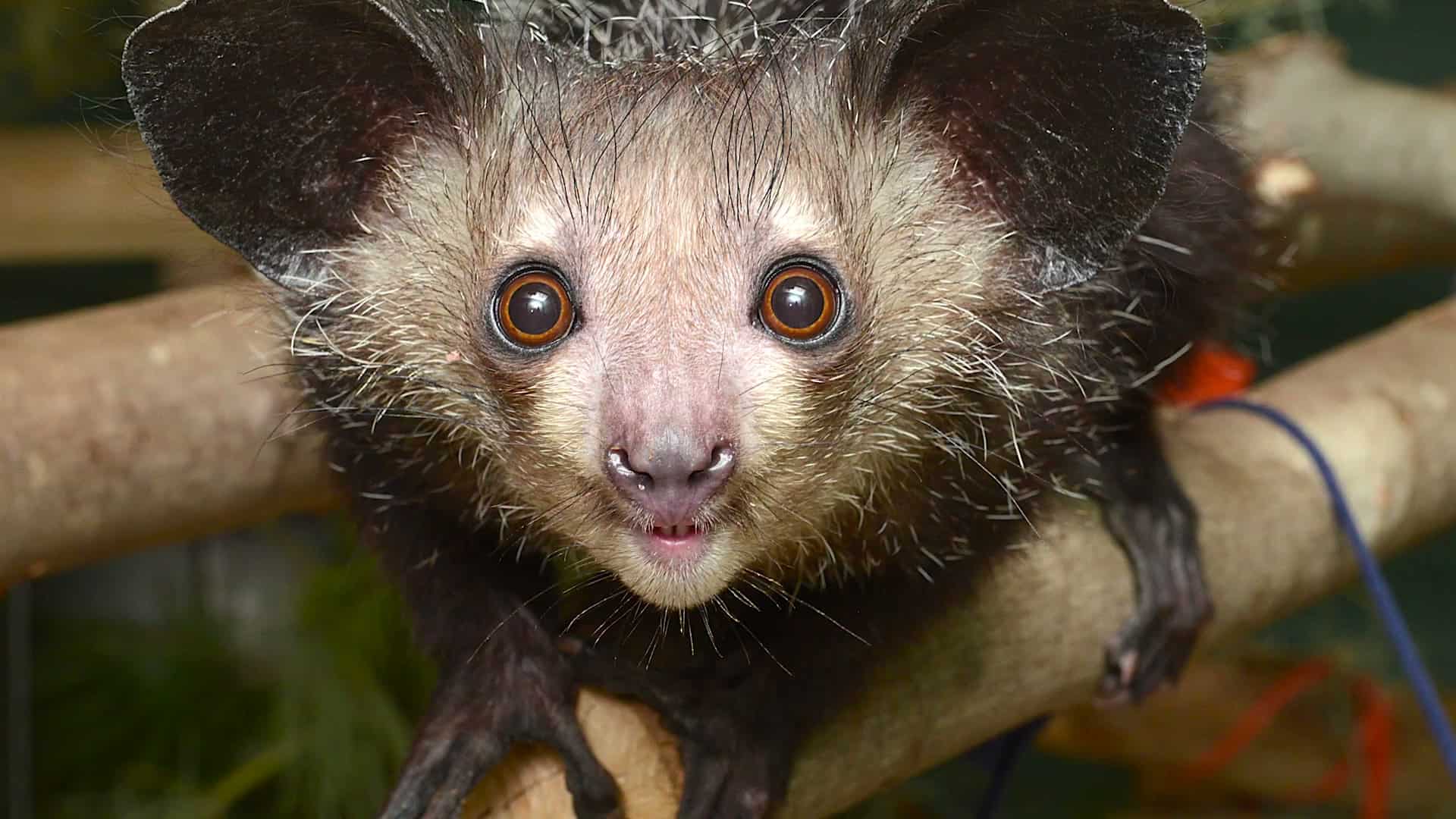
If you were to stumble through the rainforests of Madagascar at night, you might come across a creature that looks like it was assembled from the leftover parts of several different animals. It has the perpetually growing teeth of a rodent, the massive ears of a bat, and a tail bushier than a squirrel’s.
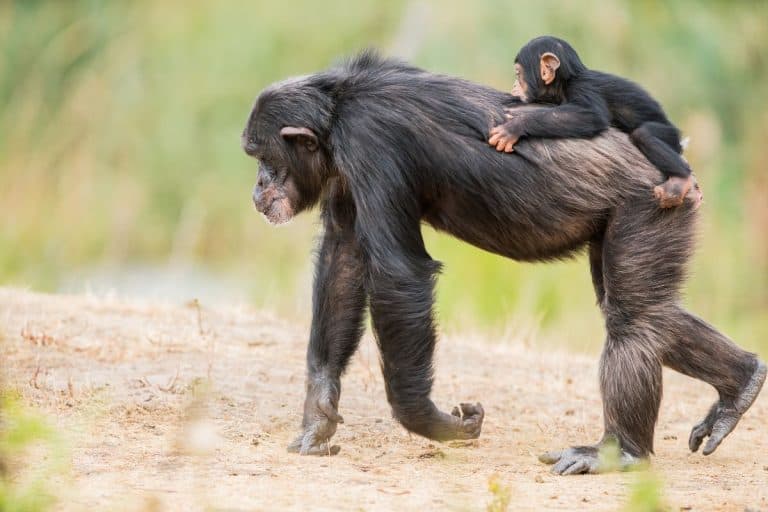
Meet the aye-aye. While it might look like a character from a fantasy novel, this strange little guy is actually a primate, making it a distant cousin to monkeys, apes, and even us.
The “Swiss Army Knife” of Primates
The most famous thing about the aye-aye isn’t its haunting yellow eyes; it’s its middle finger. Imagine if one of your fingers were twice as long as the others, skeletal, and equipped with a ball-and-socket joint allowing it to rotate in nearly any direction, much like a human shoulder. That is the aye-aye’s specialized tool for survival.
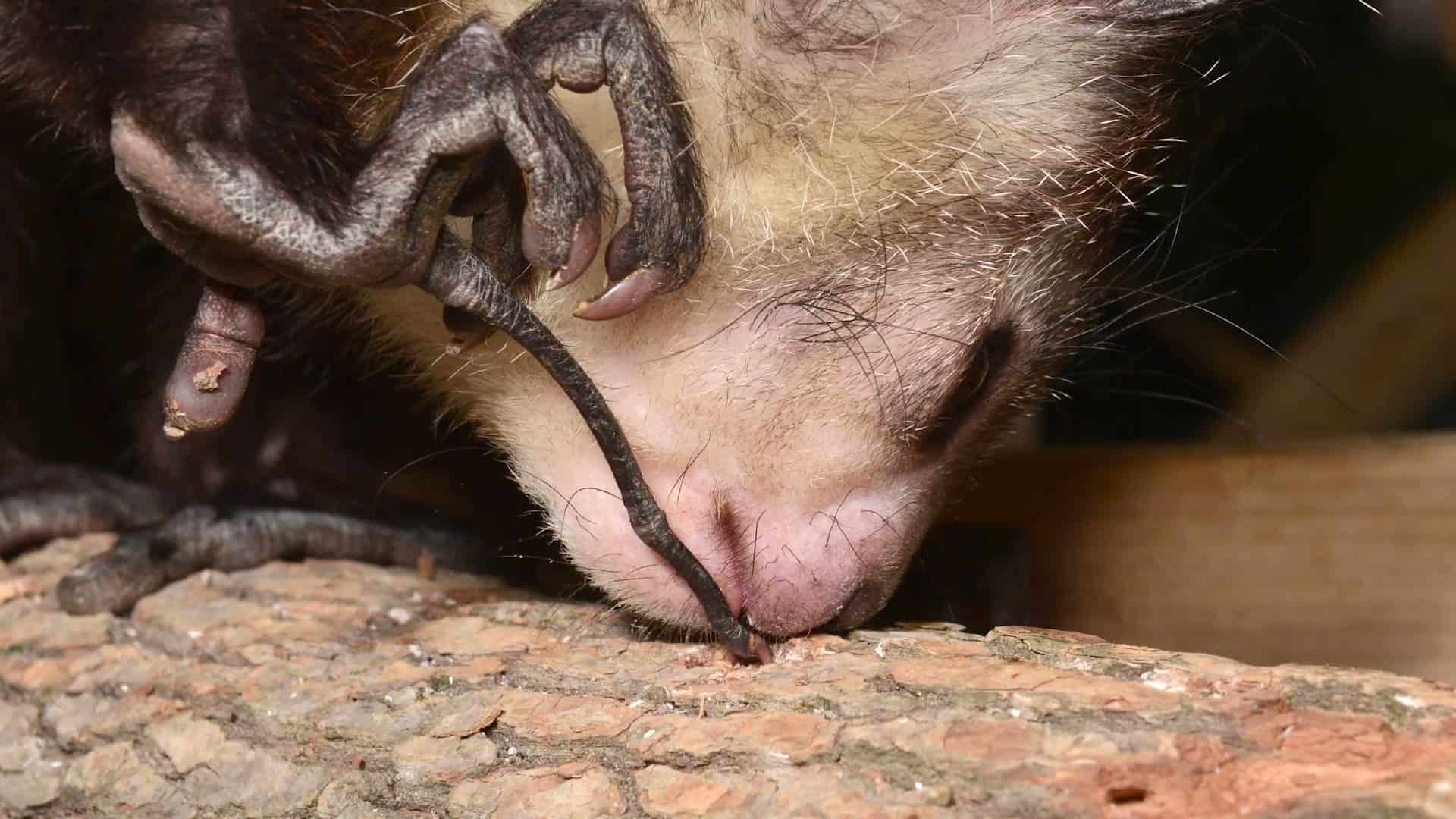
Here, an aye-aye uses its finger to search for and dig out grubs.
©Ant Lab (Dr. Adrian Smith) via YouTube — used under fair use – Original / License
While other animals have to rely on brute force or speed to find food, the aye-aye uses a method called percussive foraging. Think of it like a woodpecker, but covered in fur instead of feathers:
- The Tap: The aye-aye taps on tree trunks up to eight times per second.
- The Listen: It uses those huge, radar-dish ears to listen for the echo. It’s essentially “seeing” inside the wood with sound, looking for the hollow tunnels carved out by tasty grubs.
- The Extraction: Once it locates a meal, it uses its powerful front teeth to chew a hole through the bark and fishes out the larvae with that long, spindly finger.
An Evolutionary One-Off
In the world of biology, we often see convergent evolution. This is just a fancy way of saying that nature sometimes hits on the same good idea twice. For example, birds and bats both have wings, even though they aren’t closely related.
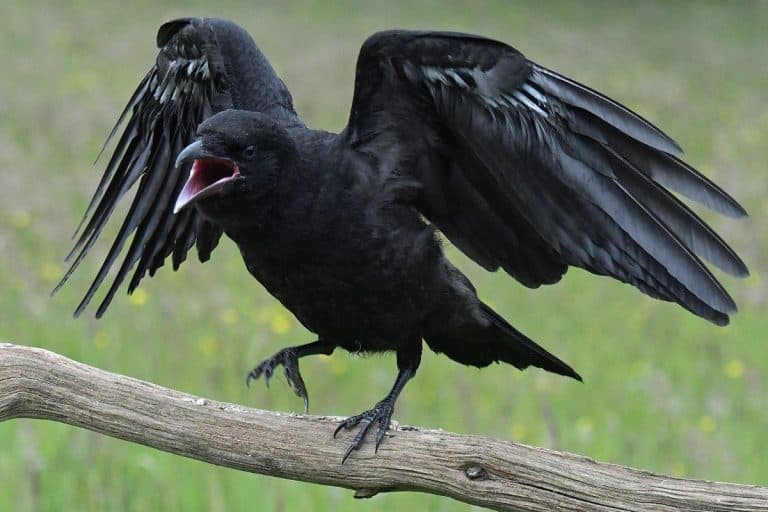
The aye-aye is a classic example of this. It fills the “woodpecker” role in Madagascar because there aren’t many actual woodpeckers there. It evolved the same specialized niche that woodpeckers filled elsewhere, but it did so using mammalian tools. It’s often compared to the Giant Panda, another animal so unique and so far removed from its relatives that nothing else quite like it exists on Earth.
Why the Aye-Aye Needs Our Help
Despite being a marvel of nature, the aye-aye faces a tough road. In its native Madagascar, local legends often brand the aye-aye as a harbinger of bad luck. Some myths suggest that if an aye-aye points its long finger at you, you’re marked for doom. Unfortunately, this superstition often leads to the animals being killed on sight.
Beyond these cultural threats, aye-ayes are losing their homes. As rainforests are cleared for agriculture, the aye-aye loses the ancient trees it needs to find food.
Why Should We Care?
Losing the aye-aye would be like losing a one-of-a-kind volume from the library of life. They represent a branch of the primate family tree that went in a completely different direction than ours. They remind us that nature doesn’t always follow a predictable path; sometimes, it gets creative, resulting in a bug-eyed, big-eared, long-fingered masterpiece perfectly adapted to the dark of night.
Understanding the aye-aye isn’t just about studying a weird animal; it’s about appreciating how life finds a way to thrive in the most specific, unusual ways possible.