
Quick Take
- Many animals appear to have short attention spans, but their quick movements or shifty behavior may be due to other factors.
- Fruit flies are models for studying attention and learning, but there is no consensus ranking of their attention span.
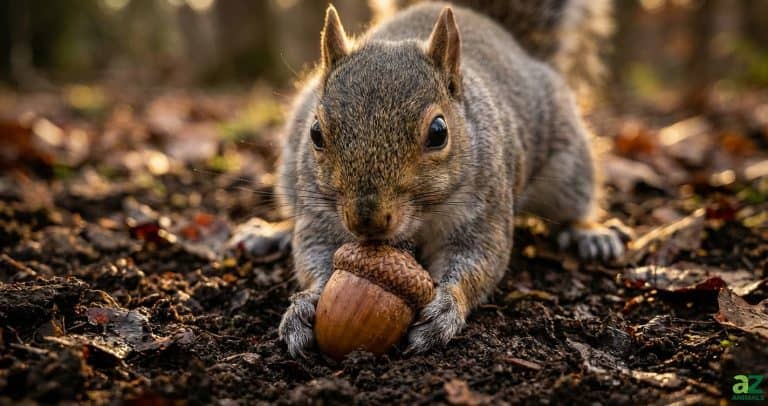
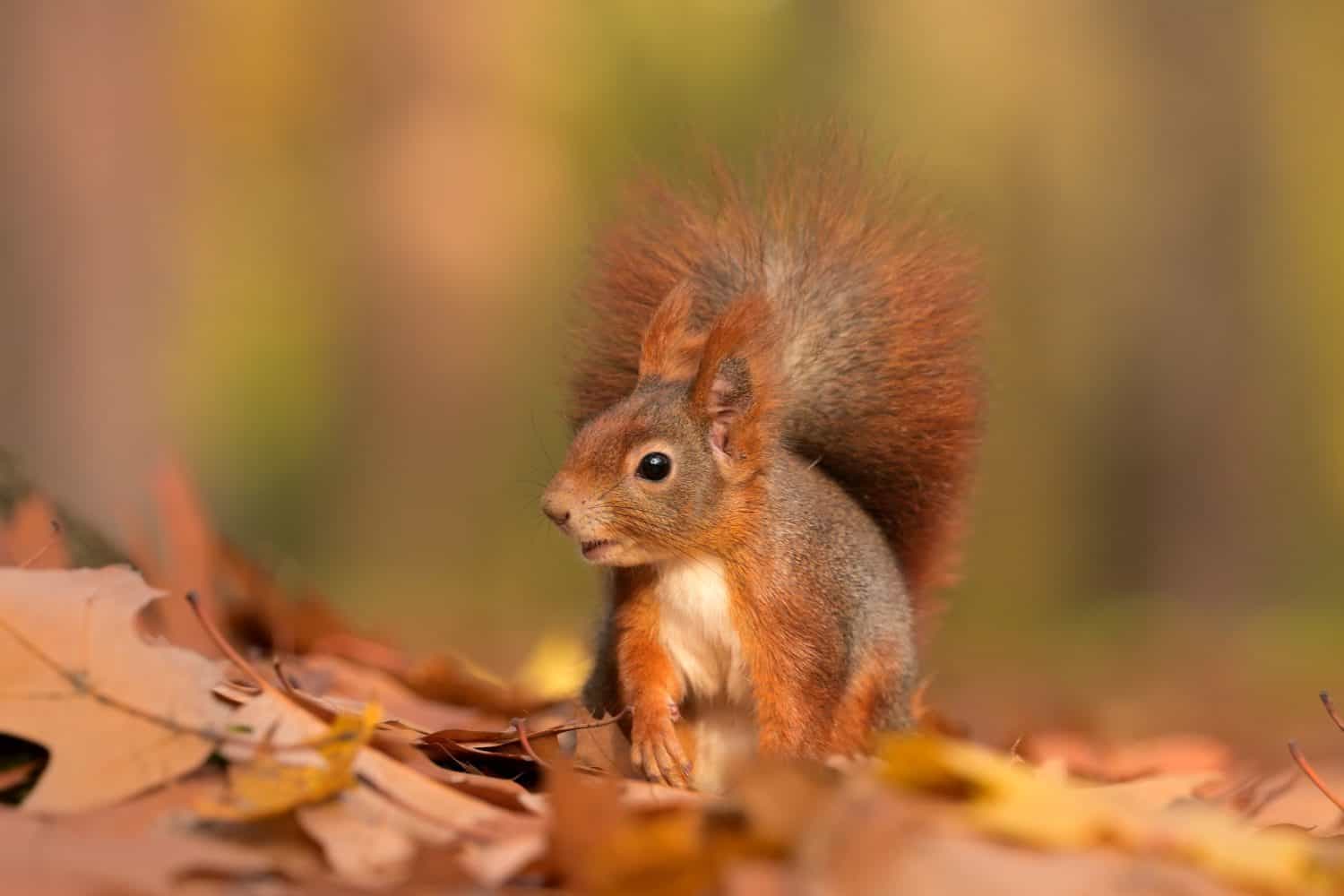
- Squirrels display quick movements linked to predator vigilance, food caching behavior, and high metabolism.
- Hummingbirds have extremely high metabolism, but they also haveexcellent spatial memory and remember flower locations and feeder refill times.
Many animals are often labeled as scatterbrained or easily distracted based on quick movements, constant activity, or seemingly random shifts in behavior. From darting squirrels to flitting hummingbirds, these creatures can appear unable to focus for more than a moment at a time. However, these impressions are often shaped more by human assumptions than by the animals’ actual cognitive abilities.
In reality, what looks like a short attention span is frequently a survival advantage. Rapid scanning, frequent movement, and quick reactions help animals detect predators, locate food, and navigate risky environments. Rather than lacking focus, many of these species are highly attentive; they prioritize survival over continuous, single-task concentration.
1. Fruit Flies
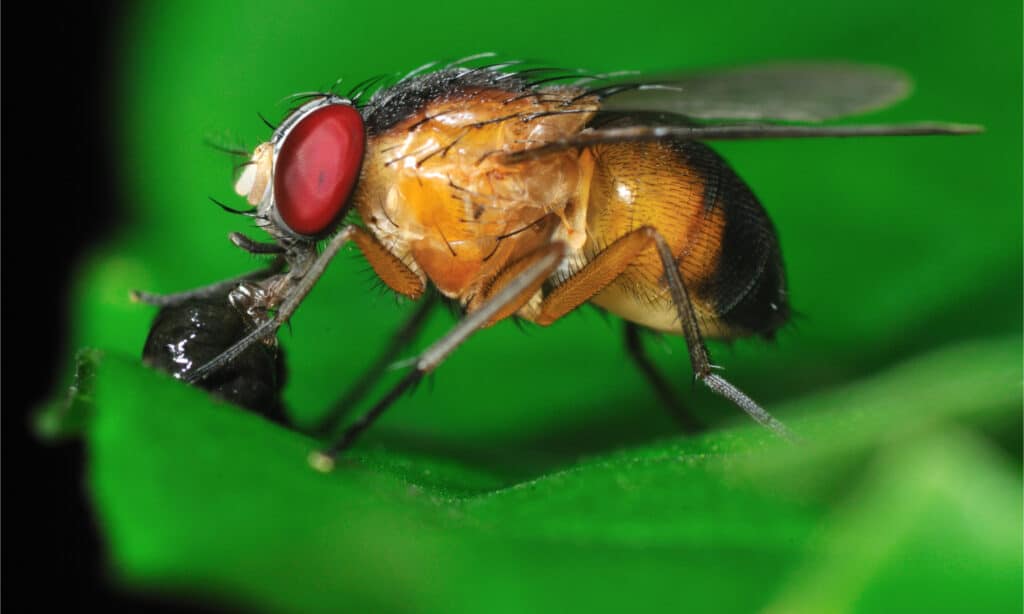
The fruit fly has a lifespan of only 40-50 days.
©Jordan Lye/Shutterstock.com
Since they are so tiny and frequently seen buzzing around in a sort of scattered daze, it’s likely not surprising that fruit flies are models for studying attention and learning. These insects seem distracted by just about anything in their surroundings. However, while fruit flies are used in neuroscience research on memory, there is no consensus ranking of attention spans across species.
2. Goldfish
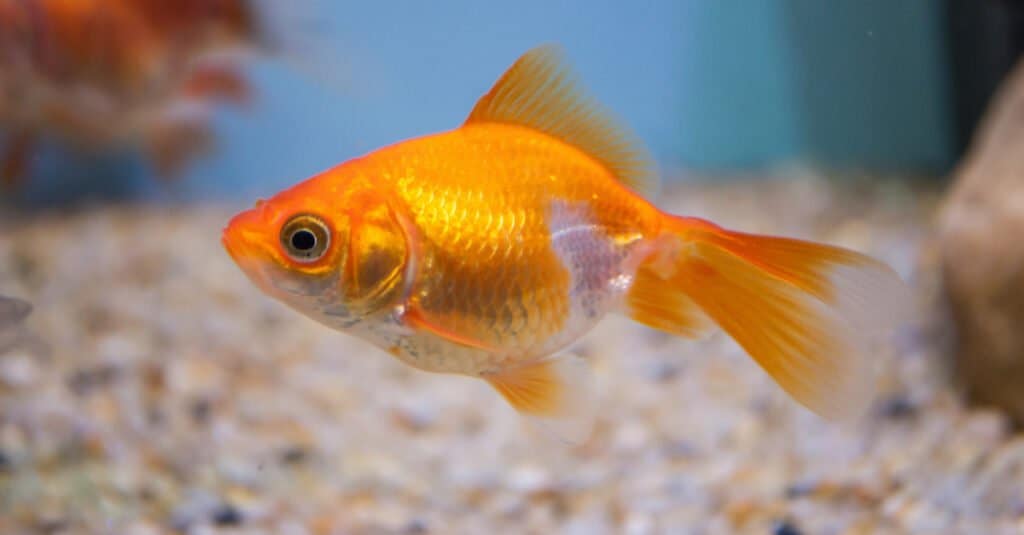
The common goldfish are descendants of wild carp from East Asia.
©Darko Cvetanoski/Shutterstock.com
Most types of fish are distracted in a heartbeat. However, goldfish, in particular, have a reputation for being plagued with a short attention span. Many claims state that their memory only lasts for mere seconds at a time. While goldfish are sometimes prone to forget previous activities, it was recently discovered that goldfish can remember certain events for multiple months!
3. Squirrels
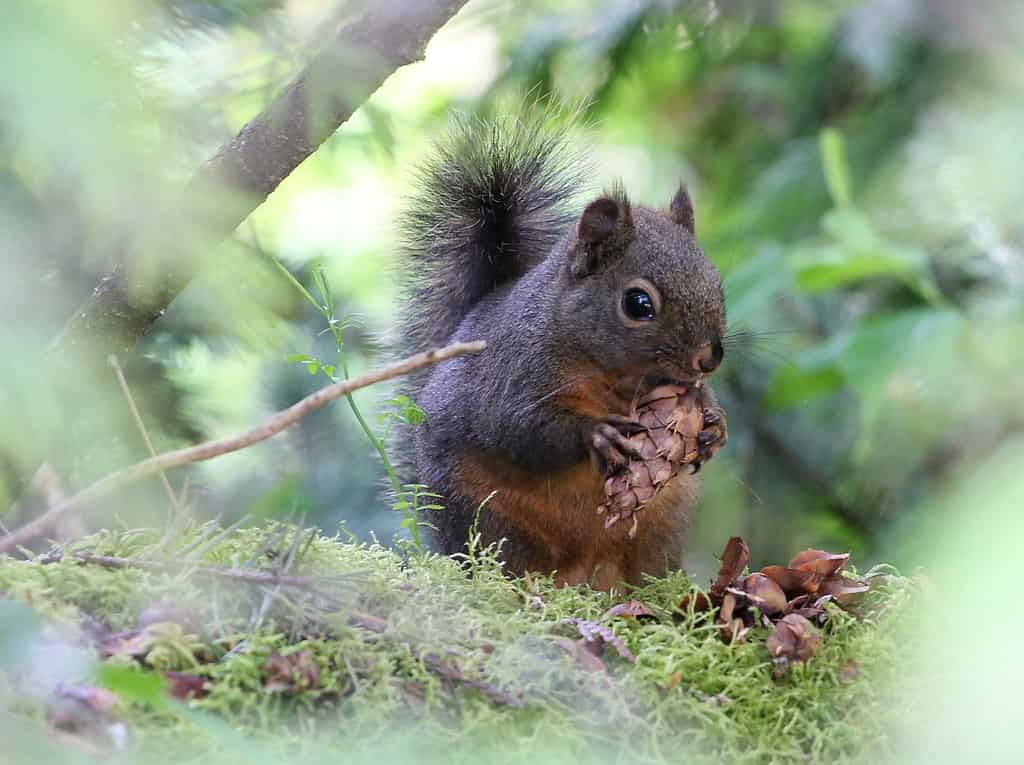
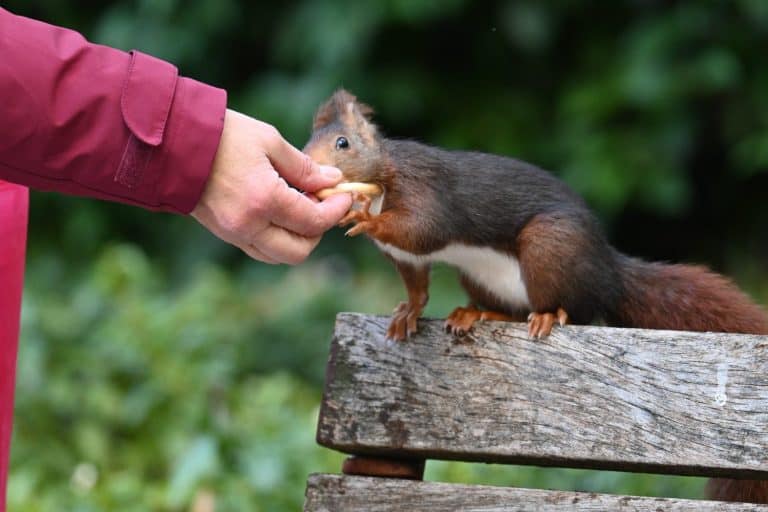
A squirrel is harmlessly nibbling on a pinecone.
©Randy Bjorklund/Shutterstock.com
With seemingly never-ending energy, squirrels are frequently seen leaping from branch to branch or darting frantically across the road. Their quick movements are linked to predator vigilance, food caching behavior, and high metabolism. Though these qualities make them appear to be easily distracted, no scientific proof exists that they have unusually short attention spans.
4. Parakeets
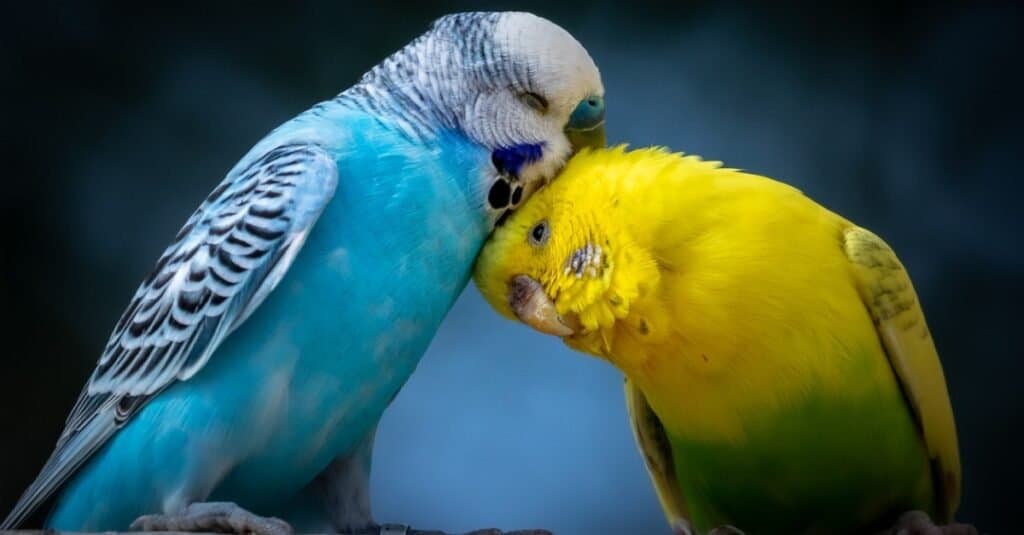
Parakeets often groom each other.
©iStock.com/Werner Baumgarten
Native to Australia, parakeets, also known as budgerigars or “budgies,” are gorgeous, colorful birds known for their energy. There is no shortage of entertainment for them in their homeland down under. However, keeping these delightful creatures domestically necessitates providing a plethora of mental stimulation for them. This can include frequently changing or rotating toys, talking to them, and providing plenty of space to fly. However, they require stimulation due to intelligence, not distractibility.
5. Hamsters
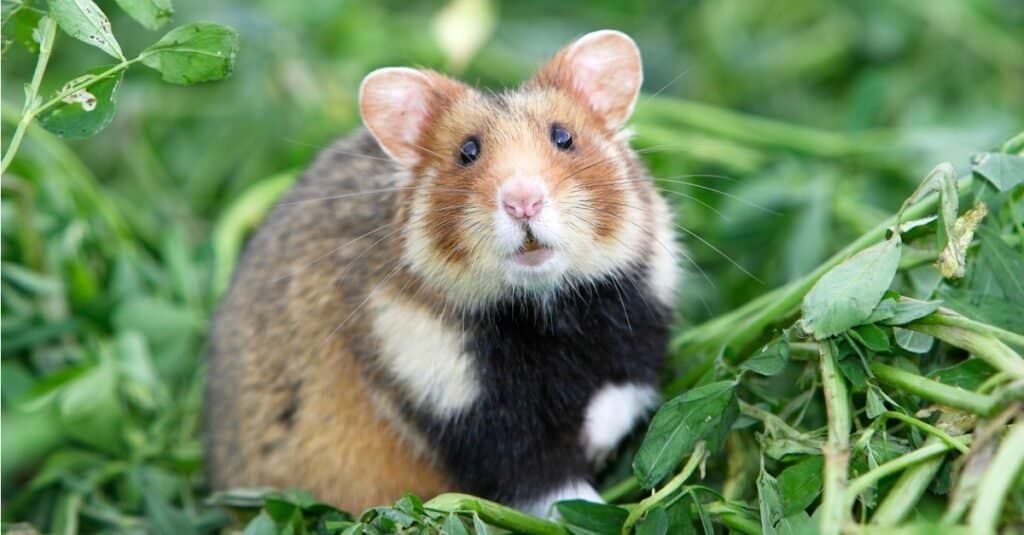
While some hibernate (sort of), hamsters are typically nocturnal.
©iStock.com/Michel VIARD
Like squirrels, hamsters have a very high metabolism, resulting in the frequent need for food to sustain themselves. These cute little animals seem unable to focus on any task for longer than a few seconds. However, their high activity levels relate to food storage instincts and nocturnal cycles, not proven limited focus.
6. Hummingbirds
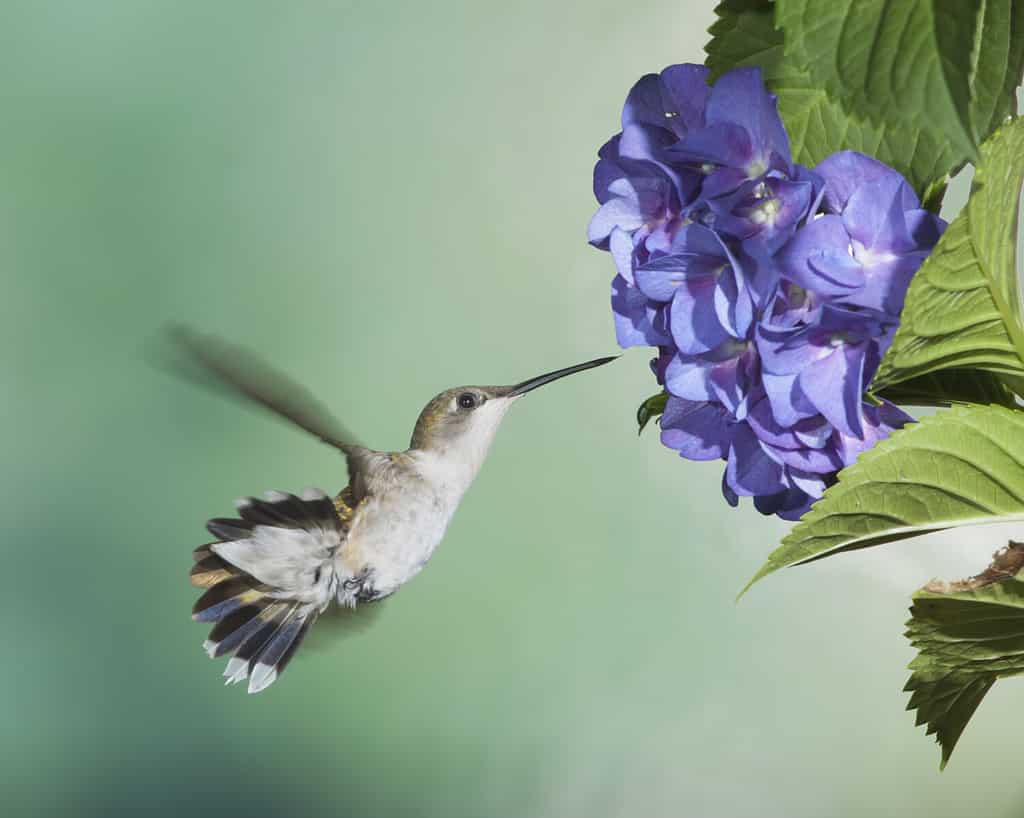
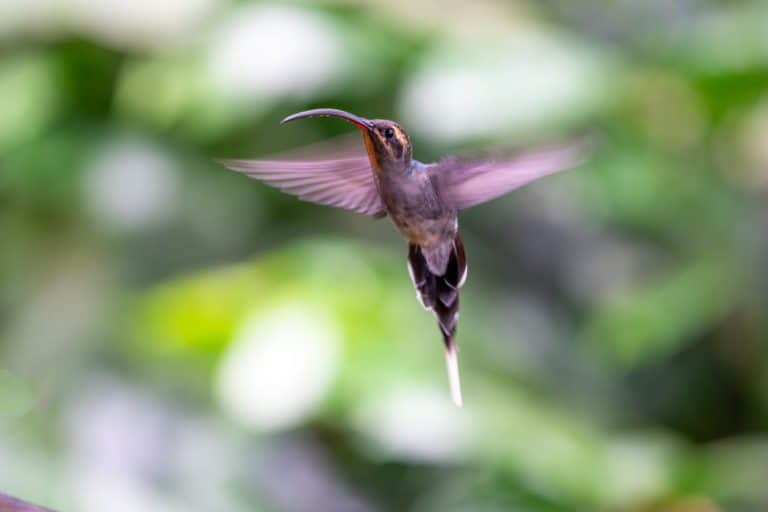
This hummingbird is living up to its name, making a humming noise as it beats its wings to stay adrift.
©R.C. Bennett/Shutterstock.com
Always searching, hummingbirds use a lot of energy to flap their wings at a rate of up to 70 wingbeats per second or more than 4,000 times per minute. These tiny birds are known for their rapid movements. However, high metabolism does not equate to a short attention span. Hummingbirds have excellent spatial memory and remember flower locations and feeder refill times.
7. Ferrets

Although this ferret appears to be an adult, newborns are so small they can fit inside of a teaspoon!
©Kerry Hargrove/Shutterstock.com
Native to the continent of Europe, ferrets are small, carnivorous mammals known for their curious and playful nature. Of course, along with their happy-go-lucky demeanors, they are also well-known for needing consistent mental enrichment and lots of stimulating activities to keep them engaged. Ferrets are highly curious and exploratory, which can look like distractibility, but not proven as short attention span neurologically.
8. Rabbits

Just like cats, baby rabbits are called, “kittens.”
©Nadezhda V. Kulagina/Shutterstock.com
These fuzzy, adorable, playful little mammals seem to have incredibly short attention spans, consistent redirecting focus based on their environment. During their frequent searches for food, the plethora of sights, sounds, and smells keeps them busy. But remember that frequent environmental scanning is predator vigilance, not inability to focus.
9. Moths
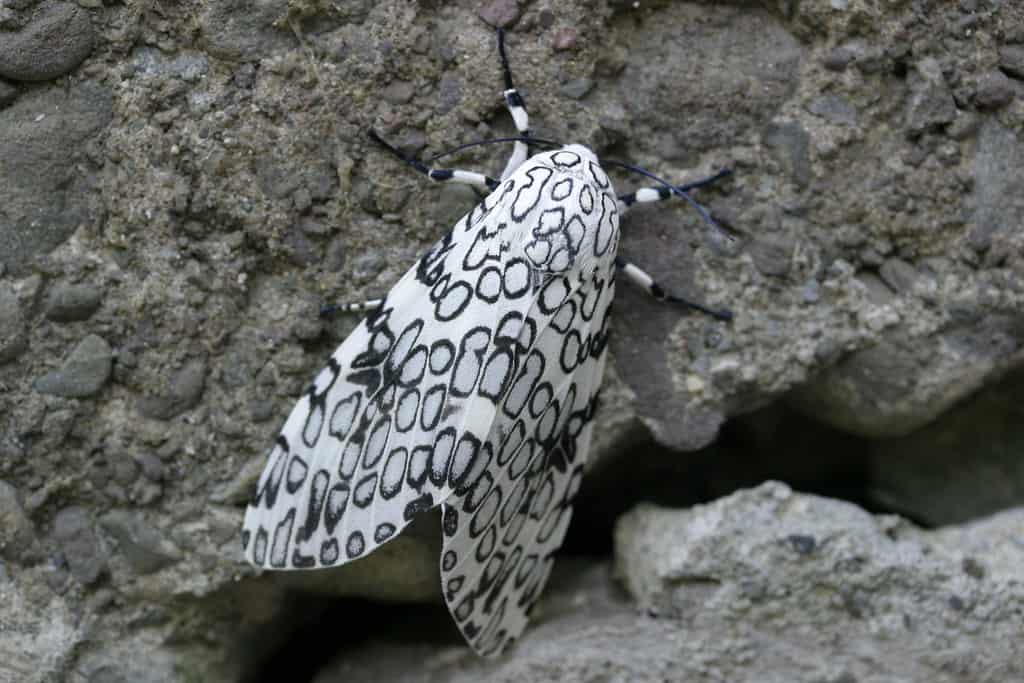
Moths outnumber butterflies by a ratio of nine to one.
As the final insect on this list, moths are also notorious for their tendency to look ultra distracted. The number of known species of moths worldwide is approximately 160,000. These creatures are essential in their ecosystem, as they are vital pollinators. Because moths use celestial navigation, artificial lights disrupt orientation. This disruption may force them to engage in behaviors that mimic a short attention span, but these are two separate mechanisms entirely.