
Every year millions of people across the globe are faced with a major decision around the holidays: to choose between a real Christmas tree and an artificial Christmas tree. When thinking about this major decision, there are a lot of questions that can be raised. What is better for the environment? Which one is the most budget-friendly? Which one is the tidiest?
In the end, some seemingly endless pros and cons can be made for buying both real and artificial Christmas trees. With this in mind, you must be well-informed so you can make the right choice for you this holiday season. Let’s take a look at 10 reasons why you should finally buy an artificial Christmas tree this year.
1. Cost

The holidays can be an expensive time of year. Save money by investing in an artificial tree!
©Singkham/Shutterstock.com
Artificial Christmas trees tend to be a one-time purchase or at least a once-in-a-long-time purchase! They tend to cost much more than real trees, which scares many people. After a few uses though, the price of an artificial tree far outweighs that of buying a new natural Christmas tree every year. Keeping this in mind, if you take good care of your artificial tree and use it for numerous years, you can save upwards of $150 or more yearly.
2. Convenience
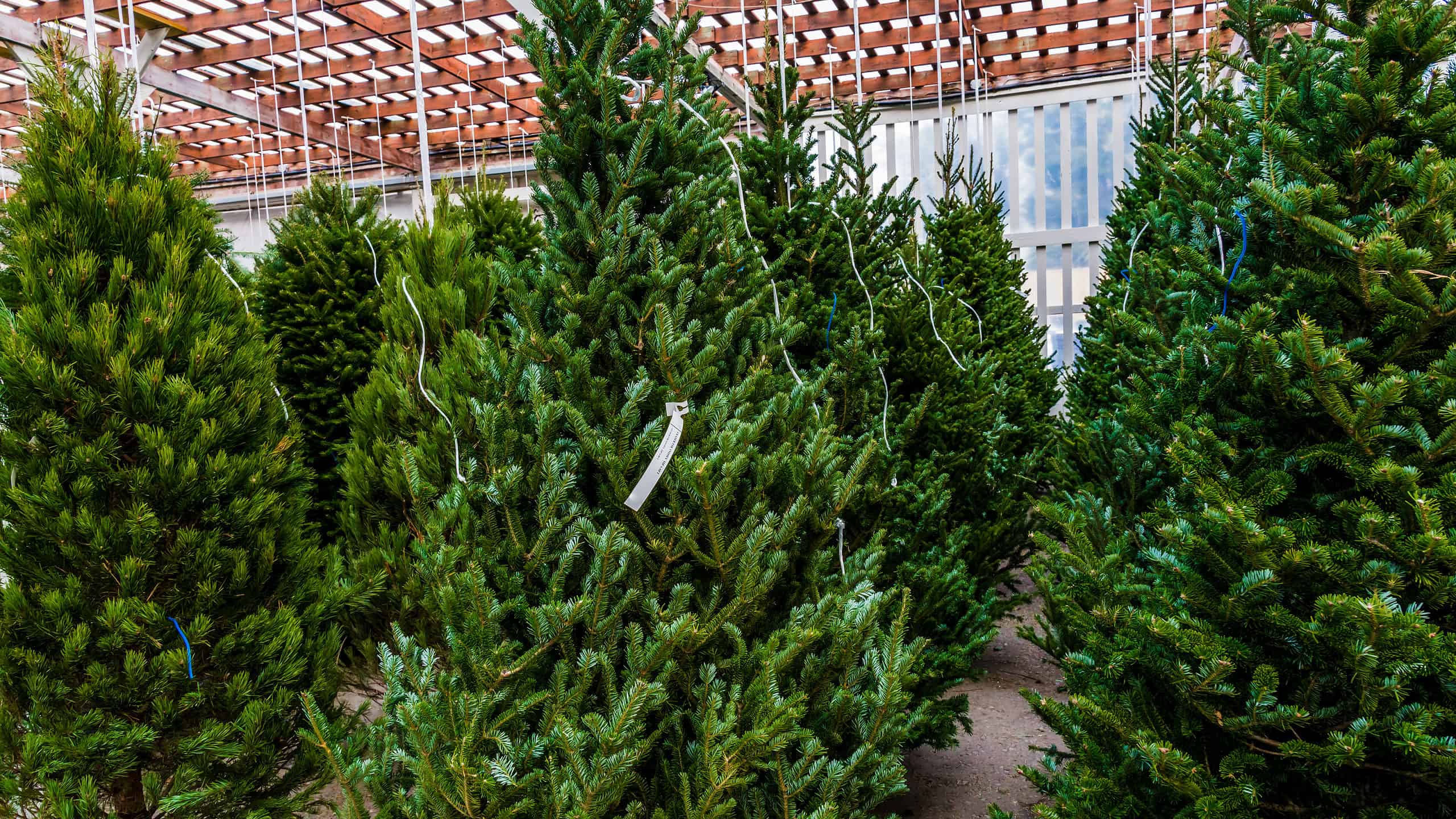
Buying an artificial Christmas tree can save you a lot of time.
©Gus Garcia/Shutterstock.com
Another reason why you should buy an artificial tree is that it gives you the comfort of convenience. It can be a big hassle to have to find a place to buy a real tree every year. On top of this, it is a lot of work to organize getting the tree, setting it up, and ensuring it fits well in your home year after year.
Assuming that you buy the perfect tree for your home, the only real work you have to do for an artificial tree is to take it from storage and set it up. In addition to this, the artificial tree doesn’t change year by year, so it will fit like a glove every Christmas season!
3. Less Maintenance
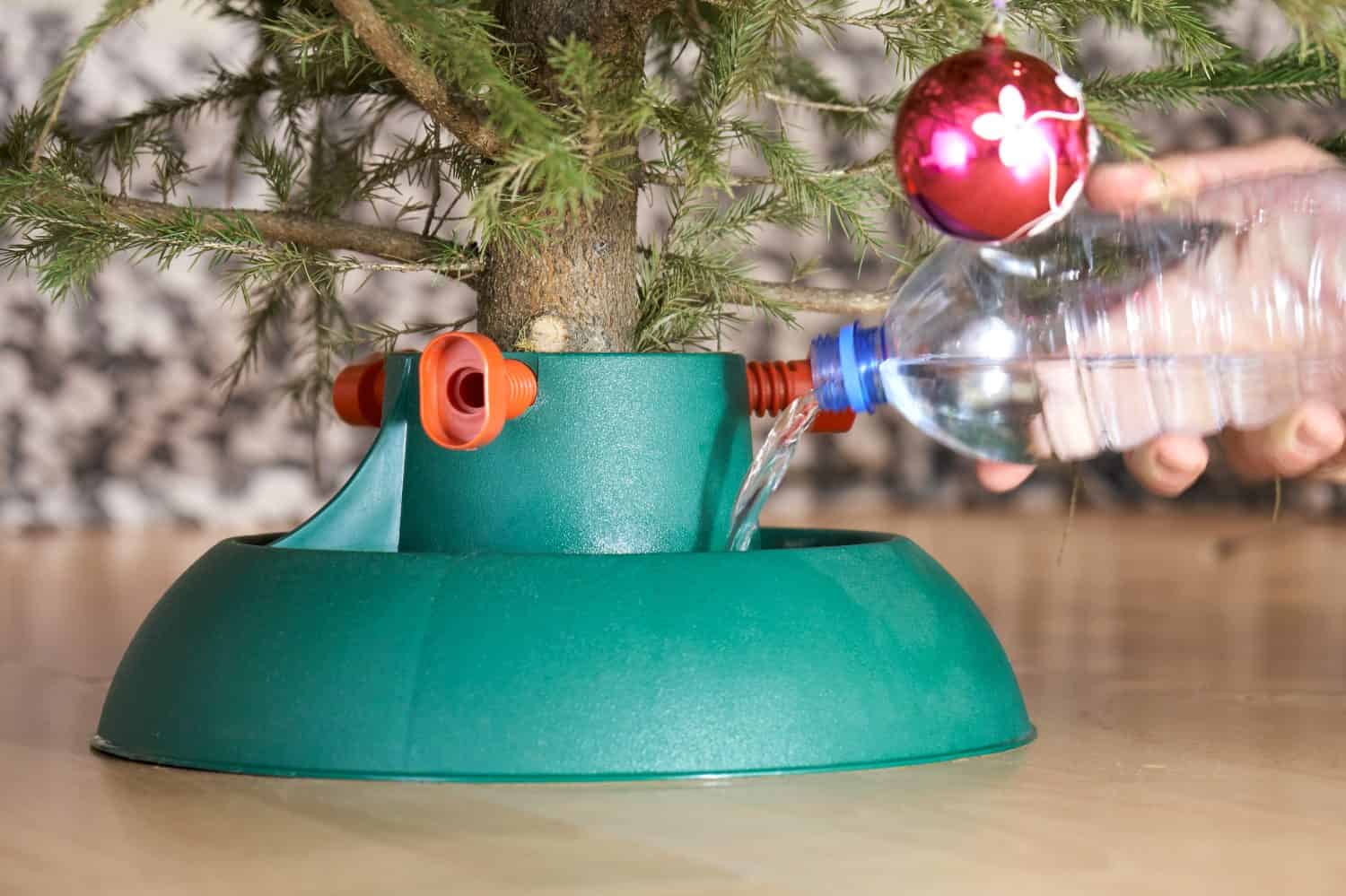
Watering live Christmas trees is a task of its own!
©Georgy Dzyura/Shutterstock.com
If you have ever had a real Christmas tree you are probably well aware that they require a lot of maintenance. For instance, the average live Christmas tree requires around one gallon of water a day to stay green and fresh. Not only can this be messy and rack up your water bill, but it can also take a lot of time out of your busy day. Artificial trees on the other hand require no such care. Immediately after setting up your tree, it is perfect and pristine for the rest of the holiday season!
Another hassle that can come with real trees is setting up lights. Finding places to store holiday lights and pulling them out to decorate a new tree can be a painstaking task. Many artificial trees now come with built-in lights, which can lessen the time it takes you to set up your tree every year!
4. Artificial Trees Can Be Realistic
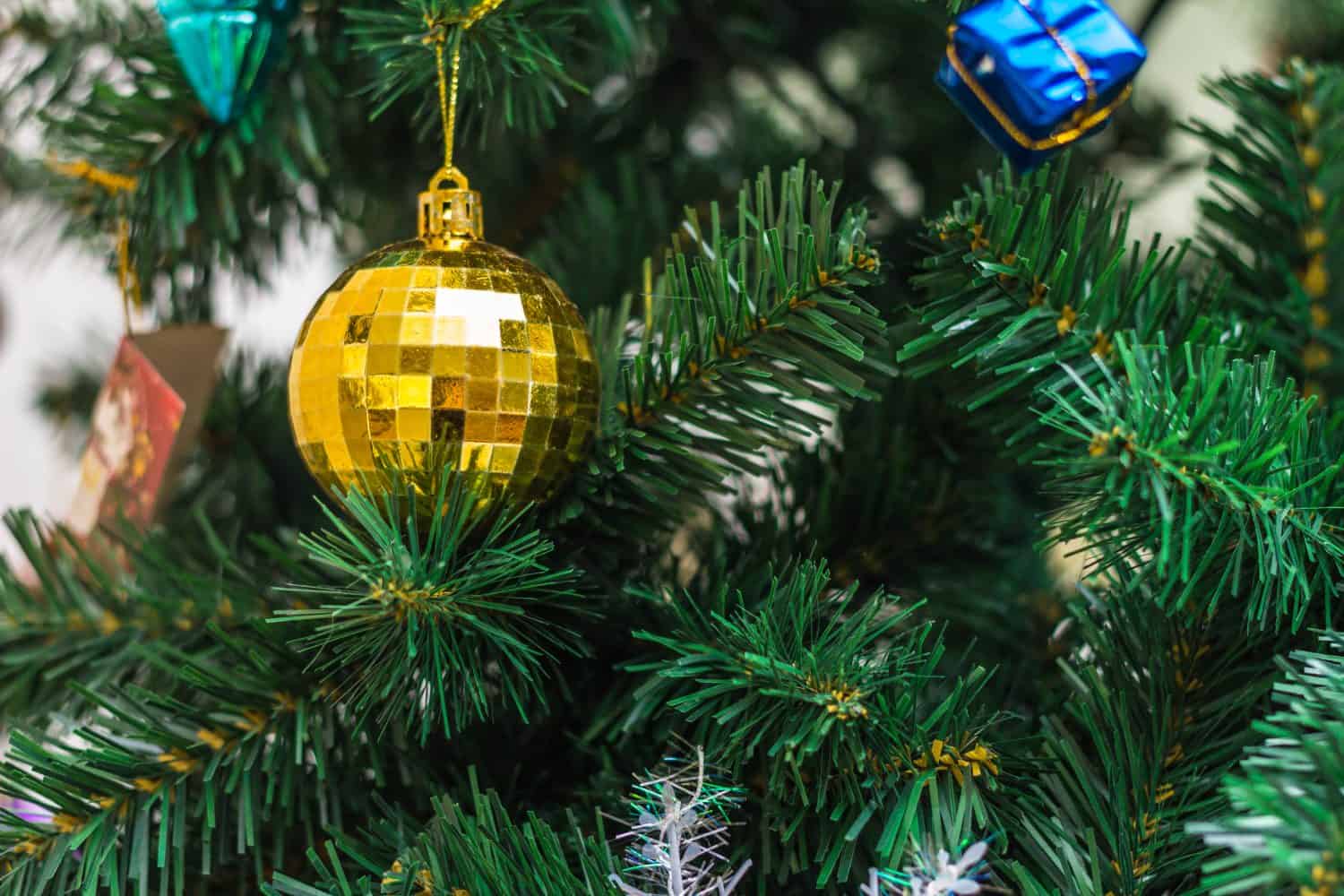
Many people mistake artificial trees for real ones during the holiday season!
©Ander5/Shutterstock.com
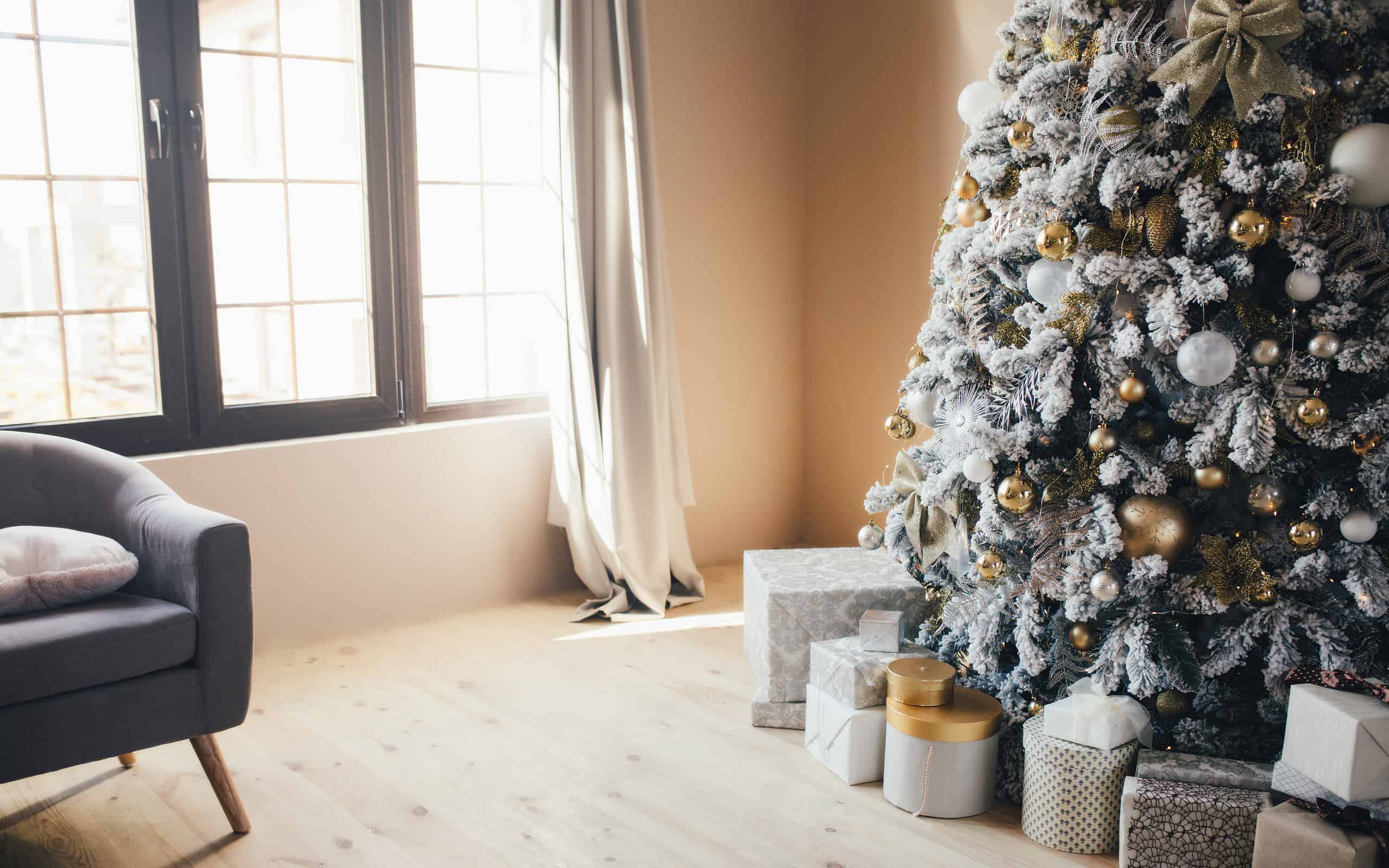
One issue that many people think they will have with artificial trees is their appearance. Many think that they look cheap, plastic-like, and overall fake as compared to real trees. While artificial trees can’t be compared to the real deal, they are still incredibly realistic.
5. Easy Storage and Removal
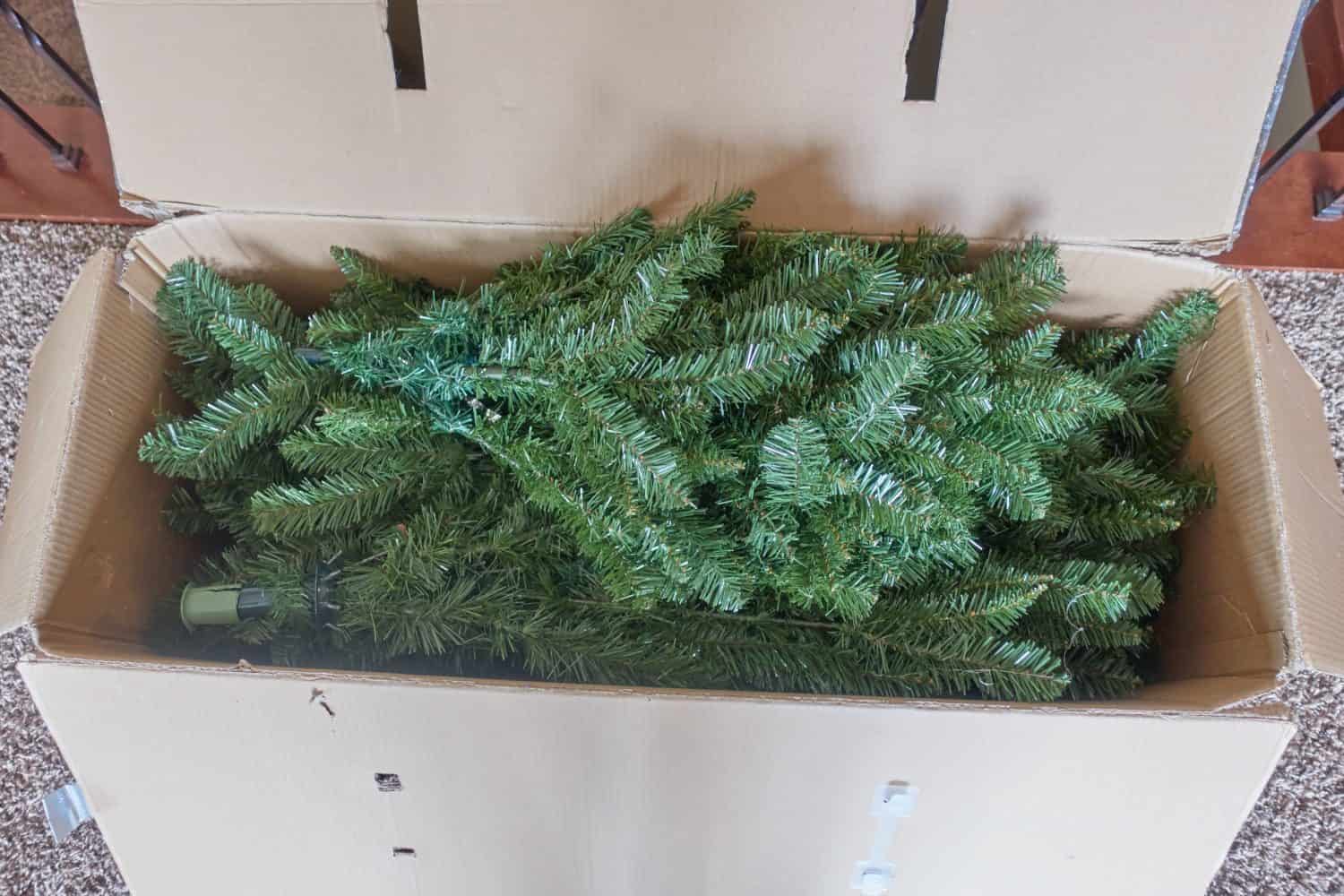
Most artificial trees can be taken apart and stored in a box.
©Lost_in_the_Midwest/Shutterstock.com
Another thing that comes easier with artificial trees is storage and removal. With traditional Christmas trees, you have to find some way to dispose of your tree every year. Additionally, many people want to dispose of their trees in an environmentally friendly way, which can be even more challenging! With artificial Christmas trees, as long as you have a storage area in mind, all you have to do at the end of the holiday season is pack it up and put it away. Additionally, at the end of their life, artificial trees can also be more simple to dispose of, as they can mainly be donated or sent to the landfill.
6. Online Shopping
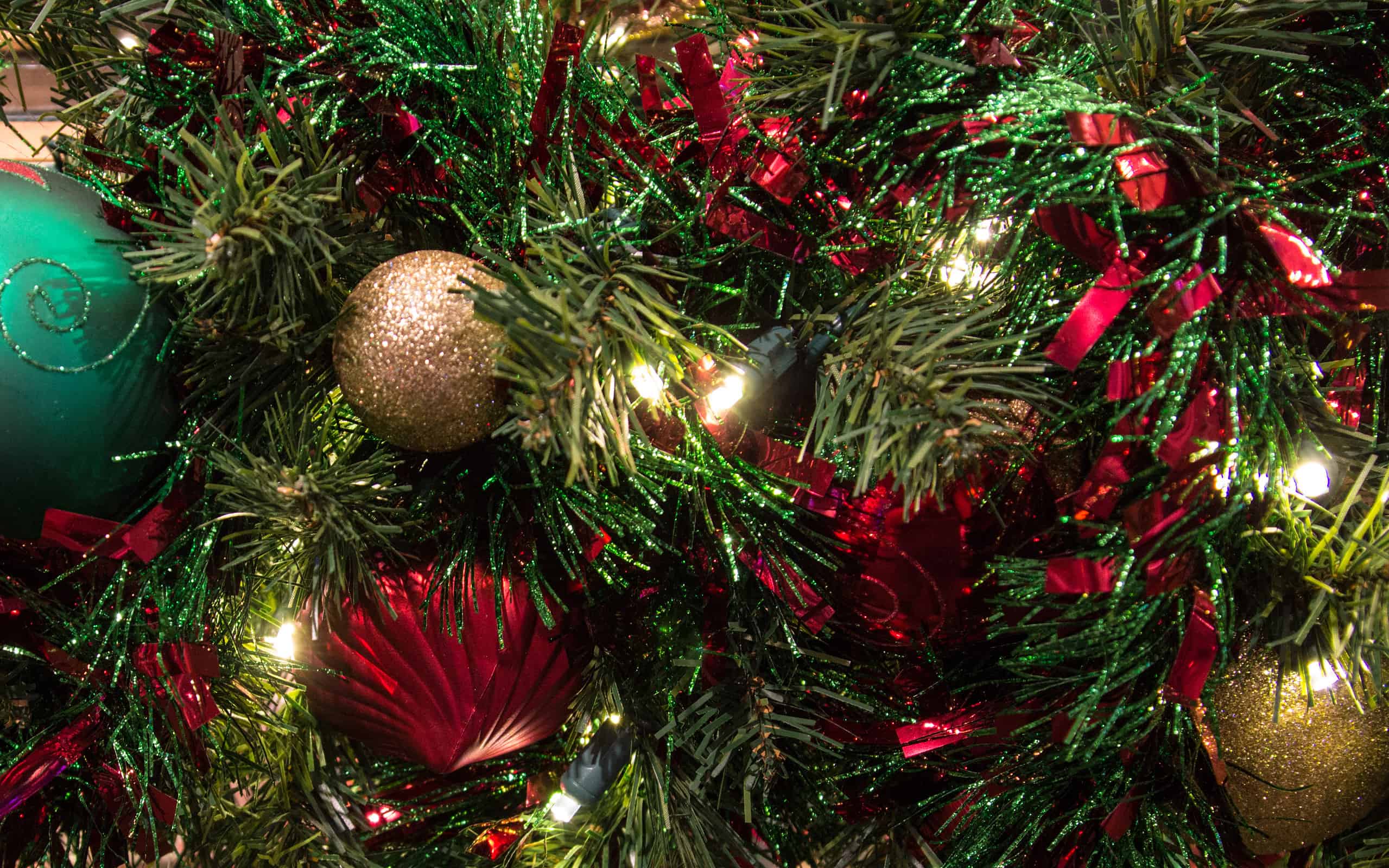
Everyone loves to online shop! This year you can even buy your tree online.
©ehrlif/ via Getty Images
Although it is a very minor point, another thing that is beneficial with artificial Christmas trees is that you can shop for them online. Many people don’t have the luxury of nearby Christmas tree farms, which makes searching for a real tree difficult or even unattainable. Many big-box stores have large online catalogs of artificial Christmas trees, which can make your holiday decorating an easier task.
7. Artificial Trees Are Customizable
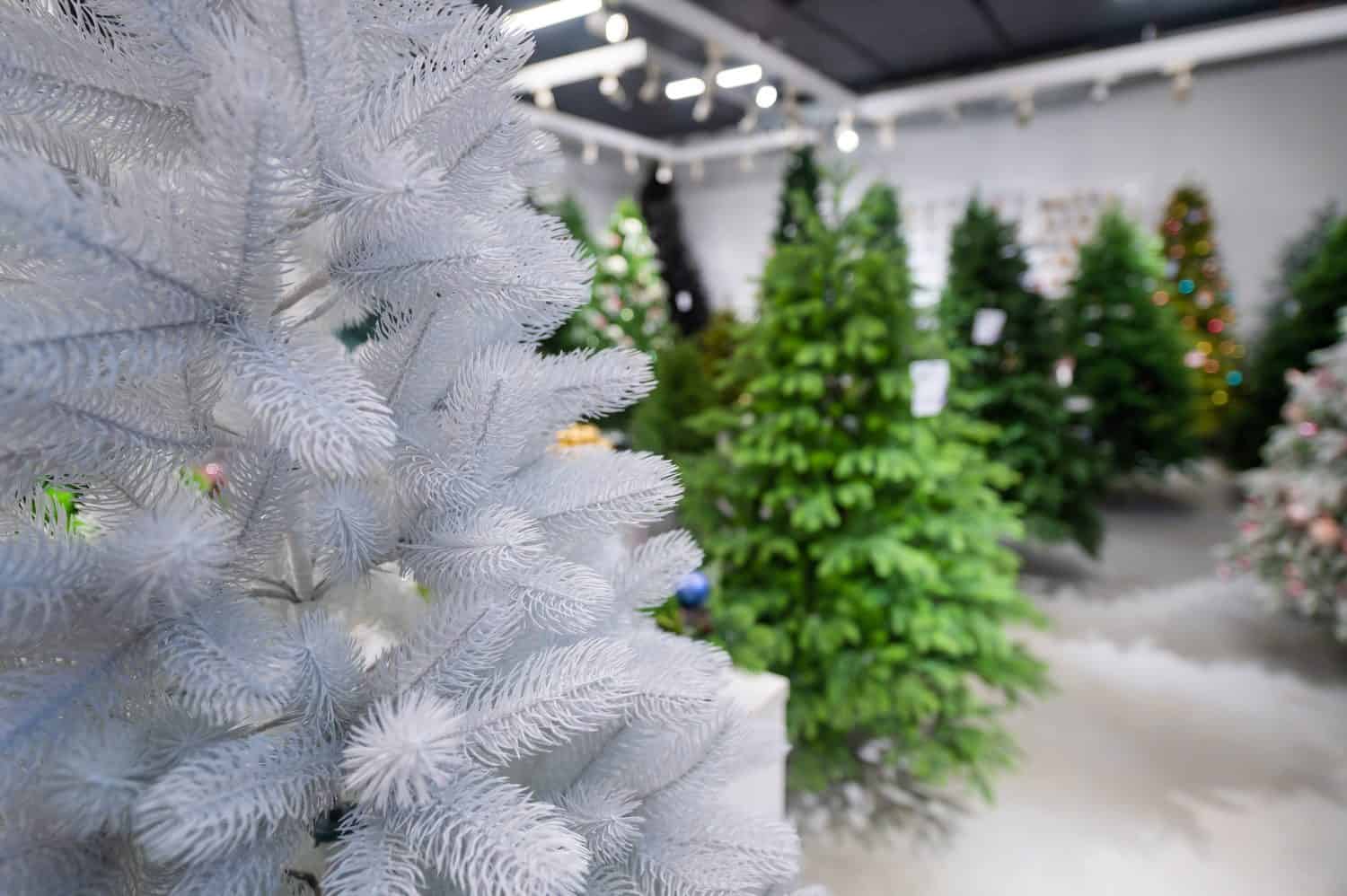
Artificial trees come in almost any color imaginable!
©Reshetnikov_art/Shutterstock.com
Everyone wants their Christmas tree to be unique, customizable, and of course, personal. Many also want their tree to match their home’s aesthetic. For instance, some people prefer darker-colored trees, while others prefer lighter trees. For the most part, purchasing live trees can be somewhat limiting, as only a few species are typically grown.
Artificial trees on the other hand open up a whole world of possibilities. One big customizable option is tree type, meaning you can often purchase artificial trees that look like different species. This can allow you to pick and choose the perfect tree to fit in your home’s aesthetic. Additionally, trees can also be customized with specific lights, most of which are pre-installed!
8. They Can Be Sustainable
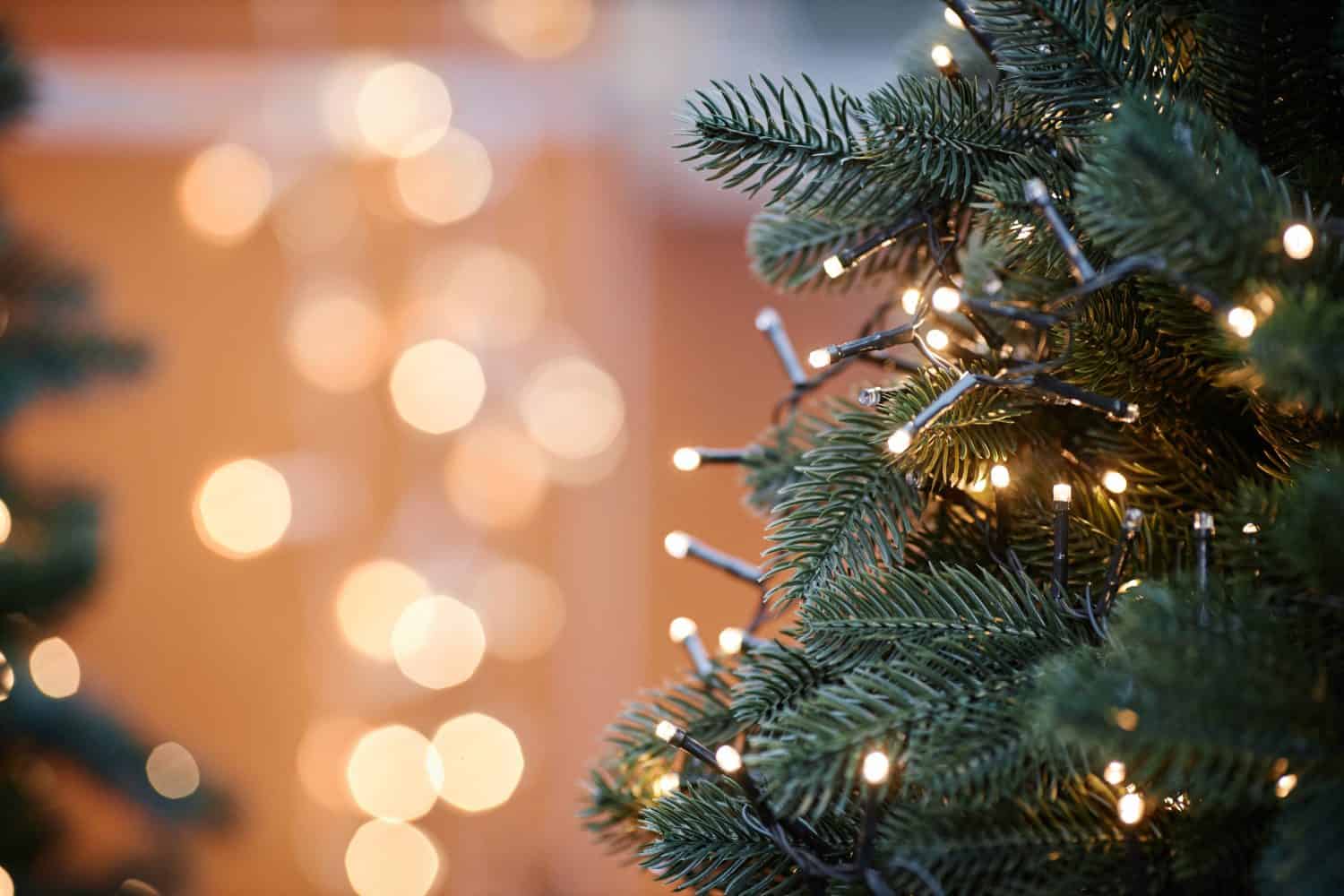
Depending on how long you keep it, artficial trees can be more sustainable than real ones!
©SeventyFour/Shutterstock.com
There are a lot of misconceptions that surround artificial Christmas trees. One of the most common is the idea that they are completely unsustainable for the environment. While it is true that they are made from unrecyclable and non-biodegradable materials such as plastic and metals, they do have some benefits. Depending on the source you use, most cite that artificial trees take the same amount of resources it would take to grow six average Christmas trees. Taking other environmental factors into account, it would take 6-10 years of successive use to make a singular artificial Christmas tree more sustainable than real Christmas trees. Although this seems like a lot, many people keep their trees for 8-15 years on average, which makes it equal, if not more sustainable than using a real tree every year!
9. Reduced Allergens and Scent
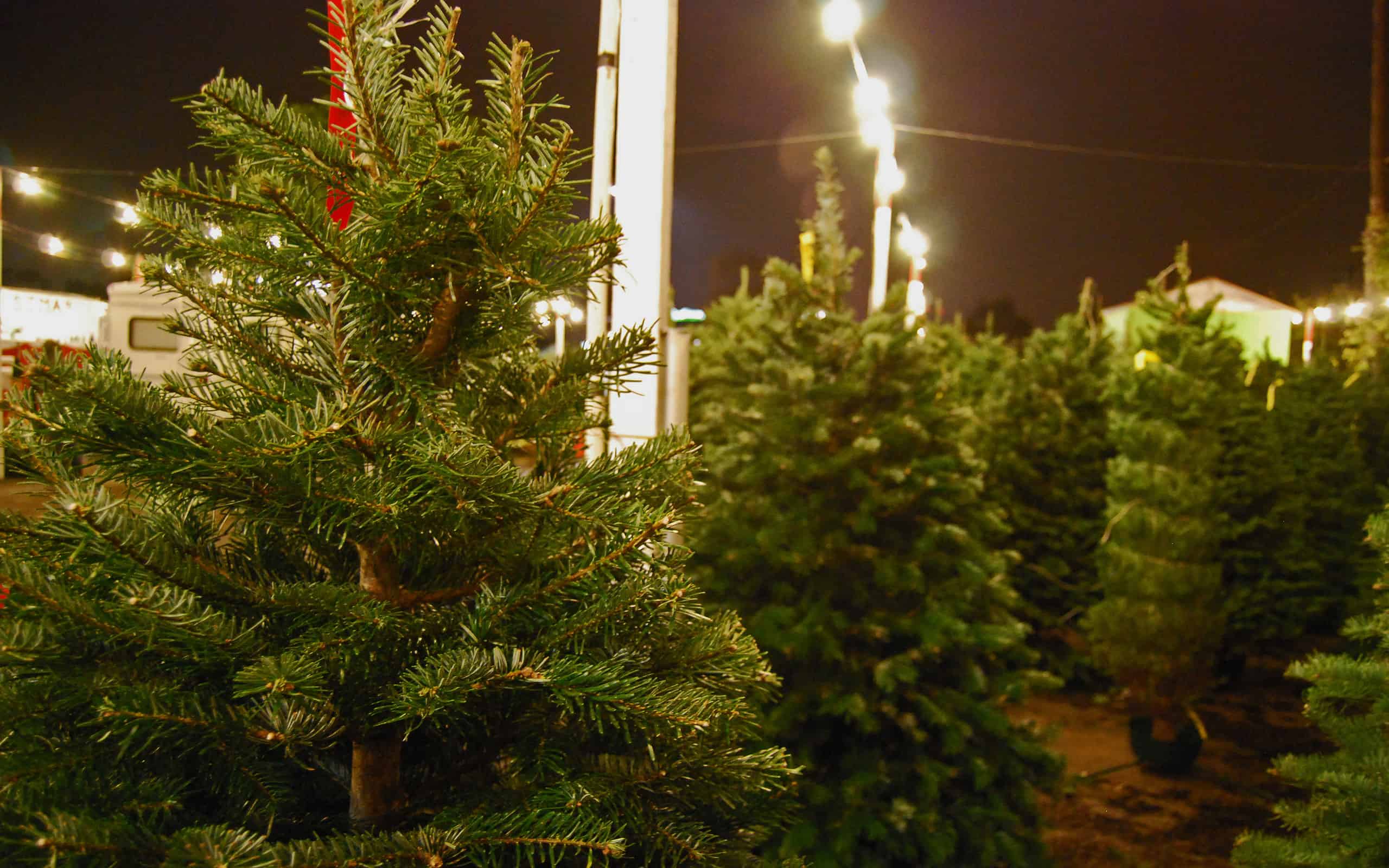
Real trees can trigger allergies in many people.
©Enio DePaz/ via Getty Images
Although many people love the charming pine scent of a real Christmas tree, it can be the source of some serious allergies for others. Furthermore, some people find the natural scent of real Christmas trees to be overwhelming!
Artificial trees on the other hand usually don’t have scents attached to them, and they don’t contain typical tree allergens. On top of this, you can even scent your tree, which gives you more control over your home’s ambiance.
10. Cleanliness
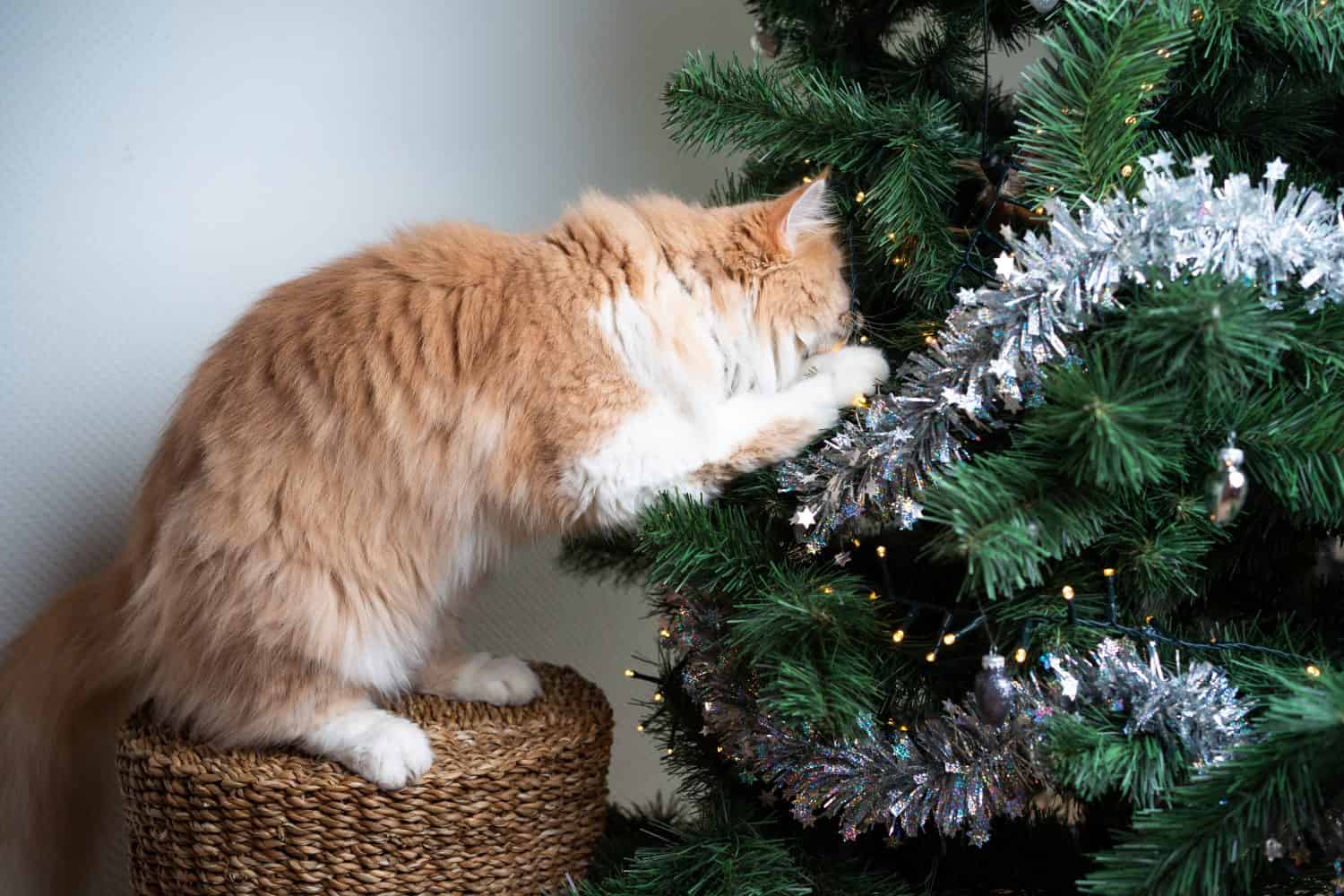
Artificial trees rarely make a mess with needles. If they do, they are much easier to clean than the real deal!
©Nils Jacobi/Shutterstock.com
One last benefit of using an artificial tree is that it tends to be more tidy. Real trees tend to lose needles, have bugs, or even leak sap as they wear down throughout the holiday season. In comparison, artificial trees only shed needles occasionally, which can be easily vacuumed or swept up, keeping your at-home Christmas wonderland neat!