
Quick Take
- Feeding dolphins is illegal in Australia, but the government allows it anyway. Scientists say that decision carries a steep hidden cost. See the hidden costs →
- Wild dolphin tourism generates billions of dollars and genuine conservation goodwill, so why do researchers say it may be doing more harm than the industry admits? Explore the tourism debate →
- Researchers looked to a completely different country's dolphin management playbook, and the simulation results were striking. See the simulation results →
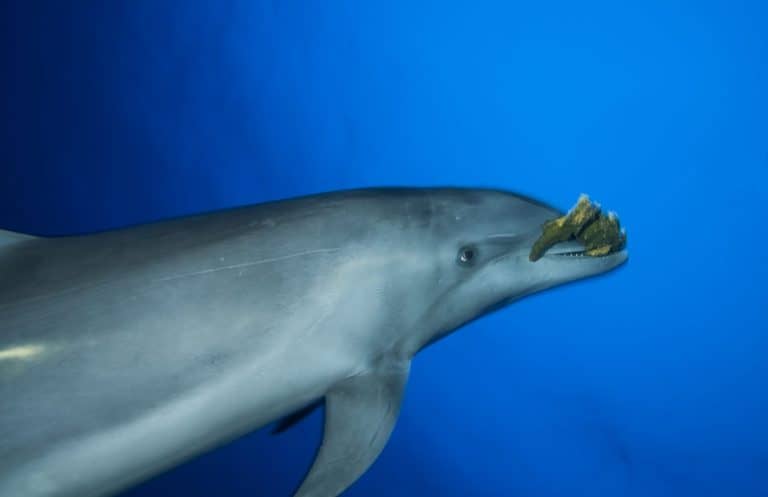
Dolphins are among the smartest creatures on Earth. They are also among the most playful. These factors have led to the establishment of tourism practices in locations around the world where dolphins gather. Compared to other aquatic creatures, dolphins will approach humans, take food from them, and even engage in play. According to the latest research, however, these practices could ultimately lead to a steep decline in the Indo-Pacific bottlenose dolphin population off the coast of western Australia.
Despite dolphins’ interest in us when we get into the water, this research echoes what many scientists say about human-wildlife interactions. Despite our best efforts and intentions, wild animals have their own cycles, practices, and tendencies that are threatened by well-meaning humans. This is especially true with feeding; we feed wild animals, and then they become reliant on us for food, upsetting the natural balance. Even dolphins, one of the smartest creatures around, are not immune to the prospect of easy food and its consequences. Let’s learn more about wild dolphin tourism and whether it may be doing more harm than good for isolated and increasingly threatened dolphin populations.
Continue reading
Wild Dolphin Tourism

Dolphin tourism is a booming business in some places, but scientists say it does more harm than good.
©Tanuwashvets/Shutterstock.com
Head to a sunny beachfront somewhere around the world and chances are you can find a way to swim with or interact with dolphins. Off the coast of Southern California, this often takes the form of boat tours to spot thousands of dolphins swimming through the ocean at once. In other places, like the Bahamas, tourists can get truly up close and personal with wild dolphins. Many places throughout the Caribbean offer structured snorkeling or dolphin swimming exhibitions.
Dolphin watching and interaction tourism activities are part of the larger marine mammal watching industry. Combined, wild whale and dolphin watching generate at least 2.1 billion dollars annually. Even in a single location like Hawaii, wild-dolphin tourism produces several million dollars in revenue annually.
Supporters of these practices point to several benefits for both dolphins and the communities that welcome them. Such tourism activities create environmental awareness and boost coastal economies. They also motivate people to protect coastal habitats instead of misusing them. Opponents of wild dolphin tourism, however, point to very real consequences of such intimate human-wildlife encounters.
Dolphin Feeding
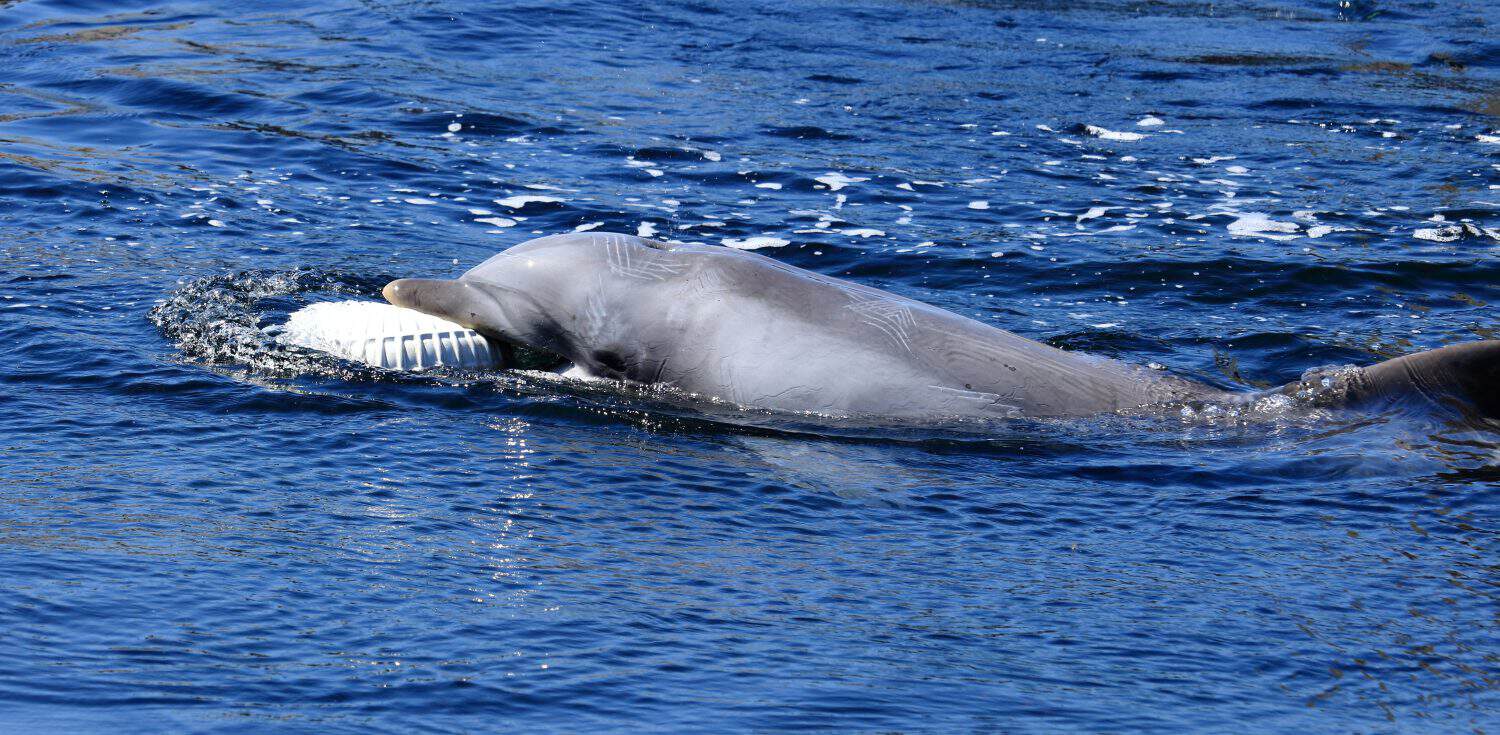
The latest research regarding wild dolphin tourism seems to bolster the opponents’ claims. The study, published in the journal Oikos, identified serious problems with feeding dolphins. It suggests that the Indo-Pacific bottlenose dolphin population off Bunbury, Western Australia would fall from 350 to just 7.4 individuals due to wildlife tourism practices.
Despite the fact that feeding wild dolphins is illegal in Australia, state regulators have granted permission to four locations to provide dolphins with limited food for tourism purposes. This practice has both immediate and long-term effects on dolphin populations. As the study’s first author, Dr. Valeria Senigaglia explained to Phys.org, “Feeding dolphins has been correlated with high levels of begging behavior, e.g., approaching vessels for handouts, which leads to inappropriate food or injury, and the removal of bait from fishing gear that could lead to entanglement.”
That said, it is difficult to isolate the exact impact of food provisioning. There are simply too many factors at play that contribute to dolphin population decline, including climate change, disease, habitat degradation, and the effects of recreational watercraft use. Even so, feeding wild dolphins has been shown to lower reproductive success and offspring survival.
Simulating Decline
Because so many factors affect Indo-Pacific bottlenose dolphins, the researchers simulated the effects of human-dolphin interactions using a laboratory model. They combined a decade of monitoring the dolphin population in Bunbury with a population viability analysis model to simulate the effects on the population over the next century.
The researchers created several scenarios to predict possible outcomes. As Dr. Valeria Senigaglia explained to Phys.org, “We compared scenarios containing fed and nonfed dolphins with additional scenarios including an outbreak of morbillivirus disease, human disturbances known to increase calf mortality, and a cumulative effects scenario containing morbillivirus outbreaks, additional human disturbance, and ‘catastrophes’ like harmful algal blooms and oil spills.”
Risks of Extinction

According to the simulations run by researchers, food provisioning doubled the probability of Indo-Pacific bottlenose dolphin extinction over the next 100 years.
©Monica Lozano Subiranas/Shutterstock.com
They also devised a scenario inspired by dolphin management practices in Scotland, which limit food provisions. In this simulation, the researchers saw a predicted increase in population growth. This scenario involved stopping feeding practices, restricting human water activities, and expanding the protected area.
The researchers noted that food provision is just one piece of the puzzle. However, it’s one that can speed up population decline when disaster strikes. Dr. Valeria Senigaglia said, “While food provisioning is not the only reason for the projected decline under current conditions, and an outbreak of morbillivirus (a likely occurrence) would be much more detrimental, feeding wild dolphins accelerates the decline.”
Across all simulations, researchers found that food provisioning doubled the probability of Indo-Pacific bottlenose dolphin extinction over the next 100 years.