
Quick Take
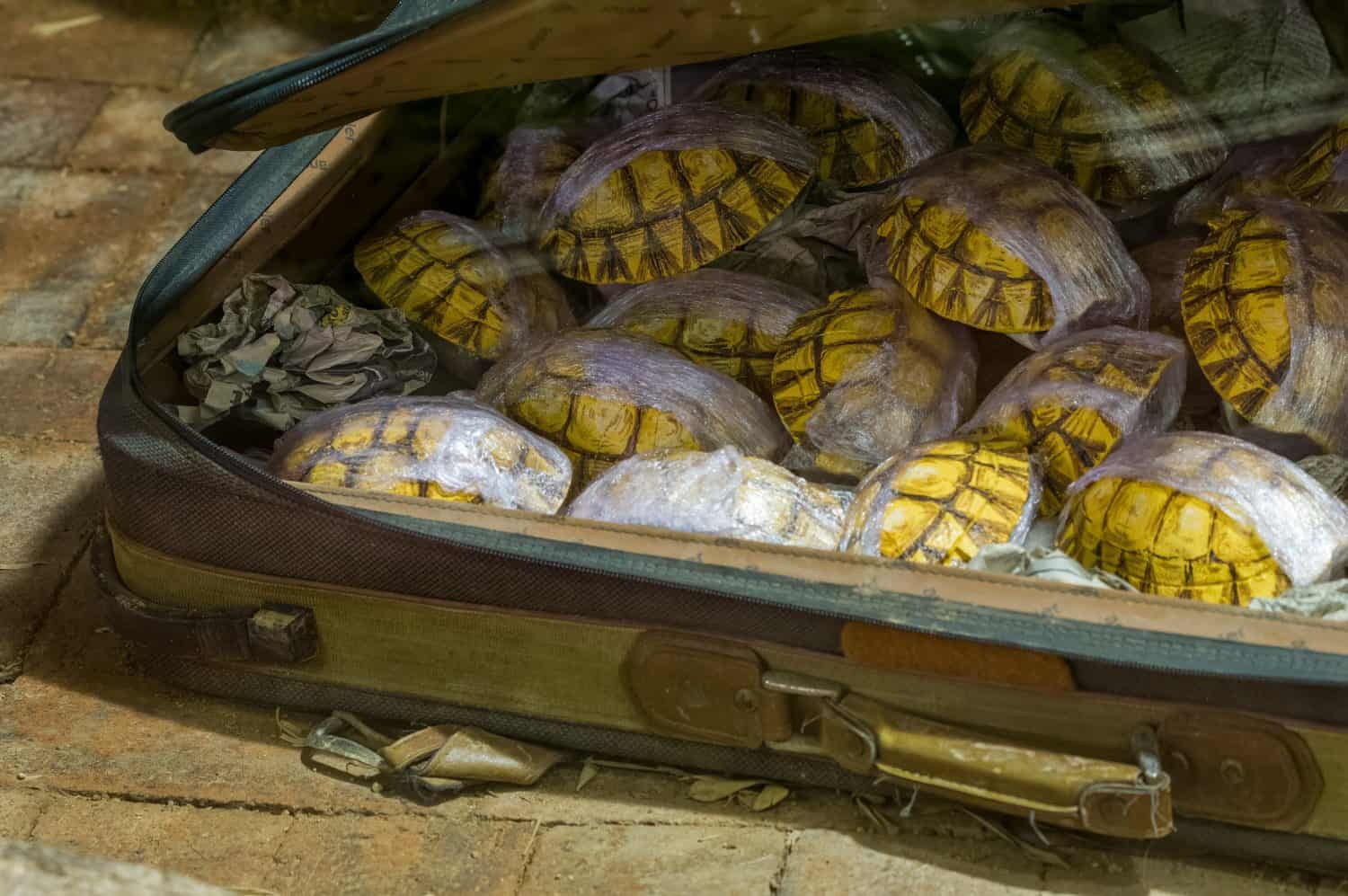
- One traveler's luggage contained something so unexpected that airport police in Costa Rica could barely believe what they were looking at. See what was seized →
- Picking up something off the ground in Costa Rica could land you in jail, a fact that most tourists have absolutely no idea about. Understand the legal risks →
- A new campaign is exposing just how dramatically wildlife trafficking by tourists has surged, as well as revealing who is actually responsible for stopping it. Explore the #WhatYouCarry campaign →
Costa Rica is home to some of the world’s most beautiful and endangered species. Its ecosystems are home to exotic aquatic life and mammals that swing through its lush rainforest canopies. Hundreds of birds, reptiles, and amphibians also inhabit this landscape, sustained by its native flora and fauna. Those lucky enough to experience it treasure moments that others only dream of having.
But sadly, tourists do not always remain careful observers, and we do not always consider the impact our actions have on delicate environments like Costa Rica’s. Since the beginning of 2024, officials have confiscated at least 4,366 animal and plant specimens from travelers’ luggage. Each confiscated specimen represents a loss to Costa Rica’s ecosystem. Now, the #WhatYouCarry campaign is raising awareness about the damage caused by removing wildlife and plants from their natural habitats.
Continue reading
Tourists Brought Home Live Plants and Animals
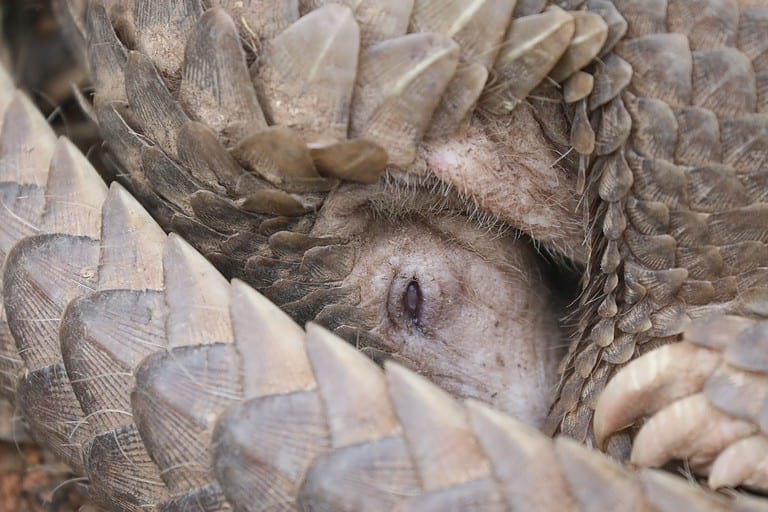
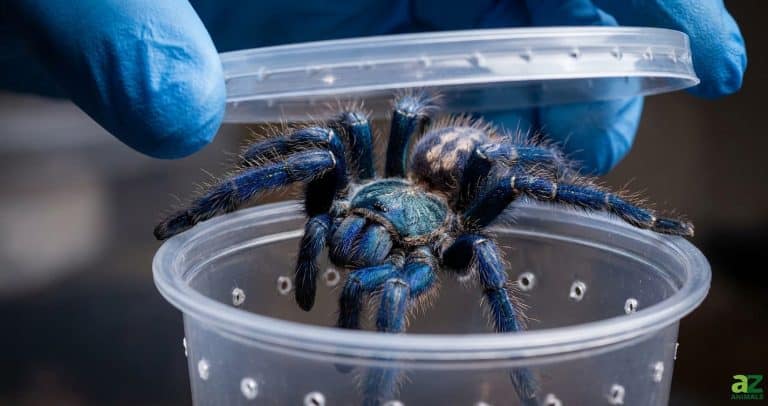
It might seem like an innocent act, but removing any living thing from its habitat has consequences. In the last two years alone, Costa Rican officials have identified seven main groups of wildlife targeted by tourists. These included arachnids, birds, mammals, fish, sharks, mollusks, and even insects, whether removed deliberately or unknowingly.
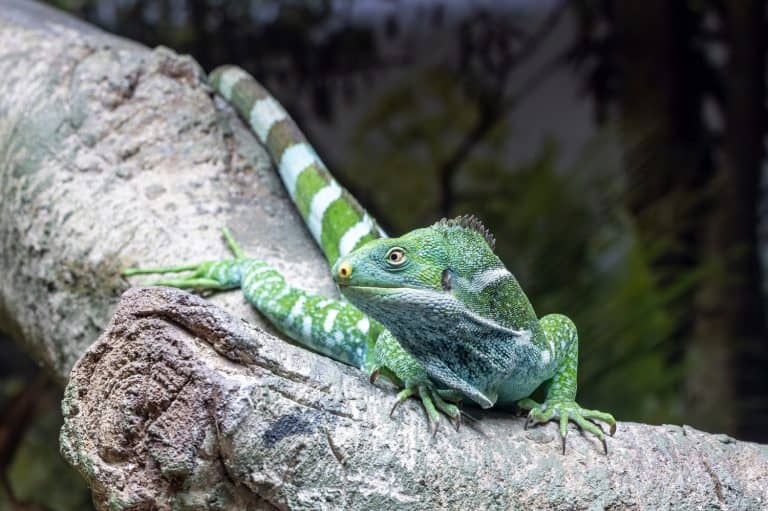
In one case, many of these were seized from a traveler who planned to build their own rare Costa Rican collection. The problem was that many of these “artifacts” were still alive. In addition to big-cat claws and bones, police at Juan Santamaría International Airport discovered insects, arthropods, amphibians, and reptiles. While some had sadly perished, others would have suffered during travel had they not been confiscated.
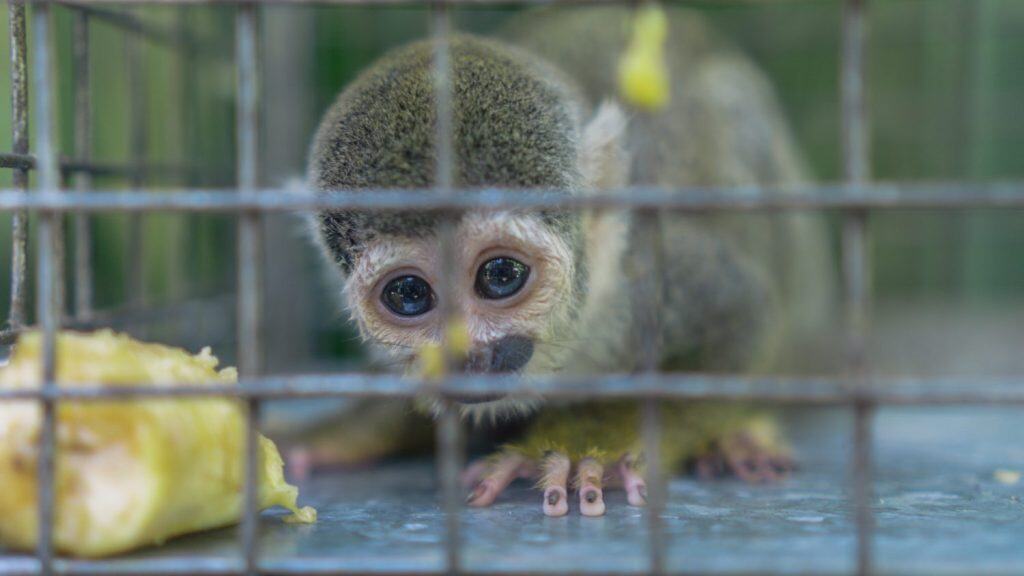
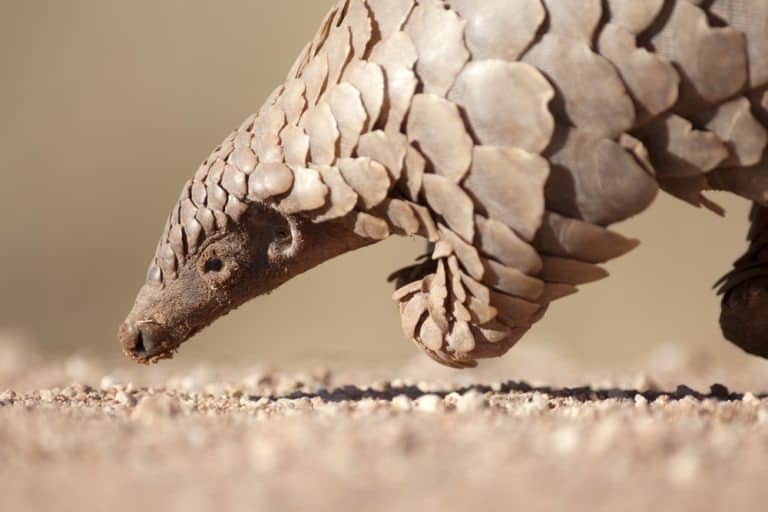
Wildlife trafficking doesn’t always involve hundreds of species; it may target only one.
©Andrew J. Clark/Shutterstock.com
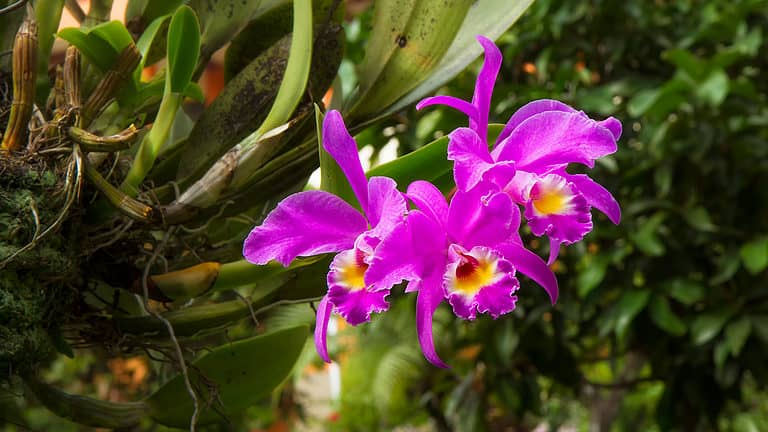
Wildlife isn’t the only thing threatened by tourists. Earlier this year, at the same airport, police found more than 300 orchids in a traveler’s luggage. These exotic flowers are crucial to Costa Rica’s landscape, where they grow wild, providing shelter for insects and food for pollinators.
During another inspection, police also discovered more than 150 psittacine (parrot) eggs. It’s unclear how the eggs were obtained, but their removal likely caused significant stress to the nest. Removing these eggs increased the risk of extinction for an already threatened species.
Visitors To Costa Rica Can Choose Conservation Over Collection
Criminal charges are also brought against tourists who attempt to export flora and fauna. But Andrea Borel, Executive Director of Humane World for Animals, believes tourists can choose to do better. In an interview with Tico Times, Borel said that protecting wildlife is everyone’s responsibility, not just the authorities’. Together with Costa Rica’s Judicial Branch and airport operator AERIS, Humane World for Animals hopes #WhatYouCarry drives home this point.
We often hear about massive animal trafficking operations, but even seemingly small exports have a big impact. Tourists might smuggle a piece of coral or a shell—thinking it’s nothing—only to realize their mistake later. That coral was a living part of the ocean, while a shell may have housed aquatic life or served as a shelter. Even the smallest action can create a ripple effect, especially in an ecosystem as fragile as Costa Rica’s.
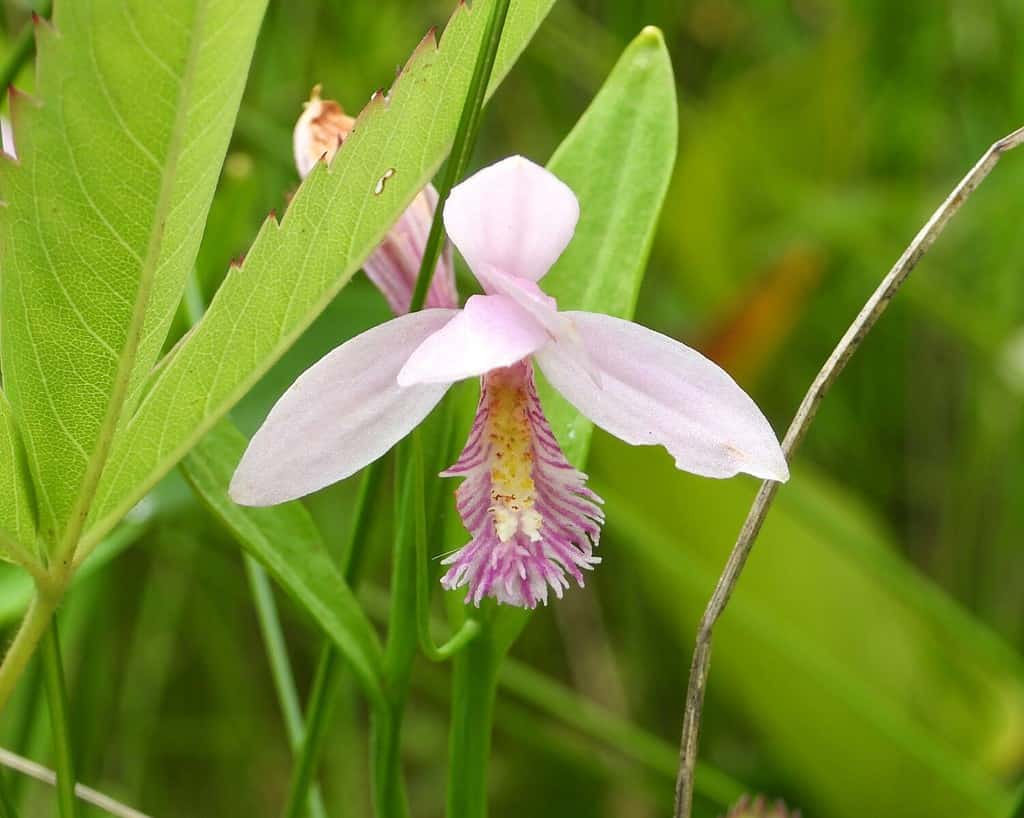
Smuggling plant life is just as harmful as trafficking wildlife.
©Brian Woolman/Shutterstock.com
The mission behind #WhatYouCarry is to let tourists know that Costa Rica’s wildlife is not a souvenir. According to the campaign, more than 1,000 animals are admitted to rescue centers annually due to trafficking, which deprives them of food, habitat, and their natural routines. Between 2023 and 2025, Costa Rica’s forensic teams reported a 230% increase in cases related to wildlife trafficking.
Costa Rica Penalizes Wildlife Smuggling Harshly
People who illegally transport wildlife—even unknowingly—may face serious consequences. Costa Rica’s Wildlife Conservation Law (No. 7317) imposes harsh penalties for the import, export, removal, and destruction of plants and wildlife. These laws also apply to by-products, not just living organisms. That means something as simple as picking up a feather, claw, or shell could be punishable by law.
| Flora and Fauna Prohibited From Being Removed |
| Orchids and other wild plants |
| Corals, shells, and sea snails |
| Teeth from animals, even if they’ve fallen out |
| Turtle shells and turtle shell pieces |
| Animal skulls and/or bones |
| Feathers from wild birds, regardless of whether they’ve been found on the ground |
| Seeds or wild plant matter (certification is required to take samples) |
| Insects, spiders, and scorpions |
| Wildlife hides, fur, or skins |
| Handicrafts that may contain wildlife parts |
| Amphibians and reptiles |
The consequences for this vary based on the crime. Some are fined thousands, while others may face jail time if their crime is severe. This carries a heavier sentence for crimes involving threatened and endangered wildlife, many of which are threatened or endangered.
Removing wildlife or plant life from their ecosystems causes a chain reaction. Although each loss may seem insignificant, these gaps in a habitat accumulate over time. When tourists see others taking from the environment, it creates the impression that such actions are acceptable. In reality, every item taken from Costa Rica’s unique ecosystem leaves a void, disrupting the balance and potentially depriving animals or insects of shelter, food, or nesting sites.