Insects are everywhere, crawling across sidewalks, hanging out in our gardens, and even invading our homes. Despite inhabiting nearly every corner of the planet, many of the most common insect species go widely misunderstood. The average American struggles to correctly identify insects they see on a regular basis, often confusing harmless species with pests or mislabeling beneficial insects altogether. This lack of basic knowledge can lead to unnecessary fear and harmful decisions.
Knowing the difference between common insects isn’t just a matter of trivia. Such information (or lack thereof) affects how people respond to bites, infestations, and environmental concerns. Misidentification can lead to use of toxic pesticides, missed warning signs of actual danger, or misplaced panic about species that pose little to no risk. This article highlights the insects most Americans cannot recognize correctly and explains why learning to identify them matters more than you might think.
Carpenter Ants
©Waffa/Shutterstock.com
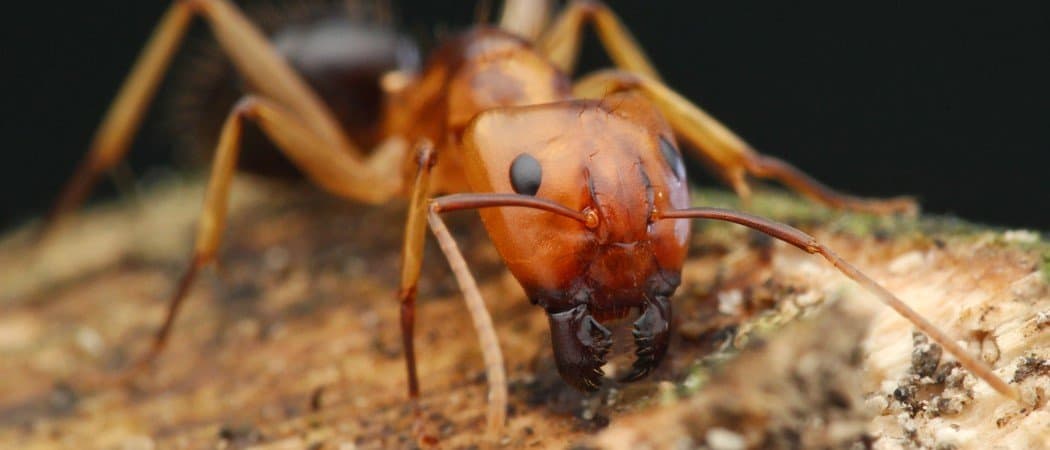
Carpenter ants are often mistaken for termites because they’re large and sometimes found near wood. Unlike termites, they don’t eat wood; instead, they excavate it to build nests. Seeing carpenter ants around a home or building usually indicates moisture-damaged wood rather than an active structural infestation.
Termites
©Ilya Images/Shutterstock.com
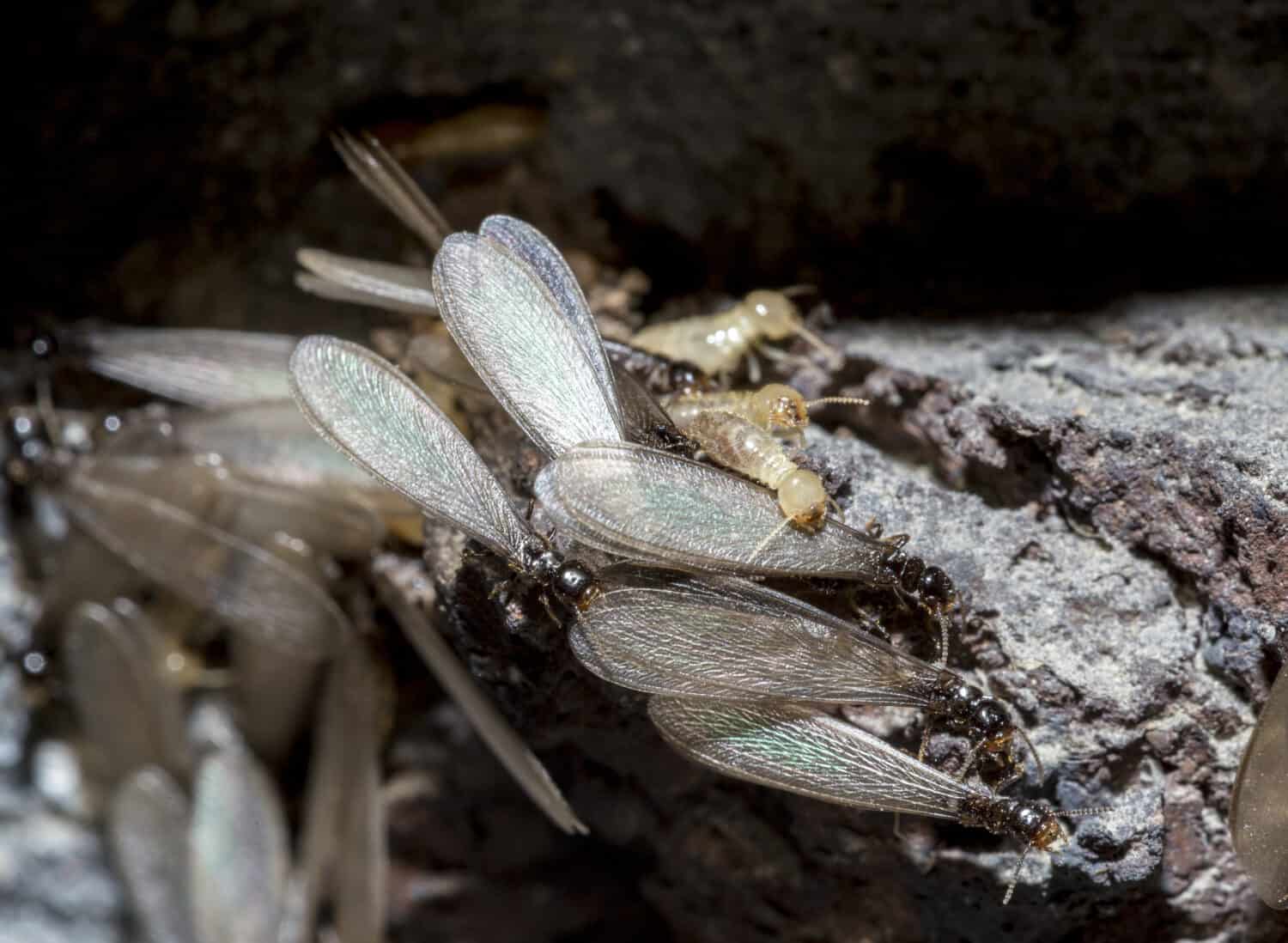
Termites are frequently confused with flying ants during swarm season, but they cause far more damage. They feed on cellulose in wood and can compromise buildings over time. Key differences include straight antennae, uniform wings, and a thick waist.
Cicadas
©Chris Alcock/Shutterstock.com
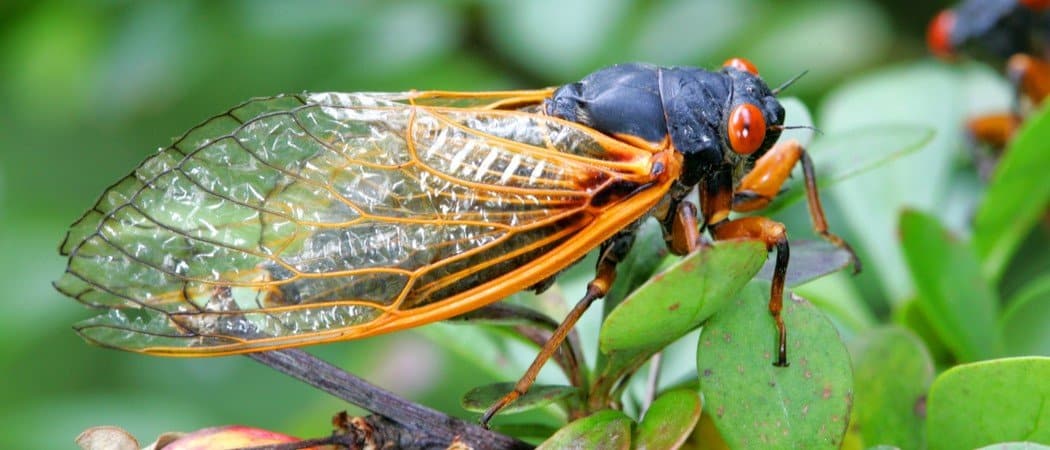
Cicadas are commonly called locusts in the U.S., even though true locusts are grasshoppers. These loud insects are often heard singing on summer evenings. They are harmless and emerge in massive numbers, especially periodical cicadas that appear every 13 or 17 years. They don’t bite or sting and pose no threat to people or crops.
Craneflies
©Wirestock/iStock via Getty Images
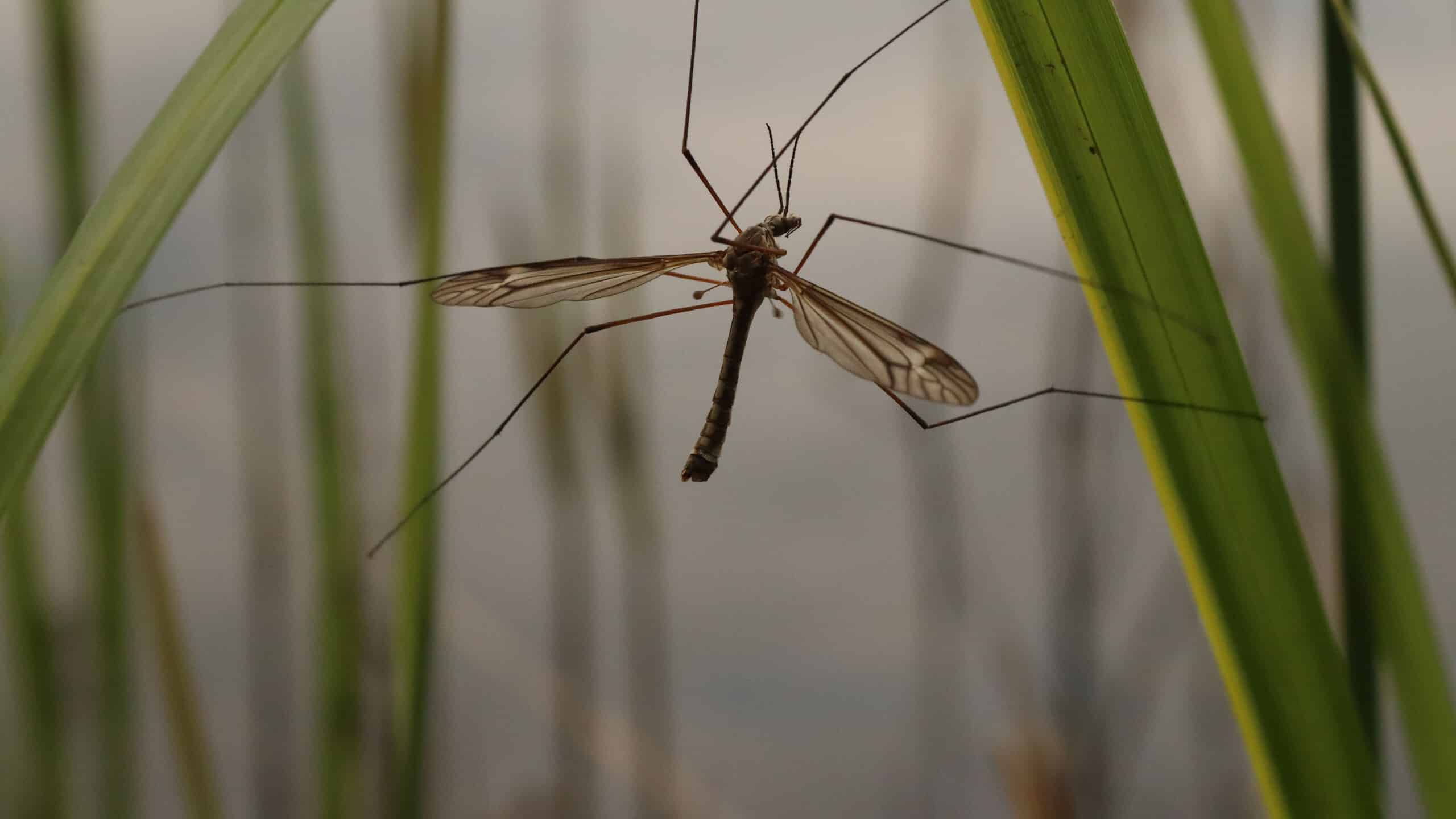
Crane flies are often mistaken for giant mosquitoes, but these guys don’t even bite. Adult crane flies mainly exist to reproduce and often don’t eat at all. Their larvae live in soil and feed on organic matter or grass roots.
Viceroy Butterfly
©Jason Patrick Ross/Shutterstock.com
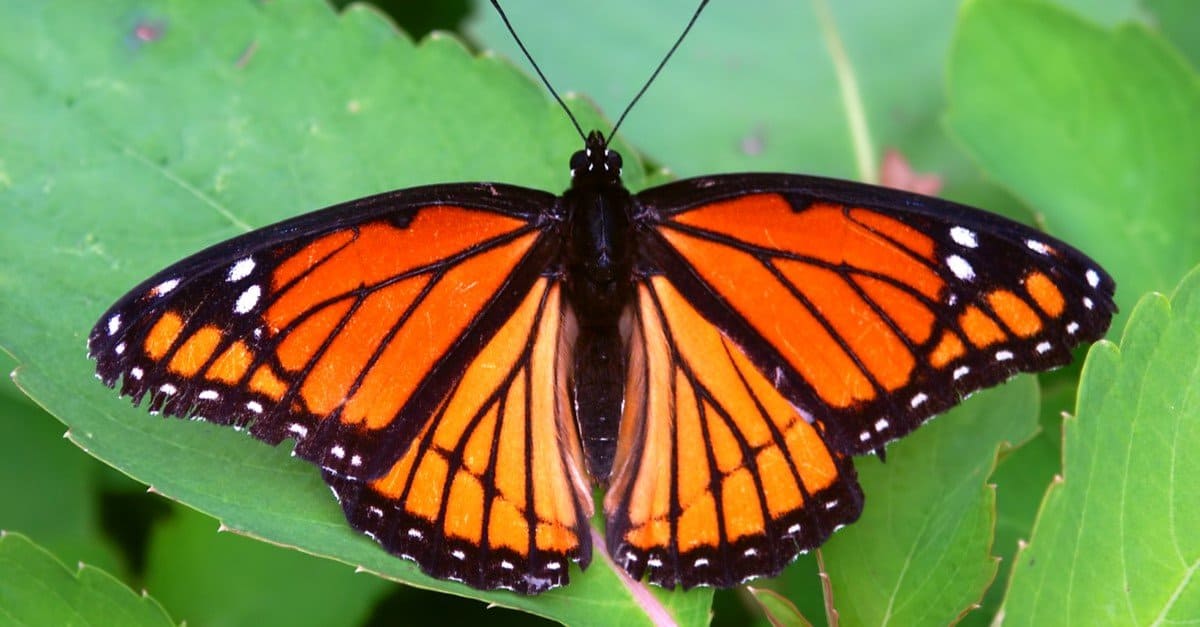
The viceroy butterfly is one of the most commonly misidentified insects in America because it closely resembles the monarch. Both share orange wings with black veins, but the viceroy has an extra black line across its hind wings that monarchs lack. For many years, the viceroy was thought to be a harmless mimic, but scientists later discovered it’s also distasteful to predators, making this mutual mimicry rather than straight-forward imitation.
Assassin Bugs
©Georgi Baird/Shutterstock.com
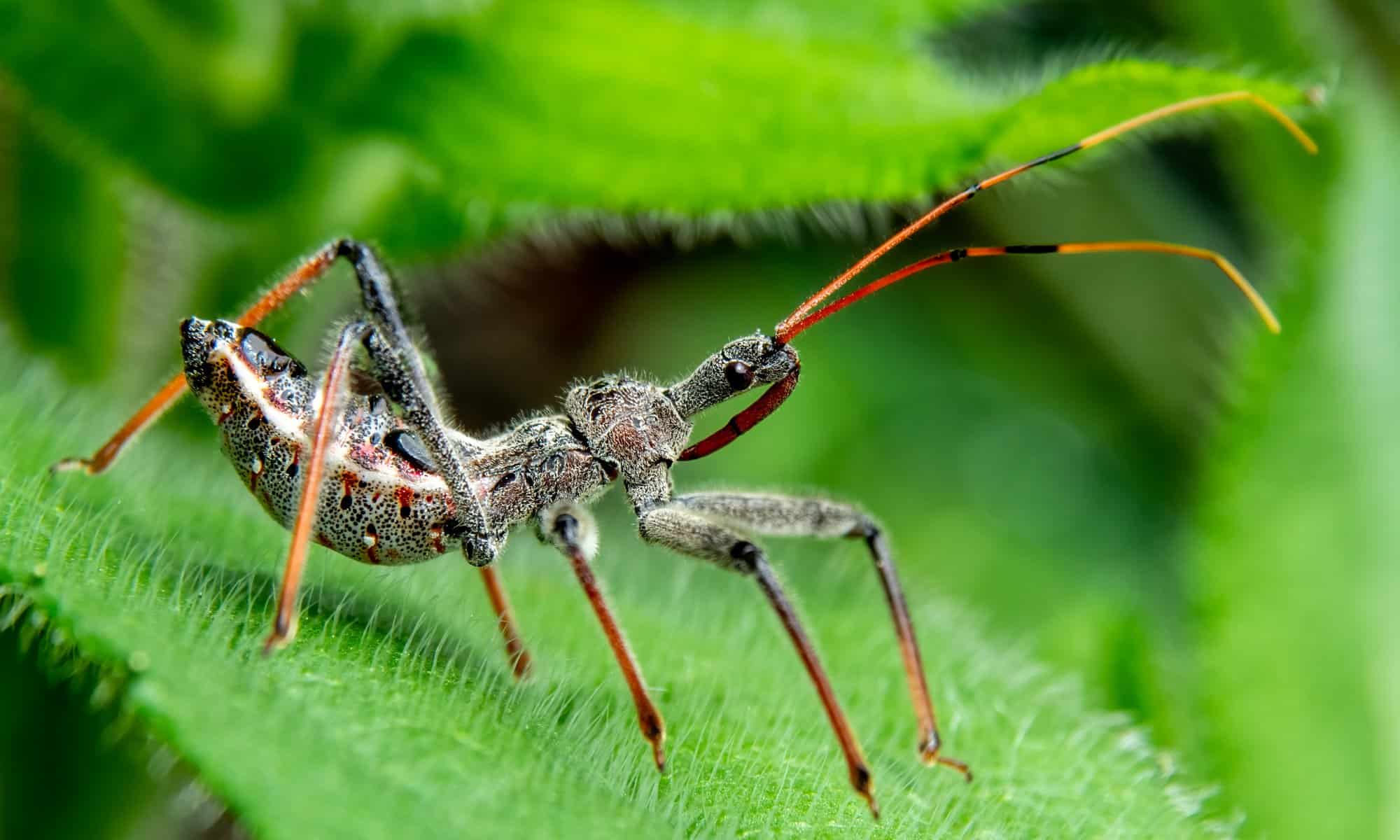
Assassin bugs are frequently mistaken for kissing bugs, which can transmit Chagas disease. While assassin bugs can bite defensively (and the bite can be painful), most species are beneficial predators that feed on garden pests. Proper identification is important before assuming disease risk.
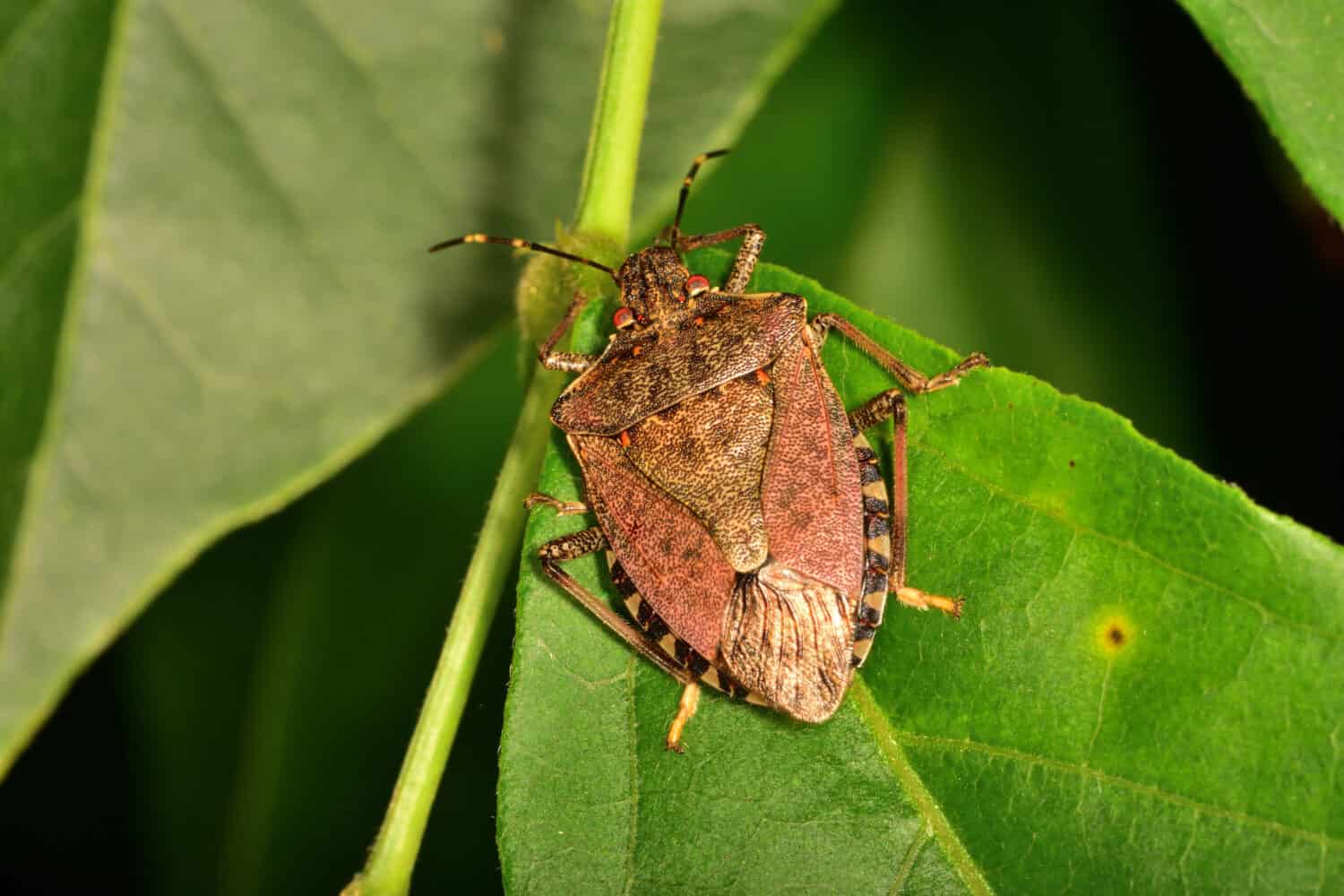
Stink Bugs
©Davide Bonora/Shutterstock.com
Stink bugs are often lumped together with beetles or other shield-shaped insects. They’re known for releasing a foul odor when disturbed, which is a defense mechanism. While some species damage crops, others are relatively harmless nuisances indoors.
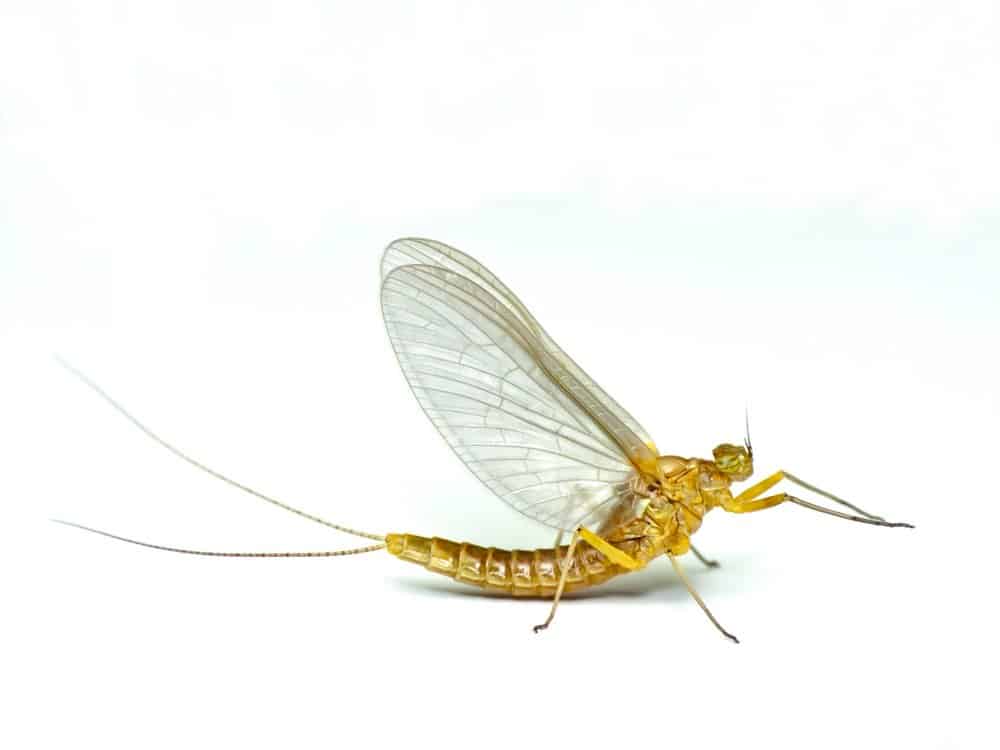
Mayflies
©Dimijana/Shutterstock.com
Mayflies are often confused with mosquitoes or moths during large swarms. They don’t bite or sting. In fact, adults do not eat at all, living only a short time to reproduce. Their presence usually indicates good water quality nearby.
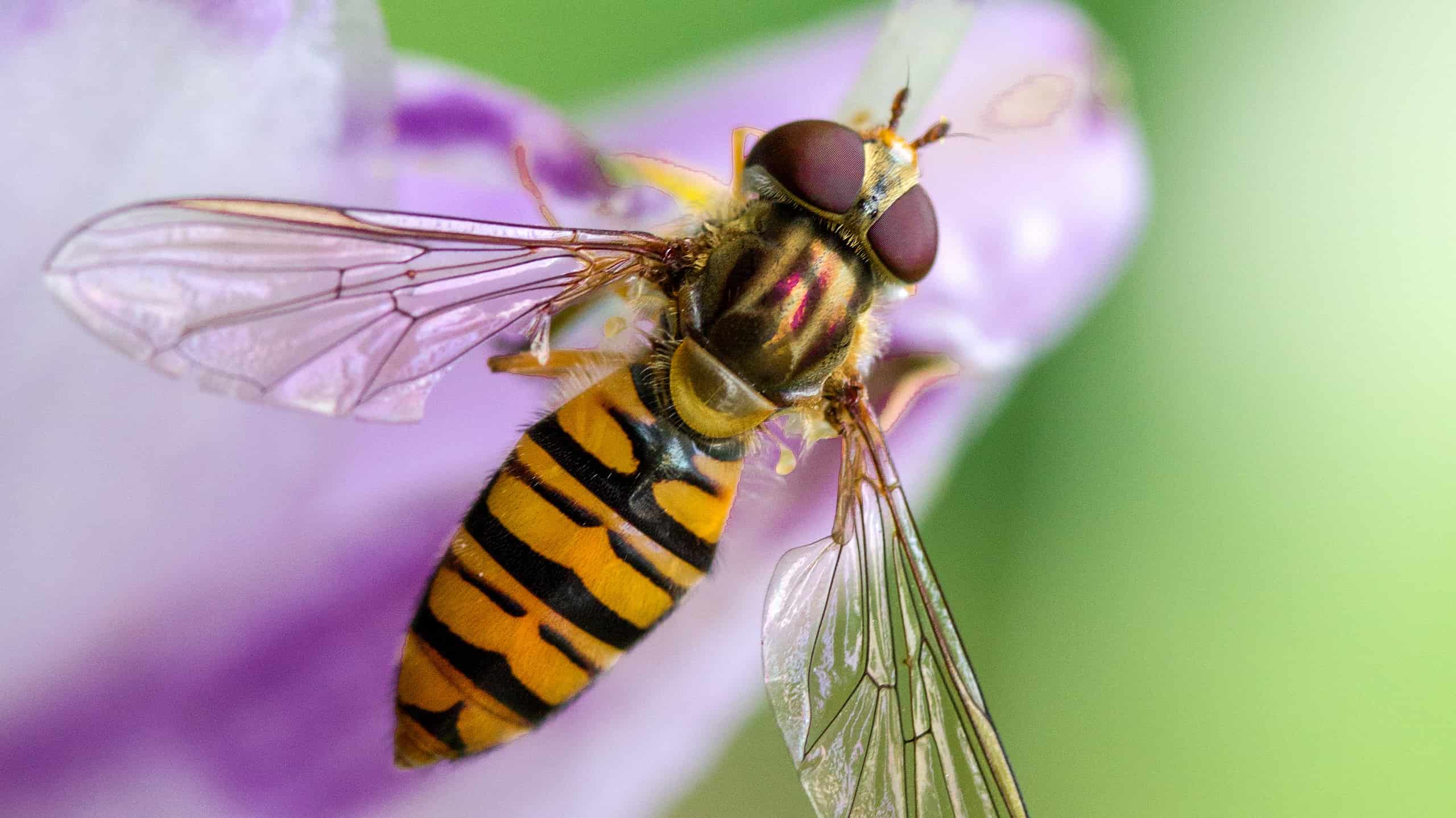
Hoverflies
©viktorkunz/iStock via Getty Images
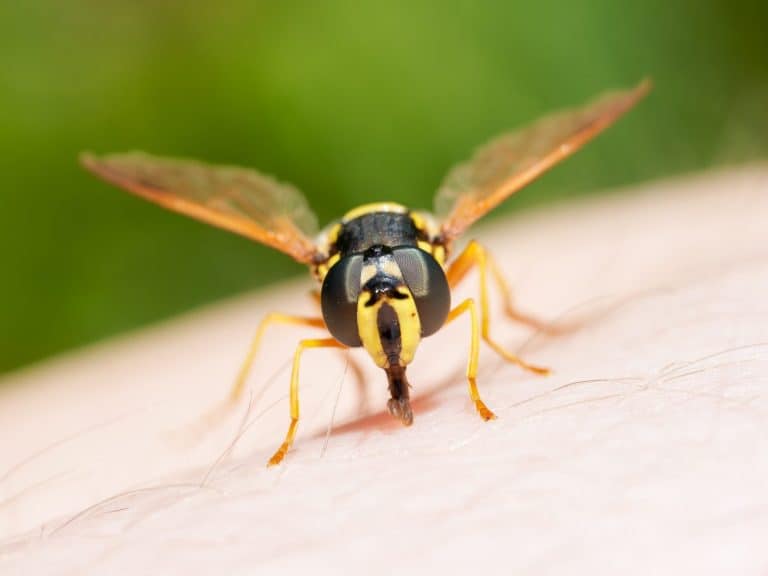
Hoverflies closely resemble bees or wasps, leading many people to fear them unnecessarily. They can’t sting and are completely harmless. In fact, hoverflies are valuable pollinators, and their larvae often help control aphid populations.
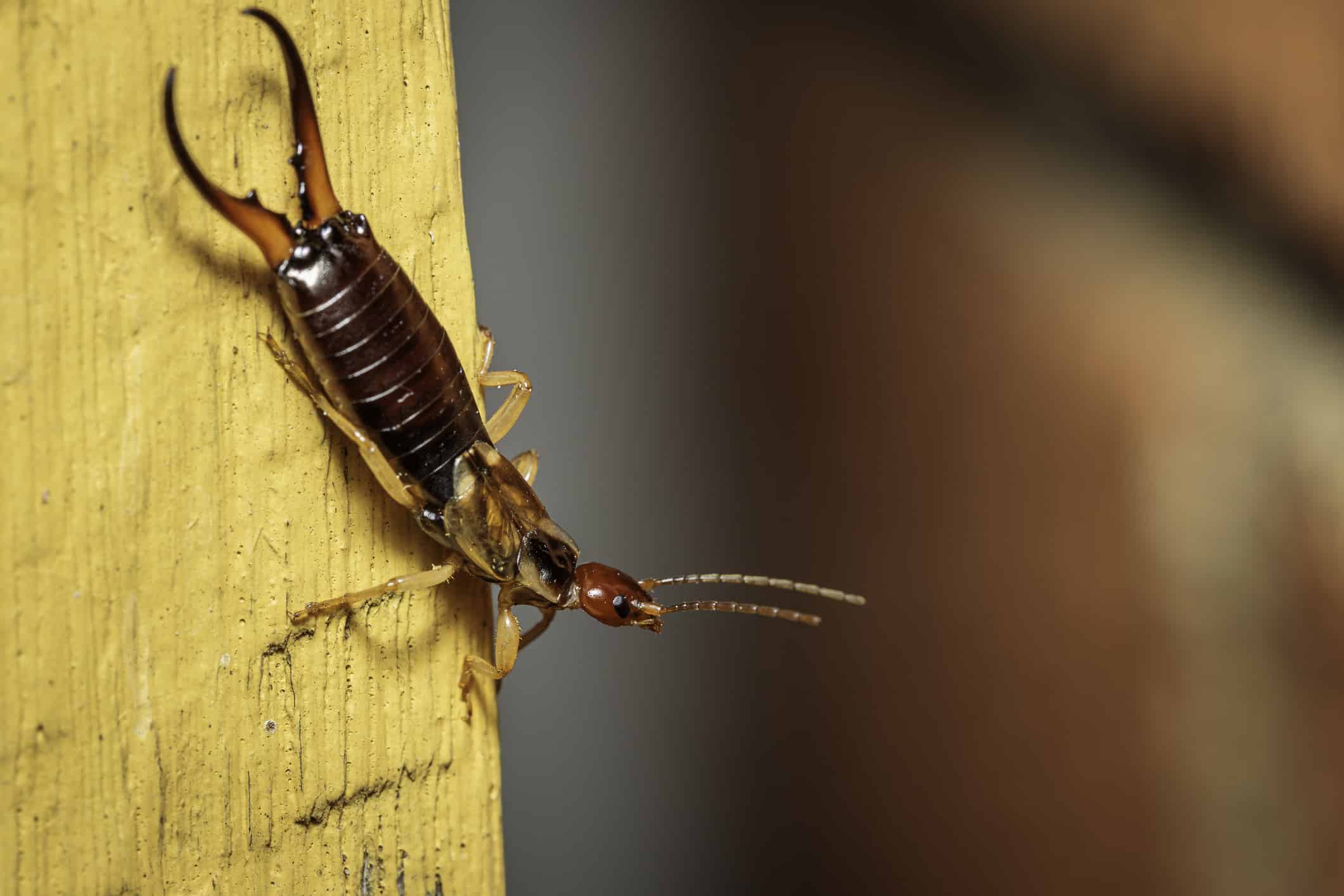
Earwigs
©iStock.com/Jonathan Steinbeck
Some people believe earwigs are a type of odd-looking roach. These insects are surrounded by myths, especially the false belief that they crawl into human ears. In reality, they prefer dark, damp environments and avoid people. Though their pincers look threatening, earwigs rarely pinch and are mostly harmless.