Quick Take
- The best time to buy Maine lobster and the best time to eat it are not the same, and the gap between them might surprise you. See why the timing differs →
- Scoring a cheap summer lobster sounds like a win, but most buyers never see the hidden trade-off that comes with it. Explore the buying trade-offs →
- Cold water does something unexpected to a lobster's flesh that makes winter the peak season for flavor, though this comes at a price. See the cold-water flavor science →
- Maine's lobster laws are built around a rule most industries would never accept, and that rule is the reason the fishery still belongs to local families. Discover Maine's fishing rules →
Lobster fishing in Maine is one of the oldest continuously operating industries in North America, with roots dating back to 1605. Maine’s owner-operator laws require independent captains to physically be on their boats and own their gear. This legal framework anchors the lobster fishery’s profits and heritage directly to local communities, ensuring that generational knowledge remains in the hands of working families rather than being consolidated by outside corporations. Although lobster fishing is a year-round affair, lobsters are less abundant and harder to catch during the winter. So, when are the best times to buy and eat lobster in Maine? Continue reading to discover the answers.
What is a Maine Lobster?
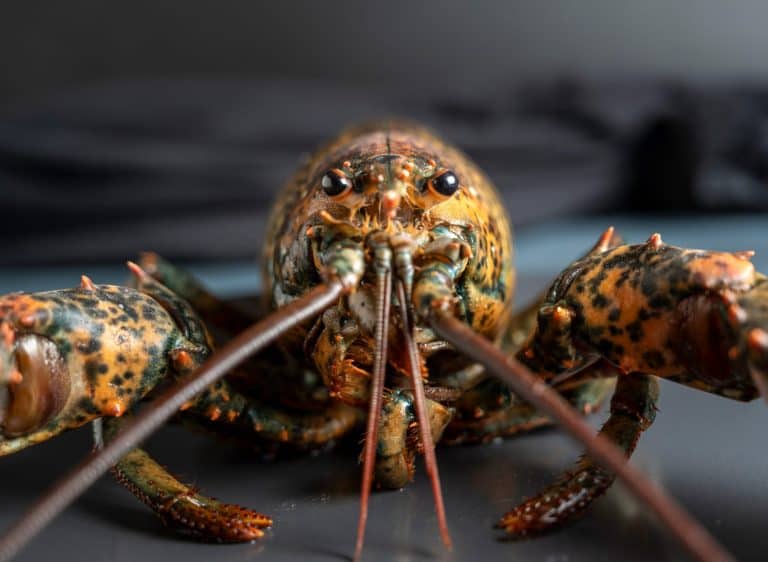
The Maine lobster (Homarus americanus), also called the American lobster and the Atlantic lobster, is a bottom-dwelling marine crustacean renowned for its large, meat-filled front claws. Appearing greenish-brown to bluish-black in the wild, its shell turns bright red when cooked.
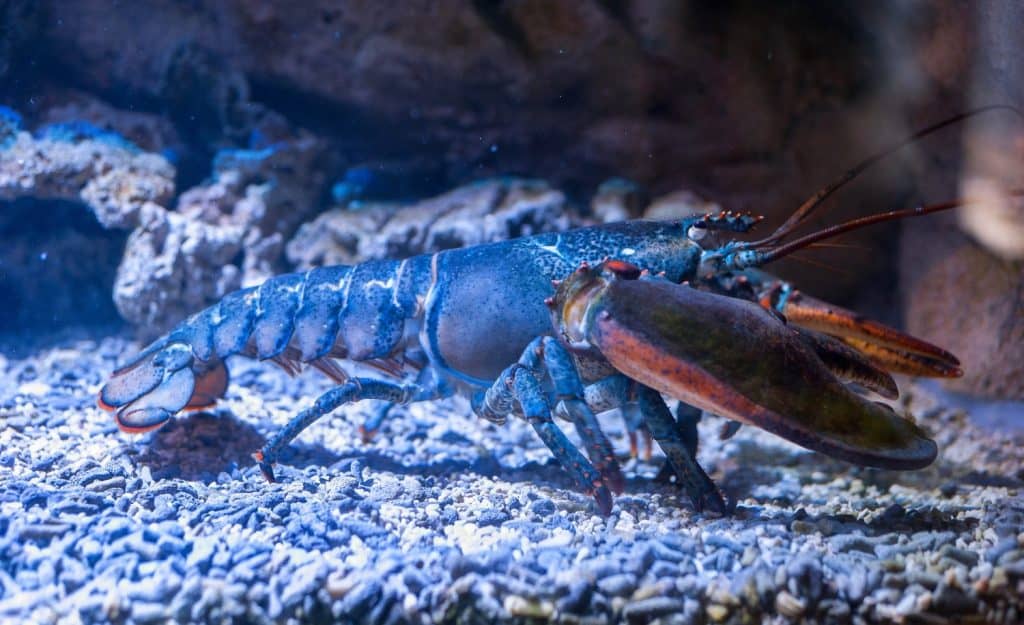
In their natural habitat, lobsters are dull-colored to blend in with their surroundings.
©Igor Kovalchuk/Shutterstock.com
The Maine lobster is the largest crustacean species in the world, reaching weights of over 40 pounds and lengths of up to three feet. Maine lobsters are native to the Northwest Atlantic Ocean, ranging from the coasts of Labrador and Newfoundland, Canada, down to Cape Hatteras, North Carolina.
They are most highly concentrated in the cold, rocky waters of the Gulf of Maine and Atlantic Canada. Lobsters primarily inhabit rocky and sandy ocean floors, from shallow intertidal zones to deep continental shelves as deep as 1,575 feet.
Lobsters rely entirely on their environment to regulate their body temperature. In the winter, as ocean temperatures drop below 45°F, this deep chill causes their metabolism to plummet. To conserve precious energy, they become highly lethargic and drastically reduce their movement
What is the Best Time to Buy Lobster in Maine?
When looking for the best value on lobster in Maine, it’s important to understand that prices fluctuate daily based on weather, supply, and demand.
Historically, lobster prices in Maine drop in September and October. After summer tourists have departed, local demand plummets. However, the ocean is still warm, so lobstermen continue to trap large hauls, driving prices down.
Late spring is the next best time to buy lobster in Maine. In the spring, lobsters are highly active after the cold winter months, but summer demand has not yet spiked, keeping prices lower for premium hard-shell lobster.
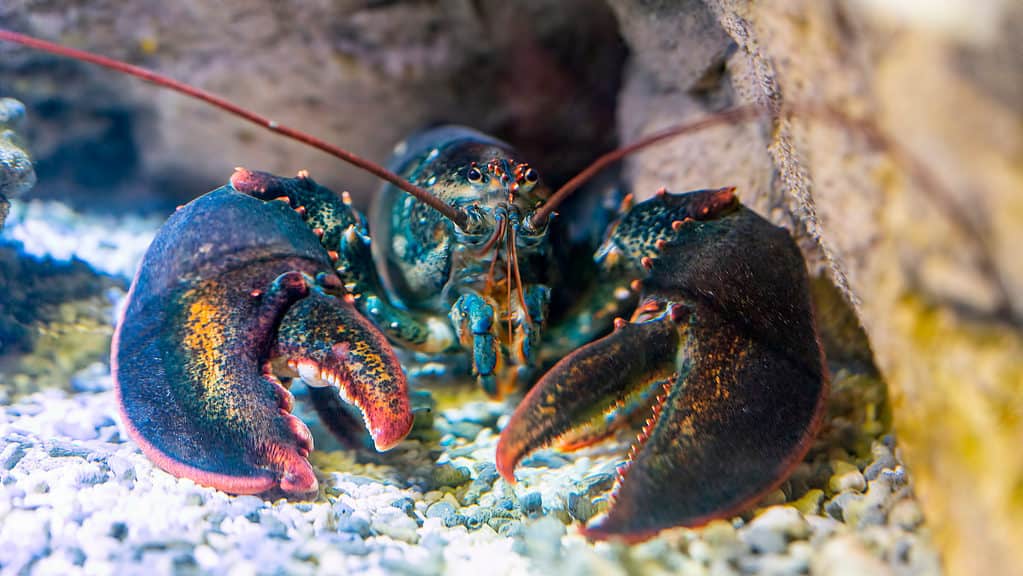
Lobster prices fluctuate daily.
©OSDG/Shutterstock.com
During the winter months, the price of fresh Maine lobster typically rises because lobstermen are catching fewer lobsters. Lobster prices tend to remain high through April but start to decrease in early May as the hauls get bigger, before the tourist season kicks into full swing.
While summer often brings lower prices due to increased supply, lobsters caught during this time are typically soft-shell, which contain less meat by weight and have a more delicate texture compared to hard-shell lobsters. During this time, lobsters shed their old shells and grow new, larger ones. To fill the extra space in the new shell, the lobster absorbs seawater.
When you buy a summer soft-shell lobster, you pay by the pound for a shell that contains more water and less actual meat. Because the lobster has just molted, its flesh is soft, watery, and delicate, lacking the firm, dense, and satisfying texture of a mature hard-shell lobster.
When is the Best Time to Eat Lobster in Maine?
For the most satisfying gustatory experience, focusing purely on flavor complexity, texture, and culinary excellence, the absolute peak time to eat Maine lobster is during the colder months, typically from late fall through early winter. As the ocean temperatures drop, a lobster’s metabolism slows down significantly. To survive the winter, its body concentrates sugars and amino acids in its flesh, resulting in a deeply sweet, rich flavor.
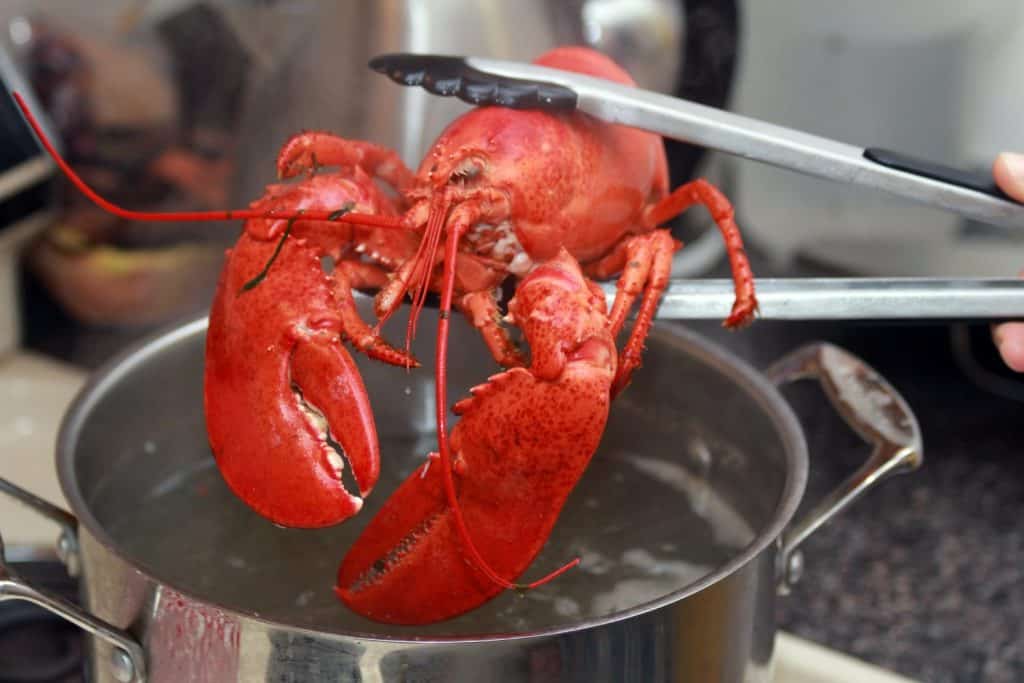
Late fall to late winter is the best time to eat lobster.
©Anastasia Tveretinova/Shutterstock.com
Cold-water-caught lobsters are the most flavorful but also the least abundant, making them significantly more expensive. As a result, the best time to buy Maine lobster and the best time to eat Maine lobster do not align.
Hard-shell lobsters are typically available from late fall through early summer, with their peak season running from November or December through June or July. Because the major summer molt usually doesn’t begin until late June or early July, June marks the final stretch of the traditional hard-shell season.
June hard-shell lobsters are not as expensive as those caught in the winter due to their abundance and less flavorful meat. While June hard-shell lobsters are still excellent and packed tightly with dense meat, the absolute peak of lobster flavor occurs during the coldest winter months.
At the beginning of July, lobsters start molting and move closer to shore, making them easier to catch. However, these soft-shell lobsters have less meat, and the flavor isn’t nearly as satisfying.
Maine Lobster Trapping
The basic principles of lobster trapping have remained unchanged for centuries. While some boats use modern equipment, most still rely on traditional traps. Lobsters are caught in baited wire traps left beneath the water, which lobstermen then pull from the ocean floor. Lobster claws are immediately banded to prevent injuries from pinching. The lobsters are then checked for size and weight before being distributed to restaurants and vendors.
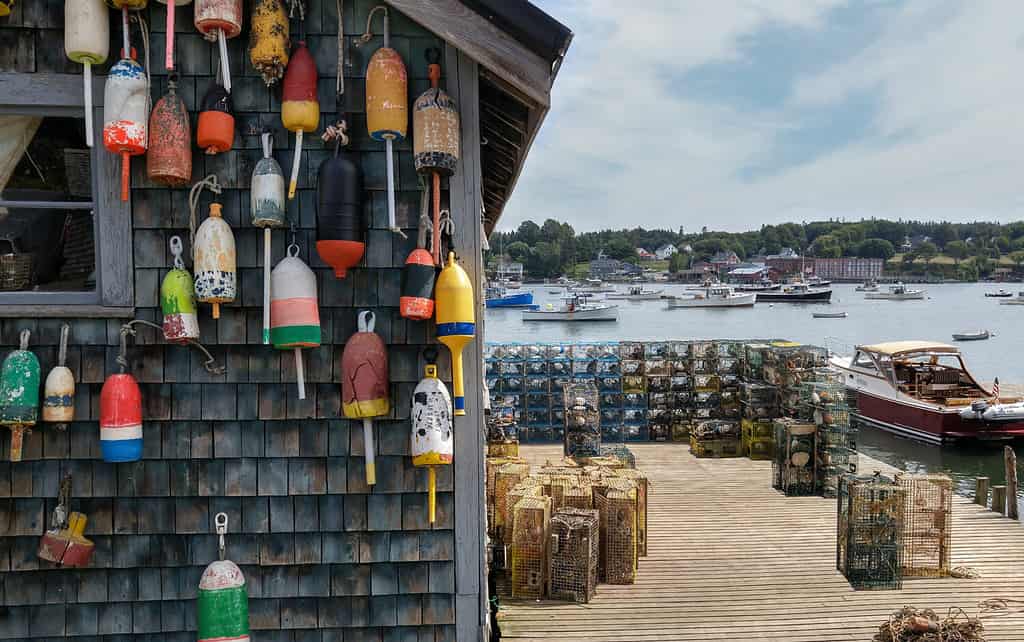
Lobster traps along Maine docks are a familiar sight.
©Earl D. Walker/Shutterstock.com