
Quick Take
- Wing clipping was once standard practice, but avian experts now say it can seriously harm your bird in ways most owners never expect. Why clipping is discouraged →
- There's one daily habit that replaces your parakeet's fear of your hands with genuine trust, and you don't need any special training skills to do it. Build trust with hand-feeding →
- Parakeets possess the cognitive capacity of a young child, and ignoring what that means for their care can trigger serious mental illness. Prevent boredom and illness →
- Where you place your parakeet's cage has a bigger impact on taming success than almost anything else you'll do. See ideal cage placement →
Parakeets (family Psittacidae) are small to medium-sized, long-tailed, seed-eating parrots with over 100 recognized species. They are known for their high intelligence, vivid colors, and social nature. Parakeets are widely distributed throughout Australia and South America. The most common pet species is the budgerigar (Melopsittacus undulatus), or budgie. Parakeets, specifically budgies, reached peak popularity in the mid-20th century thanks to their affordability, ability to speak, and lively personalities. As of 2026, budgies remain the most popular pet bird in the United States, with cockatiels consistently ranked as the second most popular To fully enjoy a budgie, it must be well-trained and well-cared for. Continue reading to discover the best tips for training your pet parakeet.
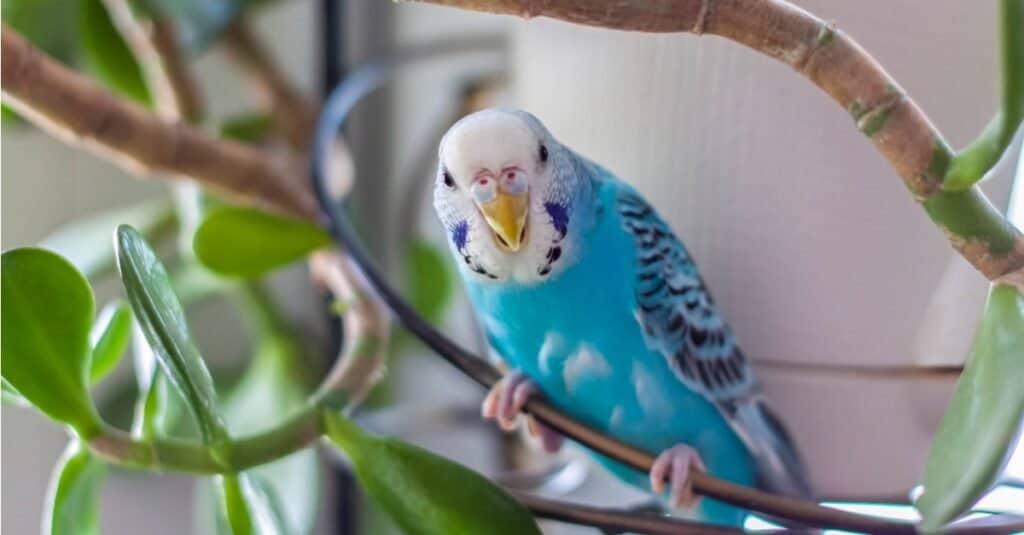
Budgerigars, also called budgies, are a species of parakeet that is indigenous to Australia.
©iStock.com/Alina Lebed
Provide a Comfortable Environment For Your Parakeet
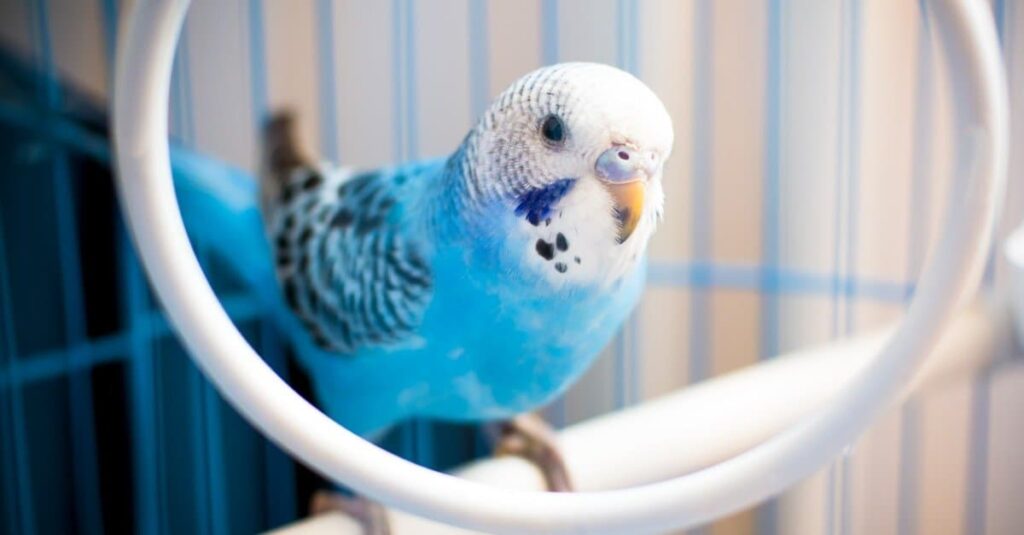
Creating a warm, safe, and clean environment is key to making your parakeet feel at home. A content budgie with easy access to food, water, and plenty of space is far less likely to try to escape. Choose a spacious cage and place it in a room with a comfortable, stable temperature. If you’re comfortable, your budgie should be too.
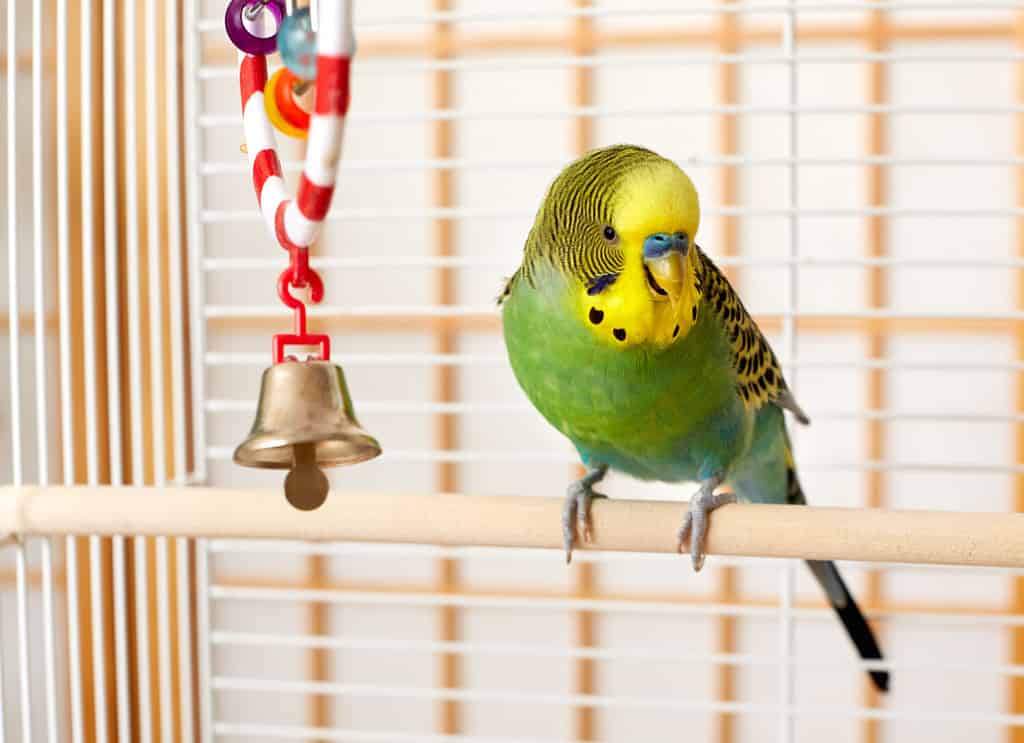
Ensure the cage is large enough for your budgie, and place it in a room that’s not too hot or cold.
©kurhan/Shutterstock.com
Use a calm and Friendly Voice and Talk to Your Parakeet Daily
Building a bond with your budgie requires patience, so avoid rushing the taming process; allow them a few weeks to adjust to their new surroundings. You can jumpstart this connection by placing their cage in a high-traffic room so they become accustomed to your presence. Playing music is also a great way to help them acclimate to the household volume. It’s important to use a calm, affectionate voice when feeding your pet parakeet to build positive associations. Offering treats (sparingly) can also help to win their trust.
You can start the bonding process by placing its cage in a room you spend a lot of time in so the parakeet gets used to you quicker.
©Vyaseleva Elena/Shutterstock.com
Let Your Parakeet Fly Freely
Keeping your parakeet confined to its cage is not good for its mental well-being. They are birds, and they need to explore. Let your budgie fly around indoors with all the windows and doors closed, and always under strict supervision. This keeps your pet parakeet mentally stimulated and physically active, and also helps introduce your budgie to new areas in your home.
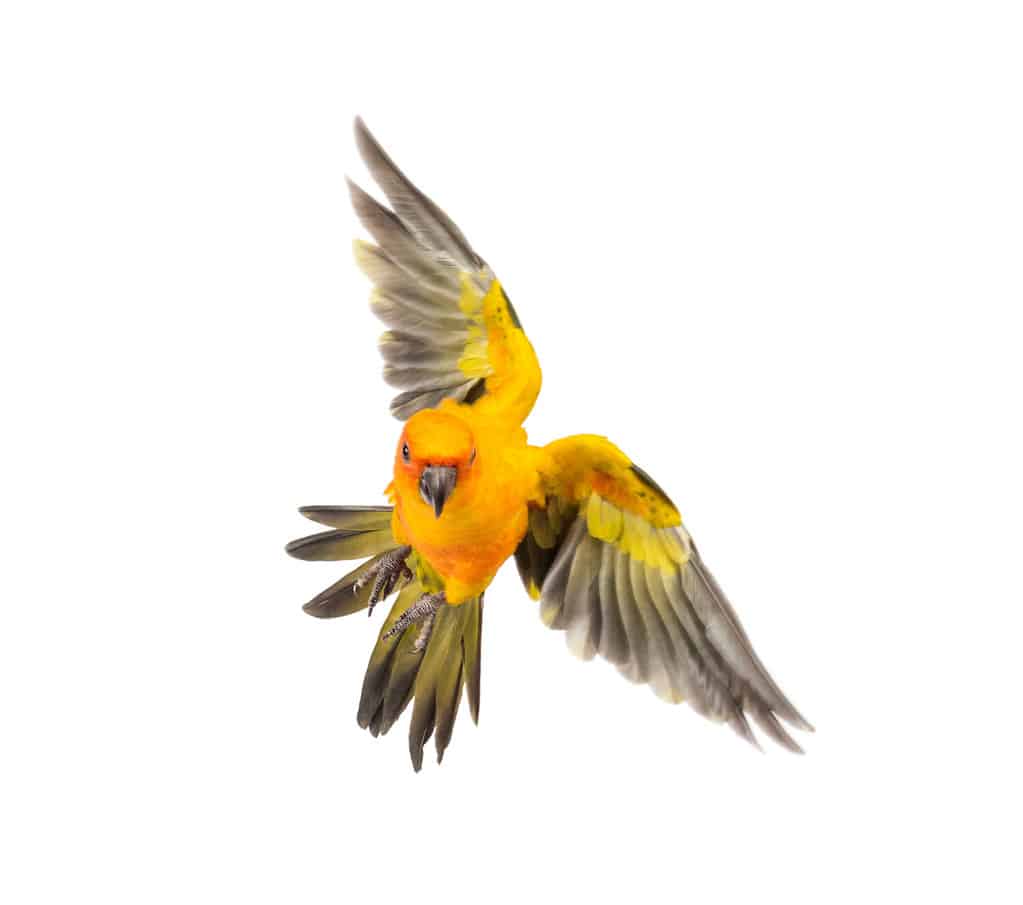
Even pet birds need to be able to fly.
©Eric Isselee/Shutterstock.com
Although wing clipping was once standard practice, with breeders and pet stores routinely clipping a young bird’s wings before sale, the practice is now widely discouraged by avian veterinarians and animal welfare organizations. Recent studies show that grounding a flighted bird can cause significant physical injuries and psychological distress.
Hand-Feed Your Parakeet Every Day
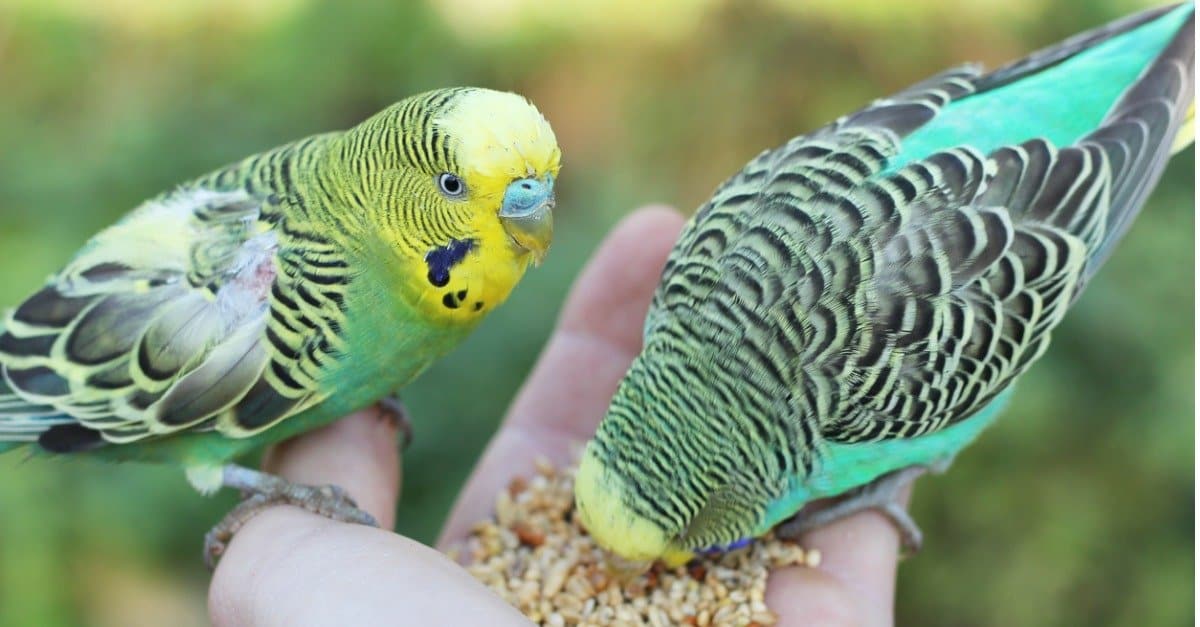
Hand-feeding a budgie builds trust by replacing fear with a positive association. It teaches them that human hands represent safety and rewards rather than danger. Feeding your pet bird treats like millet directly from your hand encourages them to approach you voluntarily, helping them overcome their instinct to flee from large, moving objects.
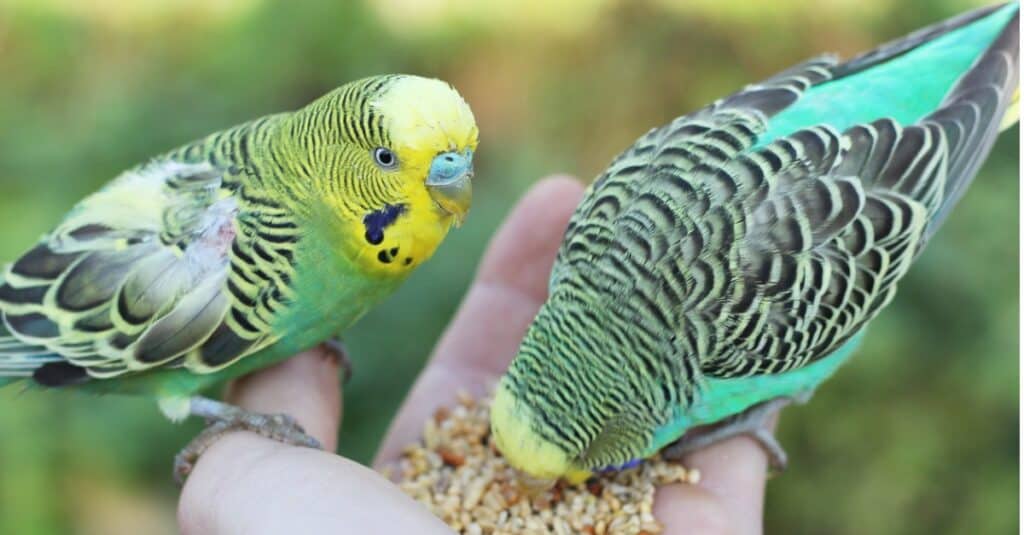
Budgies will learn not to fear your hands if you hand-feed them.
©iStock.com/urafoc
Teach Your Parakeet to Perch
Once your parakeet trusts your hands, it’s time to teach it to hop onto a perch. Slowly insert a perch into the cage and gently nudge it against their belly to encourage your pet to step up. Stick training is an essential skill for your pet budgie, as it can make returning it to its cage much easier.
You can try coaxing the parakeet onto the perch by pressing it gently against its body. After repeating this process a few times, the parakeet will learn to step onto the stick or perch.
©iStock.com/averess
Teach Your Parakeet to Hop Onto Your Finger
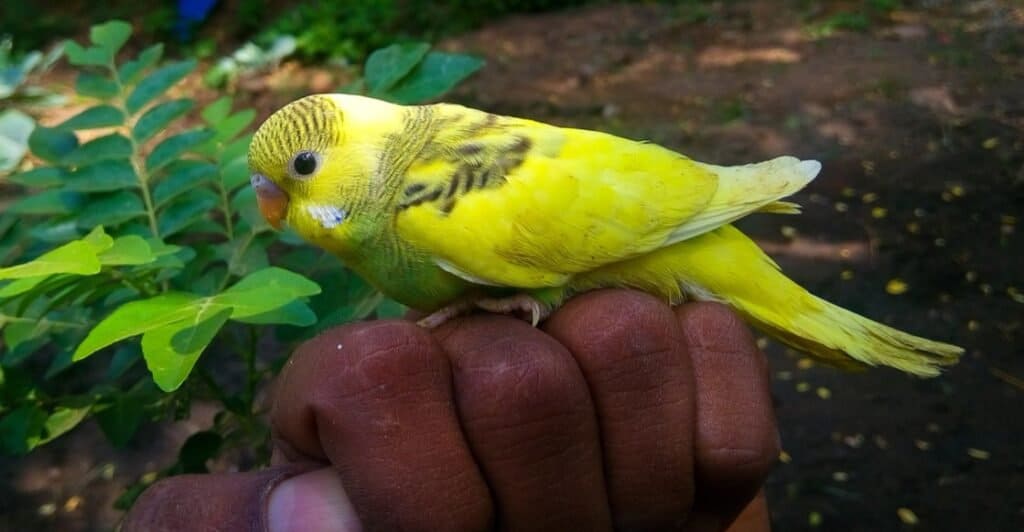
If you notice that your parakeet is not scared of the presence of your hand, you can attempt to rub your finger against its belly while gently saying “up.”
©ELAMARAN ELAA PHOTOGRAPHY/Shutterstock.com
Once your parakeet has mastered the perch or stick, you can begin to place your finger next to its body and see if it will hop onto it. You can also try putting your finger next to the perch or stick and see if the budgie will jump onto it. If you notice that your parakeet is not scared of the presence of your hand, you can attempt to rub your finger against its belly while gently saying up. When you return your budgie to its cage, say down as you place it back on the perch.
Provide Your Parakeet With Toys and Puzzles
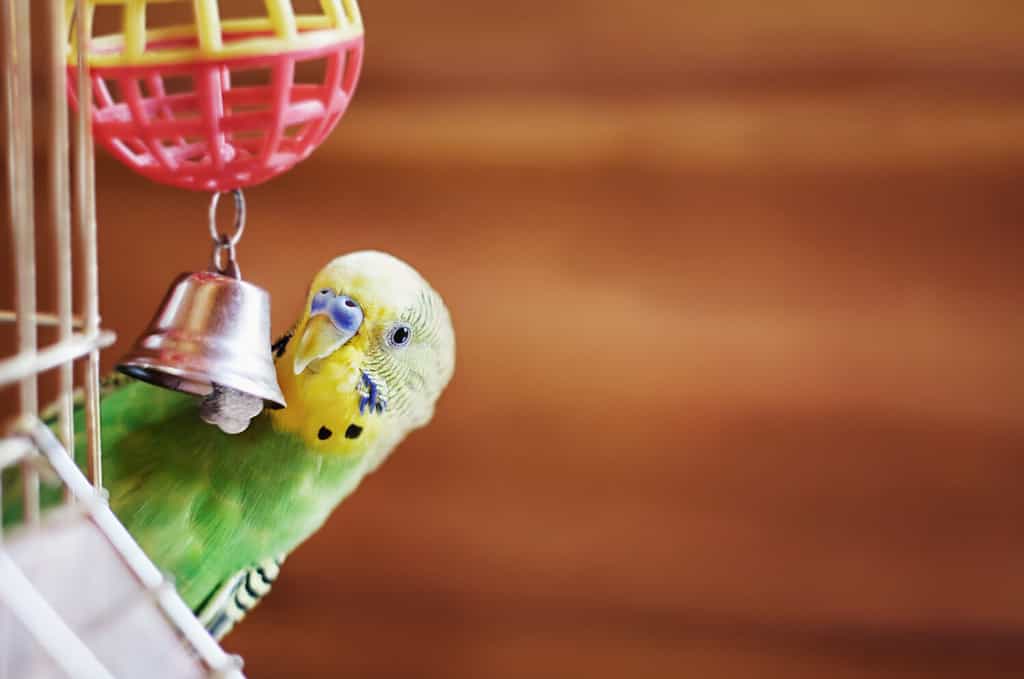
Providing mental stimulation through games and toys is absolutely vital for a parakeet’s health and well-being. Parakeets are highly intelligent, social flock animals that possess the cognitive capacity of a young child. In captivity, a lack of mental enrichment directly leads to severe mental illness and self-harm. Parakeets are clever enough to become bored with the same environment. Keep a rotating stash of toys and swap them out regularly to keep your parakeet stimulated and mentally alert.
A pet bird needs to be mentally stimulated, and having access to numerous toys and puzzles is crucial to their mental well-being.
©kurhan/Shutterstock.com